Didn’t we all make promises? Didn’t we all say yes to caring for each other?
And yet, here we stand with the truth the we Must be our own golden mean, our own magic
We had nothing to do with the wild universe that Called us into existence, except for that we have made
A pact, a promise to ourselves, that we Would live each day to honor our mitochondria
To uplift our own atoms, to love the Starrdust Of others– to kin-keep, to break bread, to
Carry things on our heads and backs, and hearts And sometimes we have to break the promise
To set the other free, to honor our sovereignty And perhaps, that is the gift of grief, those
Tendrils of sadness and severed nerves which Feel so raw, so new, so in need of protection
Cradle all of us in. The letting go. The setting Apart, the making into two, and the reconstitution
Of family, of friends, of tables and candlelight A twilight override, a play it again, Sam
A journey that has always been one of the heart That can really only view and visit the other through
A window– soul to soul, sex to sex, human to Human, heart to heart, I am that I am
Broken Top, Three Sisters Wilderness, Deschutes National Forest, Oregon (2025).
Falling Forward
It’s not very often I’m privy to an American football game I prefer soccer, to be honest, or lacrosse, or even rugby … Any other sport, but I was watching the epic eternal battle (they call it the holy war) between the red and the blue And my partner pointed out that one of the quarterbacks
Knew how to perform a ballet for each play, each pass, they laser-focused their eyes, their body, their entire being On the intention, the target, even after it left their hands, yes, they fell forward, toward the play, toward the action each time, there was not even a hint of indecision in
Their gaze, and it got me to thinking about how life surely requires this, that we fall forward, that we look to our most noble intentions with laser-focus With longing, we’ll be so set on our goal that we’ll Fall that direction, a ballet for each day
South Sister, Oregon
1.0 Human
a documentary something about education and technology
the second clip is Ken Jennings you know, Jeopardy most-winner who
explains that we have already been bested by the technology “gods’ all I can think
is, I’ll never be ready for this I’ll always want bodies, and touch,
and direct instruction eyes lit by the sun and that wondrous gray glob
of matter synapsed by neurons I need flesh over algorithms every
day and the fact that the bots spell rhythm with an i
(lower case) is all you need to know about the state of humanity
Absaroka Mountains, Paradise Valley, Montana. May 2025.
On Wednesdays
And sometimes, on Wednesdays, you feel altogether less than. Less than creative. Less than bright; less than enough. Still there is this desire to burst some
seal in the universe to say what you feel. And you determine to send the man you love a letter because you are also reminded by your intro to writing classes
how powerful our interactions, entanglements with the natural world really are. Reliving our gorgeous weekend in Montana. Wide skies, iridescent light. The river,
carving out its channel, hosting bobbing rafts of geese, the swift water constantly breathing, caressing, quick-tickling its banks. Feet, pinked, cold and smoothed
by silt and stones. The mule ears sunshining in bunches on the low slope of each sky-grazing mountain range– Absaroka, Crazy, Gallatin, Tobacco Root– still white-
tipped with winter, now green- black with pines, avalanche lines and juicy jade undergrowth all silently worshiping Spring, new whorls of love made daily
Yellowstone River, Paradise Valley, Montana. May 2025.
Deluge
Spring, you may wander through my soul in infinite spectacles of rebirth, interrobangs of golden mule ears apostrophes of purple monkshood, little ellipsis of mountain service berries punctuating each hillside and long top-frothing grasses, mountain oceans in growing breezes, a cloudy sky meant to cast angles and halos, one moment warm and the next a whipping rain, a deluge, steady then soft, pelting then gauze, a corporeal mist clinging to river beds, mountain roots and renewal
Peets Hill, Bozeman, Montana. May 2025.
Skin shedding morphing, learning, lose, grow, shift, change a year for becoming strong and centered snake
“Astronomy for the use of schools and academies.” Joseph A. Gillett (1882)
Oceanus Procellarum
His eyes the hue of all Earth’s oceans tossed In tumult (spume, spray) churn infinitely Her heart, the oceans of the moon, ensconced In basalt magma mares laid anciently He senses love and feels it coursing through Her ever-present depth, the seat of grief Conditions both are now accustomed to By life’s relentless quest to find relief Yet, love and laughter fill their atmosphere A world where they alone can live and be It saves them from an epoch of disaster– A home, a space, a place—this you and me New woven in this moment learning how Their love gives import to the here and now
Sunset over Utah Lake. (February 2025)
Sea of Scorpio
Darling, I haven’t yet told you How beautiful your eyes are Like the ocean’s depth, a sea Moved by primordial currents, dark, Yes, below the surface, but there Beautiful, almost infinitesimal Flecks of ochre, golden troves, In the rippling rich blue that Remind me of the entire universe Contained in that chasm, which Is to say soul, kelp ribbons Amber stones, acorn barnacles, Brittle stars brought to surface by Maelstrom. Sign that all the Depths you’ve fathomed where You learned through excruciating Joy and wracking gladness, an Abyss rife with life and pain, Eternal you, there laid bare Inside your beautiful eyes
Aquarius Timpanogos. Sun, cattails, and clouds. January 2025.
The First Universe was You (Maybe one day it will all make sense. This is probably just my hubris talking.)
You were the first person I saw —visually—as a Universe
I had been feeling it for a while– this idea of the infinite
In the love I watched women Give to everything, everyone
Around them, the spiraling arms of Stars– known, each in their own sphere
I heard it in my head, when you Explained: I am trying to love myself
In essence, “I contain multitudes,” and I Chalked that line up to some god from
Our shared past-religion, but it turns Out it was Walt Whitman
Describing women, of course, he was Describing himself and thereby all
Humans, alike in our vastness, and then A friend’s husband died, and I felt
It all over again, this idea that we Are these very fragile, very short-lived
Phenomena, and yet, somehow infinite, And don’t forget that must explain
How your trip was my trip, or I took A part of your trip as my own trip
Like a feather in my mushroom cap Like a rose in my funerary lapel
Because I am enough was what your Psyche told you, and I am here to
Infinite down on that memo, that factor: I am enough. You are enough. Multitudes.
You contain multitudes which is why Making decisions out of temporary
Information must feel so hard. So, Take my hand. Grab my spiral arm
Arm in arm. Here we go. Forever Into the Unknown. Universe.
Glass Greenhouse. Neighborhood. January 2025.
Arms
To have the arms of the Universe flung out before You. I’ve seen it with my own eyes—one arm rolling Sushi with her son, another arm filled to the infinite with stars Held comfortably under her daughter’s climbing shoes. You are made of Everything—darkness and light– the stuff
Jeweled into the eternity of now, this moment. Universe, can you hear her? Like listening to nuclear fusion With a stethoscope—the breath, the pulse, the beat, the Mother-heart giving life to all existent things, and even things That may no longer be. But that act, the fusion at the
Core of the Universe—every opal clouded nebula, a nursery Every blazing Azure star, a new creation, can you imagine if she Knew she needed to become something new, and altogether Different entirely. What if she knew that her core was burned Out, her fuel exhausted and all of the stars, all of the
Beings that rested in her consciousness would once again Become so much dust, so she died. She gave up her Old form, her life, her arms spinning off into the horizon She simply couldn’t go on fusing life together in that way Explosion/Implosion it wouldn’t matter which way the
Translation took place, but the Matter of it all would always, Always remain. The actual physical atoms of all she gave, all She shaped, all she sacrificed, forever encoded in the stuff of Galaxies, dwarf stars, and solar systems we’ll never lay eyes on She knew it. Yet, she wept anyway, despite her knowing
each stalk of grass is hollow and barren this time of year skeletons of viridescent pasts like raw leafless trees memories of living and of dying the pulling back the cocooning of life in silent night, darkness chambers, interiors of many plants and animals teaches us all about the death and the rebirth of life, light so that we won’t fully despair
Deer Creek. Image, my own.
The Return
the light returns this morning with the owls they call from tree to branch, as sun
pinks surely over the charcoaled horizon kilned through night, and sealed in the new, cold light
of this winter morning where I’m aghast at the magic, memory magnificence, majesty transitive verb
of the whole thing where I am present when the light is seven minutes old and each
photon graces my retina with the reminder that the light always returns until it doesn’t
until the whole sky is bathed in numinous halogenic possibility the presence of the now
as the light returns may we remember the power of the darkness the importance
of slow, intentional rest, the rejuvenating properties of sleep for a world that simply needs to listen to
the magic of the intransitive verbs of owls
Christmas Windmill. Image, my own.
Dark
Enfold me in your blackness, I don’t want to be afraid of the dark In fact, I want to embrace my shadow Shadows of all that I thought would Suck the marrow out of me, but instead Offered me a respite, a resting place A hallowed breath of solace and silence Dark, the thing that so much incandescent Luminosity is meant to fight, to ward off, as Humanity wilts under all this light
Tamarisk and Gray Skies. Image, my own.
Space
Maybe the most surprising thing about poems is that they take a fair amount of space and time The words are often all there, waiting on the lip, the tip of consciousness, but flow takes room Takes open-ended realities, wide skies like altars in the arcing air, vast closenesses and distances Which the heart contemplates, the healing place, the hell, the compassionate lengths to which a Human will go to tell a truth, a peace, a playful nothing, a love, a life, a poem
The Road. Image, my own.
Don’t Die
when it began, I’m not quite sure, but as of late my son has a new post script for nearly every exchange, “don’t die” he tells me as I start the engine of the car, “don’t die” he encourages as I head off to work “don’t die” when the rain is falling in sheets that darken each atom of exposed earth, he must understand something about the nature of life
Beloved and Time. Image, Aubreigh Parks.
Celebration
sometimes the celebration will be the growing of the light minute by minute over the horizon, moment by moment in our children’s eyes. Sometimes the celebration will be the sleep, the forgetting, the separation and the longing which brings deeper communion with the divine, the place, the way, unsure, the path, the journey, one precious step at a time. Sometimes the celebration will be the growing of the self, the yearning, expanding, nearly cracking open of your sternum with the enlarging, ever-beating heart, the lungs full-burdened with life giving nitrogen plus oxygen, exhale the heaviness and grief, inhale, close your eyes and let go
And now I bow In the nave I built with my Own hands A force of will Maybe, and of Hope, and strength And love, and Power, and good Ness and weak Ness and sacrifice And longing and Grief and beginning I kneel before this Altar to my dreams Before I burn It down, before The doing and Undoing pulse Through my being And there it is Again, my knowing In the unknowing That this temple This altar this Divine expression Must ignite, must Burn, must be made Into ash, and thereby Made into everything That comes after– The garden, the Synagogue, the holiest Holy, of all the sacred Spaces, filled with the Breath, the Fire of the Divine Universe intoned In your throat, in your Heart, in your center Melted to make Way for something New
Wintery walk. Image, my own.
Gift
Sometimes the memories And myths that were woven Into your childhood become Magic again to your arcing Soul. The songs that break Forth in trumpets. The Prayers that end in good Tidings. The trees all Dressed in snow and stars Light against long December Nights which beg gathering And joy-filled repasts
Aspen and snow. Image, my own.
Roads Taken
Two roads diverged in a snowy wood And knowingly, quiet and somber I stood, looking out on the starry, moonlit way then took the path that had already been trod
With careful foot-fall through the hoary frost, after the ribbon of travelers who’d crossed the fork in the road, the decision place And rather than test the dark and the cold
I took the chance to walk along where others had gone, and bend my care instead to perceiving the moment, the present The here, the now, the trees and the fences
I shall be telling this in an age from maiden, to matron, to crone, to sage, I took the road that many had paved And made it my journey, anyway
Fern Frost. Photograph: Skip Via, West Valley Naturalists.
Braid
dark and light strands of fermion behavior spin good evil if they exist tethered whole to the same fate maybe driving Dirac’s trick as truth every particle we are made of even distantly is woven, connected to the cosmological horizon, all tangled up, simultaneously unspun strand by strand into infinity
A torche glitters in her hand, a brightly whishing brand lighting the ways– a choice, the path you take, the path you don’t, all paths you leave behind– they are equally lighted by her candle, paths you can see now and will never be
revealed again, in the flickering breath the shadows cast into the recessed flume, the light loses its brilliance, the gravel of the third way spooled out along the straighter path, and the second road banking darkly into the far side of some
gray and dusty landscape which even the brighted stars cannot now expose, So what does this goddess of the dark night and her burning wooden beam divine, does the curve of her hip signal some portent, message of direction,
no, the way, the path, the journey will not be signaled by another, you must choose, you must contemplate, intuit, and define your bounds your path will be yours, after all, your own, so you must own your choice
wavering again, the flame whispers from some fate-wind ahead, some ancient breath of the beyond, you grip the paper of your healing in your pocket and take one long breath, exhaled in the rising chill, a mist
spurled ahead, looking up into the star-strewn night the weight of the choice comes softly on the shoulders of the traveler, an unseen cloak, take a small but firm step toward the flume, the future
Canemah Bluff Nature Park. Oregon. Image, my own.
Clay
Molded and molding, shaping, shifting, pressure, smooth tension, long lines a steady firmness, spirit of water, sunlight, earth, release, become
New Moon Amulet. December 2024. Image, my own.
Talisman
Can any thing be magic? Any blob of gold or Pressing of silver, can An object, an item, a Pinecone or umber fleck of Bark be imbued with Power or general chemistry That brings transmutational Ability, alchemy, divination
Canemah Bluff Nature Park. Oregon. Image, my own.
Some grief never leaves
And I know this because of arthritis Some grief is permanent, the relationship With a parent that you’ll never have, the Child who never entered your life, the Star that never rose in its proper place There will be some things that leave Mortally permanent scars, situations Which will never be shifted into Redemptive tales. Some scars Will ever be with us to remind us How pain and grief bring understanding Gained in no other way,
Starlight street at night. Fukuōji Kazuhiko.
Journey
It began to ring true Several steps from where The grief began, the opening of the way, the continued rock and slosh of the water Eyes opened on a world And existence that was nothing Like what tiny kernel of promise In life began as. Nothing like the seed of the idea of the life you thought you’d live, the contrast was searing and startling at first. But then, by gradual degrees, it became whole, sound, founded, and sacred opportunity
So here we gather On this bright and Dark day in the Fresh World, to see if there Is a turkey of love Between us– siblings, cousins, lovers, parents, Friends. And there it Is– LOVE– carved out For us in some miracle Since the creation of the Cosmos scuttled us All together on this blue- Green blessing of a planet Quantum journey, accidental Adventure, maybe in another Life we don’t know one another We haven’t stood witness To one another’s joy and Pain. But here, now We are the people we Know and love because Of particles of song shared Between us, and mud Fights on Thanksgivings Long ago, and stories that Have connected us all Bringing us to this Moment– to Gather to Settle softly into miraculous Gratitude. Thank you I love you. Forgive me, I forgive You. I love you. All love.
Art Center. November 2024. Image, my own.
Other Ghosts
So now there are other ghosts The angels of the past have Come to comfort and protect, To bring peace and stability I don’t know how I know, but Others feel it too, they enter They awe, I feel the ancestors In the daily spirals of My existence, the soil of My backyard, the song of The trees and birds in the Ancient ash. Many others feel them, too, and tell me They are near, they are Present. I know that I am Not the only one who has Ever been separated from My alter, my shelter, my Building, my dreams torn For a vision of the future I could not ascribe I’m learning each day That each ancient has Been sent as a guide The present and the Beyond, they’ve become one
Fall-Winter Bridge. November 2024. Image, my own.
One
Of the most powerful Things happened to me And I can both be humane And protect myself against Smiling scoffs, unkind people Who would make a mockery of Pain, I am so glad that I can live My life wild and free, I was Given a second chance at Love, at happiness You too? I will never take that for granted, My joy– that joy will go on to Fill me, myself, my people And all the rivers of song
Community Garden. November 2024. Image, my own.
The “Last” Great Thanksgiving
That’s what the menu read And then they were all gathered In one place—humans—with the Most similar genetic makeup of Any group of sapiens on planet Earth. Siblings. And it was good
Woods– lovely, light, dark, deep. November 2024. Image, my own.
Jupiter and the Pleiades. November. Northern Hemisphere. Image, my own.
Holocene
When the sky lifts, so lapis and milky blue, Your ocular senses are overwhelmed The owl calls out, into and through the pencil- Sketched branches of the cottonwood, then Down from the neighbor’s roof, as the golden
Sky continues to lift into day, a flat aquamarine The stark lines of leafless branches against The air stand beckoning, the promise and Possibility of new– growth, change, revivification Glittering diamonds of momentary snow still
Hold winter’s mystery. We do not know what We will be when the new buds come, but only What is– this moment, this tree, this Possibility of everything, anything Makes our heads spin and swim
Bounded by our humanness, mortality Consequence, but dazzled by all that is In us– the roads we’ve wandered, mountains We’ve scaled, journeys taken and joyed over And travailed. So much unknown
It still feels like the owl is a good omen Round white face, deep open amber eyes, wide And night-visioned, all the flecks and freckled feather patterns of each wing spread against dawn and dusk Gifts that portent deaths and lives to come
No Name Saloon. Park City. Image, my own.
Shoes
When your shoes wear out run like hell through tulip fields Take off to the mountains Climb every geologic Formation Just to Prove You’re alive You can You’re not dead… yet You still want To spend that moment with the crickets under night’s blackness only the stars know you’re there
When your shoes are worn out you take your daughter to the gravel pit and train your camera lens on the North Star tripod so still to prove you know where you are going even though you Don’t you depress the shutter let the sky bleed in for hours and all you are left with is time
No time left But you have those Shoes to remind you to keep you on your journey Home– Through– Around– To– To that time When the cosmos smudged its glory across the lens of your camera Film Still the most sure sign that the stars will fall in to center North Balance bringing these stars to you
Autumn Sunset. November 2024. Image, my own.
Question(s)
For all those who question: Borders Boundaries Countries Alliances Allies Friends Enemies Economies Lovers Children Fools Frauds Race Place Faith
I love you
Winter Dandelion. Acrylic on heavyweight cotton paper. Margo Elizabeth Glass. 2024
Night Guide
When Ursa Major dips so low In the Northern Hemisphere that Only her two guiding stars are Visible in the deep of darkness Black, the seven sisters start to rise Pleiades, in silent winter’s night as Cassiopeia, queen, stands out above The calm chill also pointing her way to our Closest cosmic simulacrum Andromeda The stars are there, uncaring and seemingly Cold, distant even impossibly far, and yet Known, seen, perceived though the crickets Haven’t made a sound, the air, nearly Incorporeal breaths of rest, sleep, A thousand dreams take flight
Can you imagine? Deafness where once was joyous Sound Blindness where once filtrations of color-filled light Ricocheted Can you imagine? Losing everything? If you are human, the guess is, yes But why must pain catalyze all our understanding? Is it Truly our only teacher? Isn’t the promise of Death Enough to cause us to cling to love, to Life, to now, maybe not. So maybe we go deaf, blind, Senseless Into that good night, into the dark, waiting for The dawn with breath so small we barely live, sore Respiration Reaction, all part of this existence when what we Thought we wanted most is gone, dematerialized where Reality is echoed and Chambered Oh heart, please, live, please drink the night and day as A cup of bitter sweetness, lasting but a blink A piano hammer in the abyss, hammer to string, string bing, bing, ba-bing, go, boogie, Be
Gold Nike Shoes. Oakland Museum of California. Image, my own.
Andante
It will never do to keep running Into yourself if you can’t look up, Ponder the path of the stars in The night sky, gaze with longing And new eyes, on the moon with Rapture, take in the horizon each Day and walk into a new lifetime
Light Bulb(s). Image, my own.
Honey
Honey, laughter and green curry are all the #soulfood I need the joy of bright kaffir lime leaves charged into garlic and simmered over vegetables, a meal to carry us through the ages, a gale of fascist hail and bull shit, the storm of the century is upon us, and all we can do is cook, sing, and watch the moon as it rises high in the night, silent observer of her earthly neighbors what a perplexity what a tragedy, only for a moment, all mixed with joy and delight, how will we last, how will we survive the fight join it, gear up, only history knows on this very first calm snowy night. We hunker in, we knit, we resist like life depends on it because it does, resistance can be small nearly silent until the way is clear and that same moon swims overhead as the path is lit in the quiet dark
Moon. Image, my own.
Orb
In reality In the body Black and gray White and blue softest aura Hazing purple Bold broad Moon the Clouds opaled All around Stars and sky Dappled through and Through Lord, Bless Gratitude for Ohs and glitters Heavens and Earth The glory of it All that lone Full Moon
every Color all part of all unity upon Unity breath After breath sun Rising sun moon setting mooN high in the Wide Blue bowl of the Sky star birthing star miracle joins miracle death Brings death life gives Life bathed In every Color
Timpanogos, through the window. November 2024. Image, my own.
In Memoriam: November
While the geese continue to fly south Crying, cawing in the early white billows And pillars of sky, the snow comes in Little promises, licking the ground like a prayer The branches in the woods become More bare by day, raw and line-worked Wiring out against the frozen landscape In stands and thickets tromped and tread By silent, fervent feet, over and over again Now the waiting for winter to truly take Hold, for snow to come and bind up Scattered grasses, still the scratching leaves. A memory of Novembers, a palace of dying, Nostalgia of hearths and firesides of Rooting, resting and acceptance
Neighborhood walk. Image, my own.
Palace
tides, ever shifting ever flowing, ocean wave upon wave turning over universes places of refuge
Midway Mercantile. November 2024. Image, my own.
She Burns
No one seems to like it, they claim her strength is admirable that it’s a protection to her and to them, she’s not sure she burns, like a kiln stoked into an inferno, she burns like molten earth just exited from a magma chamber, bright she burns, a dragon girl who never wanted to hurt anyone, seventeen hundred degree flames hiss at who she is near, causing a tremble, a stir, she burns because she knows that women, for centuries, have had to grow small, small and insignificant, accessory and accompaniment, to receive life, she can’t ever let on that she wants learning, love, expression, voice, power no those gifts are reserved for others. She burns like the forge meant to melt metal, meant to make paper towel racks and weapons, she can choose wedding colors and a matching fascinator she can choose rugs, mugs, décor, clothing. She can choose the height of her heels and the blaze of her eyes as long as she stays thin, “nice,” and modest she complies, and writes it in a poem where will she go with this fire?
November windows. 2024. Image, my own.
Refuge
From the moment everything broke we wished for a place of peace and refuge. Another person is never a home, only your own skin and bones can hold you. Another person is never a place except for you are your own place inside your sinews and blood streams and heartbeats. A house can be so much more than a home—a refuge, a covering, a landing, a carrying, a place, a palace. But it would be nothing without you and the warm, bright, dark burdened and unburdening beautiful people who surround you—in sorrow and joy, in tears and laughter, in silence and singing. What is a place? A person is always a place– a place for the heart, body, and mind to attend—a place of love and horror, a place of welcome and displacement, a place of empathy and disgust, a place to be thoughtfully alive, in, inside. The heart of the house is the person who beats inside, who braves the storm to return, who lies down on the floor to pray and bless the space because it is all that holds back the outside, all that protects from life.
creation is like wielding the mystery for a moment being given the chance to turn the nautilus over in your hands and awe for a few precious flashes its precise and perfect structure, wonder at being given transubstantiational power, snippet of the infinite, devotional on the unity of all the cosmos unraveled, a glittering equilibirc instant
Driftwood, grass, trees, stones. Image, my own.
Shit That Makes Poets Laugh
a couplet of haiku getting to write the word Uranus espousing astrology while being an unbeliever writing all the people you know into poems recording the natural world and wishing for more smell words—the olfactory is important, man, and so under expressioned—playing with all mediums of art– music, history, science, language, painting, sculpture, theater– being a badass generalist the fact that mostly poets read your poems realizing that everything is art, and it’s easier than you think to tell someone to fuck off trying to figure out if anyone really has an editor? (Maggie Smith, in my dreams you’re reading this and cutting and slashing, and un en- jambing to your heart’s delight.) Hearing that one of Mary Oliver’s best poems, ‘Wild Geese’ was an exercise, and experiment in end- stopped lines performed for another poet, a magic trick (hear Krista Tippet’s interview with Oliver on her unparalleled podcast *On Being*) realizing that your fly is down, thank you John Craigie trying to figure out the infinite mystery while trying to figure out american politics while simultaneously realizing that life is built on water looking up the word ‘word’ in a thesaurus realizing that you should have hidden an easter egg in all of your work and you’ve forgotten
Balance. Oregon Coast. Image, my own.
Libra Season
As Libra season concludes, I’d like to invite all of us to love a lot of Libras for the next few days. Like my triple air massage therapist, bless her. And my best friend of all time, he could not be more elegant and nuanced in his approach to the world, and people who I don’t even know, and people I once knew all air signs, maybe it is the open-hearted pleasers, balancing their relationships, the “we” that Libras present, it’s that fire in me that always gets stirred up by the scale and measure, skin and bones, maybe it is the quality of the breeze this time of year that makes me fall in love with Libras, a little more each October, regardless, I breath the unruly whips of Wind and Rain, the scatter of leaves, the romance of dying with Libras in mind
Hunter’s Moon. Super Moon. Full Moon. October 2024. Image, my own.
Chap Book best is the open chap book on the soul leave it vulnerable in air
Green things and fog. Image, my own.
Lovng Hard (no i) Sussing and figuring and preparing and planning as to how to love difficult people: Drive the Bus, Like Mo Willems’ Pigeon, in the front seat Self-assured, ready Without license, but there is no playbook to love these difficult, purposeless individuals NPCs, people who have, a bit, burned out on life Who see the end, but seem to have no ideas on wellness or whole ness- are not willing or able to take the reins any longer, who are Offensive and rude Blunt without purpose Unmeasured in their Aimless wanderings through Time and Space, Pretentious in their lack of attention to others, Tough
when fall begins to crystalize, like any change, the first real storm front moves in, the leaves which scudded about yesterday are frozen to the sidewalk, gathering in browning-yellow scrolls, little edicts of what is to come, they thaw and scatter again across streams and gullies where the thin water still wants to feed the living thing before being silenced in ice, or leave monochrome sepias on pavement, the Hunter’s moon, high and bright illumines the grass, reedy wisps along the midnight walk, the dusty path where the air cools, snappy, crisp, that breath of winter’s coming, flora seized red in its death, clinging to branch and vine, each day more dried and dead, ruffled and flurried by immediate breezes, sounding like Japanese paper fanfared by a round and excited toddler, portents of the next season soon to fall in golden droplets of summer’s dreams the ocher aspen leaves, in sheets and flakes of fiery autumn light dazzling and freshly disconnected from their source right before they meet the dust and decompose
Sun, Sky, Beach, Life. Oregon Coast. Image, my own.
Strength
Growing is a season of its own, one of loving kindness rooted in faith one of far-seeing vastness, while standing in sacred spaces. For whatever waves, winds, and ways that will ever-continue to toss and take their course, stand in your gifts and rest in fullness, plentitude. Delight in bounty and abundance. Move from ire to the rich roundness of the good in all living things– circles of true compassion and empathy which connect all creation– human, animal, plant, living, all animate with atoms as the entire universe speaks the soundness of its existence, the tenor of being, the voice of living and the lived
Ocean, Tide, Tree, Coast. Oregon. Image, my own.
Point
when i am in my brain and heart i realize this is the goddamn point
Woods. Oregon Coast. Image, my own.
Conscious Living
What is it to be alive? In the rich, abundant world A sterling jay’s deeply Decked sapphire feathers crested head nestled in the magnolia bush outside my window the air as thick as dew, yet moving as if on an unheard music suspended by the wind’s unseen breath
and ocean spume, spurl, churn TO be part of Earth’s respiration tide, current, wave, flow, coast where Earth’s breath meets land-sand, rock, tree, stone every piece of physical particulate of the confirmation of all alive and breathing beings, being moved smoothed, rocked, waved, rolled over and over in the sea’s bosom
Stones and Seal Carcass. Oregon Coast. Image, my own.
Ocean
I used to think I wasn’t an ocean person. But these rocky, cliffy, craggy knobs of sea-shorn trees, smooth stones and crusty conglomerates crab shells, jelly-fish skeletons, strips of kelp carcass, and clings of driftwood really wrap me into the rhythm of the tide
Coastal Sunset, Falcon Cove, Oregon. Image, my own.
No Phone
All this connectivity Search engines and Social media, email Severs and direct Message platforms Every app, it can Certainly feel Exhausting to be so very connected to each other, yet Barely involved with One another, Bodily, physically, Beyond productivity Trackers and fitness Bits what happens When you are Cabined away In the ferns, Sitka Spruce, magnolia, and Dogwood of the
Oregon Coast Magic as the mist rolls in from Cove Beach and you Stretch out on a Carnelian settee to Watch the fog billow In and congeal on the Picture windows and Back-bone of Driftwood lying in the Long grass Gray-white skeletons of the Ocean made Manifest to Remind that Everything has Source, spirit, purpose You put some Peace Piece, Bill Evans On the record player,
But eventually let Everything fall silent Once again because The treasure is the Stillness, the disconnect The quiet hum of the Needle across vinyl Being dampened by Swelling waves perhaps Yards away, the mighty Roll of the Ocean speaking that sometimes being Whole means being Havened away, un- Reachable, no phone, SOS, airplane mode, Out of service Out-of-office Elsewhere, gone
More sunset, i. Oregon, Coast. Image, my own.
Slow Dance
Slow dance with yourself on a Sunday morning Take your hair down and grab one hand in your other Life your spirit onto the raw wooden floor of the Little house you call home, hickory scraped by thoughtful Hands, where you live, sway to the beat of your heart, love In time to the pulse of your quiet longings, smile in self-solidarity, spin, circle, so that you see where you are, grounded, so that your heart senses that every part of you understands that you are the only one who can inhabit your soul, your spirit, your life, your love kiss your own vitality with a gentle nod, your body, your mind, your essence, well, whole, perfectly safe. Let the music take your shoulders and hips in the rhythm and stride or two, of just you, slow dancing with yourself
Beija Flora, Cove Beach, Oregon. Image, my own.
Yes
Yes to me Yes to life Yes to ocean Yes to mountain Yes to lift Yes to love Yes to change Yes to work Yes to nobility Yes to learning Yes to risk
Sunset, Oregon Coast. Image, my own.
New Mythologies: Achilles
I’ve needed new mythologies For a long while now, in fact, I remember stating this bluntly When heading out for a swim Around the long arm of a lake With a friend, and it turns Out that the inception of these
Tales and tides save(d) me from both pride and envy, boredom and bliss, these mythologies had already begun to Take root in my life, some of them recently, and some Long, long ago
Achilles was the son of Thetis And Peleus most strong and noble Soldier of the Trojan War who was Dipped in the River Styx by his ankle His weakness, you know it, Because it becomes the place of his Death, pierced by Paris’s arrow
But my achilles is the only thing that Was saved when I fell free Climbing, ten feet, and my foot was torn from My ankle nearly off, but for the tendon, the achilles, which saved me– my ability to walk, to run, to ambulate, to Be in the woods and rivers, canyons And valleys
How important then, that all that was Holding my life together actually was My hubris, my weakness, my ineptitude The irony wasn’t lost on me, and how Weakness is in us all, and thereby A crucial part of every life And maybe our downfall
But may actually become our very Strength as I learned the gift of Living, of understanding difference And ability across many fractals Was shown and learned to show Others empathy in their need, In their frailty
I was dipped back into mortality By my wound, by my heel, By my maiming The weak point The place of mortality The pinch of imperfection Made into strength
In my line of work, I get to see things And hear things That many people do not, Will not, see and hear Personal narrative: a genre Used to tell one’s story To put your truth into The World, tell your Life to the Universe Of all living things To say, to see, To be seen To listen These are very tender Moments—actions, braveries Moves—today a young man Quietly said to his classmates Boys want to be Beautiful Too, boys want to be Given flowers and trust And the opportunity, To be Vulnerable Boys want to Be seen and soft And before you scoff Please know that to put Eyes on this young man He was “normal” Which doesn’t exit But he wasn’t some standout He wasn’t crying to be Noticed in a needy, cloying Way he was sincere Brown eyes shining And serious, he said again, Boys want to break down Boys want to be treasured And saved, and tendered Boys are complex and Layered, multi-faceted And so easily shattered So easily loved Beautiful boy
Lacrosse. Image, my own.
Melt: for the hottest October on record
things melt like banana popsicles on hot sidewalks
hearts at the cuddle of a tender puppy’s nuzzle
sun as it sherberts into sunset, dreamy scoops of carnelian, fuchsia, crimson
water being sublimated into sediment, becoming sludgy mud
metal silver when heated to one thou- sand seven hundred and sixty-three degrees
falsity as you live in truth in the world as it is, not as you wish it to be
light refracted and gloriously dispersed through water into the entire color spectrum
butter bubbling, sizzling in the fry pan in anticipation of the next repast
bodies into one another, warm with the savior-vivre of desire
Aspen in October. Image, my own.
Sitting in Cars with Moms
Listening to music with abandon, shake it Hearing a favorite podcast in a vacuum, rapt Slumping over the steering wheel, emergency Crying, tears pouring down cheeks, salty Praying as if there is no tomorrow, apocalypse Laughing raucously with a friend on the line Changing the ka-billgionth diaper on the seat Resting the eyes at the thought of dinner, cook Wanting for a touch a hug a support, embrace Kicking back the seat for a true nap, snooze Reading a book while a child is at music lessons Waiting for babies in the carpool line, patient Scanning a prescription before returning to sickness Sipping a drink in silence while ruminating, Pondering the existential crises of humankind Yodeling to an Oktoberfest hit, hot 100 Brushing back the hair, mustering a smile, love
Rabbit Brush. Image, my own.
Hope Feathered in Me Today
Rose like an owl in the dark of night. Off on an important measure. A simple key into what is Take no more than you give.
On this day we celebrate The now— the moment— what is As it is what we have to celebrate Looking into the moon-face of our children
Listening to their dreams. Holding a lover after a frozen lamp-lit tramp Into the pitch-dark night Drawing lines across a page,
A stone, a landscape to remember Each leaf outlined, sepia veins, Each intricate brace of existence a Falling into one another– hope
Milky Way Galaxy looking into the arm, High Uinta Wilderness, August 2024. Photo Ryan Moat.
Pluto
It stands that astrology could all be bull shit But so could a lot of other concepts offered in the universe of human understanding or misunderstanding Do you really know? Do you just believe? These are two different things
Air and Space Smithsonian, Washington, D.C., sometime in 2008, and Pluto had been stripped of Planetary status. I was sad. For no reason other than “My very educated mother just sent us nine Pizzas” wouldn’t be a thing anymore. I’m not Sure what about this ninth rock being demoted
depressed me, but when we entered the hall of Planets, the original installation next to Uranus Had not been taken down yet. It was only Inconsiderately draped with a huge swath of Gray fabric. You could still see Pluto’s form Lumped with, Charon, his major moon bulbing up
Under the gray canvas. I was sad. I am woman of faith, despite my unknowing And when my horoscope explains that Pluto is finally leaving Capricorn after fifteen years, it makes complete sense to me, I’m not saying that the information is designed
For anyone else on planet Earth, but, damn, if I don’t feel this revelation like fire Like second chances, like all explanations that are explainable and can and cannot be explained Adios, Pluto. You were downgraded from Planet status a long time ago.
Comet C/2020 F3 (Neowise), Mirror Lake, Utah, December 2020. Photo Ryan Moat.
Für Beethoven
I finally get it I understand How L. v. Bthvn Knew the whole Of life and love Because he felt it So poignantly So achingly So intimately When he writes Bagatelle No. 25 in A minor (Für Elise) You can Literally sing The notes to The night music– Frogs and crickets Streams and rain Stars and bats Nocturnal rodents– Keeping melody, But poor Mozart His night music is All pomp, all praise And glory And that has Never been what Night is about I suppose Mozart Will never know
Andromeda Galaxy, M31. September 2021. Photo Ryan Moat.
Dying
it was the time of dying yet color still held, sunflowers paused grass, variegated green rest was coming the fall, the browning leaves and roots stems bore that truth the mountain, dusty gray yesterday was dressed in snow again today pinking wreaths of clouds and icy indigo striations of oncoming dusk some death is good the power of it real and raw, and magic turning over seasons the smell of fires, newly burning
Almost New Moon. April 29, 2020. Photo Ryan Moat.
Transformation
Truly time for a transformation, the season to greet the New Moon
at her best, she needs time to shed the old skin and celebrate the ruin
time to peel back old eyes from the clay of stunted vision, bright and clear
her future from the death of many miracles, the rivulet won’t
wait, it is time to flow with strength and abandon with knowing and grace
Orion Nebula. Big Cottonwood Canyon. January 30, 2021. Photo Ryan Moat.
Scire (ski:re) to know. Latin. for Starr
To know Time is to begin to understand the mortal drum of the Universe
The thrum of blood coursing through your veins, narrative in your head, bringing you closer to Death,
but to know Life is to know the thousand Drums cacuophonizing consciousness Beating,
to know to see to love to joy to song to peace
Yes, to tragedy but, to know the Infinite is to know that a star is birthed in an unfathomably incandescent act of fusion
Bed of a nebula beginning of Everything, Creation– calamitous, cataclysmic formidable, entropic where one star died, another reborn
In the End, we’ll remember this bead to celebrate one life, it returns us to our original scire– to know– all love
i. Vivace The Body and Brain create a near-constant concerto, Orchestral ensemble that one piece of the body May be tasked with– the soloist, for a moment– The violin of your legs stands in the spotlight Lifting the bow back, striking the perfect legato When you lift each leg to strike the pedal: rising, falling, Rising, falling, in perfect détaché, the synchrony, Breathtaking, a veritable martelé, up and down, Crescendoing, up and down, faster and faster, Staccatos building as you climb that little kicker, Beast of a hill, every note separate and distinct and Purposeful and achingly beautiful, melody in movement
ii. Largo The reality is that the soloist, The part of the brain or body that is on display, is Accompanied by an orchestra of other reactions, Symphony, an entire production of body-brain actors Breath increasing as you crest the top of the climb Then wide, expansive sucks of air through your lungs as you Descend, behind the soloist your legged String instrument, a complex array of bodily musical Tools, exchanges of sensory information via energy, chemicals, Afferent and efferent neural fibers, we know this But to experience it is so much more vivid, vibrant, Actual art an afferent neuron gathering signals from
iii. Adagio The skin like the finely tuned drumhead of the timpani You’re pedaling along at a rapid pace and your Neurons are sending each breeze that crests your Quadricep, each flexion of your fingers as you Reposition your palm to the vibration of your handlebars You begin to really circle, pushing, leaning into the Pedals with more and more force, lifting your Foot up to keep time and pace with the peloton This is where the sensory experience really Begins to take off, you’re in the pace line driving Your muscles pumping with blood, efferent signals, Through the femoral profunda, spiccato of oxygen
iv. Finale Feeding the whole quadricepal system: vastus medialis, Vastus lateralis, vastus intermedius, and rectus femoris Don’t forget the glutes, rich, ringing riot of brain-body orchestration, molto crescendo Coming in hot… finish line, and stop!
Ramón u Cajal, Neuron, Museo Nacional de Ciencias Naturales
Polyphonic Technicolor Synesthesia
this is how it feels to be in an autumn wood at sunset, the entire mountain set ablaze, a conflagration of color in that warm waning light, each leaf in stark relief to something visually near– brittle topaz bark, white aspen trunk, every
sense housed in neon-rich sculptural portals a magpie cackles from a scrub oak turning amber its wings that look so black in flight reflect a deep maxixe beryl, oceanic opalescent contrast Paul Klee’s Polyphic Setting for White
poets, mostly, long for synesthesia so that they can produce that contrast that catch of the craw between all worlds– senses coming undone in an autumn wood or at the very least they’d like to produce it on the page, certainly the experience
might be so disconcerting as to be horrible but if you could see autumn lanced by a sunset or a taste a technicolor leaf as it fell in a stream of wild wind, maybe if you’re there long enough in the woods, the colors begin to have
a particular flavor, like the brown dry leaves of wyethia amplexicaulis, mule-ears become tiramisu in the mushroom undergrowth they take on a shape in your psyche like a rhombus with the sun setting above the far angle, always forty-five degrees
Michigan City Public Libaray, Michigan City, Illinois. Architect Helmut Jahn, 1977.
Thin
i do not know what it is about now, every- thing just feels papery a little thin around the edges, a little dry and flat
Billings Public Library, Billings, Montana. Will Bruder Architects, 2013.
To Write a Poem
to write a poem is a lot of staring out of eyes through windows
Desert Air Motel, Sanderson, Texas. Built in 1960, restored, 2022.
Send Your Kids Weird Texts
Send your kids weird texts Tell them that you’ll Give them lunch money If, when you are really Old, almost gone, they Will let you run your Papery, age-spotted hand Through the thicket Of their hair Make them pause Question the sanity Of your replies Make them promise So that your five bucks Is paid forward in your Elder years, it’ll be worth it To give them a future Imagination of how Much you will Always love them
Synesthesia as an Image, Public Domain.
Abandon All Solutions
One of my good friends Heard this in a dream Or in a wakened state Where she was contacted By the Universe, So the advice wasn’t really Given directly to me, But it has come to mean Everything
Lawrence Public Library, Lawrence, Kansas. Gould Evans Architects, design John Wilkins, 2014.
Autumn, overlooking Midway, Utah. Image, my own. September 2024.
Respiration
autumn of last year, I found myself watching my babies breath, in sleep, in dream
deep, cadenced pulls of oxygen fueling all parts of their frames, their beautiful hearts keeping time
children’s eyelashes soft, curled the color of milk chocolate, individuated so perfectly against the
delicate skin of their cheeks, I wept as their chests rose and fell at the joy of watching them breath
constant, paced, churning, these fist-sized hearts, muscling, pushing life-giving nutrients through their precious, peaceful forms
at night, it gave me peace, the assurance that everything was alright, the play of pulmonary veins filling
with nitrogen, argon, all mixed in with O2 being sent to the heart from the lungs hearts filling the upper left atrium
the heart, house of refreshment, dispersing the blood rich with food back into the body through the lower left ventricle
this circle saved me, literally, again and again imagining how the autonomic, metronomic rhythms of the heart allowed them to rest
into dream, into sleep, into measured breaths, into the rising of the inner oceans, breathing peace
Brain, Lightbulb, Plush Chair. Image, my own. May 2024.
Hippocampus
When my students check out a book from the library I often encourage them to make a bookmark Any ratty scrap of paper will do, a plus if it is neon pink We use this slip of paper to mark where we have Read, where we are reading, where we have been, Where we are going. The brilliant thing is that having A placeholder, having a signpost, having a demarcation To show how far you have come and how far you must go Is another kind of marker. It is a memory marker. In print, In pulpy bound cellulose and black ink, hold in your hand, Sniff with your nose, the real goodness of paper is that The brain creates even more memory pins for this Medium. So now, you are reading a book, but your Brain even remembers, memorizes, the geography Of the page. Where did you see that perfect sentence, At the top of page 67, How far into the book was the Rising action, the falling sequence, your brain takes in the Terrain of the page—the paragraph, the thickness of the Pages you’ve consumed thus far, becomes another kind of Topography. So intricately is our existence connected– Touch, sight, smell, taste—all being remembered Brain cells, neurons, communicating with each other Regarding the climax of the story, through an elegant Electrochemical system. A change in the electrical charge of One cell as you read and integrate the signs and symbols On the page into a larger story, triggers the release of Chemicals called neurotransmitters across synapses. The neurotransmitters are then taken up by dendrites of the Neuron on the other side of the synapse where they Trigger electrical changes in that cell. The geography that print books, and bookmarks represent only strengthens This circuit, a story arc sweeping into the hippocampus as a Permanent resident in some synapse of your 100 billion neurons
Crane House Stained Glass. Image, my own. August 2024.
Heart “So much held in a heart in a lifetime.” -Brian Doyle
I won’t ever be a surgeon But sometimes I imagine a heart beating in a human under the purposeful glare of a surgical lamp. And I have a moment to inspect this beautiful organ with my own eyes as it pushes blood throughout the body I can visualize the thick membrane of the ventricular septum– lengthening and shortening in precise time, the casing which divides the right and left heart, the chambers, the heart walls, muscles, really, that send the blood coursing through your body with constant contract-relax reflexes a miracle with every beat
Jean-Michel Basquait, Tuxedo, 1983
Nervous System
I am trying to get my words wrapped around my autonomic nervous system I am trying to describe how it feels to see a photo where I once existed and have been erased I am trying to describe the pang, the thousand natural shocks that flesh is heir to As Hamlet intoned, unlike Hamlet, I’m not trying to leave this life. Here’s my stab.
When I’m in fight or flight, it is harder for me to wrap my words around my nervous system. It’s those moments when I could really just use a hug– skin to skin, arms enclosing my body, keeping me safe and calm, a quilt. Instead, in flight I feel as though the part of my body that is involved in the flying or fighting is nearly numbed, gone, absent
For example, if a man walks in on his wife making love to someone else, his brain, right behind His eyes may become so activated that it feels as though a horse bucked his skull from the Inside, like eating far too much pea-colored wasabi paste in one bite, which actually happened to me, I’m sorry to return to sushi, but it was my first time, and BAM!
Right between the eyes, if I believe that I am being abandoned, left, discarded, my entire lower gut is activated with one million energy worms, I crawl with that nearly breathless, tingle that radiates Through the rest of my body as I try to wrap my words around my nervous system for safety But, in fact, I should probably lean in. Accept. Sit with it. Just the other day, when a pang really
Struck me, took me by surprise, in my solar plexus, and then the breath catching, the spin, And the whole system, consciousness, in shock, straight from the amygdala, I thought, well good, I think this gives me the chance to decide what comes next. The brain through the body gets first dibs on the experience, but I am learning to quiet my reaction, trace the source
Of the shock, I am trying to get my words wrapped around my autonomic nervous system And what I am telling you is that I am trying to describe how it feels, so that I can hijack my hypothalamus, but that is impossibly ridiculous, that my wish is that no will ever have to feel this way again, which might be the end of our species, so let’s keep flying out of our bodies
Autumn, Wasatch Mountains, Image, my own. September 2024.
See
Have you ever watched someone learn something closely? With your raw, open eyes, irises spiked wide with color, this is where miracles lie. In my classroom, students flow in and out of the physical space all day. Water. But there are moments that transcend the quirky ephemera we plaster the walls to increase engagement. Air. Like the quiet that falls on the room when you discuss the concept that maybe Thomas Aquinas was right, and you could come face-to-face with the divine on the pages of an essay you read in English class. Mountain. Perhaps you witness the that burst of energy come across someone’s being when they lift the palm sander at the finish of the final face of the joinery for their rustic bureau in woods class, when the firing is finished in the pottery studio, when the piece of silver has been hammered to perfection. Fire. Those words and worlds and ways will always be part of your fiber, your sinew, your resilience, your learning in a sorrowful, beautiful world.
People. Suh See Ok. 1988. On view at The MET Fifth Avenue. Gallery 233.
Kiai!
Kiai! is a real thing A Japanese word A shout– ichi A battle cry– ni A spirit focus– san Not just protracted Onomatopoeia or a yell in Comedy-action sequence
Kiai! is designed for real life Try it on– shi— Go! A holler that signals Attack– jou-dan Assault– tsuki Let’s make it noble– roku For purposes of this poem Make it count– rei
Don’t hurt someone undeserving– youi What’s something in your Life that you wish would Dematerialize Infinity in a kick, jab What would you like to caterwaul Into counter-offensive– gedan
Just know that when You chop their solar plexus– chuudan The center, they may be More fragile than you imagine Just a human heart– shinzo In a suit of skin, sometimes No breath returns–shichi Hachi- Yame
Fumi Yanagimoto. Contemporary Artist. Painting.
Sushi
Get in my bell You gorgeous cut Of perfectly raw Snapper and White tail You delectable rolls Of seaweed rice Naked salmon Perfectly nicked Lemon save that horrible cream sauce For another palate The best advice Ever received regarding Sushi is that if it’s good No additives are the Way to go No unnecessary dressings If it is perfectly toothy Scrumptious sushi Undecorated ditch the Wasabi and Ginger Eat it by the mouthful bare
Buddha, Chinese, early 7th century. Probably Amitabha. On view at The MET Fifth Avenue, Gallery 208.
Kali
She cradled my head in her hands a portal opened to my heart
My body silently convulsed at the chaos
The truth was I needed love more than I needed life
I needed touch more than I needed bread.
I needed tears more than I needed water.
I needed someone who understood breath, meditation, muscle, sinew
Connection, bodies, I needed someone who understood
What being left felt like I wasn’t yet beginning
To believe I would survive yet, I wasn’t able to process the complexity
All raw edges and terrifying depths of memory, I didn’t know I’d return from death
I’d come back into the sunlight, warm and buttery on my chest, all senses awake
Breath Meditation N. 27. Thoth Adan.
Full Moon, Partial Lunar Eclipse, Pisces, September 2024
the earth comes between the moon and the sun do you feel energy shift
Lunar Eclipse. Ryan Moat. January 20, 2019.
Eschatology
Life took us to the edge of the known universe
this brink, this precipice, on a red dirt plateau, all rust-verged and jagged, like a tear in heart tissue, like broken bone projecting through soft skin.
skin, bone, sinew often don’t break cleanly so there, on that terrifying cliff, we looked out into the blackness and saw that it was our own
dotted with infinite, swirling stars, nebulous arms of our galaxy, folded across that night, that nothing. we realized the instant we stepped to the fathomless limit
all the light we carried in our core could somehow save us, from this end. So into the starry, inky ebony we leapt, being careful to be sure that we crossed over the boundary between
everything we’d known, into every night we’d ever feverishly dreamed. this jump, this real act of self-preservation flung us into
the heart of the unknown cosmos and there we were to greet ourselves at the gates of our unknowing. we opened the tiny, golden latch on the
impossibly large, swinging metalwork gate, stepped slowly, quietly over the threshold of revelation, everything open and waiting for us in that pitchy gloam still had
to be sensed– felt, touched, tasted, smelled– not physically, but by the fingers of the formerly known soul that now bore this greater knowing. this
was not the end but the beginning. a larger excursus on the limitless infinite than we had previously known. we’ll never know if there
was only one way to this beginning– the ledge, the leap, the jump– our tiny, finite, blink of a guess gives us the idea that, no, there are
many precipices, many pinnacles, many paths to the infinite edges of the unknown into new reaches of galactic consciousness– seeing and knowing more than we
Peaches. Farmer’s Market. by Quin Olpin. September 2024.
Benediction
Candlelight wavers in the silent brush of the ceiling fan Night air sinks into currents of cool water brought up From the little creek, the smell of river paired with even More oxygen lifts and falls on a fleeting breeze, fresh and sweet
Whatever music and magic there is to be had in The universe is happening right here inside my home At my table, it happens in moments like these, in every Pocket of the world tonight– right here, right now, breath easy
Big Dipper. Again and Forever. September 2024. Image, my own.
Horǎ
In dream, the night is thick with cricket symphony the grass stalks golden, long and chilled in the meadow, above the sentinel oak the stars prick blackness like reverse needle-work intricate dance, flowing and fire, thousands of light-years away yet seemingly so near
The tent is simple and the lashings have been tested in a storm that whipped through an hour ago, howling at the white flaps of canvas, smattering rain onto the party but the air now returns to dark stillness. Lanterns, re-lit, quiver and sway in simple atmospheric breaths
I hug my sister close, smile at a friend across the way, eyes connecting and story-telling for just an instant and then I am physically swept away, time suspends its relentless snick, and in that instant we spiral as one
Limbs outstretched, grasping and firm as we reach for one another, smiles, countenances as wide and open and awed as galactic arms around and around We swirl in an ancient pattern of love, mirrored in the heavens templated by earth and actioned by humans
Under the open-sky, beneath the tent, midst the lanterns, our heat rising in healing, and celebration, and joy, an eschewance of hatred, a ceremony of transcendence and light through the ages
Plexus no. 34. Gabriel Dawe. Amon Carter Museum, Austin, TX.
Peach
Oh. My. God. Let the sweet nectar drip over your lips and down your chin
Why contain this experience, the velvet skin, the wet flesh
The fruit of summer realized, the sweetness and pleasure, stunning
Grosa & Nebulosa. Galaxy.
“We have to beware of the extent to which liberal individualism has actually been an assault on community… when the genuine staff of life is our interdependency, is our capacity to feel both with and for ourselves and other people.” –bell hooks
Interdependency
Oldest: “Mom, mom! You’ve got to come look at this moon!”
Youngest: “Mom, let’s dance to this song right here in the kitchen.”
Oldest: “i love you” “u r srsly weird”
Youngest: “don’t die”
Oldest: “goom, can you send me five gold dubloons for wendy’s?”
Youngest: “Hey, do you know where my hazmat suit is”
Peaches. Claude Monet. Staatliche Kunstsammlungen Dresden.
Happy Day, my friends. We’re getting on toward the weekend. Thank you for reading, sharing, and general love for poetry. Even my poetry. 😉 XX, M
Just want to ask anyone who reads this post to kiss Jack Johnson for me if you see him. Oh, and invite him, Jack Johnson, to come and play at my son’s 16th birthday!
Jack, from a Mother, with love
Sometimes, you have to write love poems to people you may never meet. Here is mine: Jack, We, my people and I, Have listened to you, Jack, their whole lives. I have to say ‘their’ whole lives because I found you on a foggy day in Anchorage, Alaska. Bubbly Toes and all. A CD player in the white honda accord. I was 19. When they, my boys, were small and still afraid of Mike Wazowski. You know, Mike, he’s scary. He scares children. On purpose. One eye. My boys understood exactly what you were saying. It Is. Completely. Utterly. Better. When we are together, Jack. I don’t mean you and I, or you and me, but me and them, Jack You sang it best. And you turned our whole world Upside Down for the better. In fact, that is exactly what We’ve done. My boys and I, we’ve tried to share the love We’ve found with everyone. And, you know, I think it is working. With love, M
One Little Fisherman. San Francisco Bay, Crown Beach Tidal Zone. Image, my own.
Ocean in the Bay there is a time that is tattooed in my memory, it will never be extracted We were on Crown Beach, in the San Francisco Bay, and somehow, All of Us– Mothers and children,
Grandmothers, mothers and daughters, sons, and cousins, and grandchildren, we swam into the tide. We rocked in the waves; we laughed out loud with joy in the shift of the spray, mousse, and suds
god, that memory will sustain me until the end of my days an inaudible melody of the past so whole, so common, so elemental, so joy
More Half Moon. September 2024. Image, my own.
Oh, she knew
Oh, she knew every step in this dance
She walked in strength, threaded through the lecterns to shake
his hand, who would never have given Her the same grace and humanity
Of course, she knew, to live your life in the skin of a woman
You’d have to know, what a task, what a challenge, what a gift
Beach Walkers. Oregon Coast. Image, my own.
“Be patient toward all that is unsolved in your heart and try to love the questions themselves, like locked rooms and like books that are now written in a very foreign tongue. Do not now seek the answers, which cannot be given you because you would not be able to live them. And the point is, to live everything. Live the questions now. Perhaps you will then gradually, without noticing it, live along some distant day into the answer.” – Rainer Maria Rilke
Let it Be
Let it overwhelm you the unwashed windows and dishes and uncut grass
Let it be heavy, the loneliness, the longing, the unfilled space
Let it be exhausting, to be with others and support them when you can barely support yourself
Let it be Wednesdays of barely making it. Fridays of surrender, and Sundays of wishing you could have just one more.
Let it be weary when you wish you had the energy to help one more human with their diction and syntax
Let it be a complete let-down to go to the grocery store at 9 p.m. under the too-green neon lights, the alien otherworld before you sleep
Let it be 6 a.m. and you simply cannot want for the slow coffee of Saturdays the physical newspaper, black ink and real paper in your hands
Let it be too much to drink at happy hour on a Thursday when you know you’ll pay for it the very next day, poor move
Let it be hiding from virtual bread crumbs that somehow you created and left for yourself, unanswered texts and plans gone cold
Noordwijk, Netherlands; North Sea Shore. January 2023. Image, my own.
Regret
I stood in the tide of the North Sea and I should have dived in. I should have stripped off my clothes like an overgrown baby and screamed and squawked into the surf
I should have shrugged off my care for my friend’s husband. I’m sure he would have politely turned around if I’d asked. then I’d have had to contend with the flotsam
on the beach, but that wouldn’t have mattered, half shells, stones, sponges even the cuts on my feet would have been worth it if I’d boldly yawped into the bubbling spume, a signal
to the universe that I knew, I saw what was coming next (which is a lie) but in that moment, to prove to myself I was animate, to confirm I could do anything, to beat my chest at the
edge of the world, to be alive, especially if I had known everything that would begin– days later– the layers of dreams I’d have to divest, the altar I’d have to burn
in sacrilege, the pain that would engulf me, the end This is important because now I know that my jaunt into the North Sea would look pale, naked, unfeathered in comparison to reality
and it really wouldn’t have changed anything. the tide would have rolled, salt-gray, rhythmic, unforgiving, over me as the lanterns burned brightly in the beach house but it’s one thing I may always regret
Flotsam of the North Sea. Noordwijk, Netherlands. Image, my own.
Ghost
You never think That someone will pass through you Like the ghost of who they once were Like the spirit of a person you once knew
You never think That it could hurt so badly to unravel Like every color of who they were was in you Like each thread that stitched you all together was undone
You never knew What death while someone is alive feels like What saying goodbye without saying anything means What one body of pain can experience
Until you knew
Tide. North Sea, Noordwijk, Netherlands. Imgae, my own.
Comfort
sink into the folds of an oversized chaise tuck your body between the seat cushion and english arm rest your head on the soft folds of the chenille bolster, squish and knead yourself into the billows of down fill rest all of yourself in there to see if you’ll be safe from the storm
Directions. Noordwijk, Netherlands. Image, my own.
Celebrate
listen, don’t you forget that even days of sorrow can be days of celebration that’s the paradox we were born for this
My House at Night. Noordwijk, Netherlands. Image, my own.
Spoon
if you bring your thighs right under the nook of my knees and the bulk of your body right into the curve of my hips and your chest flush with my back and wrap yourself around me all night, I may remember what love, and safety, and sighing in peace really feels like I’ll be home again quiet, delicious, hazy jazz you’ll quell my longing
Jazz Café Alto. Amsterdam, Netherlands. Image, my own.
Relentless
sometimes this existence can feel so heavy so weighted and wearisome so relentless
Scrub Oak in Transition, September 2024. Image, my own.
Autumn Equinox
there is this balance, this even-keeled consciousness, an equanimity of the breath in the air this time of year, the night and the day coming into equilibrium, living and dying reflected in the vegetation, the need for both action and rest, moving and pause, all things in their time and space
Rubber Rabbitbrush, September 2024. Image, my own.
Evolve -for the elders who’ve shone a light along the way
I’ve been watching the course of Life more closely as I’ve neared ‘halfway’
I’m totally clear, I may die tomorrow of a fungal infection brought on by an errant hang nail
This year, I started to see and understand some parts about this journey called life,
Facets that had never been open to me before, that had never been revealed
In youth. I began to witness the power of personal human evolution.
I’m sure I’ve seen it displayed previously, but now, it seemed closer, more raw and real
The strength, the peace, the solidarity, and grounding that some humans
Offer themselves and others when they choose to live with their arms stretched
Up to the divine, when they’re moving forward in purpose while trusting the
Siren song of the universe to guide them to good ends, and over hard roads, too, don’t
Mistake. I don’t think that living this evolution is simple in any way. To allow the
Lessons that life has offered you to be inculcated into your core, this isn’t a flat
Path, rather peaks and valleys, I see my mother who pursues her passions like watercolor and arts
Grant writing without prompting or celebration, and steadily understands
what she loves, what she holds dear and then lifts up those elements of her
Life, tending to her own garden of desire, she invests her best self in her and us.
All I’m saying is that for a very long time I felt completely perplexed with the recipe of this
thing I was witnessing– evolution– my septuagenarian friends, were practicing this
Art of living with purpose, too, with love and with a fair dose of spicy ironic interjection
Swimming every day, hiking all over the hills and valleys of our home
They were another of my sign-posts. And my uncle, who spoke the eulogy at
My aunt’s celebration of life, a woman who also lived and gave her life over to joy,
He has also chosen to live in the miracle of the era of man, to let life
Be the ocean, the teacher, and he became the student, he’s allowed those learnings
To become part of him in the way he loves his children, the way he acts
In community, the way he carries the knowing that life will always be a question, a universal
Query that we can only answer by living more truly, more soundly, more surely in verity
To that Flame that was lit within us at our birth, the miracle of existence realized, we evolve
Lights. September 2024. Image, my own.
On Being
be who you are and who you can be, and meet those two verities inside yourself with loving kindness and compassion and let it be enough to experience the joy of living as you see fit as you love yourself
Andrew Wyeth Grasses, September, 2024. Image, my own.
Steady in the Fall
the sun and moon move into equilibrium waxing crescent to quarter
peloton of geese ride high in the wide blue sky, calling and answering back, headed south
flowers still bloom, delicate violet saturated yellow, vibrant magenta, as grass fades, sepia to umber
fully bronze dragon fly the size of a silver dollar flickers past in the sun chased by a saxe blue fly the same size
grasshoppers bunch on mustard rabbitbrush in the sway of breeze next to dark-chocolate velvet cattails, stalks steeped in pond-water
cooper’s hawk cries from the brush high and free like an alter ego finding the next rodent in the undergrowth
the air takes on the rush and pulse of crisp wind as the sun’s rays angle longer, cooling field, flower, and fly
I won’t make it. He said. With a seriousness beyond seventeen. I’ll seize up. Freeze. I won’t be able to crawl on the ground to the escape exit, to climb the bookshelf To project myself through the ‘hypothetical’ broken glass where the star Quarterback threw the desk through the shatter-proof window. I won’t move. He said. As his brown eyes swam in a sea of fear and knowing. Lean limbed, Hair the color of a house wren’s feathers, sandy brown. Eyes knowing and wide. I won’t make it.
Desensitization comes from experiencing the same thing over and over and over So it comes as no surprise when there’s another school shooting many teachers Parents students don’t even blink, we don’t even pause to take a breath, to wonder What it would be like if someone brought a gun to our school, what would we do Instead we slip over to social media to hear snippets of the aftermath, we read A New York Times article that offers a couple more of the details of the shooting We go to work early to prepare our lessons and students move through the hallways Seemingly unaffected. But the reality is that we, as a nation, worship guns more Than we worship human life. Isn’t that strange and sad. We worship a mechanism Designed for death—to kill, to end, more than we believe in the sanctity of breath of exist- ence. What are we afraid of?
You will. I reply. You’ll make it. I’ll pick you up. He was small enough I was pretty sure I could Do it. I’ll pass you to the closest person to the window. We’ll jump through the shatters, Shards of glass all over the floor and grass beneath my classroom. We’ll make it. You’ll make It. It was the first time we’d really had to sit in the corner of the classroom, our back To wall, practicing waiting die is one of the most cognitively dissonant experiences I’ve tried Blood beating, pulsating, trembling in my ears. Cheeks hot, heartbeats rise. I won’t make it. He said. And I knew that he was probably right.
Deer Creek Reservoir, Sunset, September 2024. Image, my own.
Wonder
Open-eyed Glimmer Smile that lifts Every part of the Human frame Awe that creeps Into cheekbones That breaths On lips ready For uplift Sacred tilt of The head Stillness of shoulders Confirming Listening Sensing Magic
Pasture Plus Cows and Wheel Lines. September 2024. Image, my own.
Bike Pedal, pedal, push Push, huff, huff, up, up, over crest the tipy-top
Double Rainbow over Soldier Hollow.September 2024. Image, Corbin Wright.
Sticky
So these poems are actually micro-narratives. You can play with these at the kitchen table. I triple-dog-dare you. The premise is simple. Write a ten, 10, word narrative about yourself. Key: do not overthink this. This is such a fun little enterprise to play with in the 1010 intro to writing class I teach.
Micro Narratives. September 2024. Image, my own. Micro Narratives in Tech. Canva. Image, my own.
With a new moon and the beautiful transition to autumn upon us, some poems for your week, month, moment. XX, Megan
September
draughts of cool morning air carried on dry-sighing leaves respirate, whispering: rest, stay, plan, see, manifest, begin, in every breath the order and organization of Earth are upon us as gardens bear fruit, hay is left to cure, baled in sun waning warmly in late afternoon fields of golden bristle, summer to fall, denouement to eight months of moons new and full and new again transitions cyclical, circling in the darkening sky just after the last gasp of cerise light crests over the western mountains at sunset wind chimes low and resonant toning oooooh-aaaaah, bracing rush and sweep of air transmits that ocher timbre of September
Wasatch Mountains, September 2024. Image, my own.
Temple for Danny and Kat, with love, M
Come into the temple of my love for I am sure about its beauty and its strength
Come into the temple of my love for strength can also mean softness, stillness, peaceful respite, home
I’ve learned that lives change so quickly, so surely, that surety is difficult to process, to prepare
But one thing I am sure of is that as the sun sets and the stars rise, I will love you
Through the night, and as the sun rises on the next morn, in communion with the coming day
In shelter of our shared humanity, loyalty, commitment, love, and serenity we weather storms
Of life together, centered as we enter into the temple of our love
Crescent Moon, Sunset, Waikoloa, Hawaii. December 2022. Image, my own.
Be Old
Not in the wizened sense (but be that, too, if you are vigor and strong chords) you don’t have to be a sapling
or a sprawling hundred-year growth the world, and you are fascinated with all things new, be old
and let some of the love that life has offered you seep through, a sticky sap of belonging,
bright, amber scent of pine to teach you that in your bones you can give your self moments
to sit in stillness in silence in the calm of the wind out of the storm
be old and look at lessons that life has revealed think about the continuum
of the world with lenses, and circles you’ve crafted of heart– sinew and marrow
joy and sorrow ache and pulsing love, all experience. don’t forget that molten
rock sometimes surfaces from the core of the earth because you need be both– foundation and fire be old and be new
Church Doors, doors from a church that were moved to a bookstore in Haarlem, Netherlands, January 2023. Image, my own
Bus
Today I saw your bus Pull safely to stop at the light on highway 40 and the tears just
spontaneously came I was so happy you were safe, you were Home
Timpanogos and waning gibbous moon, yesterday, my commute. August 2024. Image, my own.
Attraction
It turns out that attraction is real
I know this from a plethora, a multiplicity of experiences
but the most vivid is my high school physics teacher who explained that if you were to put two objects into space, in a vacuum, a gravitational attraction would eventually, inevitably be established, formed between the two objects
these two objects would attract one another who knew?
Beach Huis, Noordwijk, Netherlands. January 2023. Image, my own.
The End From the Beginning
Endings, they definitely aren’t my favorite. A bird in the hand… they claim. I’m better if some things never change. A feather in a vacuum only acted on by gravity Falls as fast as anything. This fundamental of physics makes my head spin. Like that janitor who left all of his fortune to the library where he shined the broken tiles day-in and day-out. Here. Now.
Maybe this gift is just the beginning.
Orion, from my window. December 2023. Image, my own.
The Color Atlas of Galaxies
why do you purchase the color atlas of galaxies, cambridge press, for your child? with any other intent than to enable you and them to feel impossibly small. micro. insignificant. to be reminded of your own obsolescence. is it working? yes. you possess the color atlas of galaxies, cambridge press, so that you understand that if you are tiny, miniature, inconsequential as far as all existence is concerned you will begin to feel that your place in the universe is not unknown, it is confirmed. because, it turns out that in the english language, you should never put a comma after because, because this rule has been established by grammarians for a long, long time. before you were born. but it also turns out, that you don’t really need to worry about that, in the grand scheme of things because, you hope your students will never read your work, or call you out on your hypocrisy of punctuation. the best thing is that you’ve chosen this side-gig as a poet so you can really say f-it and look into a color atlas of galaxies, cambridge press.
Landscape Arch. April 2021. Image, my own.
Best Part
the best part is crop- ing the hard stuff out in favor of Earth’s beauty
Greenhouse Damage, Hail Storm August 2024. Image, my own
Bill Murray
I remember the day I became Bill My heart was breaking and I wanted To save it, so I pulled it out through The intercostal space between my ribs, Right through the cage, Careful not to catch it on my sternum And I put my heart into a glass jar Which I affixed around my neck with A piece of twine, and I clamped the Lid on tight and proceeded to live To take baby steps To walk around town To ride the bus Because I knew that if I could preserve My heart In that jar I would make it I would survive My love would last And others could see and understand What heartbreak looks like And how one lives through it Now I understand about Bob, “There are two types of people In this world, those who love Neil Diamond, and those who don’t”
Composition with Double Line [unfinished], Piet Mondrian
August
Something about August is begging to be paid attention. Be here as the gray storm gathers strength, the dark cumulonimbus clouds billow up to twenty-seven thousand feet, the hail batters the roof like an alien ice machine. Deluge. White pellets of rime nearly round and cuttingly hard tear through verdant gardens and iron city drains, pinking flower beds and translucent greenhouse roofs, pocking every possible piece of outdoor furniture and uncovered car hood.
Splatters of rain signal the reclamation of autumn as the scud clouds break from the shelf of the tumult over Mt. Wilson, tumbling as if they may make contact with the grocery store parking lot lines before turning into a fog that dissipates over the asphalt. The gale winds signal the return of fall in the rising apple-crisp air. Time asks if we’ll watch for a moment from the porch as another wind rollicks, racing through the pumpkin fields, wracking the sticky green vines against each other.
August asks if we can move so much more carefully, thoughtful of each precious moment through transition– lightning strike, cloud fall, thunder call. Glorious weathervanes snapping erratically this way then that, trying to keep up with the on-rushing squall. Can we pause and take in the smell of electricity like ozone and h2o, the brouhaha of late summer air. Drink it in.
Vøringfossen, Norway. July 2024. Image, Carrie Madsen
(Re)claim
the girl who ran in dark canyons and dry riverbeds when she was young she’s there crunching gravel and sagebrush under her feet, up this next steep incline to the plains, the meadow there in the stillness a tiny creek burbles, and a garden shed appears with a low wind chime, that girl, she’s deep as a well wide as an ocean visceral and powerful even then, in her vulnerability, her desire to love, she’ll find that no one can do that for her love her like she must love herself, take that last sprint of the trail right back home reside inside herself
Evening Star, Georgia O’Keefe,
You Know
You know, sometimes as that little girl bucktoothed and freckled you wanted the come-up cause you believed you deserved it
You know, sometimes you’re aware that if you get what you ask for everything will change again. Like Alaska
you won’t be able to return to the halcyon days You know, sometimes you get caught between your growing and your fragility
and, god, the pain of it can crush, squeeze, burn, You know, sometimes everything gets unstitched, unpicked by the universe
and you’re reminded that the old woman at the end of the world must have needed to tend her soup before it scalded she still needed
food, herself, she still knew she would be called upon to (re)stich the tapestry of earth the raven unraveled to feed the world, to tend the soup, we are her magic and stories, too
Aurora Borealis above Olga, WA. April 2024. Image, Chandelle Anderson
Window
frogs begin their night song, an ostinato of B sharp, played by a perfectly persistent string orchestra- thrum, thrum, thrum, thrum-thrum
breeze leaks through each screen sieve, gentle reminder of coming autumn, for now summer sits contentedly on her haunches relishing the heat of
day the song of night, the stars that come out in lions and triangles, teapots and scorpions, dippers and dragons, cosmic miracles on display
like aurora borealis which tossed up twice this year and Perseid showers, a hundred fiery rocks streaking Earth’s atmosphere each hour
High Uinta Wilderness, August, 2024. Image, my own
Threshold
Revelation comes on the wings of hummingbirds. I know because today in a sunlit meadow, I paused and sat to share the rhythmic pulse of living with ants, bees, dragon flies, song sparrows, dark-eyed juncos, yellow-rumped warblers, and one spritely calliope hummingbird who flew down through the tall pine and hung near a stalk of blue grama grass, looked at me, then double-zapped right back up into the tall trees.
Go there.
Joyous voladoras, whirring imperative nearly beyond human perception, almost impossible to grasp and parse at first message, pendulous for that instant—a breath a beat, fuchsia throat shuddering, then off to the elsewhere with sweet memos for others. There’s a portal that opens when you list to that murmur, that stir, that hum, that heart dispatch. It warmly beckons where you need to go.
Go there.
A susurration of tiny judders– things you know, you’ve learned, you’ve practiced, you’ve observed, you’ve lived—and always the rustling of the beyond. The change, the growth, the movement, the light, the enlightenment that hover just past the portal of the sentient carried on the quilled beak of this miniature message-bearer.
Go there.
This tiny gem of a creature invites us to step into the limen. Many times, the margins of our lives line up like archways in an M.C. Escher print. The path through the portals we walk feels exhaustingly ceaseless, unremitting. Yet, as we move through these portals, each shift, each growth, each change leads us to the doorway to new erudition. We see the final arch, sense the dawning strength of the open air, and pass through into an incredible landscape of unprecedented being.
Go there.
La Mezquita, Córdoba, Spain, 1937
New Ocean
I woke from another dream last night and discovered that I was on a completely new ocean, another dimensional existence
both comforting, strangely peaceful, and equally mystifying, to come to epiphany that life has migrated to new extents, reverberating on the astral plane
Phosphorescent Sea, M.C. Escher, 1933
Wish
if i could know what the next episode would bring i would be water
Rainbow over Helper, UT. Brenda Hattingh Peatross, August, 2024
No one tells you that love and risk are synonymous.
This is a hard truth to bear in this world, I’ve found.
But people also don’t tell you that love comes in so many beautiful forms that perhaps the human tongue has never named or caressed or articulated them all– anima, amor, amatio, cupido, diligentia, ludus, eros, agape, pragma, philautia, zelo Love
Love forms the deepest connective tissues and threads of our psyche and souls– the circle that embraces us all, and this love is vast, sweeping, sublime, teeth– it is the sinew of the divine that runs through all living things. You Me.
It’s the why behind how washing the dishes and a sensual lie-in, lay in, lay on can be erotic. Simple.
That is the wonder of love. The musings that both bring us to our knees in gratitude as well as sorrow, pleasure as well as pain, transcendence and immanence. What shall we choose? Love allows us to stand at the edge of the universe of our knowing and unknowing.
Love
Set List from an Epic Music Fest, Ranch Rock III, 2024
Connaissances
Today my old life died and my new life spawned
I had a tiny lump in my throat
My stomach turned a bit, and I
took a long, deep breath through the pain
then I realized that I was hungry for breakfast,
stomach grumbling, I went out and ate and egg
Eden, Utah
Artist You are the artist of your soul, winsome and west her and just so me
Gabrielle Dawe, Plexus 36
Ikigai
When you know things When you understand and Begin to Evolve and sure, you’ll be erroneous again, don’t forget that there will always be People who will try to tell you Otherwise The sky is falling for them, for sure rather, Recognize that You Know that the sun is rising You are not nothing that you do Exist they are misinformed Just as all the ideas that have ever been flat lines, no heartbeat
Ursa Major and Ursa Minor, plus Polaris, Back Porch (August 2024)
Darkness
darkness comes, bats chirruping on the midnight hunt for insects
pulsing chant of druid crickets, matching heartbeats, and the tiny slip and creak
of the garden sail sounds like no monster you were expecting, the stars are out
still and fixed until a glance, the look-again shows they’ve migrated to new horizons
moved to another sphere, other longitudes in the deepening blackness, thank god for this space,
this slow-moving, untethered rest in all the wearied world, ever more transfixed
on the clear scent of the stream, softly rolling with last night’s rain
the dark becomes more friend than day with this rhythm of the universe
coursing through rivers of stars above, all one needs is to sit, be, listen
observe the silken quiet of the moment, the breath of trees in the waves of breezes
let go the day where the push and pull of the world leaks all over your conscience
be, rest, breathe evolve, inhale the thousand whispered nutrients of darkness, night
The Club of one Kid, a solo retreat somewhere, July 2024
Rowdy
Feeling rowdy uppity
energetic overly-jazzed
sometimes I listen for the school
secretary to call down and check me
out of class Hall pass!
Freedom. Ambulation.
An uninhibited walk-about
Maybe I’ll go to Scotland or France
Sometimes I weep uncontrollably
Though I probably could ‘control’ it
I don’t wat to, sometimes
I feel undone definitely not
crazy more like that
song where Dave says you could
look inside the person’s skull and see
their mind, what’s on my mind
is ‘x’ marks the spot just above my heart
it just keeps coming up, and loneliness
sometimes on account of the ‘y’ but
I’m okay with ‘z’ fantasies for now
wanting to escape or wanting to feel
it may go either way a spectrum of emotion
Georgia O’Keefe, Pink Abstraction, 1929
Quantum Dreams
I dreamed about you last night. The most sweet, ephemeral vignette. We were sitting in my car. You were in the passenger seat.
We were both sleeping, in sound repose. The view from the car was stunning The sun was setting over a gorgeous canyon Or maybe it was rising.
That’s the quantum question. Molten crimson and fuchsia flung into the cerulean air Reflected in the clouds over vermillion sandstone and chalky copper-oxygenated azurite. You woke.
I stirred. We were both still groggy from the sleep, and the car was warm and comforting with our shared body heat.
You turned to me and said quietly… “That was so nice.” And I smiled. Content. As the dream faded, just as peacefully as it began.
Symbol of everything, Peace, solo retreat, July 2024
Middle Teton, from the meadow before Surprise Lake, 2024. Image, my own.
—–
Redolent waves of raw, hot pine tannin coursed across my senses in each trough of the trail. My bike and I undulated, at times, from below the root systems to the top of the bole of the Douglas Fir growing along most of the track. Pseudotsuga mensiesii, countless needles seemed to breath in unison in the softly rushing air from bark scabbed boughs to the tip of the tiny glimmering twigs into the understory all around me.
The loamy dirt still held some of the rain that had smattered over us just minutes ago, and then passed just as quickly as it had fallen. As we rode, I could see the soil was darkly composted with old leaves, myriad fir and pine needles. Light filtered through the blackened jade of each needle, twig, bough, and trunk, making shadows long and variegated across the trail.
The moment caught and held, pausing for a breath—one, two, three—sky, trees, breeze, light, earth, leaves. My gaze panned down the next switchback. I reminded myself to attend to the trail ahead of me rather than losing myself in the trees which might end in a disastrous fall. I trained all my focus again on my body, my rhythm, my flow. The rise and fall of the pedals, my eyes focusing two or three feet in front of me, intake of breath and exhalation, gear up for the rise, baby crest then pedal, pedal, gear down for the descent, flatten out my stance.
Churning out the miles I couldn’t help but repeat in my mind—here it is, this is it. It’s this kind of presence that makes human life palpable, enjoyable, full. But it may also be what keeps us from tackling major storms and stumbling on challenges that we face in life’s broader contexts. I am lucky. I can escape to the mountains whenever I please– cooler air, summer rains, mountain lakes, trails and more miles of trails. But so many humans do not have that luxury.
I thought of my boys at home. Thirty or so miles on the back side of the mountain I was ribboning down. They might be jumping on the trampoline, reading on the back patio, watching a Tik Tok on their beds. Their existence is often the perfect burr to return me to why I find climate change action important. In her article, “The Global Temperature Just Went Bump,” dated July 25, 2024, Zoë Schlanger explains that Sunday, July 21st was bested for “hottest day ever recorded on Earth” by the following twenty-four hours, Monday, July 22nd. The hottest day in 1,000 years… “since the peak of the last interglacial period, about 125,000 years ago.”1 Can you believe it? You, I, and my boys just lived it. Let’ s not hold our breath, kids, I’m certain we may see another record breaker this summer. Again, wild.
Maybe we, humanity, feels as though we’re ready to experience a warming period on earth that has been sped up to three times the last warming period. You know, like listening to an audio book on unintelligible chipmunk speed. Maybe we feel that we’re ready for hotter temperatures, more severe storms and weather patterns, shifting moisture bands, and a world that has very little Arctic or Antarctic ice. The impact that we have made on Earth’s climate have created climate shifts over 150 years that are closer to those that warmed the interglacial period Neanderthals experienced over several thousand years.
These scientific observations are mirrored in the human experience my boys and I are living, real-time in our quaint and un-airconditioned 1913 settler’s cabin (renovated, perhaps three different times). Our little home loves to rest in the heat at seventy-eight degrees. I can now tell you from a summer of experience that this ambient temperature is quite tolerable. For me, preferable to an office space frozen to 65 degrees while the outside temps tip towards the 100s. But still twenty or so degrees cooler than the ninety-eight to one hundred and six-degree days outside.
The boys and I are thick into the summer of a system of open windows, open blind louvers at night, queue the fans, open the whole house wide for the cooler nighttime air. Then reverse the process in the morning, at 7:30 a.m.—close the windows, shut the louvers on the blinds, keep the fans running, front porch full-sun in the morning, back porch a lovely ten degree drop at dusk. I think about the folks living in places like Phoenix, Tucson, Jacksonville, Charlottesville, New Orleans, Dallas, Houston, Death Valley, to name just a microcosm of the American cities that have experienced unprecedented heat waves this year.
What if I lived in a climate that never saw cool? What would I do if I were eighty and my air conditioner crapped out in this heat wave? From many folks’ perspectives, it doesn’t look good. George Packer, in a sweeping prospectus of Phoenix, one of America’s fastest growing cities, in his article titled “What Will Become of American Civilization?,” details the heat that killed 644 people last summer in Maricopa county for The Atlantic. Packer explains that those who pay the price for the heat really are the elderly, the mentally ill, the homeless, and “those too poor to own or fix or pay for air-conditioning, without which a dwelling can become unlivable within an hour.” I think of my boys trapped in a little house without AC in a desert without a way to cool down. What a tragedy.
The picture only appears more grim as Packer projects forward, “A scientific study published in May 2023 projected that a blackout during a five-day heat wave would kill nearly 1 percent of Phoenix’s population– about 13,000 people– and send 800,000 to emergency rooms.”2 Nearly one million heat stroked humans? Staggering. The situation even brings Packer a sense of shame that there is a 4,000 person waiting list for homeless persons who desperately want housing vouchers to get off of the street and out of the heat. Literally.
I’ve experienced my own micro shame at the warmth of my little house. Just yesterday I heard my youngest son speaking to his father on the phone, “Yeah, my room’s pretty warm. I’m okay.” I cringe a little and recognize that I’m also lucky enough to be able to install AC in my new-old abode if I were to choose to do so. It appears that from my children’s report, we may be contacting an air-conditioning company soon though my wish is to wait until next summer. I guess I’m willing to see what the next record breaking day feels like. Will my little home break 78 degrees? I may soon know. I’m certain if my boys get hot enough, they’ll also let me know. I’ll hear it from them.
—–
March 19, 2006. Many yesterdays ago, Logan, Utah. It’s early evening, one day before the official calendar date of Spring Equinox. Outside, snow falls through the dim blue haze of twilight. All across Cache Valley’s floor, the heavy wet flakes form standing pools with the slushy consistency of a 7-11 Slurpee. I’m inside writing. When things stop flowing on the page, I sink from the couch to the living room floor and piece together silk quilt squares from Grandma’s shirts, skirts, bathrobes, and mu-mu’s. Remembering is reflexive.
It’s a hard reality to face the fact that humans really have so little knowledge, perspective, or understanding of the future along their linear time-continuums. I didn’t know that the drive Grandma and I took in April 2005 would be our last. I look up from a neon square filled with exotic flowers that look like they’ve been bathed in black light and think back.
The sun’s spring angles were beginning to lengthen the days as I helped her into the passenger’s seat. Settling into the driver’s seat, I eased the car out of ‘park’ and pulled onto Highway 40 traveling Northeast. Warm breezes gently bent the tops of sage brush, bunch grass, paint brush, and river tamarisk.
Grandma asked me to roll down the windows even though she was dressed in long pants and a wool sweater to keep her shrinking frame from getting too cold. The wind flayed her gray curls like fingers, and my own hair whipped, unruly, this way and that. The smell of the baked red earth and burning sage made my teeth almost ache with the sweet biting iron odor. I didn’t know during that drive we were actually going to find hope. I was too young to understand.
Grandma carried an extra air of tired and confined energy about her. Eighty-one years and she was thin and ever thinner each time I’d visit. She had stopped working at the Mormon temple in Vernal each week, and she relied upon meals on wheels for lunch each day. She complained that she really couldn’t even taste the food that she ate. All this was portent of the end. But I returned my attention to the winding road, to the swell of the muddy Green River as it poured out into the sunshine through Split Mountain and the flicker of the leaves and the breeze in the trees around Josie’s cabin where we stopped to have lunch that day.
Once we were ready to leave, Grandma turned to me with an angelic smile and said simply, “Thank you. Today was lovely.” Loss is a funny thing. Often we lose things we love without warning. Standing at the passenger car door, helping Dorothy carefully out of her seat, her sweet hand in mine, I could never know it was the last time I would see her alive.
—–
OCEAN VUONG:
Oh, you know, you realize that grief is perhaps the last and final translation of love. And I think, you know, this is the last act of loving someone. And you realize that it will never end. You get to do this to translate this last act of love for the rest of your life. And so, you know, it’s– really, her absence is felt every day. But because I’m becoming an author again in another book, it is double felt.
And ever since I lost her. I felt that my life has been lived in only two days, if that makes any sense. You know, there’s the today, where she is not here, and then the vast and endless yesterday where she was, even though it’s been three years since. How many months and days? But I only see it in – with one demarcation. Two days– today without my mother, and yesterday, when she was alive. That’s all I see. That’s how I see my life now.
—–
Grand Teton and Mount Owen, Teton Glacier, a tiny little blue striated sandwich in between, 2024. Image, my own.
—-
To reach the cemetery, I drive west across limestone plateaus which rise in graduated benches as Utah’s Great Basin climbs to meet the Uinta Mountains. The Mountain Home cemetery sits atop a ridge in the middle of farms of cattle and fields of alfalfa which are gradually greening on Easter Sunday 2006 as wheel lines rhythmically pulse water across field after field. When I am there, I hope she feels that she is home.
Grandma has two headstones. One slab of stone sits in the Manti, Utah cemetery, the other rests in Mountain Home, Utah. Her bones weren’t laid beside those of her third husband in Manti. Instead, her name, the short version– Dorothy A. Mickelson, is etched into the granite next to his– Clifton Christian Mickelson. I don’t think that her dates- birth or death- were blasted into Cliff’s headstone after she died. Her bones are buried here in Mountain Home. She said once, “I want to wake up among the gentle Farnsworths.” Her second husband’s people. How long will her bones lie there? One hundred years? Two? A millennia? More? I can’t tell.
There’s a kind of hope inked in Grandma’s big black scriptures. Maybe I will see it the way that Ezekiel describes, “there was a noise, and behold a shaking and the bones came together, bone to his [her] bone… lo, the sinews and the flesh came upon them, and the skin covered them… and the breath came into them, and they lived, and stood up upon their feet…” Like, holy shit, an entire human being reconstituted, recombined, resurrected. Incredible. The description of resurrection from an ancient prophet once filled me with joy. But maybe her essence is already carried through the world on dust, atoms, mycelium, and pollen from the flowers and grasses that grow through the graveyard. Now Earth will boast Grandma’s stuff, the simulacra of her life carried on the wind through Mountain Home and the Uinta Mountains.
—-
Reverberation by Megan Dickson
It’s impossible to feel alone soaking in the reverberation of humanity ringing through the great halls of civilization. The echo. The sound. The deconstructed interplay of all those expressions and explications bouncing and bounding around in the domed, arched architecture. Dancing over the simulacra, art, massive and tiny, representative of nothing and everything. The absolute alacrity the beatific joy of each repercussive utterance. Jazz. A fusion of improvisational auditory stimuli. The resounding transcendence of humanity in the envelope of a space. Astonishing.
—-
Grand Teton National Park placard showing Teton Glacier’s retreat, 2024. Image, my own.
—-
Glacial recession obviously isn’t confined to Alaska or the poles. Even in Grand Teton National Park, the glacial retreat has been relatively well documented in the 19th century. It simply reminds me that no place on Earth will remain untouched by climate change. To our current understanding, there is no location where humans won’t experience the changes of the ever-warming earth. After hiking up some incredibly steep terrain with my sister a weekend ago, I can attest to how the heat affects humans in outdoor environments that used to be much cooler, even in the summer.
The hike itself up to Amphitheater Lake at 9, 850 some odd feet, is around 2,900 feet of elevation gain overall from the Teton Valley floor. The going is tough. Even for me, and I’m accustomed to life above 7-8,000 feet. I’ve go the lungs and legs for it, but this grade is brutal. The thing that drives you on when you hike is the peak. To reach the top. To look out over the many horizons you’ve melted. Up, up, and up we climbed. Not only did we want to reach the top, the gift was knowing that an icy glacier and snow-melt fed lake awaited us at our destination.
Up, up, and up the mountain. Jaw-droped and wide-eyed at the incredible crags, cliffs, arêtes, and sheer walls at the tipy-top of this incredible range. Mermaid–jump, dive, cool, swim. Down, down, down the mountain to a parking lot so hot that the waves of heat rise from the white gravel rocks making the horizon look like a circus mirror mirage. What does it all mean? The other reason to climb, hike, bike, or generally get outside is to leave the rush and pressure and unanswered questions of humanity behind.
To sync back into the rhythms of the Earth that have kept, housed, harbored, and nourished all life on this glorious planet for thousands upon thousands of years. Except this time, like a broken record, I can’t get the image of the recession of Teton Glacier out of my head. The reality is really ruining my vibe. Thought ridden, and wanting to focus on the moment, I pull off the narrow trail onto a rough patch of mountain meadow. I take deep cleansing breaths and remind myself that the answers humans need and seek from science, from sociology, from art, from politics, and from each other must be reached together– as a collective. When my personal understandings of how I can help to limit or roll back climate change become more clear, I will pivot. The simple wish is that humanity will have enough time to make changes in a world that seems perched on the precipice of climate disaster. Right now, all I can do is hope.
*This is the final essay in a series about climate change from one humble human perspective. The losses we stand to face in the future feel more real, more palpable each heated day of this record breaking climate summer– 2024. To my people: thank you for reading, liking commenting, and sharing. I am so grateful for the journey that writing creates– writer and reader in community together. You can read my other essays here on my website. Hope (Alaska), Hope (and Ice), Hope (and Earth), Hope (and Loss), Hope (and Love), Hope (and Fire), Hope (and Now).
—-
Denali, the Great One, and Fireweed. Taken from Talkeetna, Alaska, 2019. Image, my own.
Scientists used white plumes of steam like these to track lava from the 2010 Eyjafjallajökull eruption as it melted the glacier. Credit: Boaworm, CC BY 3.0
——-
Eschatology by Megan Dickson
Life took us to the edge of the known universe
this brink, this precipice, on a red dirt plateau, all rust-verged and jagged, like a tear in heart tissue, like broken bone projecting through soft skin.
skin, bone, sinew often don’t break cleanly so there, on that terrifying cliff, we looked out into the blackness and saw that it was our own
dotted with infinite, swirling stars, nebulous arms of our galaxy, folded across that night, that nothing. we realized the instant we stepped to the fathomless limit
all the light we carried in our core could somehow save us, from this end. So into the starry, inky ebony we leapt, being careful to be sure that we crossed over the boundary between
everything we’d known, into every night we’d ever feverishly dreamed. this jump, this real act of self-preservation flung us into
the heart of the unknown cosmos and there we were to greet ourselves at the gates of our unknowing. we opened the tiny, golden latch on the
impossibly large, swinging metalwork gate, stepped slowly, quietly over the threshold of revelation, everything open and waiting for us in that pitchy gloam still had
to be sensed– felt, touched, tasted, smelled– not physically, but by the fingers of the formerly known soul that now bore this greater knowing. this
was not the end but the beginning. a larger excursus on the limitless infinite than we had previously known. we’ll never know if there
was only one way to this beginning– the ledge, the leap, the jump– our tiny, finite, blink of a guess gives us the idea that, no, there are
many precipices, many pinnacles, many paths to the infinite edges of the unknown into new reaches of galactic consciousness– seeing and knowing more than we
could possibly have imagined yesterday
——-
What will happen when there is no ice left in our house? What will the warming Earth mean for humans and animals? Now, nearly twenty years from some of my most intense life experiences, travel, and living in Alaska, I finally realize that the difficulty with this moment of continuing glacial recession is that it is so very difficult for humans to push past their one-hundred-year lifespans to see beyond to the systems that shape not only our now, but our future.
I’m the first to raise my hand and express that this kind of complex information is difficult for the lay-person to process. So how do we make science, scientific facts, and continued scientific hypothesis and discovery on climate change more bite sized, more commonplace, more palatable. The ignorant me doesn’t have a ready answer for this.
Will we overheat and roast as the seas engulf us before we grasp the stunning reality that we need to move from believing that humans can harness Earth and her resources rather than humanity taking more careful notes on how Earth regulates her own systems?
Are we at the 911 phase of this journey? I scarcely think anyone knows. This summer, 2024, has felt hotter than ever. However, feelings don’t really translate into hard scientific evidence. But my “feeling” is backed up by science. July 21, 2024 was the hottest day ever recorded on planet Earth.1
——-
Fanning the yellowed pages under my thumb, the book fell open easily in my hands to the front inside cover. Plastered under a handwritten note was a sticker of a galaxy spiraling in a sea of black, and under its outstretched arms were printed the words, “Ex Libris Kenneth A. Farnsworth.” From the library of my father. He had been the one who scrawled the message above the sticker, “Mom, with love and gratitude for turning me on to this ‘good stuff’.”
Tenderly, I traced the edges of the sticker, and drew my fingers across the fading ink. This small volume was an important relic from my grandmother’s life, a testament to her love of the written word, to the way she not only relished poetry and prose but had also passed this love on to her children and grandchildren. I thought that the book looked centuries old, an age cracked spine and what looked like a hand stitched binding were beginning to peel apart leaving bits of cheese cloth, paste, and leather showing in between. The worn leather exterior bore the title, stamped in gold ink, One Hundred and One Famous Poems. The copyright read Riely & Lee 1958. I guess relic, old, and antique were relative terms.
For instance, I had mistakenly assumed that ideas surrounding the greenhouse effect, and global warming were part of “new science,” or discoveries made recently relative to my lifetime. The reverse is true. Some of these calculations dated back over a century which makes them almost archaic in my humble perspective. Some of the poets in Grandma’s book– Dickinson, Browing, Emerson, Whitman, Longfellow, Wordsworth– had lived during the time when the first scientific theories about what is now termed the “natural greenhouse effect” were being developed. Englishman John Tyndall is credited with the discovery of greenhouse gases in 1859. He drew a simple comparison, “Just as a dam causes a local deepening of the stream, so our atmosphere, thrown as a barrier across the terrestrial rays, produces a local heightening of the temperature at the earth’s surface.” This wasn’t new science it was old news.
On page 81, Lucy Larcom’s poem titled, “Plant A Tree,” sounded like a worthy credo for an early American environmentalist. She had died just one year before Swedish chemist Svante Arrhenius began testing his theories that coal burning was changing the character of earth’s atmosphere. Larcom wrote, “He who plants a tree… Plants a hope.” In 1894, a year after Larcom’s death, Arrhenius hoped to determine the effect on earth’s climate in the unlikely event that greenhouse gases like carbon dioxide emitted from coal burning ever doubled. His conclusion: if the greenhouse gases doubled, earth’s temperature would rise.
So if basic climate science isn’t new, why has it taken such a long time for humans to perceive, address, or pay attention to these warnings from scientists? The answers are certainly multi-layered: the relatively short time-span of human life, the heated politicization of climate change, the fact that scientific knowledge is not based on speed but on thoughtful interrogation, the fact that we know that Earth has experienced many climate epochs and mass extinctions in its deep past. Climate scientists including glaciologists, often ask very specific questions of climatic change in very narrow systems. Another reason may be that it can be very difficult to determine when humans should intervene in their environment.
In fact, an article in The Atlantic2 this July, offers some insight and ideas about human intervention into glacial preservation, in short, geoengineering. Ross Anderson interviews Slawek Tulaczyk about his projects on Thwaites glacier in Greenland and on the Western Antarctic ice sheet where he has come to believe that one of the only ways that ice, and perhaps Earth, can be saved from ‘catastrophic’ sea-level rise is to give humans more time to grapple with climate change; therefore, Tulaczyk proposes that humans attempt to stop ice sheet from floeing. His hypothesis and process go well beyond all geoengineering feats that have been attempted on Earth this far. In lay terms, Tulaczyk suggests that we pump water out from underneath large glacial ice sheets in hopes that they will readhere to the underlying bedrock. Tulaczyk believes that humans could keep massive ice shelves intact, and in essence, keep them from separating, melting, and causing sea-level rise.
There on my bed, a weird quantum meeting took place. I imagined Robert Frost listening to these glaciologists, then returning home to send the Intergovernmental Panel on Climate Change (IPCC), President Jim Skea, these famous lines,
SOME say the world will end in fire,
Some say in Ice.
From what I’ve tasted of desire
I hold with those who favor fire.
But if it had to perish twice,
I think I know enough of hate
To know that for destruction ice
Is also great
And would suffice.
Fire, ice, ice, fire. From first-hand Northern climate immersion, I would still have to go with the first. I’d say fire.
Geldingadalagos, Eruption at Geldingadalir Iceland, 2006, credit: Mangus Johannsson
——
Two days after my grandmother’s funeral, my fingers brushed the soft sheen of one silk square of quilt. Bright mauve lilacs, butter daffodils, and blush sweet peas undulated across the small cubes of fabric. I drew a cubed piece of leopard print fabric to my nose, hoping to catch even a faint breath of her. A gaudy half-moon of colorful Klein blue silk shone in front of me masking the neutral brown tones of the living room carpet in my parents’ home in Duchesne, Utah.
She would have worn any one of these silk creations anywhere. That was the best part. Sure grandma had the shirts that were reserved for church, but it was just as common to find her out behind the house in the garden sweating under a wide blue sky, a broad brimmed straw hat, and a silk shirt splashed with brazen colors clashing in contrast to the hue of her pants. Perfectly garish.
My sisters and I quietly continued our work. Grabbing a shirt from the silky mound behind me, this one a deep emerald green I remembered how at Christmas she had once worn it with a pair earrings stuck through the collar her idea of “jazzing up” an ensemble. Ostentatious octogenarian that she was, we were cutting all of her shirts into quilt squares, though no one in the family, children or grandchildren, had ever made a quilt.
There were plenty of decisions surrounding her death that caused familial disagreement– her obituary, her headstone, her viewing. Most of these squabbles came from the amalgam of contrasting beliefs, values, views, and lifestyles manifest in her posterity. But everyone seemed to want to hold on to these shirts and other articles of clothing sometimes so threadbare, frayed, unraveling that only a few small quilt squares could be saved.
*(This is the latest in a series of essays here on Refined + Rugged. They include: Hope (Alaska), Hope (and Ice), Hope (and Earth), Hope (and Loss), Hope (and Love). I’m exploring what it means to be human in a time of unprecedented climate change. As the world warms, and humans begin and continue to adapt to these massive climate changes in our lifetime, what will this mean for our environment, our Earth, our children, and our grandchildren. As always, thank you for reading, commenting, liking, sharing, and generally pondering these questions with me. Love, Megan)
Death and Life, Gustav Klimt, 1910, Leopold Museum, Vienna, Austria. This “life” is comprised of all generations: every age group is represented, from the baby to the grandmother, in this depiction of the never-ending circle of life. The solitary, darkly dressed figure of death stands on the left.
Exit Glacier was the first to meet my lips. On a late summer day in August of 2002 my friend Jordan and I jumped into the little white 1970s Honda Accord I had purchased for six hundred dollars and headed down the Seward Highway. Leaving Anchorage, the White Rabbit skimmed and scampered over mats of thick fog arriving in Seward two hours later.
The glacier wasn’t hard to find. The directions my Aunt Martha had given me were something like, “Five miles outside of Seward, start looking off to your right. You can’t miss it, big chunk of blue ice. The turn will come up after a brown sign. You can park there and walk right up and touch the face.” So we did just that. I turned the wheel hard to the right. The little car lacked power steering, and we careered into the parking lot. Skipping to a stop, we hopped out of the car, and walked up a paved path which was at most 500 feet long.
Standing in front of the enormous wall of ice, I was awe struck all over again. Time passed, seconds, minutes, maybe more, as we starred at the face of Exit’s massive ice floe. After the seemingly interminable pause, we slowly began to move closer to the glacier. I was close enough to touch it but didn’t raise my arm to do so. Motionless, I let the cool waves of air riffing off the ice caress my face. Jordan gingerly touched a polyp of blue, then pressed her whole hand against the ice.
“Kiss it,” she challenged, smiling.
I looked for a moment from the ice to Jordan, and then back at the frozen wall. I had walked across a glacier the year before, 2001, when Era helicopters in Skagway, AK, offered Holland America Tour Director’s a promo tour package which included the helicopter flight, and dog mushing on Denver glacier. I remembered squinting behind sunglasses at the incredible glare of the sun’s rays glancing off miles and miles of snow as the helicopter hovered then touched down on the glacier.
According to scientists John and Mary Gribbin, authors of the book Ice Age, I was experiencing first-hand a phenomenon known as positive feedback. The shiny white snow covering Denver glacier, the rest of the Juneau Ice Field, and the entire polar cap was reflecting the solar rays of that bright day, helping to keep earth cool. Stepping out of the helicopter, I stood atop the snow of the latest arctic winter.
One hundred plus Millenia of snowpack adding to the weight of the accumulating ice itself, this is nature’s icy version of compound interest from the Wisconsin Ice Age and the additional Little Ice Age, and it felt deceptively firm beneath my feet. This particular glacial savings account in the Juneau Ice Field had accumulated over the course of 70,000 years. Due to climate changes around 10,000 years ago the ice beneath me had ceased to compound and had begun to recede into the interglacial period the earth was now experiencing.
Later that afternoon, my musher-guide, Sarah, had taken me to the edge of their camp to see an ice fissure that had opened up just the day before. Pulling a tawny strand of hair behind her ear and peering into the dark slit, Sarah explained that they had to probe the area around and through the dog camp twice daily to make sure the ice they were camped on was relatively stable, no cracks. Sarah told me that she hadn’t ever fallen into a crevasse, but she had talked to people that had, and survived.
If I crouched down right here in front of Exit glacier, I could slip myself into the gapping crevasse which was forming between the ice and bedrock at the glacier’s base. Rather than being still and immovable, glaciers actually act more like rivers of ice than humongous stationary ice cubes. What would my journey up through the bowels of the glacier be like? Eventually, if I lay there long enough, I supposed that Exit’s fused ice would freeze me solid and carry me deep into the heart of the glacier.
In another thousand years maybe I would surface, minus a few limbs, in the medial moraine, a dark ribbon of sediment of all sizes, which flowed in a black current through the center of the glacier. I smiled at the absurdity of my fantastically imagined journey. Puckering, leaning in, the frozen tingle on my lips didn’t take me by surprise. I thought I could taste the refracted blue light.
Skaway, Alaska, Small Boat Harbor, July 2022. Image, my own.
——
For my grandmother’s funeral, I refused to wear black. Death, grief, pain, loss, sorrow, sobs all bowed to black. Most of all, black meant forgetting. Oblivion is black. Sleek black like the raven wings of an eternal night, eternal sleep. I would not forget her. Perhaps she would not always sleep. I wore white. White like her temple dress. White like the snow tipped mountains that looked down on her grave. White for her faith in a loving God. White like stem under the soft gills on the belly of a mushroom. White for resurrection and the promises of her heaven.
One long pew, in the center of the Church held the entire immediate family of Dorothy Adelaide Muchmore Crisp Mickelson Farnsworth. Seventeen all told, four children, two in-laws, and eleven grandchildren. The Church then filled with her friends, neighbors, co-workers, and extended relatives. Words spoken, hymns sung, tears shed in the Mormon chapel in Duchesne, Utah. We packed into cars and drove in a strange June rain toward Mountain Home, Utah, and her grave.
——-
Scire (ski:re) to know. Latin. for Starr by Megan Dickson
To know Time is to begin to understand the mortal drum of the Universe
The thrum of blood coursing through your veins, narrative in your head, bringing you closer to Death,
but to know Life is to know the thousand Drums cacuophonizing consciousness Beating,
to know to see to love to joy to song to peace
Yes, to tragedy but, to know the Infinite is to know that a star is birthed in an unfathomably incandescent act of fusion
Bed of a nebula beginning of Everything, Creation– calamitous, cataclysmic formidable, entropic where one star died, another reborn
In the End, we’ll remember this bead to celebrate one life, it returns us to our original scire– to know– all love
Mushroom, Haines Alaska, 2022. Image, my own.
——-
There are pictures of Earth that give us some idea of how precious, how miraculous our planet really is and what it might be like to look out on our own home from the window of a space shuttle or planetary lander. Bill Anders from NASA’s Apollo 8 Mission, 1968, took the famous photo “Earthrise.” He explains, “My photo “Earthrise” points out the beauty of Earth – and its fragility. That little atmospheric thing you and I are enjoying now is nothing more than the skin on an apple around the core.” That’s the funny thing about this whole accidental miracle, in all the cosmos we exist. Just that fact alone is part of a probability that is so far beyond my perception that my eyes blur and my head dizzies.
Sometimes I still imagine being an astronaut. Alan Lightman and Tom Wolfe advocated that instead of sending airmen and women or folks who were formally trained by the military into space, we should prioritize sending artists, poets, musicians, and more scientists of every description because they would be able to communicate the awe, the beauty, the wonder, and the utter incredulity when faced with looking at our very own blue and green oasis–Earth– from off-planet.
I remember seeing another photo of Earth from a satellite camera trained at the center of the pacific ocean. From that perspective Earth looked much more like a water born planet with two tiny, almost wispy ice caps floating on one vast sea. Water and ice. That was it. How might human perspective be changed if we all got a chance to look at our planet from outer space? Would we be more compelled to find ways to stabilize our planet’s climate?
It feels as if sending a lot more Earthlings into space would achieve the same result as I was hoping to achieve by introducing my children to ice. To have our human perspectives opened wide, our understanding of what we thought we knew about Earth thrust away from us just like 7.2 million pounds of thrust that rocket a space shuttle to reach terminal velocity and escape Earth’s gravitational force. Sometimes that’s the force it feels like it takes to get folks care about Earth, 7.2 million pounds of thrust. I hope the care we continue to need to take care of Earth seems to grow as humans continue to populate our only home.
Climate activists and advocates in New York City and elsewhere have been heating up this summer– literally and figuratively. They are calling on companies and corporations to limit their use of fossil fuels and begin phasing these fuels out entirely. This message is not new, but the heat wave in the past few weeks, July 2024, has reenergized some of these groups. A longstanding group called Third Act was co-founded by Bill McKibben. Last week, McKibben and others marched around Citigroup’s headquarters downtown NYC in burlap sacks labeled with climate changes that have been the cause of the most loss of human life. Some of the hazards were “heat waves,” “bleached coral,” “tsunami,” “ocean acidification.”1
This group wants American corporations and large oil interests to be held accountable for their slow response to phasing out fossil fuel usage in industry, auto production, and the investment portfolios that reflect the fact that many of the companies have slothed or re-negged on their original climate goals.
If Greta Thunberg has proven nothing else, she has shown us how long, how fraught, how tiresome and relentless the calling of Earth Advocate can be. Perhaps if we shuttled Citigroup’s CEO, Jane Frazier with a batch of us climate egotists and apologists into space that would change. Maybe we’d all return with fresh eyes for how beautiful, how delicate, how balanced, and how worthy of our utmost care and love Earth really is. All love.
*(This is the fifth essay in a braid that runs back over thirty years in my lifetime, but the story is hundreds of thousands of years old, and continues as we face climate change at the human level more than perhaps ever before in Earth’s history. Previous essays and poems include: Hope (Alaska), Hope (and Ice), Hope (and Earth), Hope (and Loss). Thank you for reading, liking, commenting, and sharing.)
Exit Glacier as taken from Exit Glacier Trail, 2002, “Kiss It”
No. 3/13 Mark Rothko, image courtesy of the MOMA, taken by me (2024).
I let the receiver drop onto the cradle with a clatter. 2,642 miles from home, I was working in Skagway, Alaska, my fourth summer up North. The bright smell of May air mingled with the reality of Dorothy’s near-end. Silence engulfed me, swallowed me whole. Memory overcame me, overflowed me. I lay fetal on the hotel bed, waiting for tears to stop running over the bridge of my nose. The universe forgot me.
The phone conversation had yielded spare details. Grandma had been in the bathroom, when she had passed out. Aunt Jan heard her moan as she sunk onto the floor. Finding Grandma unconscious in the bathroom, Jan and my youngest brother Alex had helped to carry her into her bedroom and tried to revive her. After a 911 call, she had been taken to Ashley Valley Medical clinic in Vernal, Utah. Discovering she’d had a stroke, her doctor recommended that she be transported one hundred and seventy-two miles west to the University of Utah Medical Center, in Salt Lake City. She was there now in intensive care.
——-
Dying by Megan Dickson
it was the time of dying yet color still held, sunflowers paused grass, variegated green rest was coming the fall, the browning leaves and roots stems bore that truth the mountain, dusty gray yesterday was dressed in snow again today pinking wreaths of clouds and icy indigo striations of oncoming dusk some death is good the power of it real and raw, and magic turning over seasons the smell of fires, newly burning
——
The retreat of Portage Glacier is not an isolated event as anyone who follows climate science know. But it feels different when you are a first-hand witness as I have been witness to it all over Alaska and Canada. I rattle off a list of the names of retreating glaciers I can remember in my head: Exit Glacier- Seward; Portage Glacier, Goodwin Glacier- Anchorage; Matanuska Glacier- Palmer; Harding Glacier, Denver Glacier- Skagway; Douglas Glacier- Haines; Mendenhall Glacier- Juneau; Hubbard Glacier- Glacier Bay; Grewingk Glacier- Homer. All of them melting at an increasingly alarming rate, some as much as fifty-five feet per year. I want them to stop, halt, pause.
The scene in Alaska is not simply a norm, it is the global glacial rule– melt, recede, retreat. To reach the face of Portage Glacier now, versus the literal “Nature in Situ: A Still Life Display” that I saw at the Visitor’s center in 1988 when I was seven, guests of the park must take a boat around the far side of Portage Lake. Piles of natural gravel called push moraine often stagnate the gray glacial melt water, apostrophized with small bergs and the shrinking face of a rapidly receding glacier. Elizabeth Kolbert, in her article for the New Yorker, 2005, “The Climate Of Man”, in three parts, details a similar experience in Iceland.
Kolbert writes of seeing Svinafellsjökull, in southern Iceland, for the first time, “In the gloomy light, the glacier looked forlorn. Much of it was gray– covered in a film of dark grit.” I could picture Kolbert’s lone form, a small human staccato on the dark sweep of the barren silt field. Her body bent before the ice wall of Svinafellsjökull trying shelter her face from gusts of rain driven by the railing, merciless wind. She continued, “If I returned in another decade, the glacier would probably no longer even be visible from the ridge where I was standing. I climbed back up to take a second look.” Her heaviness met and mixed with my own.
The scientists that Kolbert interviewed regarding climate change don’t simply survey glacial surface ice, they study its core. She synthesizes, “Ice cores from Antarctica contain a record of the atmosphere stretching back more than four glacial cycles—minute samples of air get trapped in tiny bubbles—and researchers who have studied these cores have concluded that fully half the temperature differences between cold periods and warm ones can be attributed to changes in the concentrations of greenhouse gases. Antarctic ice cores also show that carbon-dioxide levels today are significantly higher than they have been at any other point in the last four hundred and twenty thousand years.” Kolbert details that evidence of the climate crisis is irrefutable.
Hope left me. Portage Glacier continued to melt, retreating into the seam in the valley it created between the Chugach and Kenai mountains. If earth’s glaciers continue to melt away at their current rate, roughly half of them could be gone worldwide by 2100. As ice melts, sea levels will rise and Hope, Alaska, may swim and then be swallowed up in the rising tide. Alaska, indeed the whole world, is emerging from the ice.
——-
The last week of May 2005 dragged by. Waiting, waiting, waiting. I listened to hear the phone call of her death. Each day her retreating spirit pressed more heavily on my reality. I couldn’t breathe. I felt like an extra in a cheesy episode of one of her favorite science fiction television shows. I could see myself turning to Star Trek’s Data, the emotionless android and saying, “Her life-force is ebbing away.” Deadpan and emotionless, he would look back at me without reply and blink twice.
I could understand Data’s blank stare. The actuality that she was dying drew a disconnect between the picture in my head and the reports that I heard over the phone from family members, Mom and Dad mostly. Mom related to how Uncle Bob sat quietly playing hymns on his harmonica on a chair next to her bed, and when he had stopped for several seconds Grandma’s hand had shot out to touch his knee. Startled, he asked, “Do you want me to keep playing?” Her fingers had lightly pressed again against his leg. He picked up the harmonica and continued on with renewed vibrato.
But the next phone call, the family would be planning the funeral service as if she were already dead. “We picked out the casket.” “We got a copy of her will.” “We talked to the funeral home.” Those weren’t things you did for the living. I could picture her body-shell lying peaked, motionless on the all-white hospital sheets, could hear the blips of monitors and her shallow, rasping breath, could smell the faint odor of purchased-in-bulk antiseptic cleanser vainly trying to cover the stench of urine and bile– dying. My stomach churned as my mother described the care center that they were planning to move her body to so that she could live out her final days in “peace.”
I desperately wanted to know what was going on in my Grandmother’s core. Was she in pain? Did she need help? Did she feel peace? Though they were with her every minute, my family had no answers for these questions. I became angry, exploded, “What the hell! Why does everyone talk about her as if she is already dead if she is still alive?! It’s gotta be one or the other. She’s either dead, or she’s alive. Which is it?” The words fell too fast for thought and traveled dead-weight across the wire. “Here. Talk to your father,” Mom said.
——-
One Art by Elizabeth Bishop
The art of losing isn’t hard to master; so many things seem filled with the intent to be lost that their loss is no disaster.
Lose something every day. Accept the fluster of lost door keys, the hour badly spent. The art of losing isn’t hard to master.
Then practice losing farther, losing faster: places, and names, and where it was you meant to travel. None of these will bring disaster.
I lost my mother’s watch. And look! my last, or next-to-last, of three loved houses went. The art of losing isn’t hard to master.
I lost two cities, lovely ones. And, vaster, some realms I owned, two rivers, a continent. I miss them, but it wasn’t a disaster.
—Even losing you (the joking voice, a gesture I love) I shan’t have lied. It’s evident the art of losing’s not too hard to master though it may look like (Write it!) like disaster.
——-
And then she was gone. I caught the red-eye, departing Ted Stevens International Airport, Anchorage, Alaska at 12:30 am, May 31, 2005. Destination, Salt Lake City, Utah. My small window framed a cobalt crown of deepening blue sky. Underscored by dying red the sunset bled into arms of outstretched orange, the purple horizon blurred the line between land and sky. The light died as I flew home to say goodbye.
*(This essay is part of a series of essay about love, loss, climate change, and what shape those experiences take on the human level. You can read my previous essays, poems, and reflections here: Hope (Alaska), Hope (and Ice), Hope (and Earth). Thank you for reading, commenting, liking, and sharing.)
Flight from ANC Anchorage, Alaska, Ted Stevens International Airport to SLC Salt Lake City, Utah (2019) image, my own.
Meade Glacier + Moraine, above terminus, July 2022. Image, my own.
What is the Earth? It depends on who you ask. A geologist might tick off a list of minerals and talk of earth’s molten core and crusty mantle. An astronomer might explain that earth is a heavenly body orbiting around a G class star embedded deep in a spiral arm of the Milky Way Galaxy. A farmer might tip back his hat, squat, and scoop up a measure of fertile brown soil in his calloused hand, “Dirt.” A child might reply, “My home.” Earth.
One answer comes from those who inhabit the second largest ice sheet on earth in Greenland. Greenland Eskimo lore tells of three inquisitive friends who wanted to discover the size, shape, and character of the earth. Setting off, they traveled for several days when they came to a huge ice-house. After some debate they decided to go inside, and to ensure that they didn’t become lost in its cavernous recesses they held on to one another and ran their hands along the seemingly endless stretch of wall.
On and on they walked, now searching to find the entrance through which they had come. Time passed–days, months, years– and they grew weary. Strength waned and they all began to crawl on and on into the ice. Eventually, the last of their strength spent, no longer able to crawl, two of the friends sat down and died. The last boy continued on, and finally found the entrance. He stumbled out of the frozen house and made his way back to the village of his birth. He was now a very old man. He told his people, “The earth is simply a very big ice-house.”
——
Melt by Megan Dickson
things melt like banana popsicles on hot sidewalks
hearts at the cuddle of a tender puppy’s nuzzle
sun as it sherberts into sunset, dreamy scoops of carnelian, fuchsia, crimson
water being sublimated into sediment, becoming sludgy mud
metal silver when heated to one thou- sand seven hundred and sixty-three degrees
falsity as you live in truth in the world as it is, not as you wish it to be
light refracted and gloriously dispersed through water into the entire color spectrum
butter bubbling, sizzling in the fry pan in anticipation of the next repast
bodies into one another, warm with the savior-vivre of desire
——
Gerwingk was the first glacier my children ever touched, but I hoped it wouldn’t be their last. Three years later, summer 2022, we drove up through Canada across the Alcan and down into Southeast Alaska. It felt like an in-depth glaciology lesson. “Ways of glaciers 1010 CRN 9110297.” If you had looked at the area from a topographic map that highlighted the icefields we drove through it was clear the route was stippled with thousands of glaciers; consequently, glacial history and present glacial phenomenon were visible from every vantage point– ice sawn peaks, razor-spined arêtes, gorgeous blue and green high lakes, U-shaped valleys, hanging glaciers, mountain glaciers, and larger long sloping glacial plains from epochs of time gone by in Earth’s climate, glacial, and geologic history.
Our destination was once again, Skagway, Alaska. The same tiny town where I’d spent five of my seven summer seasons in AK. Cruising down White Pass in our Sprinter was surreal. It was a cold, spitting, foggy, wind-whipped afternoon. We pulled on our rain jackets and stopped at the Alaska sign as we entered the U.S. again from British Columbia. Entering town an hour later, we set up camp at Pullen Creek Park, a beautiful little camp and RV spot next to Skagway’s small boat harbor. That night, in true Northern fashion we feasted on fresh Lynn Canal shrimp, wild caught crab and halibut at Fish Co. right next to the harbor. Of all the places on Earth I’ve known and loved, Skagway still felt like home.
The next morning, we went in search of adventure. Alaskans do many things well, including subsist in a perpetually harsh environment, and air and water travel are among their specialties. When half of your state population lives in rural communities only accessible by flight or ferry, you get really robust systems for both. So up we went with TEMSCO helicopters to take a walk on the Juneau Ice Field the day after we arrived. The sun shone bright, the ice was blue, and watching my children drinking from a stream straight off the face of a glacier was sublime.
We landed that morning on the Meade glacier. One of 13 outlet glaciers from the interconnected plateau of ice that makes up the Juneau Ice Field. According to researcher Bethan Davies, and her associates, in an article published July 2, 2024 in the science journal, Nature Communications, the Juneau Ice Field boasted 1050 glaciers in 2019 with, “40 topographically confined outlet glaciers, which drain directly from the main plateau. Separate to this plateau are smaller ice bodies; 145 valley glaciers, 584 mountain glaciers, and 281 glacierets.”1 That sounds like a staggering number of glaciers suggesting an incredible volume of ice.
However, the question for Davies and other glaciologists is how long will glacial ice persist as global temperatures rise? What are the implications of accelerated glacial ice melt? Hypothesis aside, these are questions that no one has firm or easy answer for yet. What researchers like Bethan Davies and Mattia Poinelli2 do know is that the changes that have occurred in Arctic and Antarctic ice in the last ten years have been the most substantive positive melt outputs for glacial ice melt than in the previous 100 years combined.
Davies explains, “Work like this is crucial as the world’s glaciers are melting fast – all together they are currently losing more mass than the Greenland or Antarctic ice sheets, and thinning rates of these glaciers worldwide has doubled over the past two decades.”3 This melting has the potential to change many of Earth’s systems including raising sea levels, shifting ocean currents, displacement of animal species, and other changes to the cryosphere that threaten to destabilize earth’s weather patterns, ecology, physical and human geography.
On this warm, July day, standing on the back of the Meade Glacier, none of these realities feel very pertinent. But it’s these kinds of questions which will undoubtedly be passed on to my boys and their children. Generations of humans who will have to work out complex climate shifts if we are unwilling to thoughtfully approach questions of climate change while we, too, are residents of Earth. Truly, we may not have started the fire, to give Billy Joel a worthy nod. Earth’s climate systems have shifted many multiple times before the first humans evolved into the sentient creatures we are today. But running, hiding, and choosing an apathete’s approach to our environment doesn’t strike me as very efficacious, either.
——
Gabriel Dawe’s work on display at the Renwick with the building’s 19th-century architectural details as a backdrop. Ron Blunt/ Renwick Gallery/ SAAM, Washington, D.C., 2015
——
Locals in Hope are fond of asking, “What’s the best thing about Portage Valley?” Quickly they’ll reply, “Anchorage in your rear-view mirror.” If you happen to leave Anchorage safely behind, you won’t have trouble figuring out which way to go. Just take The Road. The Road runs northeast along Knik Arm of Cook Inlet toward The Great One, Denali, and also escapes to the southeast, along Turnagain Arm of Cook Inlet.
Ironically, the Hope Highway dead ends just past the quaint little restored mining town. This little town has known its share of cataclysmic events. The 1964 earthquake created a tsunami that engulfed part of the town, sloughing it powerfully into an extended tidal basin. Now the still-tiny town really does live by the tourist season boasting a “gold panning experience,” salmon fishing in Resurrection Creek, and during some summers a glass blowing class. Most of the residents live there only part-time or work in Anchorage to make ends meet.
Not only do Alaskans in Hope, and elsewhere, know a thing or two about cataclysmic natural disasters and severe weather, their history is peppered with feats of conquest. Originating in the Bering Sea, the Cook inlet is named for the famous explorer Captain Cook. Not the nemesis of Peter Pan, Captain James Cook FRS, of Hawaiian infamy, had no hook. But like many great explorers of his time, he tirelessly sought the Northwest Passage, which drove him past Hope, not yet a dot on any map in 1778.
Traveling up the inlet toward Portage Valley, Cook and his crew navigated the narrow stretch of sea in dangerously shallow waters. Rather than finding a passage of any kind, the crew quickly realized that Turnagain arm had no outlet. Strange tides, now known to have the second greatest range in the world, caused the stalwart seafarer, Cook, to allegedly yell to his mates, “Turn again! Turn again!” Tacking back and forth out of the waterway, zig-zagging as quickly as they could to return to the larger Gulf of Alaska and back to meet the Bearing Sea, and safety. Can you imagine? Some of the greatest explorers in the world came so close, but they never discovered Hope. And just like the Turnagain arm of Cook Inlet, the road to Hope ends. It dead ends.
*(This is the third essay in a selection of essays, poems, and reflections on ice, glaciers, family, love, loss, and the stunning power of the natural world as it is and also as it functions to support human life. Previous essays include Hope (Alaska), and Hope (and Ice). All words and images unless otherwise noted are my own.)
Crevasse on the Meade Glacier, Juneau Ice Field, July 2022. Image, my own.
Portrait of Adele Bloch-Bauer I , 1907; Gustav Klimt; Oil, gold, and silver on canvas Neue Galerie, New York
The Matriarch, Grandma Dorothy dressed in a gold lamé housecoat each year for Thanksgiving dinner. The table, set with rose china, was laid out long in her small basement apartment. Poised and gracious in her kingdom, she sat at the head of the table and smiled at each child and grandchild as we voiced gratitude for our blessings. She, in turn, gave thanks for “all of you.”
Regal, despite the crippling arthritis which attacked her bony sylph of a body, she held herself with an aristocratic air. Her back stayed straight with practiced posture through two total knee replacements, three husbands, four births, and five decades of single motherhood. Her studied gait had slowed, but still kept its polished flow from her days at the Presbyterian Girls School in Missoula, Montana, where Bertha Harriett, her mother, had insisted her only daughter be enrolled.
Dorothy’s hands gave one clue to her impatient internal pace; slender, knuckley, and nubbed, they were never still whether fluttering in her lap, tapping the tabletop, or brushing out a rhythm on her thigh. Another clue to her core came from her eyes. Bright and clear, her hazel eyes couldn’t hide all her knowing. They blinked and batted, magnified behind her glasses which earned her the nickname Granny-Bird. Beyond the constant pain of fibromyalgia which inflamed all her soft tissue, my grandmother carried the wit and wisdom that only a lifetime of studied learning can teach and only a sage can repeat.
“I just ache all over,” she explained.
When I was twenty-three and she was seventy-nine, she was diagnosed with lupus. In near-constant pain, I drove her an hour to her primary care physician. She said to the doctor seriously, “Fix me.” Holding her hands outstretched as if in child’s pose, palms up, in release and submission to the pain, in hope for healing. Then looked him piercingly in the eye until he admitted with a stutter that none of her ailments had a cure, a salve.
There was no fix, no hope. Regaining his composure, he whispered to her quietly, “We are a horse and we are a rider. The horse grows old, tired and pained; the rider is young forever.” So, she continued to wince and sigh in her sleep and persisted in walking slowly, majestically enough so the burden wouldn’t show much.
—–
Question by May Swenson
Body my house my horse my hound what will I do when you are fallen
Where will I sleep How will I ride What will I hunt
Where can I go without my mount all eager and quick How will I know in thicket ahead is danger or treasure when Body my good bright dog is dead
How will it be to lie in the sky without roof or door and wind for an eye
Without cloud for a shift how will I hide?
—–
No longer seven, Holland America Line Westours brought me back to Alaska in 2000 as a nineteen-year-old tour director. My job was to guide tour groups ranging in size from twenty to fifty people on nine-day land tours between Anchorage and Skagway, Alaska. The distance covered on each tour was somewhere around 812 miles, 1,624 round trip.
During the second week in May, the tour director trainees converged on the Anchorage Hilton. I’d never been a room with so many extroverts. The uniform for that year was khakis and red shirts, and the majority of our training as tour directors consisted not of classroom instruction, but taking the actual tours that our guests would take when they arrived in Alaska.
A typical first day in a Holland America cruise-tour package included a stop at the Alaska Native Heritage Center, a brief city tour, followed by a trip out to Portage Glacier. Our fifty-five-passenger motor coach ferried the group the forty-five miles or so to the Visitor’s Center. There is no better way to see Alaska than from the windows of a motor coach. Greyline, Holland America, claimed the window had been engineered by Kodak, and I thrilled as I gazed on Alaska for the second time.
Twelve years of nostalgia struck as we reached the Visitor’s Center, and I hurried off the bus into the building without a glance toward Portage Lake. Though I was now nineteen, it was as if I was there for the first time. With the other tour directors, I took a seat in the theater for Voices from the Ice. I was excited for my companions; I thought I knew the finale.
The movie ended, the screen rose, the curtain parted, and behold… a lake. There was no glacial face, no snout. No grand finale. No blue terminus of ice to awe at. Nothing but a dingy, mud-gray, motionless lake, dotted with giant melting ice cubes.
—–
ICE by C.K Williams (excerpt)
That astonishing thing that happens when you crack a needle-awl into a block of ice: the way a perfect section through it crazes into gleaming fault-lines, fractures, facets; dazzling silvery deltas that in one too-quick-to-capture instant madly complicate the cosmos of its innards. Radiant now with spines and spikes, aggressive barbs of glittering light, a treasure horde of light, when you stab it with the awl again it comes apart in nearly equal segments, both faces sadly grainy, gnawed at, dull.
…
Imagine then how even if it shattered and began to liquefy, the hope would still remain that if you acted quickly, gathering up the slithery, perversely skittish ovals, they might be refrozen and the mass reconstituted, with precious little of its brilliance lost, just this lucent shimmer on the rough, raised grain of water-rotten floor, just this drop as sweet and warm as blood evaporating on your tongue.
—–
Skagway became Alaska’s first incorporated city on June 28, 1900, boasting 3,117 residents. The population has fallen steadily ever since, and the 862 year round residents remain set at sea level at the mouth of the Lynn Canal, the deepest fjord in North America. The “Gateway to the goldfields!” continues to be Skagway’s modern claim to renown. The famous picture of gold miners and fortune finders treacherously clambering over the “Golden Staircase”, grand piano included, is set right outside of Skagway in the now non-existent town of Dyea.
The land surrounding Skagway rises abruptly from the ocean with White Pass Summit hitting 3,292 feet just 37 miles North of town into sub-arctic alpine tundra, think scrawny, wind and ice-bitten trees and tiny kettle lakes. But Skagway City’s climate is temperate coastal rain forest, think lush top-soil and muskeg, thick fern foliage, and dense forests just outside city limits.
I run. Chugging South down the Klondike Highway into the town of Skagway, I keep my eyes trained on Harding Glacier. This small hanging glacier, nestled in the armpit of Harding peak across Taiya Inlet from Skagway, has almost melted out of existence over my five summers in Alaska. Alarms sound off through my senses, as my feet scud over old glacial silt which lies alongside the road, “Fire!” Watching the midnight sun rise hotter and hotter in the Northern sky each summer has fueled my fear.
Finishing my run, I stand sweating, in ninety-degree heat on Broadway’s boardwalk, the main drag in downtown Skagway. This heat just isn’t quite right. A mere four blocks wide twenty-three blocks long, tourists clog every artery of Skagway’s downtown district, weaving in and out of open store doors, gawking through shop windows. Down at the docks there’s only parallel parking for mammoth cruise ships that pull-in and drop their load of 3,200 passengers per boat, per day.
With five berths, the math is easy, these ships can release 16,000 people or more into town on any given summer day. None of them seem too concerned about the fate of Harding Glacier or the Juneau Ice Field. I see the signs of glacial recession everywhere. What should we do? Imagination plays a “what if” video clip: I turn to the man in the green fishing vest and dockers khaki shorts standing next to me on the boardwalk. He’s quickly licking the myriad of drips from a pecan praline double cone he just purchased from Kone Kompany, held tightly in his fist.
In my imagination, I unload, “Sir, I know you’re on vacation” I pull out my imaginary microphone, begin diplomatically, “but does this heat scare you? You know, we’re in Alaska, the North country? Do you believe in global warming? Does it look to you as if this blue ice is a bit uncomfortable in this unbearable heat? Look, everything is melting, you, me, your ice cream cone, the glacial ice. Which boat did you come in on, the Diamond Princess, Empress of the Seas, the Volendam, Carnival Spirit? Did you enjoy awing all the way up the Lynn Canal this morning from your deck chair at the blue ice hung across the shoulders of the Chilkat and Coast Mountains? Nature dressed up just for you, sir. Do you want your grandchildren to be able to see what you saw? I really want my children to experience Alaska the way I did, glaciers and all. What should we do?”
There it is. Even though the scene played out in my mind instead of in real-time, I feel better. Sounding the global warming alarm. It’s not a him thing, or a me thing, it’s a we thing. Which doesn’t make the situation of Arctic warming any better, but it sure does make me feel a whole lot better to pass the blame on to the guy in the flop-backed fishing hat, or at least share it with him.
—–
Grandma was with me, lying on the purple silk bedspread in her room like a queen. I, her five-year-old courtier, heard the tiny tinkling tick of each bead hanging over her lavender pillows as my head parted them to rest on her shoulder. Opening a worn copy of The Tales of Old Mother West Wind, Grandma flipped to “The Tale of Johnny Fox.” We read for what seemed like days in a world where the wind had a name, and her animated baby breezes played tricks on the rabbits, beaver, and foxes who always seemed to get caught in the bluster.
At age six, I watched her morning routine. A garish multi-colored silk mu-mu, draped loosely over her small shoulders, got pinched under the little bulge of her belly then fell long to the floor. A tall glass of skim milk, burned buttered toast, bowl of soggy mini-wheats, all crumbed and dripped over a crossword puzzle. After breakfast, she’d shower and then stand naked and wrinkled, puffing loose folds of skin with talcum powder while listening to the tenor whine of the Bible on her old black tape recorder.
Even when I was eight, long after my parents were sleeping, I’d tip-toe into her bedroom and watch late-night reruns of MASH, The Love Boat, Star Trek the Next Generation, and eat bread-in-milk from mugs with spoons. She too was a night owl, and she’d sit next to me on her water bed, smelling of vitamin E oil and half-dry finger nail polish, her gray curls preserved for the night in a paisley scarf. I’m too young to understand that one day, I’ll lose her forever.
*(This is the second in a series of braided essays and poems about love, loss, ice, life, and what our world faces as we experience climate change at the human level. Here’s the first essay: Hope (Alaska). Thanks for reading!)
Terminus of the Meade Glacier, Juneau Ice Field, July 2022. Image, my own.
Satellite image of a massive iceberg breaking away from the Larsen C ice shelf in the eastern Antarctic Peninsula. The false-color image was captured by the Landsat 8 thermal infrared sensor in July 2017. Image credit: Joshua Stevens, NASA Earth Observatory, using Landsat data from the U.S. Geological Survey
I stand near Hope, the muskeg path falls steep and spongy to the rhythmic, slate waves of Turnagain Arm. Gold, not ice, is what originally situated the town’s two hundred residents at the Northern root of the Kenai mountains in 1896. Now locals may be pondering which is more precious, or maybe the current answer is still ‘C’, “tourists.”
The first-green of fragile ferns springs up over dirt-peppered gobs of crusted snowmelt along either side of the trail. In the still-frozen snap of early May, birch bark flakes paper-white against the greywacke sandstone and granodiorite. Black and white spruce limbs and needles twine, their winter-fixed dance now a spring still life. Farther up the mountainside, an unseen breath of cool air wavers through the dark boughs of Lutz spruce posts, scrawny and more solitary.
Hope and the rest of the Kenai Peninsula are divided from mainland Alaska by this choppy spume of Turnagain Arm. The watery arm is bounded by towering mountain ranges on either side—Chugach and Kenai. Seward Highway, one of the most scenic in the world, scratches its route out of Chugach bedrock on Turnagain Arm’s northern side. Standing on Turnagain’s southern shore, at the base of the Kenai Mountains, I look across the inlet.
The Cretaceous bulk of the Chugach, the parallel mountain range, sketches dark crags and cliffs into the northern horizon line as the contrast meets the dewy green iris of my eyes. Tall against the cerulean arc of the sky, the mountain’s ancient rocks remind me that I am young, barely twenty-one. Yet, I watch the world being born before me. Behind these mountains, small peaks protruded from blankets of fresh snow and ice like the breasts of rock Eves, nunataks, carved clean by this glacial ice. Creation isn’t finished here.
—–
Tenacious, tactless, and bursting with energy that can’t be contained in a somebody who’s seven, I was the kid who couldn’t be shut-down, shut-up, or put-out at a slumber party. Sticking my tongue through the enormous gap between my front teeth, I’d lay plans to stay up all night. First, I’d giggle raucously with my three other sleepover friends till ten. As the party started to die down, I’d begin the war if I could, two against two, two live-wires versus the two heavy-eyed and tired. Mercilessly I’d poke, prod, and pester our sleepy victims, sticking things up their noses and in their mouths, pelting them with jolly ranchers till midnight.
My co-terror would undoubtedly grow sleepy when I couldn’t dream up any more interesting battles to wage on the dreamers, and she’d drift off to dreamland herself. The war would wind down, and I’d remain alone and awake, watching creepy alien shows on the Sci-fi Channel. The living room floor seemed strewn with huge wriggling worms. Snoring seven-year-olds moaned and drooled and twisted into grotesque shapes which became part of the alien landscape all lit up by the TV’s fluorescent flicker. I’d be wide awake till dawn, and finally exhausted, fall asleep.
It’s this very same seven-year-old that Grandma Dorothy trots off with to Alaska in August of ’88 to visit her youngest son Bruce, and his family. Only Grandma didn’t just travel with one seven-year-old. That would have been too easy. Instead, she takes two. Flying on a jet-plane for the first time in our lives, my cousin Jenny and I can’t sit still for one moment of the five-hour flight. When we reach Anchorage, Alaska, we are reunited with a third cousin, seven-year-old Sarah. Grandma’s three babes. All girls, we were all born to Grandma in ’81 through her three sons—Ken, Floyd, Bruce.
It’s getting late, far past bedtime, probably nearing midnight Anchorage time. The three of us have been put to bed. I’m not tired. The black-out blinds in Sarah’s room, designed to keep out Alaska’s midnight sun, are framed in late summer light. To me, this isn’t night.
“Look, it’s not even dark,” I say.
“I know,” Jenny chimes.
“Does it ever get dark?” I ask Sarah.
“In the winter,” she replies.
We’re reading Charlie Brown comic books with a flashlight, trying to stifle our laughs with a pillow. One short comic strip makes us giggle till we’re red from burying our heads in the nylon folds of our sleeping bags. Charlie Brown and the gang are playing football. Charlie fumbles again and again, a complete failure, but Sarah, Jenny, and I don’t care. Realizing in retrospect that anything can be funny to three girls at age seven, it’s the one-liners that get us. This time it’s Linus. Holding his blanket and stumbling toward the fifty-yard line, he wants Charlie to pass him the ball. His arms raised high, his blanket trailing at his side, Linus yells, “Pass me the pig-skin, Sir!” Laughter grips our sides and cinches our lungs tight as we try desperately to snort air through our pillows. A floor above us, Sarah’s baby-sister Sophie starts to cry.
“Aw crap! We woke up Sophie,” I say.
Grandma’s voice shoots down the stair well, “Girls, go to bed.”
We’ve been caught, and our laughter dies. I settle into my sleeping bag, hoping for rest even though the light hasn’t died behind the blinds. The sun is still awake outside.
The next morning over breakfast, Uncle Bruce announces that we are all going to see Portage glacier. When the breakfast fiasco is done, we pile into their van and head out of Anchorage onto the Seward highway. We drive for a long child-time. Full-lunged, and over-dramatic, now we sing songs from all of our Broadway favorites. Then dissolve into rich peals of kid-laughter.
The incredible scenery passes unobserved by girls of seven who are content to chatter, giggle, and imagine with one another. Free from the van, we run headlong to the Visitor’s Center entrance in Portage Valley, unaware that with one glance toward the lake we could view the glacier face to face.
Inside, we are ushered into a movie theatre.
“What are we watching?” I whisper to Sarah.
“I don’t know,” she replies. The lights go dim.
“Quiet,” whispers Grandma.
The main screen cues and I read the title Voices from the Ice. The voice of the narrator begins its drone, and my eyelids threaten to become too heavy to rise. With a thundered, crumbling resound, an iceberg voices its descent from the glacier’s face and plunges toward the chunky melt water above the terminal moraine. I startle in my seat at the boom. Another massive chunk of ice calves off the front of the glacier and plummets into the lake. Now, fully awake, my senses are filled with wonder.
I ignore the commentary as the narrator’s monotone voice continues. Instead, I’m intent on watching Portage, one of over 600 named glaciers in Alaska, 30,000 estimated in total. These gargantuan ice mammoths gouge striations into rock, churn up sediment in track-like moraine. The scars left by the glacier remind me of the deep notches that appear in black pavement as cars scrape in and out of a parking lot entrance. Only these scars are not formed on soft blacktop but in granite bedrock as glaciers’ miles-thick arms of ice drag debris of all different sizes ranging from sediment, to pebbles, to boulders, on up to erratics– boulders the size of cars or small houses which glaciers ice-belt down mountainsides and across valley floors.
The camera pans from the expanse of snow across the ice field to a close-up shot of mesenchytraeus solifugus, a tiny indigo ice worm, as it wriggles through the structural holes in an individual ice crystal. What seems like a sterile chub of ice reveals life in microcosm.
I sit silent and still as the movie ends and the lights come up. The screen rises slowly to the ceiling, and the red curtain behind it parts. Real and a deep raw blue, Portage glacier rises from Portage Lake. The crystalline blue ice incongruously toes through pillowy gray skies. My breath fled. Before I know that glaciers are dying, with clean seven-year-old eyes, I am awed by ice for the first time.
—–
Encase: In Case by Megan Dickson
Melt me out, I’m not going to make it in this hostile environment
—–
There my sons are, jumping into a glacial lake for the first time. Bodies all bare and ready for the shocking cold. Running down the rocky shore so as not to lose resolve, they squeal into the water like little seals, a little less lithely. It’s like an exclamation point inside me. Grewingk Glacier’s lake is the swimming hole today, in Kachemak Bay State Park, Kenai Peninsula.
I couldn’t have dreamed up a more exciting family adventure. We’re here to celebrate my cousin, Sophie’s wedding, and it’s the first of many firsts for my boys in the ways of ice. My seven-year-old son holds up a puppy-sized, crystal clear chunk of glacial ice. His expression, open-mouthed awe. Just like I felt thirty years ago. Everything in me feels dazzled, just utterly magiced. A day really can glow and glitter in memory forever. This is wild.
—–
*(This is the first in a set of braided essays about ice, glaciers, Alaska, love, loss, and what climate change looks like at human-level.)
Gerwingk Glacier, Kachemak Bay State Park, Homer, AK (July 2019). Image, my own.
Four little poems for your day. Happy, Merry sweet humans. xx MM
Central Park bathed in sunshine (June 2024).
….
Flow
flow can be the essence of knowing the power of prescience the smell of petrichor the smooth surface of an ocean tossed pebble, translucent amber the great wave of goodness but flow can also be the tumultuous spume, the glassy, wind-bereft waters, the deep, dark, depths the void, the unknowing don’t forget that flow has many ways and many waves
….
Into the Green
There are more words, expressions, descriptions of green in human language than are intoned for any other chroma
when you are draped in green golded and guilded in green it is completely obvious why this hue
green captures the eye grounds the heart breaths through the body as you realize that you’re respirating
at the same rate as the statuary oak next to you the ash is breathing out a sigh of joy, just as you do
The cottonwood leaves glittering green, making a magical cacophony of nearly silent whispers which crescendo into a forte of breezy, winsome refrains
aspen, largest living organism, holding ground in root and spear as they shiver and rattle in green all their own a sort of awe and wonder at once
alluring, regenerative, stable, steady, cholrophyllic music, all love-mixed whimsy and reality each leaf a hard-earned medallion, sign of life
….
Reverberation
It’s impossible to feel alone soaking in the reverberation of humanity ringing through the great halls of civilization. The echo. The sound. The deconstructed interplay of all those expressions and explications bouncing and bounding around in the domed, arched architecture. Dancing over the simulacra, art, massive and tiny, representative of nothing and everything. The absolute alacrity the beatific joy of each repercussive utterance. Jazz. A fusion of improvisational auditory stimuli. The resounding transcendence of humanity in the envelope of a space. Astonishing.
….
Tuesday
On a Tuesday in December Life will eventually present you with the fact that you have absolutely no answers not one
I don’t use that word lightly—fact
On a Tuesday in December, You’ll be opened wide by the love of the people who have offered you a life raft,
A golden, glittering net—a light, a torch.
You’ll come to the understanding, the conclusion, that life brings you many endings, many beginnings to teach you
that life has no end no beginning
it simply is this beautiful imperative this open, pulsing opportunity at love that you will never receive again, this moment this is it
Oregon coast putting on a glorious show. (June 2023)
In the eleventh hour, your girlfriends come to hang the final doors in your soul.
They know it is your funeral, your wake. The death of so much you have built and known.
You know that’s how it will be when you die–literally– or you pray, or wish it to be so, women and men surrounding you.
Understanding you need to build this one last thing before this death, they come with drill bits, and toolboxes,
and dirty jokes, and Beyoncé ballads. You’re *Drunk in Love* together in the night.
They come with highly absorbent towels and borrowed vacuum cleaners because they know
you need to laugh and cry at the same time. They do the same. It’s no coincidence when
you look down at your watch, it’s eleven twenty. And then you clutch your heart as if you could offer it beating
out of your chest to show them how much this grand act of love matters.
In the eleventh hour, you call your guy-friend and desperately ask him for a recommendation for a plumber.
The upstairs faucet won’t stop leaking, like your eyes, broken, and you call him again when the plumber tells you the only fix
is to drill through the wall behind the tub to replace the valve. Your friend gives you the okay, and the world is made right for that moment.
Another friend, a man, gifts you a ring, a broken piece of turquoise healed with gold, Kintsugi. Mixing Urushi Laquier into your internal joinery.
Another tells you to drink the good wine and offers you a bottle to catch all the confusion, upset, anger, chaos, tumult, of these tender days.
Another wraps you up in Spring in Seattle. God-parent to your sons playing super-smash until dawn.
In the eleventh hour, your friends, who are no longer young spread the table with salmon and homemade spice chutney
for a feast to last through the wind. They don’t know you’ll go home to silently sob at their magic on the shower tiles.
Your girlfriend jumps on her bike to ride with you through the rainstorm, sunshine yellow cut-leaf balsam root punctuating each meadow.
The rain, the sun, the rich smell of the greening earth make you laugh with joy, woop with pleasure over the berms
Revel in the living of it as they’ve each given their day, their night, precious moments of their one precious life, to be with you, to cradle you,
to eat *Thunder Cake** and salty tears together. It will never be final or forgotten, this Gift. The fact that they knew
and understood the challenge and all stepped in with Windex and mops with arms outstretced
Ready to hold you as your once-life died and you were made anew. You, free entirely
-MM
“In the Eleventh Hour” has to do with ambiguous grief and the power of others to help heal us in our deepest darkness and pain. You see, our society honors and marks certain types of grief, specifically the death of a loved one. The death of a partner, parent, child, sibling, or close friend presents the mourner with its own unique fire, dragons, daemons, and oceans of grief. 🌊 But some griefs in our culture do not have specific metrics or physical markers. These bereavements may be losing someone to dementia, substance abuse disorders, divorce, familial estrangement, watching someone slip away in mental illness, or leaving our religion or faith origin. When someone dies, we generally mark their grave. But when someone miscarries a baby, we often don’t have ritual to mark that grief event. The same goes for things like childhood abuse. When you grow into an adult after this abuse, who is there to mark the unimaginable path you have trod out of the way you were treated by those who were meant to be your protectors not perpetrator(s) of your worst nightmare?
I’ve found that grief is holy, sacred even. Whether you experienced an ambiguous or more direct loss through death. Human opportunities to walk through the circles ⭕️ of life and death can both teach and strain the body, heart, and soul.
When I got divorced, I sat down with Google to see if a human really could die of a broken heart. 💔 That is how bereft, how torn and sad I was. And it turns out, yes, sure enough, you can die of a broken heart. Takotsubo cardiomyopathy syndrome is the term for this condition. Your heart, in essence, cannot withstand the excess adrenaline caused by a stressful grief-induced event.
All grief has the potential to break our hearts. But, in fact, not a lot of people literally die from this condition which means that a whole lot of people who have experienced deep, great, wide grief live to tell about it. One thing that saved me in my grief was the net of love, care, catching that my family and friends spread out under me and my family. “In the Eleventh Hour” details that love.
*So worth a read. Thunder Cake, by Patricia Polacco.
*Also important in this conversation, On Earth We’re Briefly Gorgeous, by Ocean Vuong.
The first rays of an orbital sunrise break through the Earth’s horizon. NASA iss066e099389 (Dec. 30, 2021)
Friends,
It’s certainly a gift that I feel I can use this moniker to describe each and every one of you. If you don’t feel like I’m your friend, will you please reserve that judgement for hallway talk? Or see me after class so that I can assure you of my care.
Here’s the thing, when you stepped through the doors of this classroom, somewhere around August 17th, 2023, I was already determined and committed to create a space where we can and could all safely explore concepts that require a fair amount of nuance and maturity.
But here is the other secret I happen to already have known: you have the prerequisites to be successful in this kind of open, thoughtful, argument-based inquiry and exploration. You see, everything, at its core, is an argument. Some arguments are petty—not worth engaging in. Some arguments are about cleaning toilets—your choice. But most arguments simply surround the differences of perspective, experience, and ways in which we’d like to control the world around us.
Now beyond argument, there is a field, and I’d like to call this field TRUTH. Many of the arguments we engage in as humans can be extrapolated into our desire to discover, uncover, find, know, and live in Truth. (Something I think is innate to our species.) And truth has taken a real beating in our society and culture as of late. As the information age and technological age have chaotically clashed and melded together, not unlike the birth of a new star, we have a constant stream of data that is both driven our way and so effortlessly accessible at the click of one key stroke or touch digit that we forget how far humanity has come on this examination of truth before you were even a gleam in your parent’s eyes. (You can google that idiom after class if you don’t know what I’m talking about.)
But if there is one thing I am certain of, it is that Truth with a capital T still exists. There is truth to be had and found in the world, and I hope that your research, your writing, your thinking and pondering on the subjects you have chosen this year (including your “self” in your personal narratives) have caused you to invest in this examination of the world with the intent to find truth. Don’t let the algorithm and the horrific car-crash videos you watch take that quest away from you. Don’t let AI rob you of the opportunity to figuratively bend the squishy matter we recognize as brain in coruscating synapses and ever-more lovely electrical exchanges of action-potential through your very own neurotransmitters. Use your sublime brain for your and humanity’s betterment. Promise me.
Things I have learned that don’t matter: being swoll or the hottest person in the room, being cool like above all comment because your persona gives off such a vibe or drip-and-smack that you are inaccessible (most of the time I’ve found that those who are “cool” often remain inaccessible to themselves); being “right”, this one is huge, and there is absolutely no honor in it. There isn’t one correct way to do things, and once you free yourself of this constraint you’ll live much more happily. And living too much in either retrospection—the nostalgia and glow of the past; or prospection—the lust and thirst for a future that hasn’t happened yet.
Live, my beautiful friends, with your eyes wide open in wonder. Live with your arms thrown apart ready to receive both the pain and the joy that life will bring you. Live so that you are constantly, even doggedly, learning more and evolving as a human every. single. day. Live the questions. (That’s Rilke. You can look it up, too.)
Now it’s all well and fine for me to offer you this “advice” but please don’t think I can even live the half of it myself. However, I’ve also learned that the more you practice these modes of living right here, right now, being present, sitting in the packet of time you’re fixed to and watching the experience unfold as you settle in– allowing you to determine how you can love more, reciprocate better, and evolve with grace, and seek that capital T truth– the better off you’ll be. In fact, the some of the best advice I’ve ever received comes from Lori McKenna’s song “Humble and Kind” from her album The Bird and the Riffle. (Also covered by Tim McGraw who is a little more famous.) She reminds, “When you get where you’re going, turn right back around. And help the next one in line. Always be humble and kind.” And then, just like that (snap), it’s gone. And you are moving on to the next moment, episode, or lesson that life offers.
Nothing can make a human feel more small and insignificant that taking just a moment to ponder on the infinite. Or the eventual dissolution of the infinite into entropy (still infinite, I believe). As the physicist and writer Alan Lightman, in his book, The Transcendent Brain, describes, “I believe that the spiritual experiences we have can arise from atoms and molecules. At the same time, some of these experiences, and certainly their very personal and subjective nature, cannot be fully understood in terms of atoms and molecules. I believe in the laws of chemistry and biology and physics — in fact, as a scientist I much admire those laws — but I don’t think they capture, or can capture, the first-person experience of making eye contact with wild animals and similar transcendent moments. Some human experiences are simply not reducible to zeros and ones.” There simply isn’t an algorithm that can capture the human experience.
One day this will all be gone, we will all be gone. Just like Macklemore says in his song (“Excavate”, Gemini). And there will be some kid in the hallways of Wasatch High School, like L. Daines who is looking for herself or himself in the sound of her/his music (also Macklemore), “Because music is a mirror…” Let’s not make our eventual death the reason we live. Instead, let’s live between these two great mysteries within whatever searing, glittering moments we’re presented with. And then turn and give our help, our hands, our brains, and our hearts to those other humans around us who make OUR world go round. That’s it. I think.
Once upon a time, I sat at the California Academy of Sciences in their astronomy hall underneath a false sky filled with tiny pin-prick light bulbs made to resemble stars, and listened to the smooth baritone of Tom Hanks narrate something like the advent of the Universe as though it was a nighttime story. Goodnight Moon, but better. When the camera moved from focus on our Milky Way Galaxy to an increasingly anamorphic lens, I, and the rest of the audience, could see that galaxy after galaxy after galaxy after galaxy… it really did appear to go on forever, infinitely.
Just like those galaxies, star upon infinite star, there are so many things that go into making up one single human person. The innumerable number of atoms, the constantly functioning systems. Just breathing, for heaven sakes, takes… do we know how many systems are engaged in one human breath? None of this has to matter to you. But I do hope that you’ll continue to put your best brain forward in every moment, every breath you are part of.
Today is one ending. You’re leaving, you’re out of here. But tomorrow, a new day will dawn. You’ll have the chance to gaze upon another sunrise. And if you’re not into that, to watch the death of another day as dusk moves us into night. Beautiful, either way. A new moment will rise, and you’ll be given opportunity after opportunity to make the most of your life. I hope you’ll take and treasure each one.
And when you realize that you’re rushing on, your attention is whacky and divided, or you’ve gotten trapped outside yourself and the road is dark and the path is winding, and you don’t know the way home, I hope you’ll consider thinking about the way/ways you can share your gifts with others to reorient your true heart. So I’m going to leave you with this poem. A gift from my true heart to yours. Don’t forget that for each end, there certainly is a new now. A gift of beginning.
The End From the Beginning
Endings, they definitely aren’t my favorite. A bird in the hand… they claim. I’m better if some things never change. A feather in a vacuum, only acted on by gravity Falls as fast as anything. This fundamental of physics makes my head spin. Like that janitor who left all of his fortune to the library where he shined the broken tiles day-in and day-out. Here. Now.
Malaka Gharib of the NPR blog Goats and Soda has created a comic that explains COVID-19 in simple terms for children. Gharib is the creator of I Was Their American Dream, a graphic memoir about her upbringing as an immigrant with parents from Egypt and the Philippines; the book was chosen as one of SLJ’s Best Graphic Novels of 2019.
The day came. Quietly, unlooked for, relatively unannounced—at least not preemptively announced at my High School. I left school on a Friday afternoon in March, set to pick up sick-work for my own elementary school student at his school. (No, he didn’t have SARS Co-V2. He had strep throat.) As I pulled into Midway elementary, my husband called, “Did you see the text from the school district?” he asked. “Nope,” was my brief reply.
“They’ve instructed elementary students to take their devices home this weekend,” he explained. “Ah, good to know. I’m here at the school now, and I can pick up both devices for the boys,” I returned. “I’ll call you back in 15 minutes, okay?” And that was the beginning of the new reality which most of us face.
Thirty minutes later our Governor announced a “soft-closure” of school. Two weeks later, a May 1st extension, and after two more weeks, it was announced that our schools will be closed for the rest of the school year.
We—the community, the parents, the teachers, the students, the administrators, the staff, individual states, the nation—let each new wave of distance sink in. (While some were desperately unable to gain distance because of their circumstances, and I’ll address this harsh reality later.) But sometimes the tide has risen so quickly, as each new day dawns on our brave new world of online schooling, we’re still caught off-guard, brought to turmoil, left (some) in tears.
For those of you who are struggling—and, yes, I’m pretty sure I’m speaking to a universal WE—TAKE HEART! I know that this road has been constantly changing, ever updating, inundated with crashing breaker upon crashing breaker of the new, the not-normal, the unknown. Yes, it has felt like a dystopian reality has been thrust upon many of us; and yes, I understand that holding the education of your own children in your own purview has got to be scary.
I spent the entire first weekend after the school closure working. When I say working, I mean that I put in two solid twelve-hour days. Scouring my lesson plans, shifting my expectations, creating a video welcome, expeditiously scanning text into PDF, drafting a parent email, assuring my students that their current assignments were still due, grading my current assignment load, and scrupulously re-designing my instructional rubric to fit our new reality—online schooling.
I’m a teacher. I share this not because you didn’t read the last paragraph where I explained all of the hard work and effort that went into shifting my classes to online models, but because I want you to understand that I feel you, parents, when you describe the hardship of schooling all of your people at home. Wednesday of the following week I entered upon an educational arena that I will hence forth and forever refer to as “The Rodeo.” We’re god-fearing cow and sheep folk here where I live, and I can only describe that those first few days of EVERYONE online, everyone collapsed into one space, one classroom, one life was a POOP-SHOW to behold.
My husband on a conference call with the East-coast. Myself on a Zoom meeting with my teaching team. My sons on a host of platforms, apps, and technological learning tools that left my head spinning, and my heart overflowing with passwords that I hopelessly cast into the soft-shod muck of my working memory.
Holy cow. We were failing. We were failing, and we were going to fail. It took my breath away. This instant shift, and equally instant knowledge– that while I felt aptly, even confidently, prepared to transition (with a 24 hours-worth of weekend-work) to teach eleventh graders both the art and science of reading, writing, speaking, and thinking with the flip of a switch– my own little family, my own pride-and-joy, my own little think tank was going to fall flat on its face in the mutton-busting, teeth brown with animal crap and tears, and there was nothing I could do about it!
Then Thursday dawned, and we were all okay. The kinks were there. You better believe there were kinks, and still are some. But we began to piece together our new reality. My second grader, who is bright, and silly, and a handful to be around for eight hours at a stretch, was completely overwhelmed just to see the “to-do” list his teachers posted. “Thirteen pages of math, MOM!” he yelled. As I tried to explain that those 13 pages were really just slides– on a Power Point, or a Nearpod, or a … you fill in blank with the app your student is using to ingest and then submit work—which meant that there were only THIRTEEN PROBLEMS. In total. Much less than he had done for his homework the week before.
So it has gone in our home. Sometimes we are able to re-visualize, re-imagine, re-calibrate our thinking about school. We’re riding high and feeling the adrenaline of success for every one of those eight seconds. My oldest son has quietly gone about his work, day-in and day-out, nary a hiccup. But we had some good old-fashioned ride-the-bull sessions when he couldn’t explain to me why his work was left “unsubmitted” on some of his assignments. We’re working it out. Sometimes we still get bucked off the bull.
But it is also very obvious to me that my children’s teachers got the news about school closures, went out to their own virtual rodeo arenas, got on the saddle bronc assigned to them, and WENT. TO. TOWN! (Go Wranglers!) We came back, to online school, to a system that was ready to deliver learning– targeted, essential learning– to each of my children in practically the eight seconds it takes to ride a saddle bronc. The execution, the preparedness, the effort, the instructional stability, the stamina, and the standards were astounding. Their style, their grace, their precise timing was everything. My children weren’t going to sit out this pandemic twiddling their thumbs. They were going to be learning. Truly gaining in knowledge, education, and standards-based instruction for their grade-level. It was and IS remarkable.
I also want parents, students, community members, and administrators to know that MY STUDENTS ARE SHOWING UP! My students are here. They are in their classrooms. Some of them in record displays of participation. It is so easy to give High School students a bad rap. To label them with some derogatory generational disparagement. But I want you to know that my students have been there for me as much as I have been there for them. They are writing, they are reading, they are thinking, they are responding to online discussions, and submitting FlipGrids full of poems, and rocking this brave new world in a way that I could not possibly have imagined.
This online learning platform IS accessible, IS relevant, IS possible, IS working. And, no, in my opinion, it is not the best there is to offer. I am an eternal advocate for the face-to-face classroom. I love the people. There will always be outliers. There will be those whose situations, livelihoods, family environments, and living situations have been thrown into such chaos by this change that they will not be able to either succeed or survive in this online learning platform. We should begin to plan for their recovery now. How will we offer make-up credit, re-teaching, re-assessment, and re-vitalization of those whose educational opportunities really did go down the tube when social distancing became a reality.
But above all, I want us to remember, and I believe that this moment in education has re-taught us, the incredible resiliency of the human spirit. We are all experiencing this rodeo together and yet separately. Almost all lived human experiences are like that—individual and collective. My hope is that we’ll continue to reach out with that human spirit of support and core care. I hope we will ban together in care and community-interest not just blast our latest emotion into the social media echo chamber. But take up the banner of education because it is one that we all must bear. Here’s to that next great ride of Old Glory around the rodeo arena in real-time. As the horse picks up speed, and the wind takes that banner of freedom into endless ripples of hard work, good will, and committed effort, may we remember learning and pedagogy are built upon the backs of those educational bronc riders—past, present, and future. You’re one of them now. We are all in this together.
I’ve wanted to write a New Year, 2019, post all January. I want to talk about what I am pledging to do with my time this year, and I want to find out what you have set as your goals or resolutions for 2019. I am realizing that there are many reasons that folks don’t subscribe to the January goal setting frenzy, but I think that because it’s my birthday month I feel additionally on-board with the resolution setting set.
If you abhor resolutions that center around an arbitrary date of the year you may consider this post alternatively titled “Lessons from Dedicating 30 Days to Yoga.” You see, I began this year with many intentions– like bringing more peace and patience into my life, and renewing my commitment to not buying new things. For reference, that didn’t really work out for me as a year-long endeavor. Mostly because I came to the project grossly underprepared to support myself. More on that later.
But this year, I am still evaluating and cornering my spending habits, I’m still seeking to be a parent that speaks more peace to my children, and I’m still trying to be a human that is more patient with her fellow humans at large– in the classroom, on the road, at the grocery store, on the news, and on and on.
Instead of putting immense pressure on myself to be all that I wanted to be on January 1, I decided that I would first engage in a yoga practice that lasts the entire month of January. This was one of the best moves I’ve made in terms of beginning a New Year, and I hope I’ll remember how cleansing, enlightening, grounding, and opening this journey has been.
One of these personal revelations is a two-part story with yet another alternative post title: “The difference between being hard on yourself and kind to yourself (even honest with yourself) is not that you need to stop being too easy on yourself.”
Allow me to explain. Four nights ago I was doing Adriene’s (Yoga with Adriene) Dedicate 30 Day Yoga Journey. Nearing the end of her practice we were lying in a final Shavasana. The practice had been about sweetness and Adrienne was saying, “Sometimes it’s not only about WHAT we do but HOW we do it. Consider that.” Now this is an idea that I subscribe to. We should all think about what we are doing. Why we are doing it, how we are doing it are keys to the ‘what’. Adriene went on, “Are you more in the habit of being hard on yourself or can you get more in the habit…”
My video stopped streaming at this exact moment. And I was left trying to figure out what Adriene was going to say next. The truth is that when I finished her statement the only thing that I could come up with was, “Or are you in habit of being too easy on yourself. Do you need to push yourself harder?” In other words, do you cut yourself a break too often, are you lazy, apathetic, flawed? And on and on and on with the self-denigrating comments. I was ready to get on the wagon and stone myself for being a push over. Why didn’t I see that this was the same thing as being TOO HARD ON MYSELF?
My video eventually reloaded and Adriene said, “Are you more in the habit of being hard on yourself, or can you get more in the habit of finding practices that help you, get you, in the habit of being sweet to yourself. EVEN WHEN YOU MESS UP.”
Stunned silence from my mat.
Can you be kind to yourself? Even when you mess up? Can you? Can I?
This brings me to my next story. Hang with me here. There was once a girl who couldn’t spell. That girl was me, I’m still that girl. And I don’t know when I began to believe or it was pointed out to me that I could not spell. (I hope at this point you are already seeing the irony of this reality as I am an English teacher. An English teacher who can’t spell.) Apparently, not even being a school Spelling Bee champion served to solve this self-image notion.
But this not-being-able-to-spell thing has been something that has haunted me for my entire life. Not just academically, but not being able to spell became something of a self-forecast for all of my failings, all the stuff I couldn’t do. It became a sign that I wasn’t cut out for success.
Well from this girl– me– came a sweet little boy– P. As it turns out, he showed some of the same phonetic unawareness that his mom had/has. That mom– me– told this little boy– my son– that he “could not spell.” Just like that, “You can’t spell.” Just like I had been told.
Now I tried to forecast some solutions to this problem by explaining that he could memorize words and thereby overcome his failing. “We can’t spell.” I kept telling him, like we were rowing this boat called “Can’t Spell” together. Fast forward to Parent-Teacher-Student conferences 2019.
As we concluded our meeting, my son’s sweet teacher asked if I had any questions for her and I felt that this would be a great time to bring up the spelling thing. I explained, “I can’t spell. And I’m worried that this might be the case for my son. It appears that he doesn’t have phonetic awareness.”
His teacher stoped me in my tracks and said, “Oh! That sounds just like me! Your son can spell, he just needs to practice with different variations of each phonemic pairing. It wasn’t until I was a teacher that I realized there were certain vowels and sounds that were patterned through language. But you know what? (She turns to my son.) For every one of these patterns there are times when the rules apply and there are times when the English language breaks those rules! You CAN spell!” She declared with certainty.
Just like that. “YOU CAN SPELL!” With all of the vigor and certainty of a seasoned educator who knows that as she bolsters students to believe in themselves they will fulfill those prophecies and SPELL.
I was stunned into silence again. Here I had been telling myself (for years) that I couldn’t spell. I had been telling my son that he couldn’t spell. I had been practicing this can’t over and over and over. My son’s teacher continued, “The wonderful thing about spelling is that you do need to memorize how to spell words. Once you can recognize different patterns like ‘r’ controlled vowels– er, ur, ir, or– then you can begin to memorize which words use which patterns.”
I nearly fell off my chair. More than that, I was ashamed for telling my boy that he couldn’t, that he didn’t, that he wasn’t able to. Nothing better than strapping yourself to your failings and then just clinging to them! In that moment I remembered my yoga, the moment that I was so certain that my instructor was going to tell me that perhaps if yoga wasn’t working for me or working a change on or in me I was being too easy on myself.
I realized that I am constantly falling into this belief that if I will just push harder, do more, press into my present with more resolve, then– and only then– will I come out conqueror. But in those moments, on that mat and in that classroom, I realized that I need to be a whole lot kinder to myself and to those around me.
You, my beautiful friend, thank you for reading this post. I’m learning, slowly and steadily, to pass on the power of believing in yourself to my kids and to my deeper self. You, me, we all need to be more kind to ourselves. Happy 2019!
While on winter break, we’re headed North to catch some extra snowflakes. I know that many of my readers are native to four-season climates, but it’s always helpful to have a go-to packing list for winter weather and winter adventures regardless of whether you’re out in the cold on the regular or a sun-baby leaving the palm trees for the slopes!
One thing that I’ve learned over my many cold-weather packing experiences is that it can sometimes be hard to pare down your choices when it comes to frozen conditions and that the frigid elements make what you put in your bag even more important.
My short list is– two to three sweaters, two flannel shirts, two pair of jeans, two base layers, one pair of snow pants, two pair of boots, two coats, one pair of gloves, one winter hat, one buff (or neck gaiter), five to seven pairs of socks, and one pair of pajamas.
Sweaters x 3
First up, my very favorite piece of clothing—The Sweater. Sweaters really are a necessary part of packing for winter travel and adventure. My all-time favorite travel sweater is this gray merino sweater from Patagonia. It’s a men’s sweater from a few years ago, and I have gotten more wear out of it than any other sweater I own. If you know me, that is saying a lot because I am a sweater horse and have a collection that is well-loved and well-worn.
The key to a good sweater for adventure is to invest in some real wool. I could sing the praises of wool all. day. long. The important thing about wool is that it traps and keeps water and wetness away from your skins, dries quickly, and maintains warmth, so while you may be wet and even sweaty you’re much more likely to stay warm and toasty in wool. Cotton is the opposite, it keeps water next to your skin, is very heavy when wet, and takes a very long time to dry. The best option for snow shoeing, skiing, and snow biking is wool, hands down.
Flannel x 2
Though flannel is often made from cotton, I have one thick Woolrich button-up that’s also made from wool and I bring this on every winter excursion. I will also break my no cotton rule for flannel as they are comfy extras and can easily be layered under a sweater, coat or other heartier piece of outerwear. I have several favorites from Madewell including this option.
Jeans x 2 + Snow Pants
I bring jeans for days or times that I don’t plan on being active like a nice dinner out after a day of skiing, or our plans to ring in the New Year with friends in Sun Valley. Jeans are great for long travel days in a plane or a car so I always pack a couple pair. My current faves are a high-rise pair from Madewell with a button fly.
I also love this ponte pair from James Jeans. Because these are old and sold out I’ve scoped out two other pairs you might want to look at, HERE, HERE, and HERE. They are the perfect blend of refined because they have back pockets like jeans, but they are made of poly so they feel and wear more like a legging.
Base Layers x 2
Crucial to all winter travel, especially if you are mixing in outdoor adventures are base layers. I also recommend wool base layers and it’s good to do your homework in this area because there are so many different variety of wool under-layers. For temperate climates I love this light weight Smartwool underlayer. But for a thicker, substantive pair you might want to try the new Patagonia capeline air base layer. They’re made from a merino-poly blend and the reviews are tops!
Gloves x Hat x Buff
Also very necessary to keeping warm and wonderful is protecting all of your extremities. I have been wearing a pair of Gordini gloves for several years now. Partially this is because I don’t downhill ski and partially it’s because I haven’t needed anything warmer. This year my sweet hubby bought me a sweet pair of Hestra gloves and my life has forever changed. Gone are the days of frozen flanges. I couldn’t be more stoked.
The hat I’ll bring is this fun red beanie. Pick something warm and why not go for a puff-ball on top if you’re feeling winter-festive? And let’s not forget that neck. I wear a neck gaiter nearly every time I head out into the frost. They are a must have if the wind picks up, and it is always nice to warm up your lips on long slogs.
Socks x 5
You can never have too many pairs of socks. Well… I guess if your sock stash caused you to have to bring another carry-on you may have over-done-it! I like to bring five to seven pair of socks. Here’s the thing, if your feet are cold add a pair of socks. Doubling up on socks has saved me on more snow shoeing expeditions than I can count.
Our favorite sock fetish right now is definitely Stance. However most of the ones I’ll bring are actually these wool cycling socks that I like to steal from my hubby. They are plush! Your feet will be nice and roasted when you’re finished.
Boots x 2
I’ll bring three pair of boots with me on this little adventure– my Sorel Joan of Arctics, my Asolo hiking boots, and a pair of more fashionable booties, THESE if you are interested. If we weren’t traveling by car, I would need to rethink my shoe choices and stick to two pair of boots. I am also toying with throwing in my favorite winter slippers by Haflinger. These babies keep out the cold on any frozen floor.
Coats x 3
For a trip that consists of space saving measures I would bring a packable down coat, and my wool winter coat. Because we are in our own rig I’m bringing my Gortex shell as well. I just updated to the Patagonia Powder Bowl jacket, but I had my last Gortex shell for almost fifteen years. The fact of the matter is if you buy quality your cost per wear often plummets.
Christmas is upon us! As we skate through the holiday season I wanted to share some of the ways that I have found to both evaluate and update smart phone usage in your home. After all, the Holidays are a time to connect with our families, enjoy time spent with friends, and remember with gratitude the blessings of the past year.
In the age of digital-everything, I’ve found that while I might have a desire to be on my phone scrolling and rolling my way across the internet, my propensity to pick up my phone doesn’t always bring me what I’m looking for– JOY! In fact, the more I spend precious weekend minutes (and hours) on my phone the more bothered, bugged, and dissatisfied I become.
Engaging in an era of constant technological reinvention can feel exhausting. However, as we realize that smartphones are tools– tools that have a very functional, serviceable purpose, yes– the better we will be able to stave off the smartphone toll– disconnection, dissatisfaction, and disappointment.
My phone can call up my latest dinner recipe, play my favorite song-set, cue my most recent to-do list, and give me access to my current yoga routine. To me, these are all winning ways to use my phone. I can also admit that I’ve used my phone as a babysitter (hello most recent trip to the salon), and I’ve used it as a kid-entertainer (hello date night for mom and dad). We call this the “cell phone trick”, but as parents we always need to check ourselves in terms of how much screen-time we’re allowing. Kids can’t and shouldn’t be responsible to either enable or limit their own media consumption. That job still rests on the shoulders of thoughtful parents.
Getting your Instagram fix is fine, but if you find yourself scrolling mindlessly through your feed over and over you might want to choose a few other activities that keep your attention and bring human interaction.
Add an app to track your usage
One of the best ways to find out how much you really use your phone is with an app to track your usage. With a recent iOS update, my phone began giving me a weekly “Screen Time” report. Now whether this was always available on my phone and I didn’t use it, or whether this is a recent Apple installment, this weekly Screen Time report is a great way to get a picture of your phone use!
I’ve really liked knowing how much time I’m spending on my screen, and it enables me to see how much time is spent on the individual sites on the internet as well as on apps that my kids use like Minecraft. For example, last week I spent a total of 20 hours on my phone. To me that sounded like A LOT. But when I saw how much I spent on my meal planning website, the clock that I use as a timer in my class each day, and the time that my kids played on various apps (about 5 hours total). I felt as though I was a more aware user. For me this awareness brings the opportunity to evaluate, re-set if necessary, and scaffold my phone use for the next week!
Put your phone away at dinner. Period.
This hard and fast rule has really changed the atmosphere in our home. I’ll give my husband and I a pat on the back for continuing to honor family dinner, and I’ve written about the power and importance of this daily ritual here on Refined + Rugged. But making sure that family dinner doesn’t devolve into a family internet surf has really helped to make the precious moments of the day we get to spend together even more meaningful.
A lot of families have cell phone use rules, and I hope that yours is one of them. My philosophy is that having rules and usage guidelines that apply to EVERYONE in a family helps to communicate to ourselves and to our kids that the human is in charge of the phone not vice versa.
As we have set specific times that phones are not allowed or not present, I have watched the way that our interactions with one another grow in meaningful ways. We spend more time outside, we spend more time talking and laughing together, we spend more time reading, playing instruments, getting in a workout, doing homework, participating in activities in our community. As our cell phone usage goes down, our engagement with one another invariable increases, and our happiness quotient generally rises. Win!
Create Times when Phones are Acceptable
Along with being sure that you have hard and fast rules for putting away your phone, it is also wise to make sure that you have times when phones are appropriate. For example, we really do take dates in our small town and leave our boys at home to play games on the phone, watch TV, or generally have screen-time. Because we are only a few blocks away, it feels like getting more bang for our buck to have the smartphone act as our babysitter.
We also have a weekly Minecraft club at our library. I was originally reticent to sign the boys up for an hour of game time each week. However, instead of causing MORE screen-time later in the week, it has allowed us the freedom to play and game and the freedom to say, “No, you had your screen-time on Wednesday.”
Saturday morning is another time we allow our kids time on the smartphone or smart-device. Hard working parents need breaks, but I have found that it is best to have these as scheduled times. If my people know that Saturday morning is one time they will be able to watch television, play Minecraft, and use apps like “The Elements”, we all have this screen-time to look forward to rather than allowing it to rule every minute of our lives or make a fight when one isn’t needed.
Remember that Small People are Watching
The more our world engages in the digital universe the more we may find ourself interfacing with technology. Remember that individuals, partners, families really can make a difference in digital citizenship by evaluating and then limiting smartphone and smart-device usage.
As I look at the way I use my smartphone, I have been reminded that in most cases when I am on my phone some small set of eyes is watching. Try this for an afternoon or a day. Turn off your phone. Put it in a drawer or in a desk and then go out with the purpose of observing the way that other people use their phones.
Think about the fact that for most children the ideas, images, examples, and trend-setters for smartphone use are the adults in their life. For the most part they walk about without phones watching the way the the world around them chooses to interact with technology. What would the smartphone world look like to you if you were a child?
For example, we have strongly encouraged reading in our household. A few nights ago my boys were soaking in the warmth of their good reads in front of a glowing fire. I have been guilty, in these moments of silence when my children are engaged, to take the time to peruse my phone. In other words, my children are engaged in the real world, they are learning, reading, growing and expanding their sweet minds, and I am taking my “phone time”.
How does this look to them? Because as much as I may pretend to limit my smartphone usage, there are certainly times when I should make the executive decision to TURN IT OFF. I made the choice then and there to grab a book, highly recommended to me by our school librarian, and read.
Make a list of all of the activities you like to do without your smartphone
Maybe you’re not an avid reader so picking up a book isn’t appealing to you. Instead of a book, what you should look for is an enterprise that excites you that is not linked to your phone! While writing this post, I was encouraged to make a list of all of the activities, projects, and endeavors I can opt into before I pick up my phone.
While your list may look different from mine, the idea is the same– make the time and take the opportunity to do things that don’t involve digital isolation. Even when you are commenting a friend’s Facebook post or latest Instagram update you do so in a vacuum in that very moment. You are all alone. What are other things you can do to keep your spirits high and your outlook positive in the coming year?
When you’re stuck scrolling, just turn it off!
In the end, if you find yourself mindlessly scrolling through your phone on a Friday evening– STOP! One of the most powerful realizations about your phone is that you are in charge. So if you do end up in the internet’s web far out into the galaxy of google searches, it might be best for all to simply put the phone down and walk away.
Take Stock of your Situation
Just as you might look at the Screen Time stats on your phone, take the time to evaluate your phone usage over time. Sometimes we take a couple steps forward and then a couple of steps back. I am advocating a constant analysis of the ways which smartphones can be corralled, limited, and controlled as a mode of human convenience rather than a time-sucking monster.
My ultimate concern is that we model for our little humans the kind of digital citizens we hope that they will be one day, and that we leave the rising generation with the skills to realize that they are the masters of the digital world, not vice versa.
I hope your Holiday really is merry and bright. I hope that the love and connection you create transcends technology. I hope that reigning in your phone will put you back in the driver’s seat of your sleigh. Sending you love and well wishes from an average human fighting the good fight to unplug, unwind, and fully enjoy this special time of year. Happy Friday, friends.
I’m looking down the pipeline toward the end of 2018. What?!? I cannot believe we’ve come this far, can you? I’m flabbergast (if you didn’t gather from the over-abundance of exclamation points)! As we come in toward the finish line, I’ve paused to think about some of the things that I accomplished this past year and some of the my hopes and dreams for the year to come.
When I began Refined + Rugged I was a stay-at-home parent with two small boys. I wanted a way to push myself to write everyday, but I felt as though I didn’t want the writing to be too complicated or that I had time to devote to larger publishing projects. I wanted a way to document my style and to talk about fashion. I still love styling up wonderful outfits, though my daily wardrobe is decidedly more professional.
I also wanted a way to journal pieces of my life that would otherwise be lost! So here I am back at my computer because I want to dip my toe back into this thing called blogging. Really I view this as an online journal, a repository for the same stuff I wanted to capture the first time around– substance and some of my family goings on, style and some of my daily outfits, self and some of the stuff that floats around in my head.
As of late I’ve been inspired by some fantastic bloggers who continue to blog to their very own beat, and I’ve had a talk with myself that goes something like this: “You don’t have to do this the way that everyone else does this. You don’t have anything to prove by being part of the online community of lifestyle and tastemakers. You don’t have to be any brand but your own.”
Yes, here I am, thinking about how I can continue to create content for this site while I work at being the best partner and mom that I can, employed in my dream job as an English teacher which takes A LOT of my energy and time, and still living in one of the most beautiful places on earth. I hope that I’ll be able to take this a day at a time and continue to offer creative inspiration to others. Heaven knows I need encouragement, support, care, and voice. I consider this a tiny opportunity to be heard.
Thank you all who have followed my blog from day one, those who continue to follow me on this journey, or those who have begun to follow me at some point along the way. I treasure the chance to share on this platform and can’t wait to employ everything I’ve learned about the comma splice in the last year! LOL.
Portland to Crater Lake, Crater Lake to Bend the beginning of our road trip is posted in Oregon Road Trip: Part I (here). After a few days in Bend it was time to move on in our journey. We packed up the van and headed to the coast where we planned to spend the rest of our trip.
The Oregon coast is one of the most breathtaking places to visit. Rocky and craggy, moody and weather beaten, the weather can be warm (rarely), but it is almost always characterized by hoary morning hazes and sometimes torrents of rain even in the summer months. Our first stop was Wax Myrtle State Park (pictured above and below).
This summer we headed out on an epic Oregon road trip in Olive, our 1985 Volkswagen Westfalia Weekender. Over the life of Refined + Rugged I’ve shared some of our other camping, hiking, biking adventures, and road trips, and I wanted to add this trip to the list of fabulous vacations that practically anyone could re-create. This entire trip could also be scheduled for fall through this gorgeous state. Hint, hint, get behind the wheel and live!

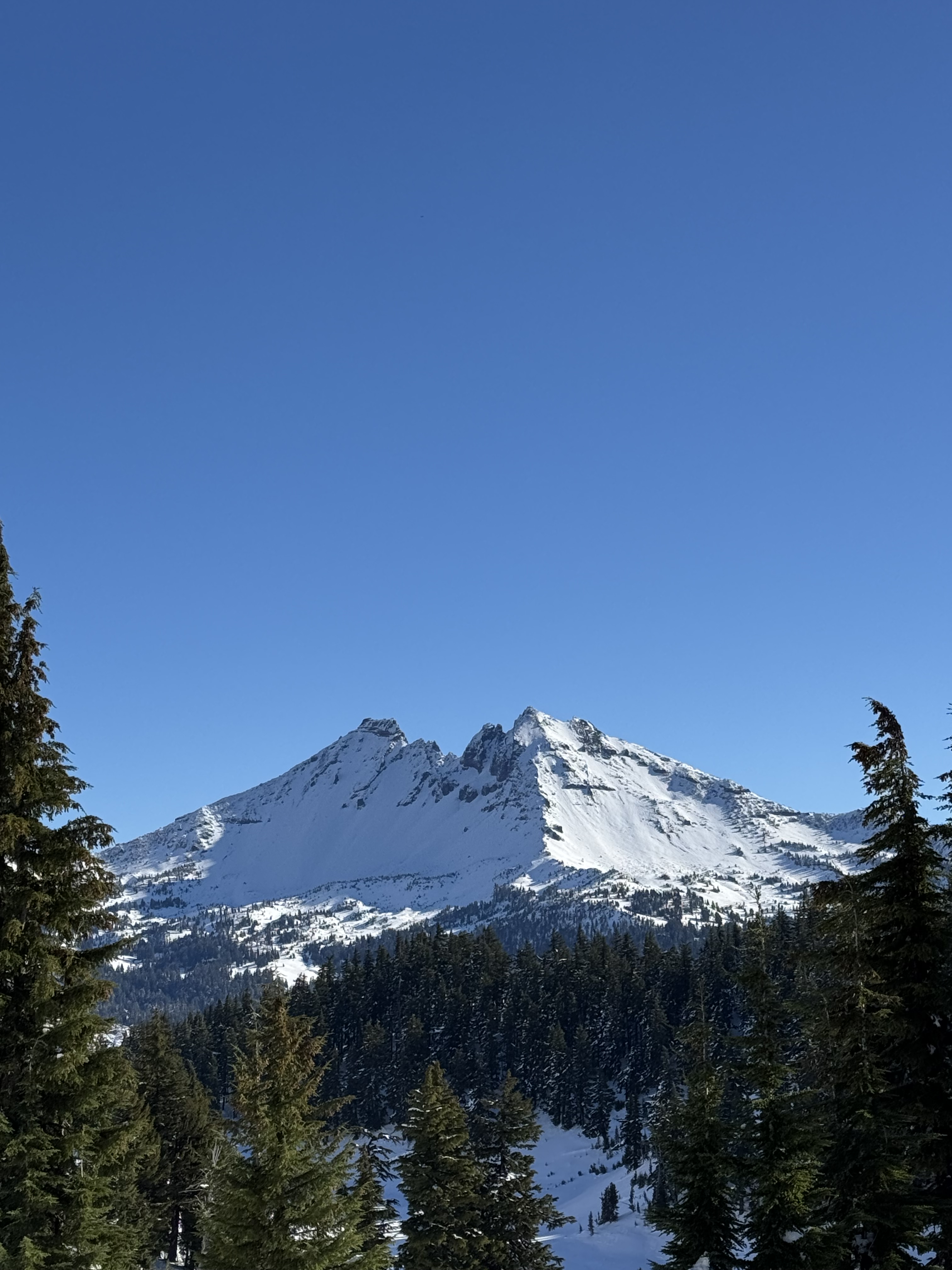
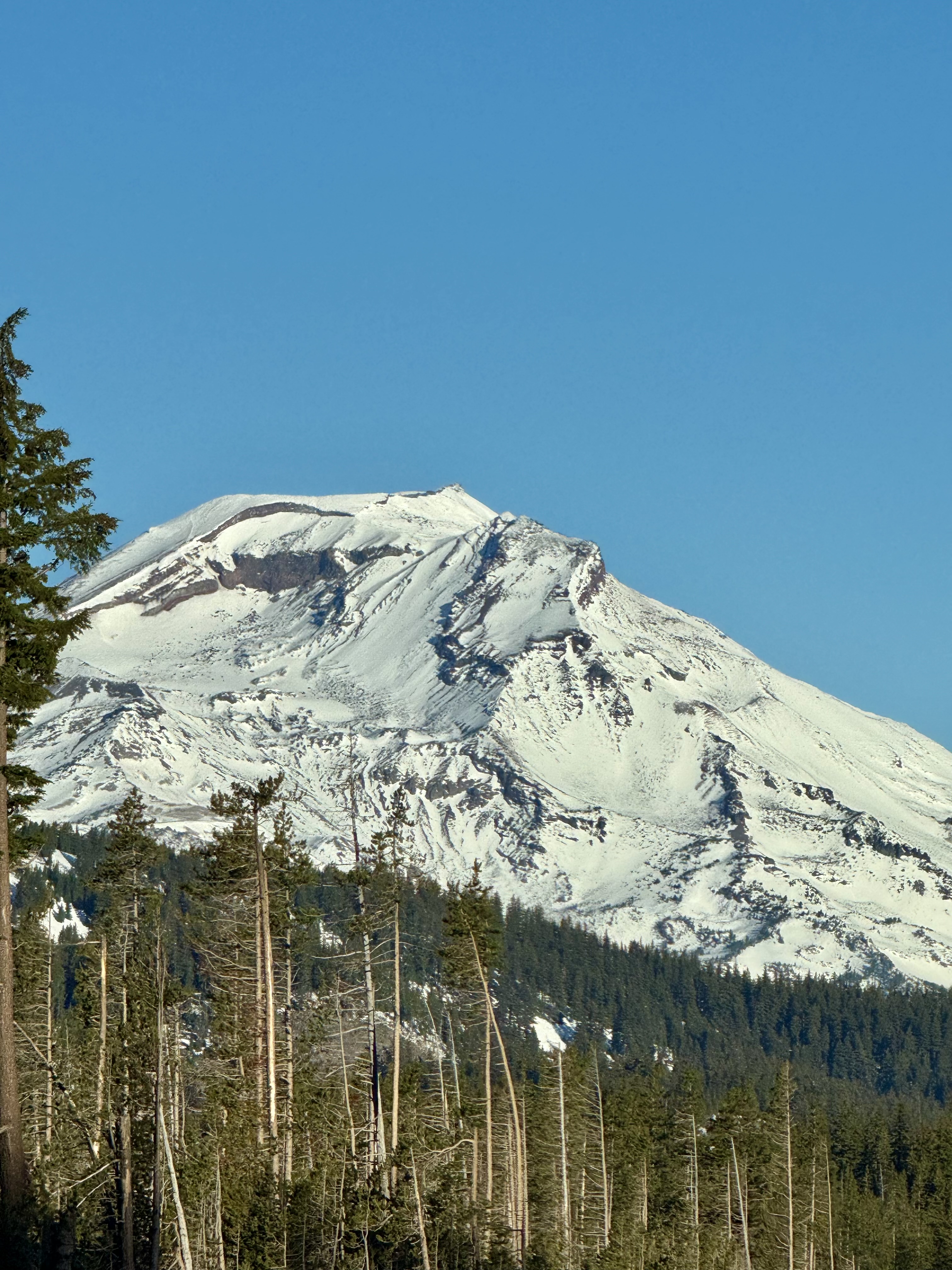

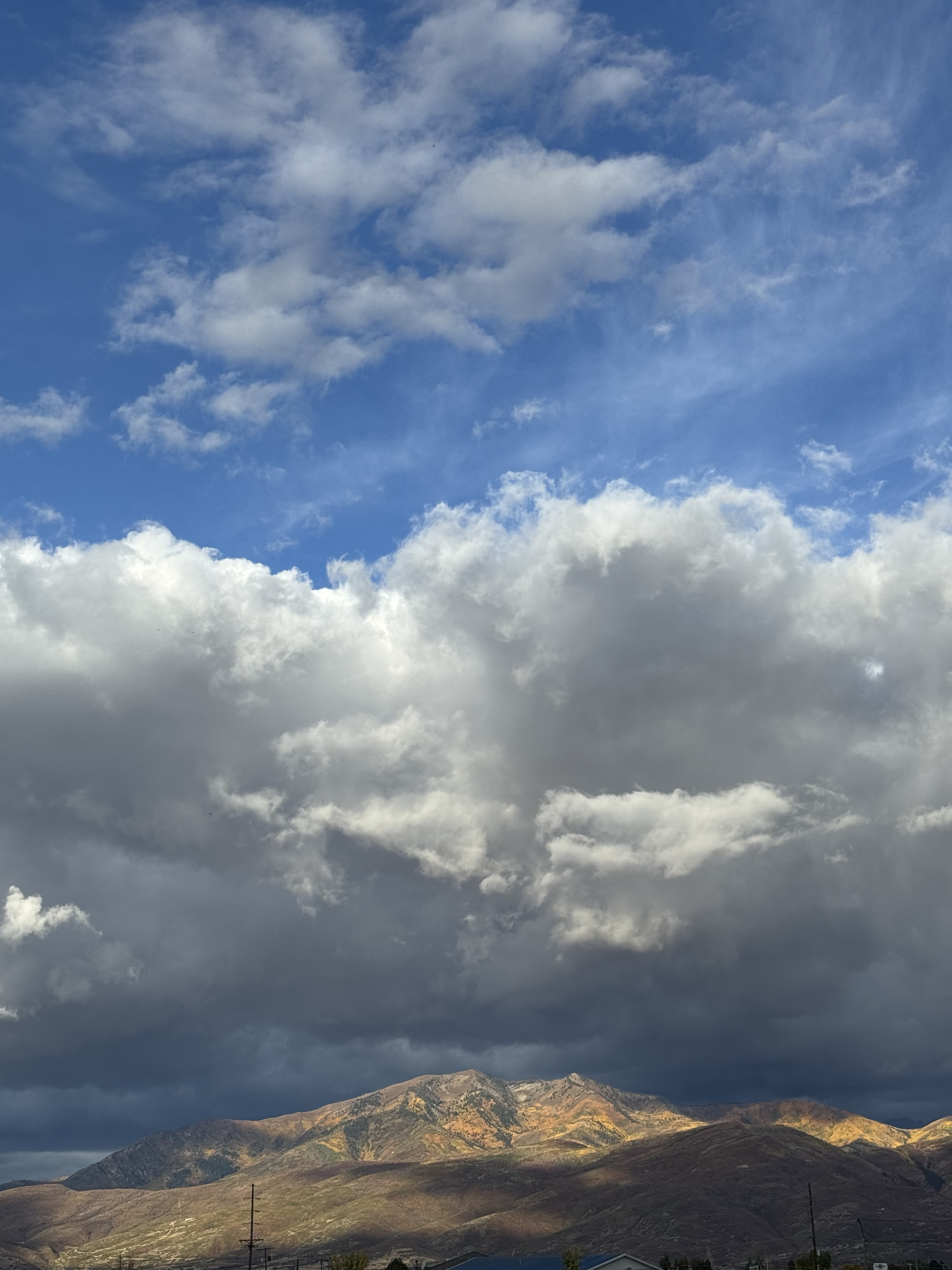
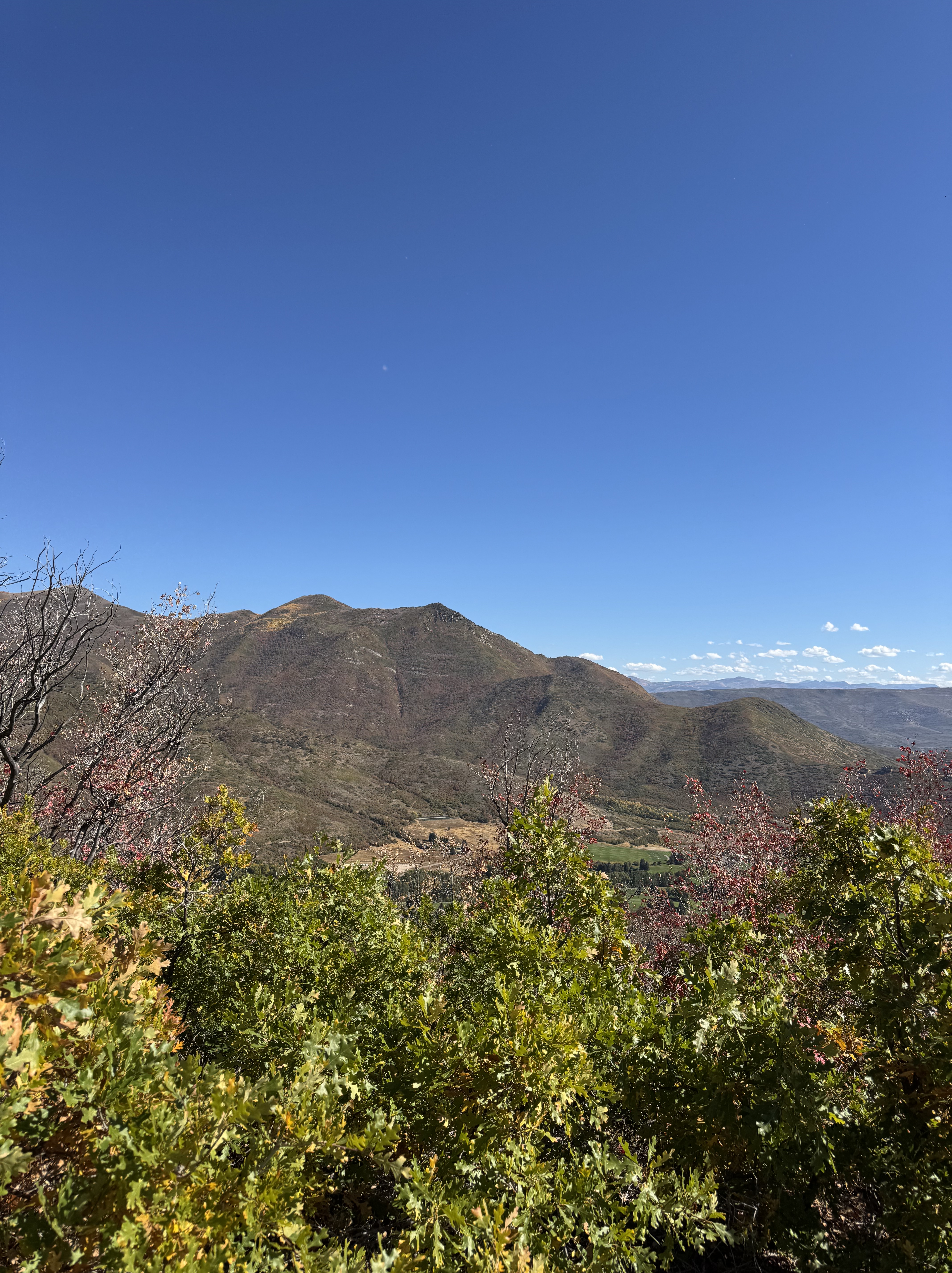
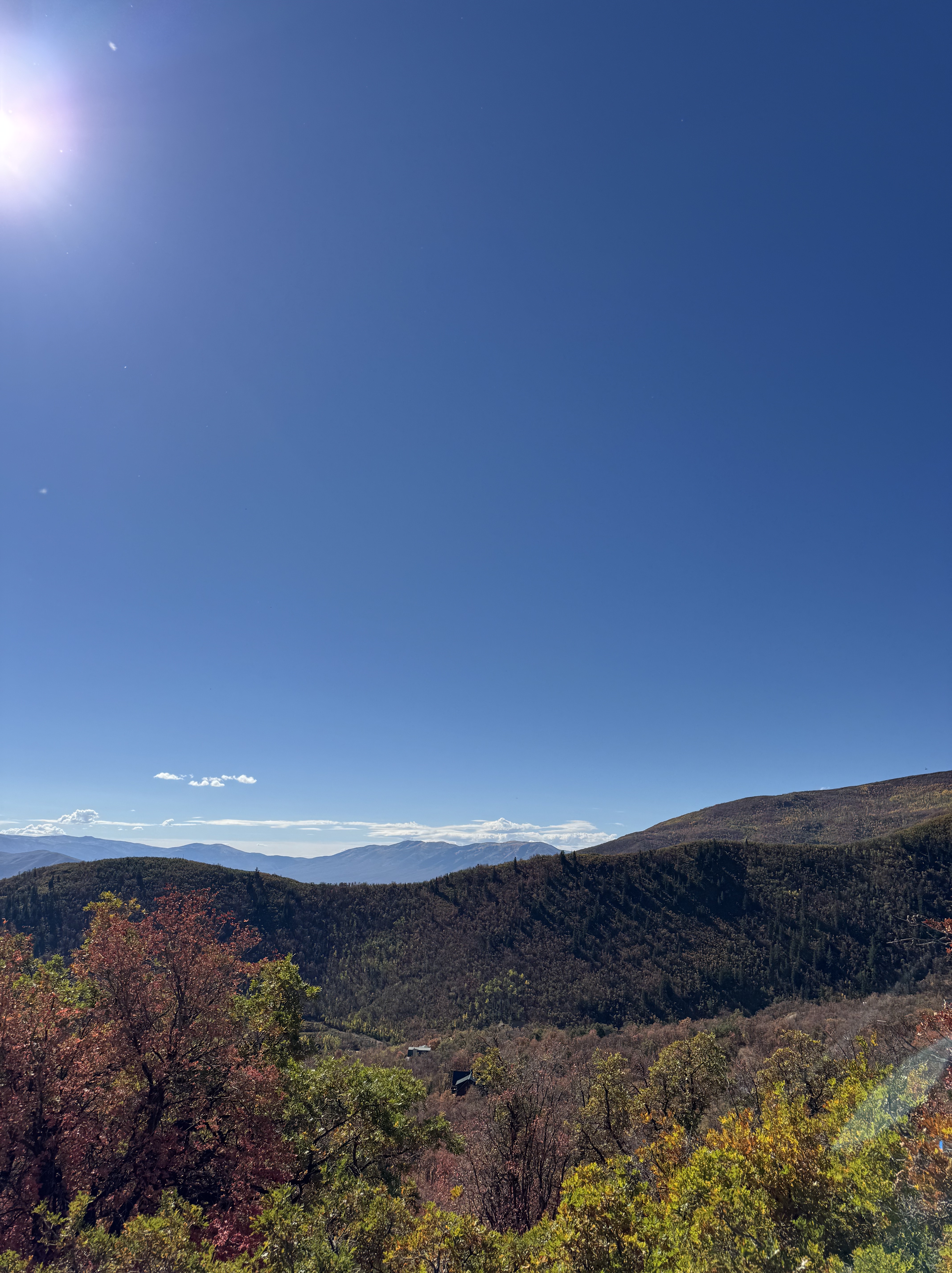

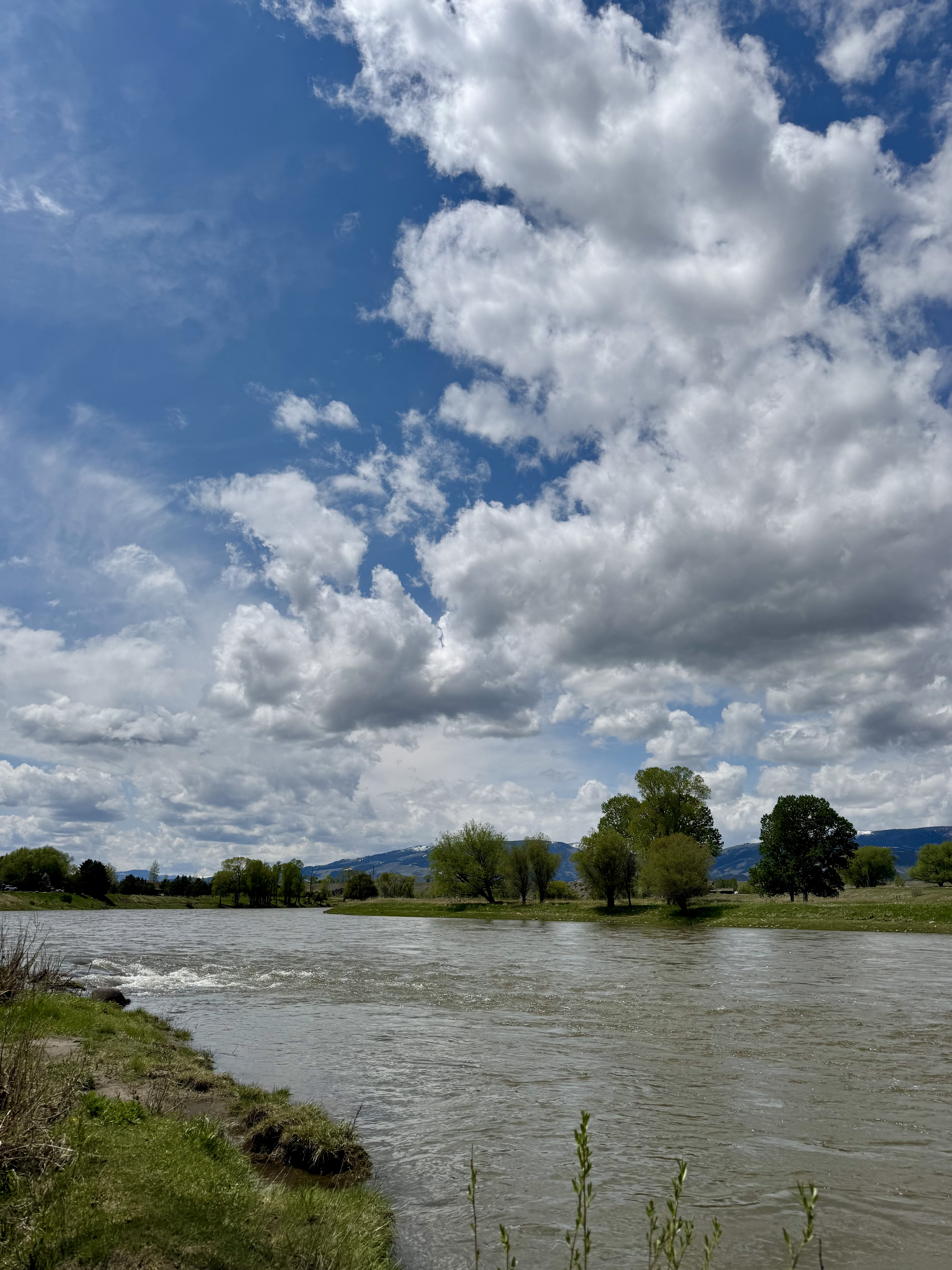
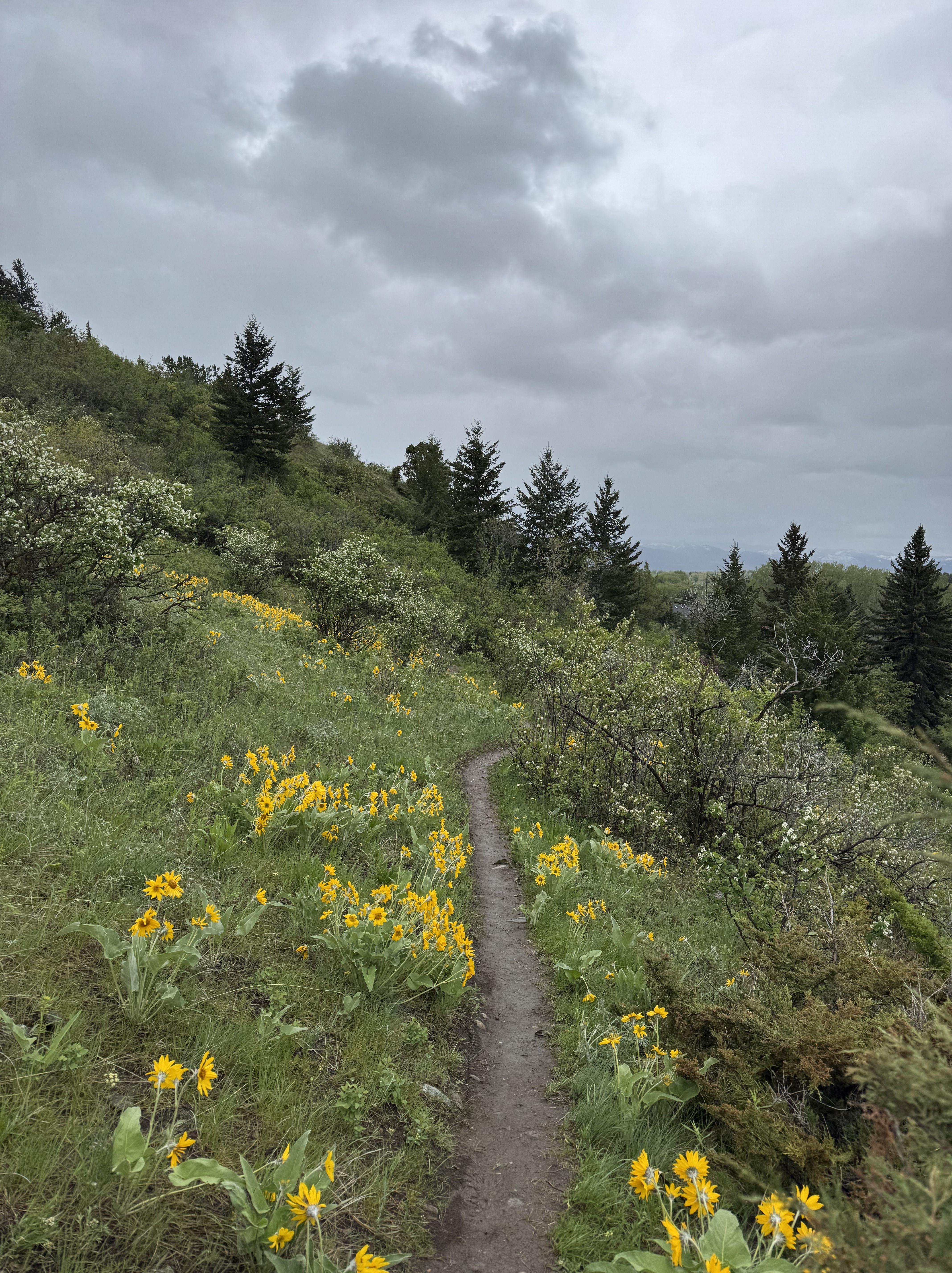
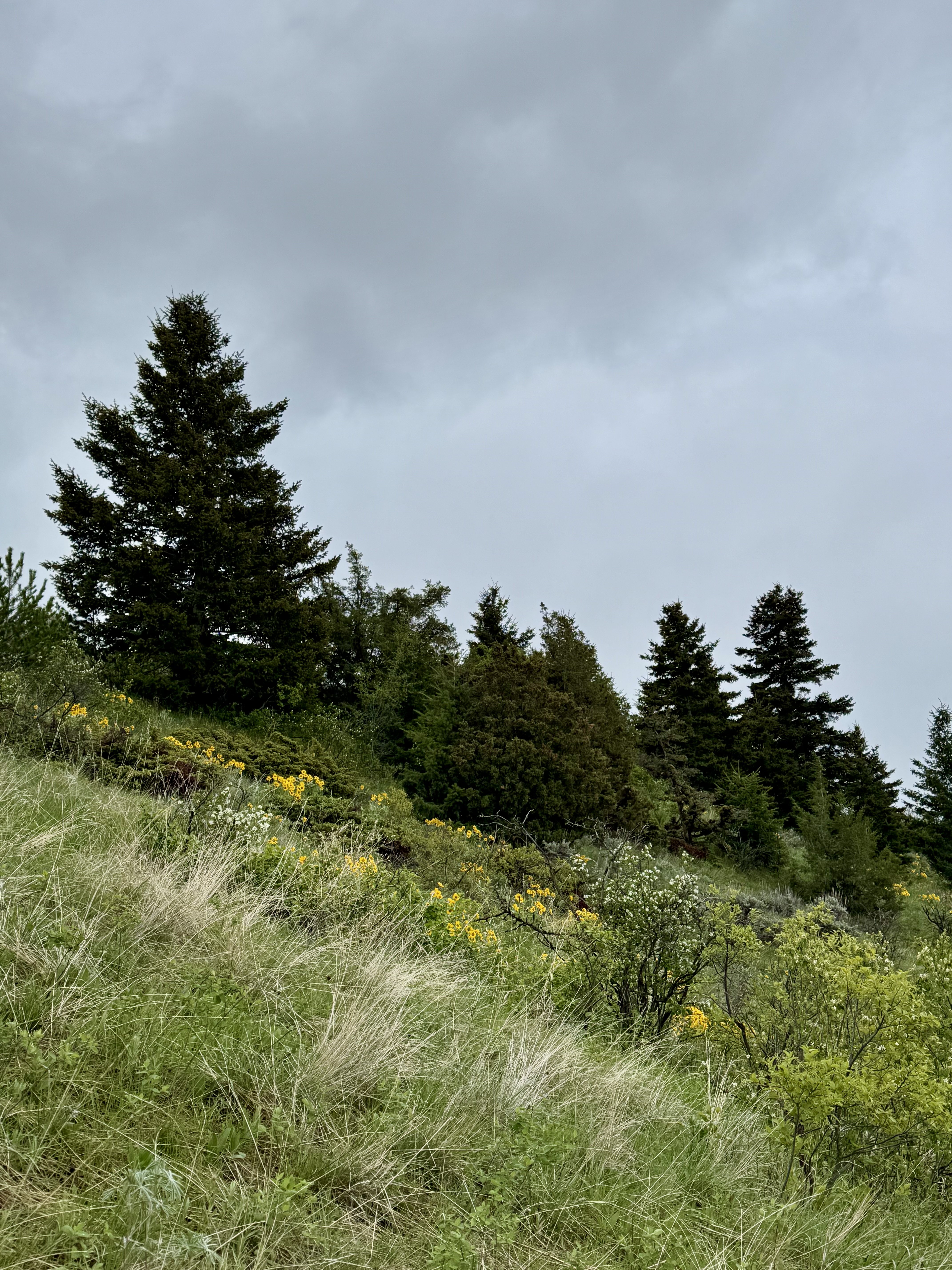
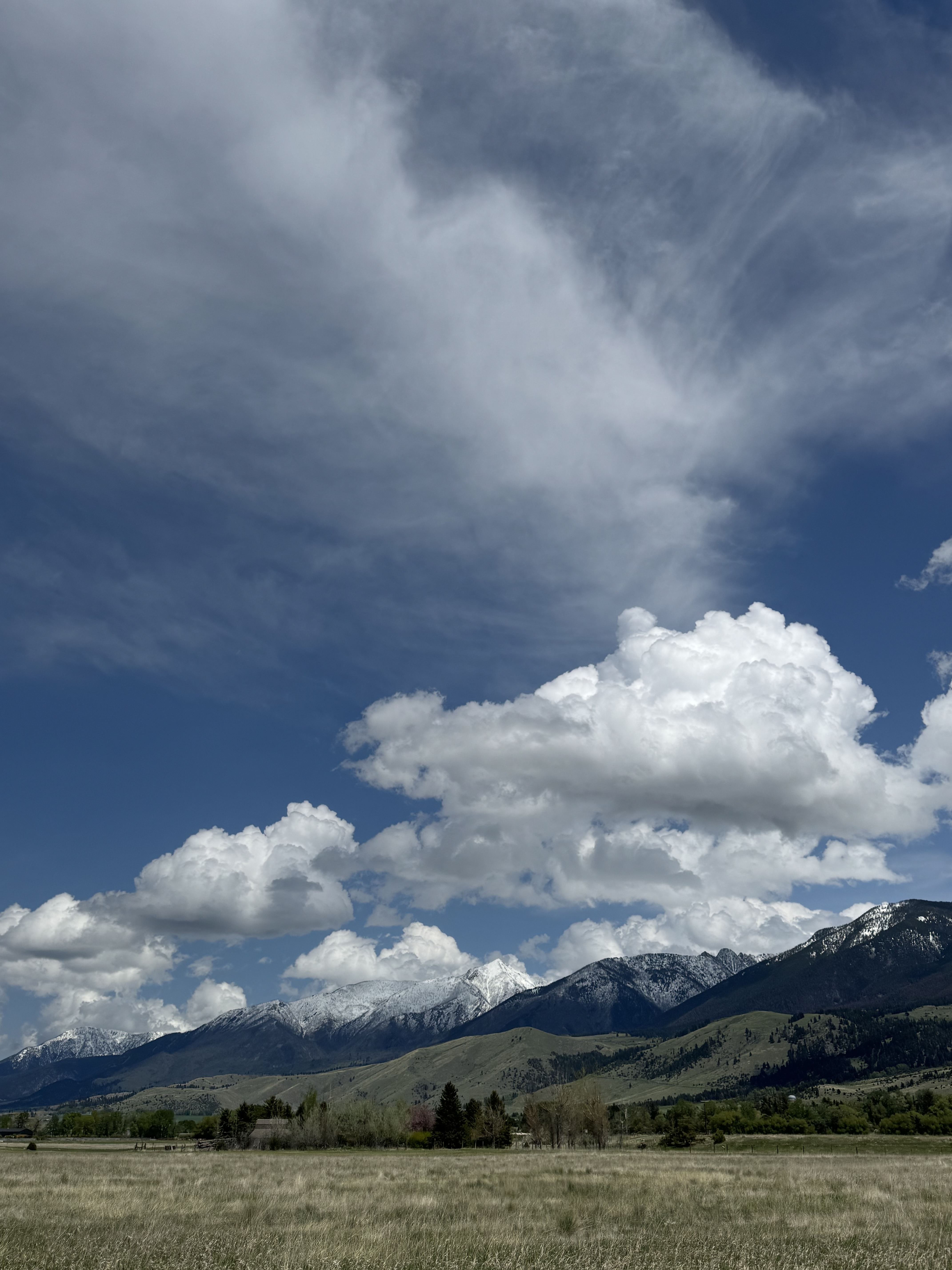

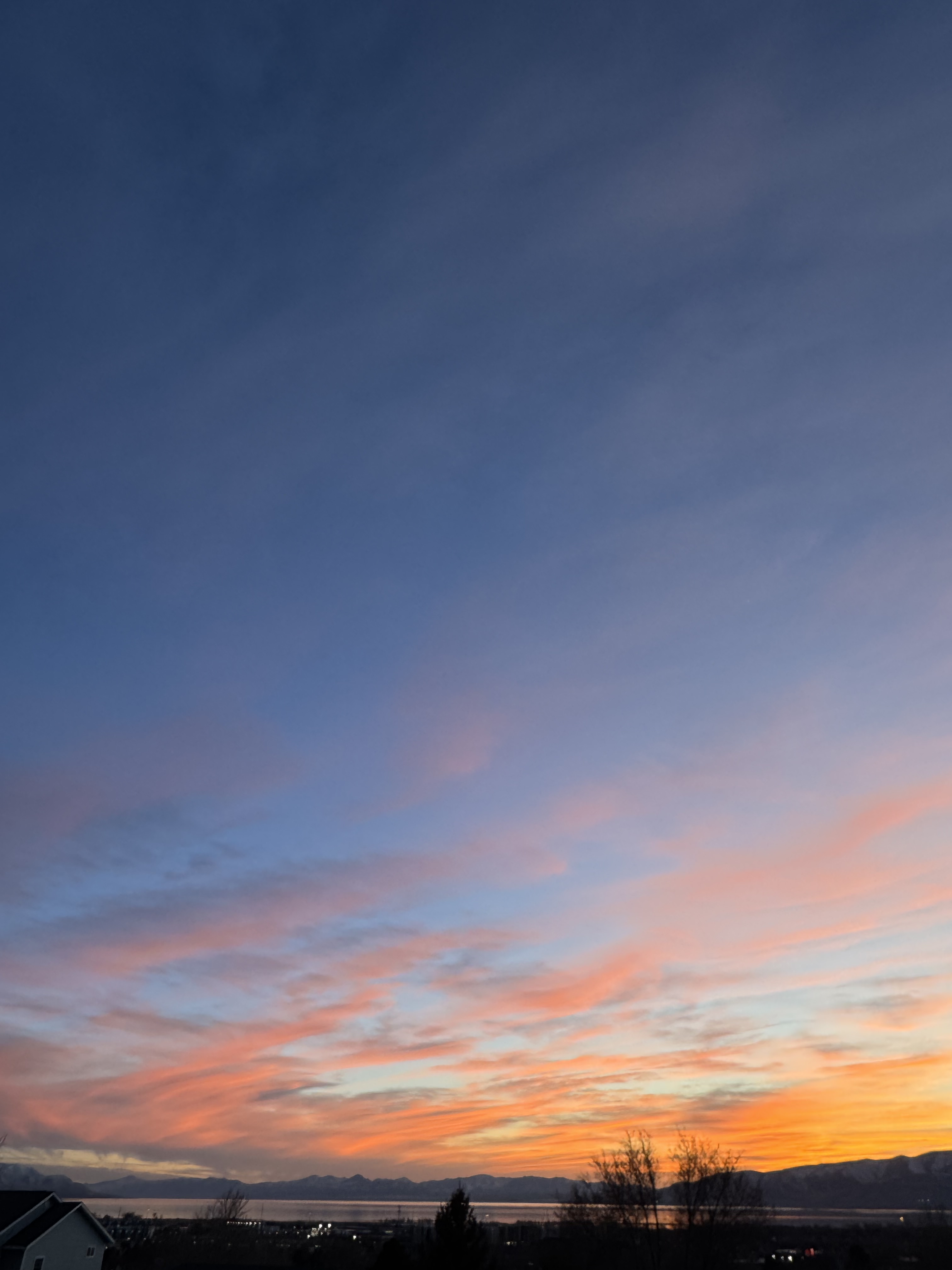
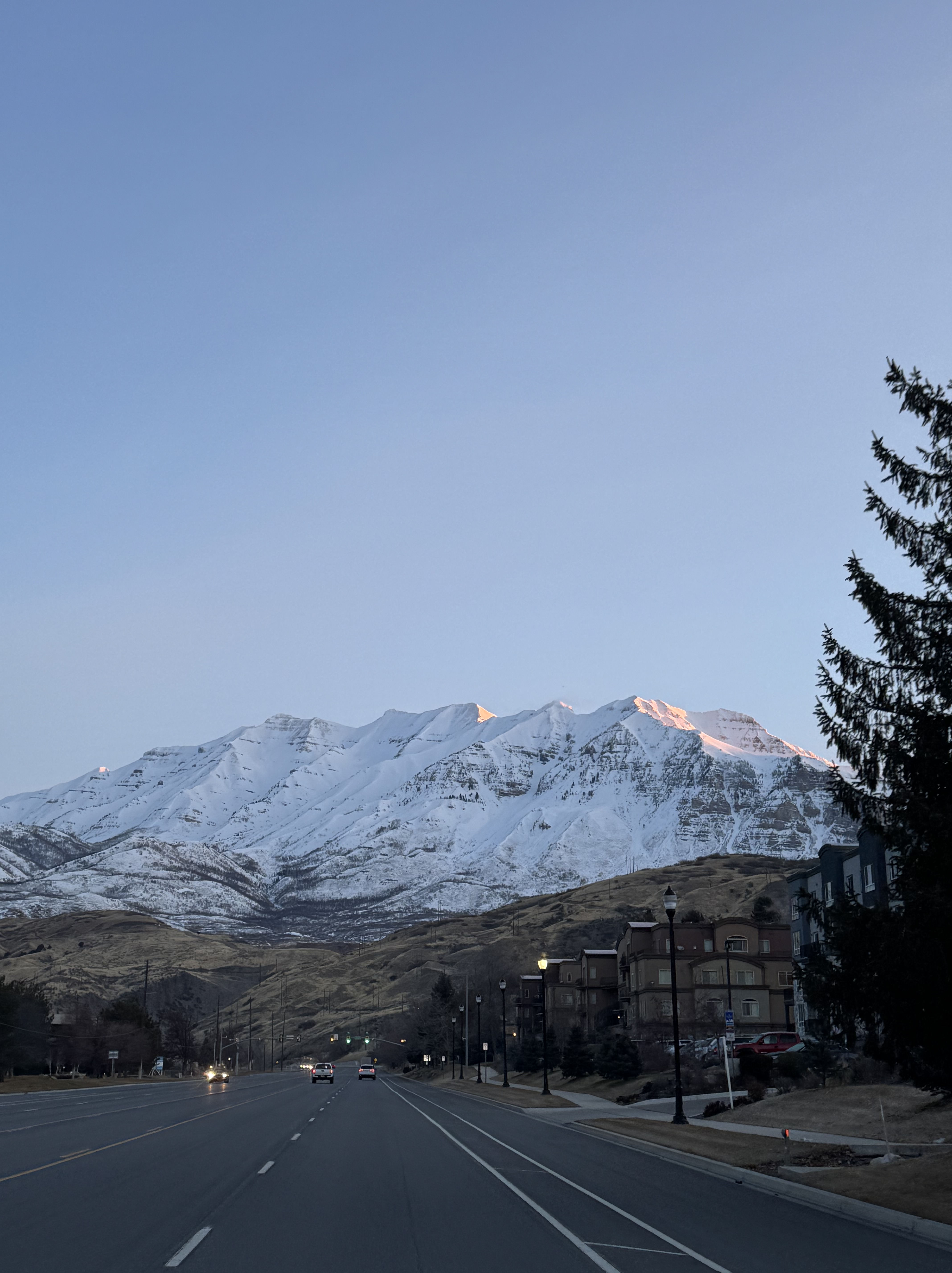
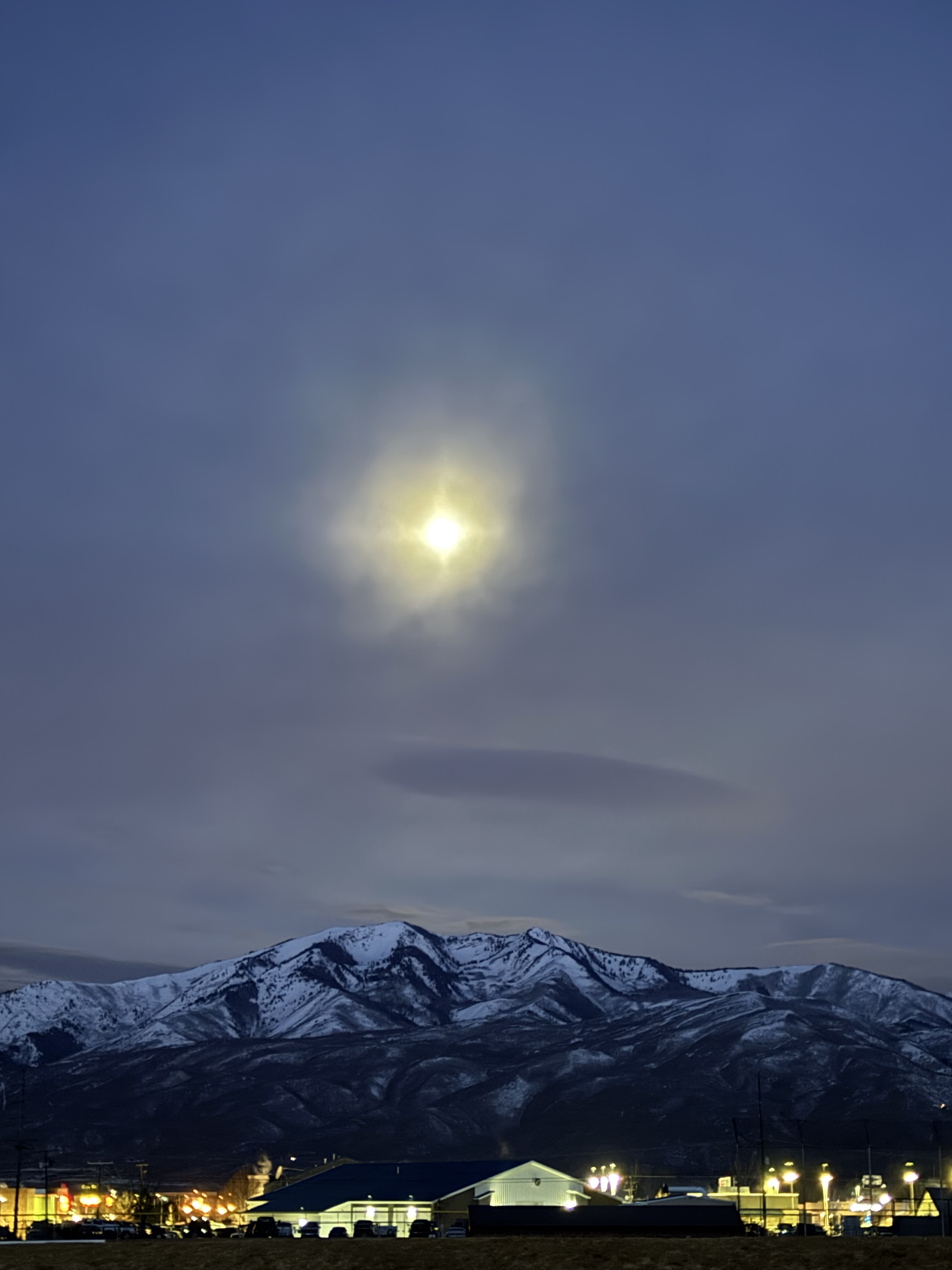
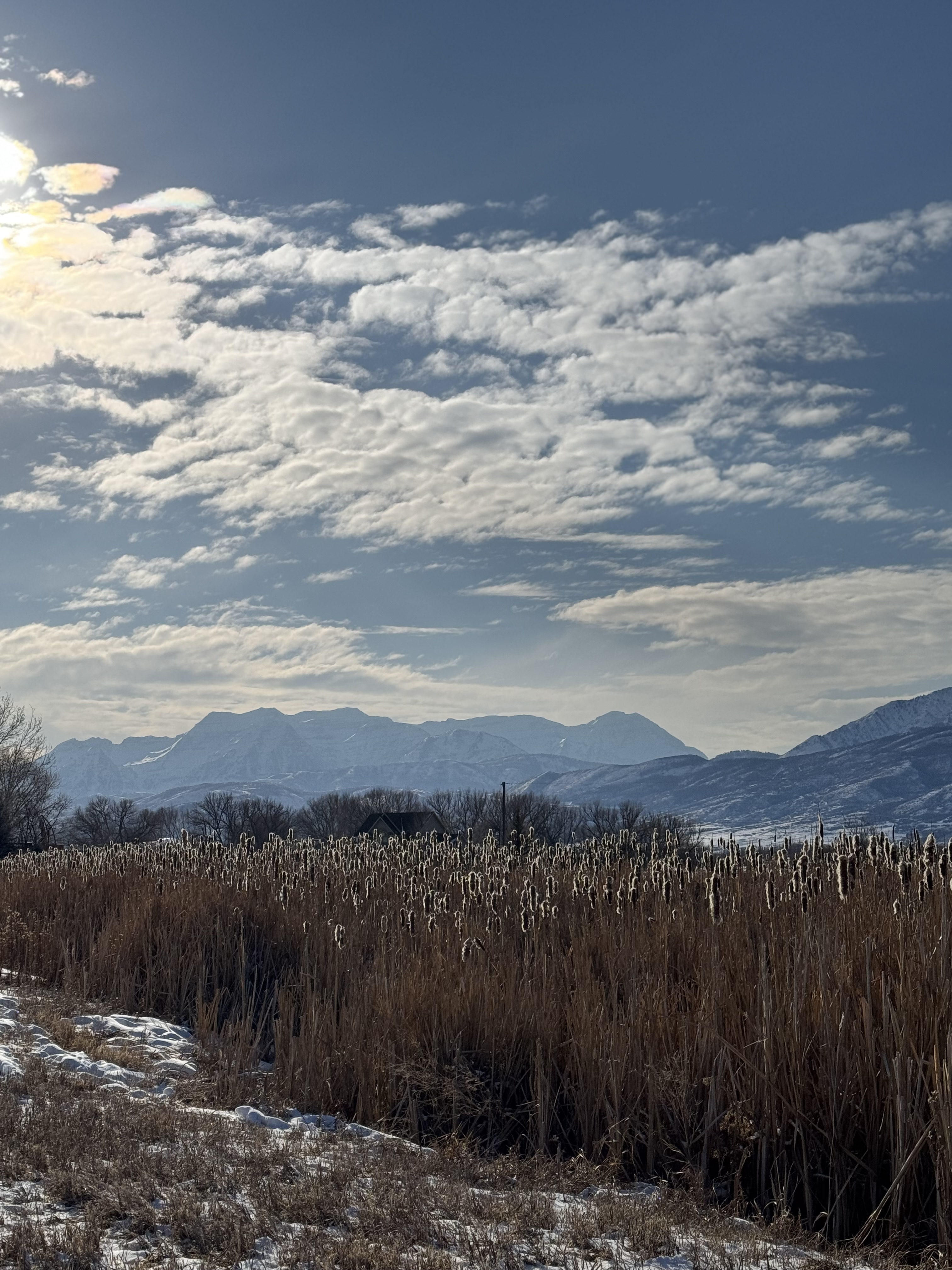
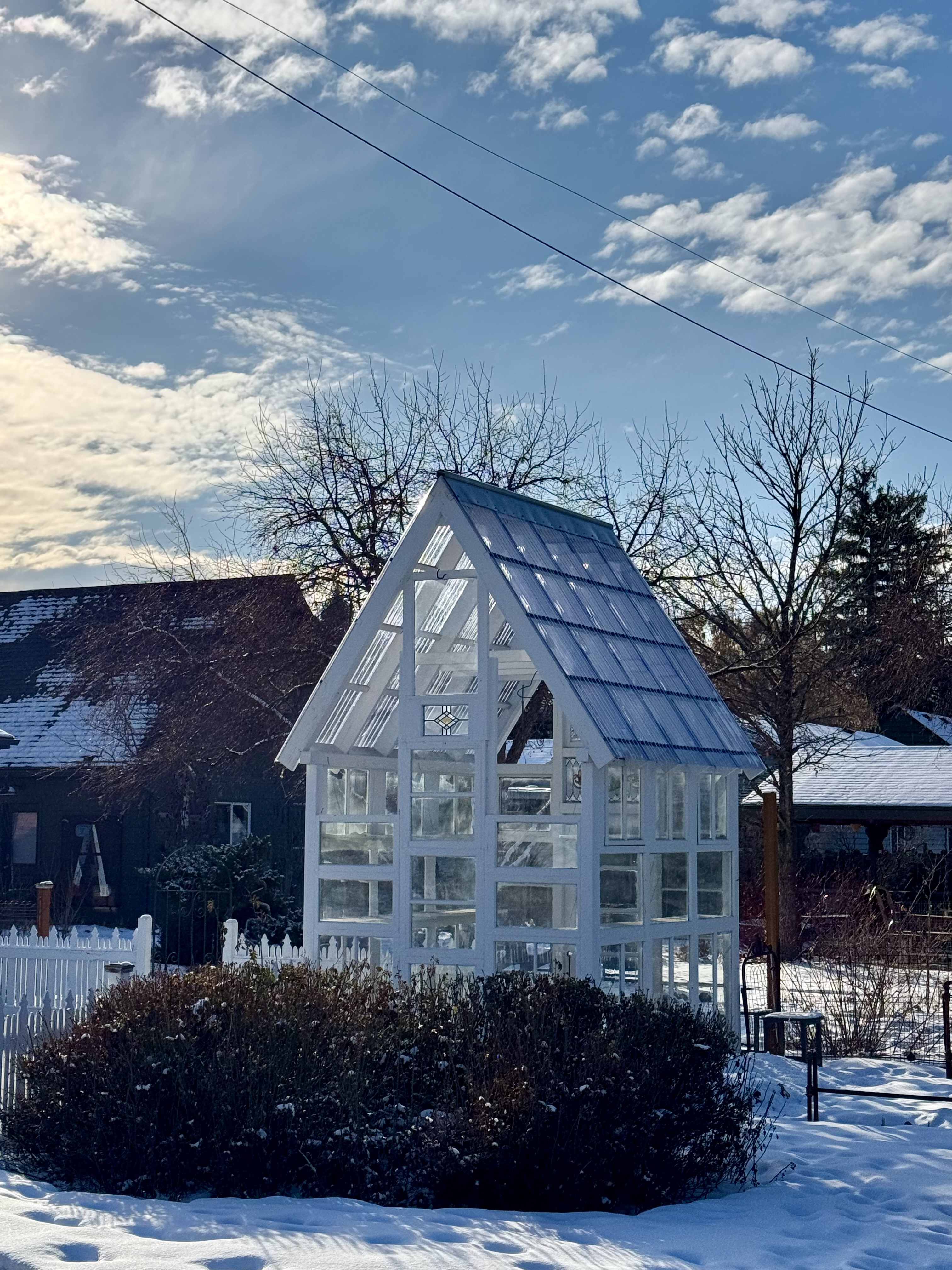
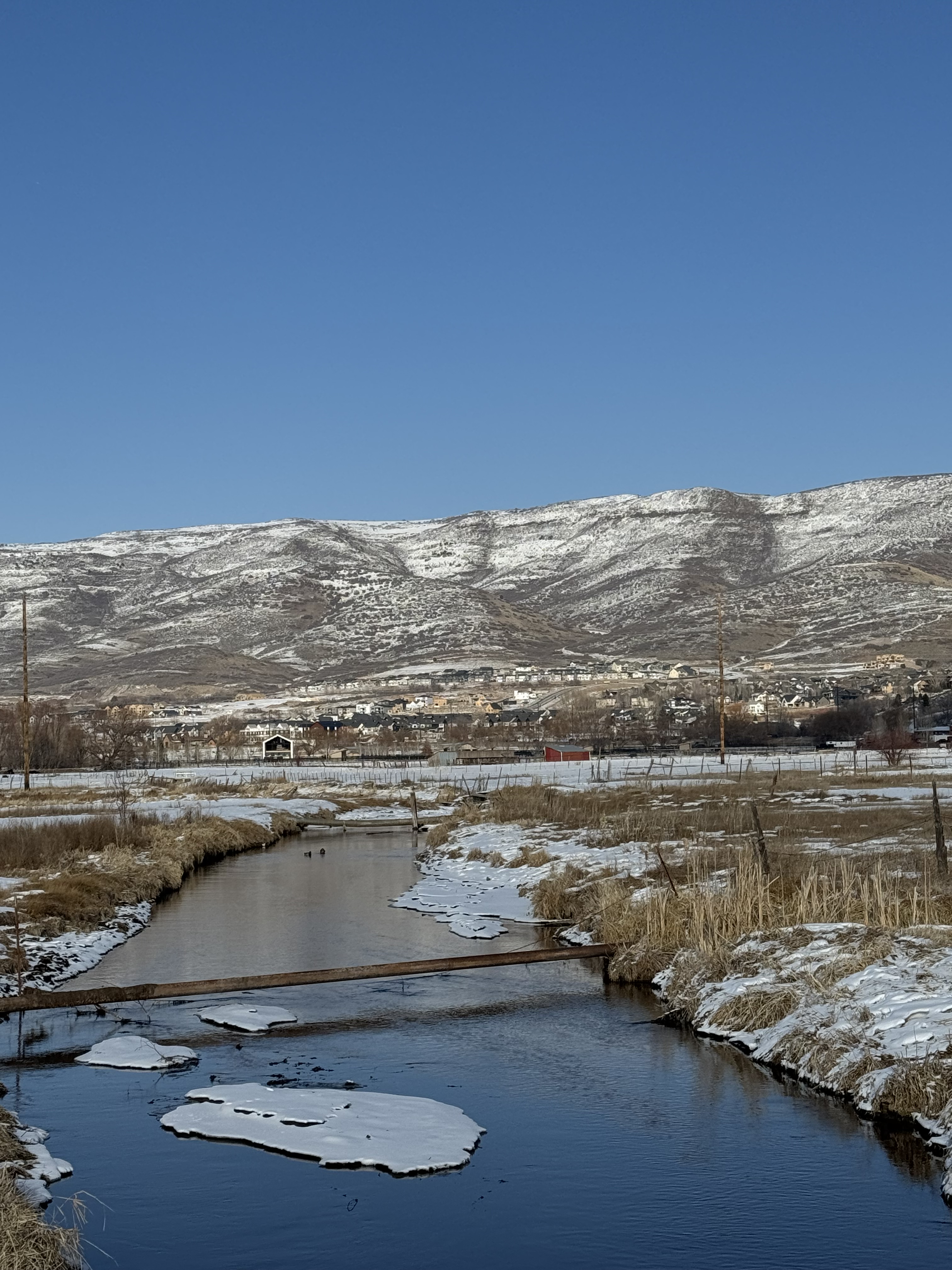

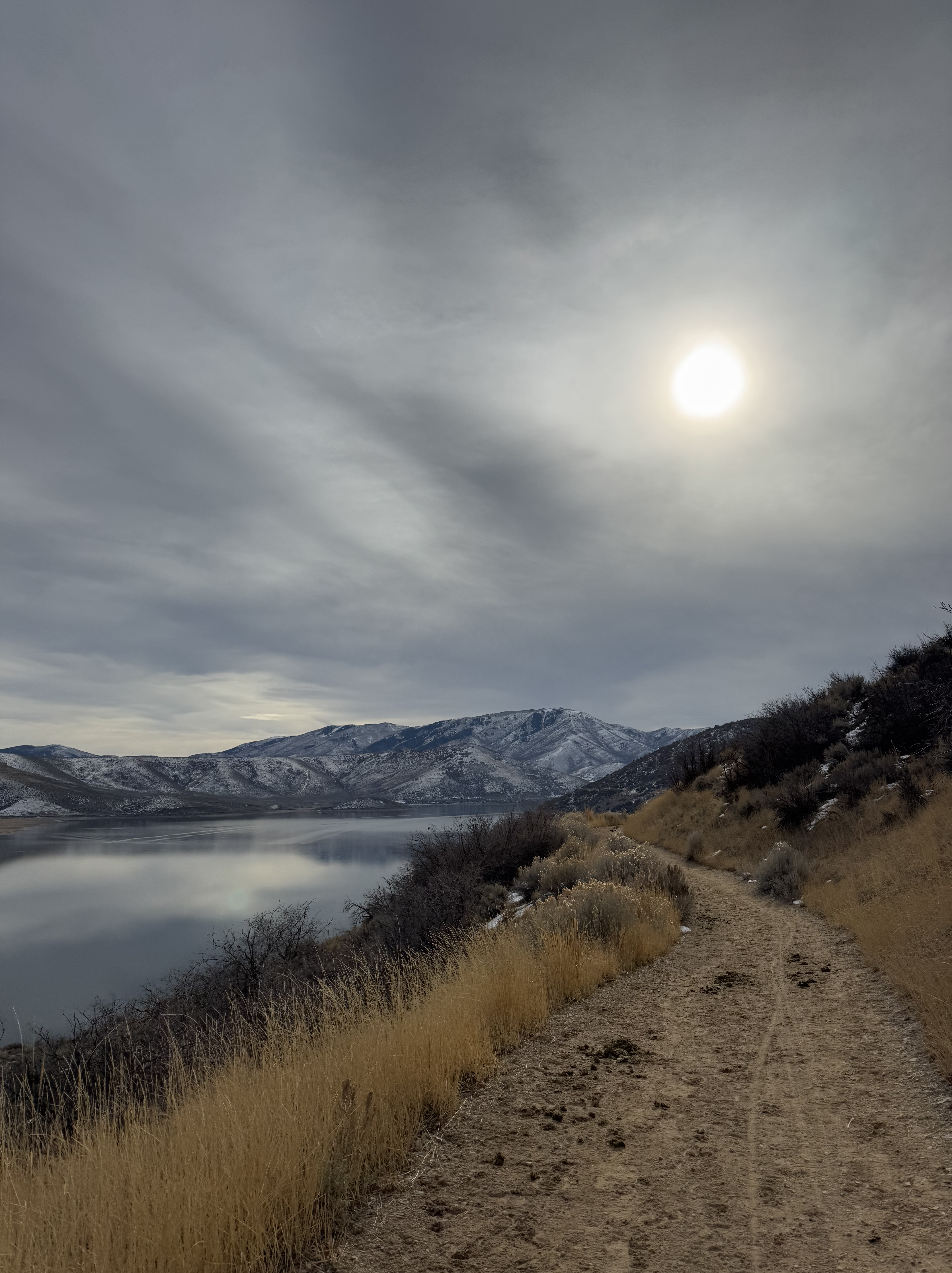

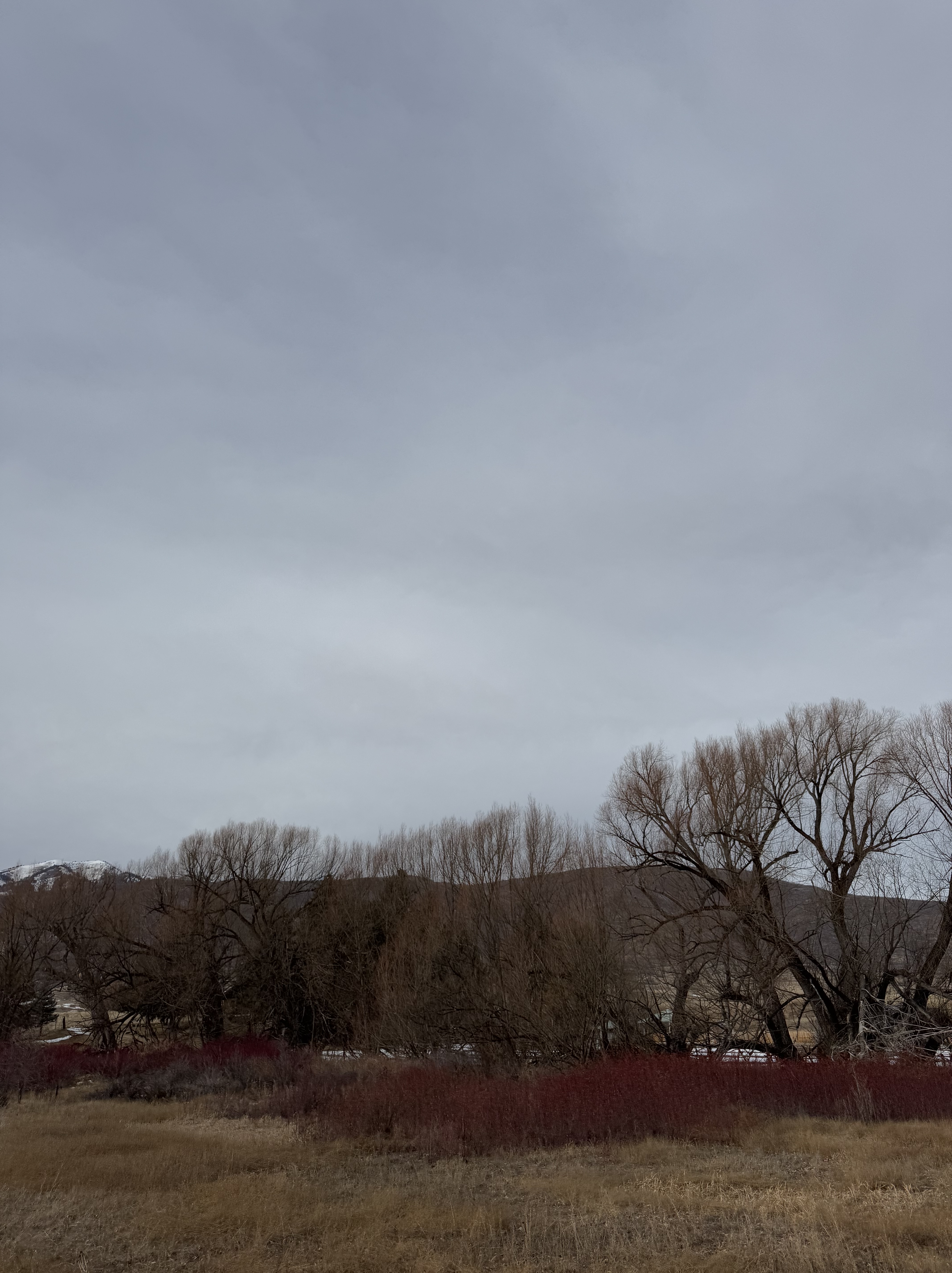
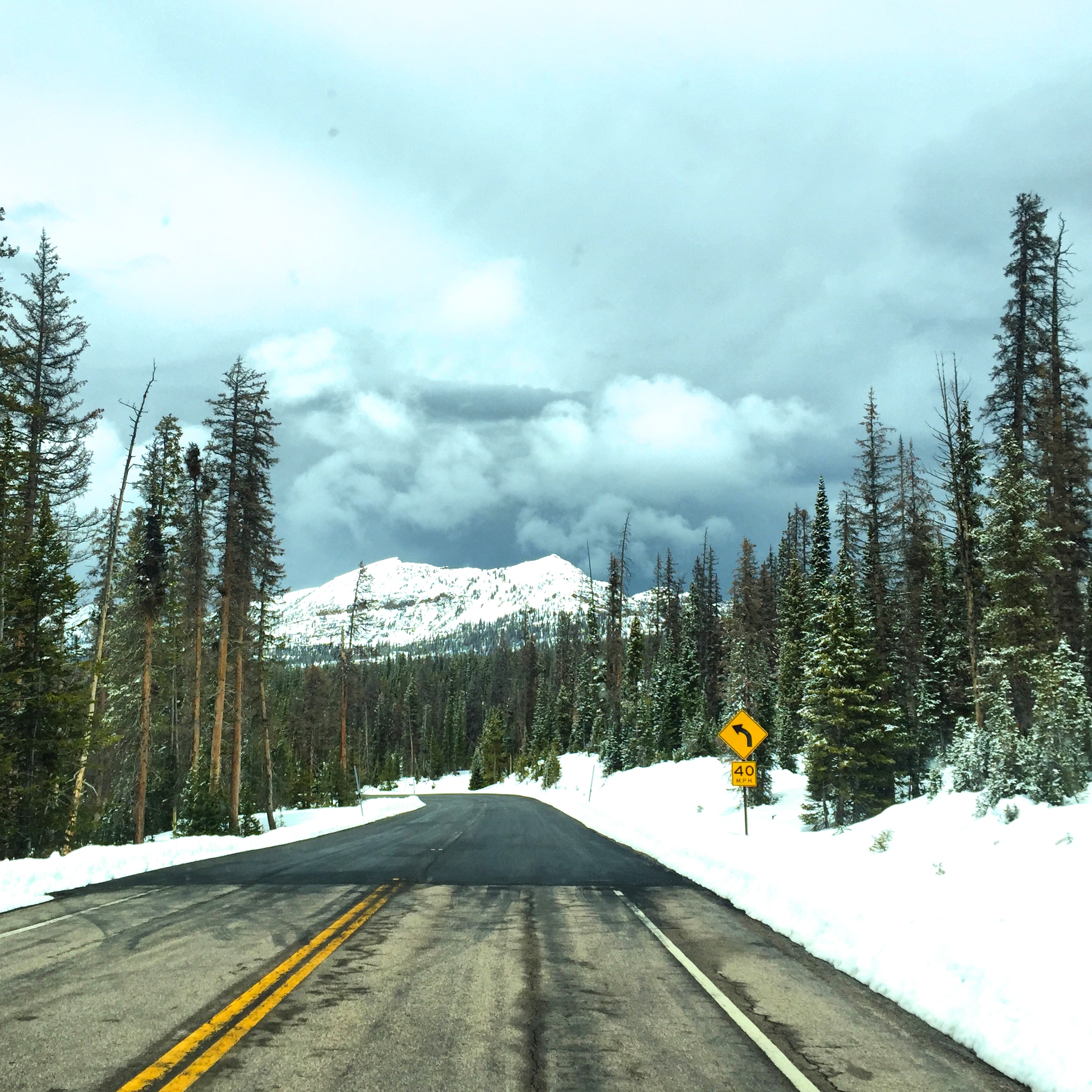
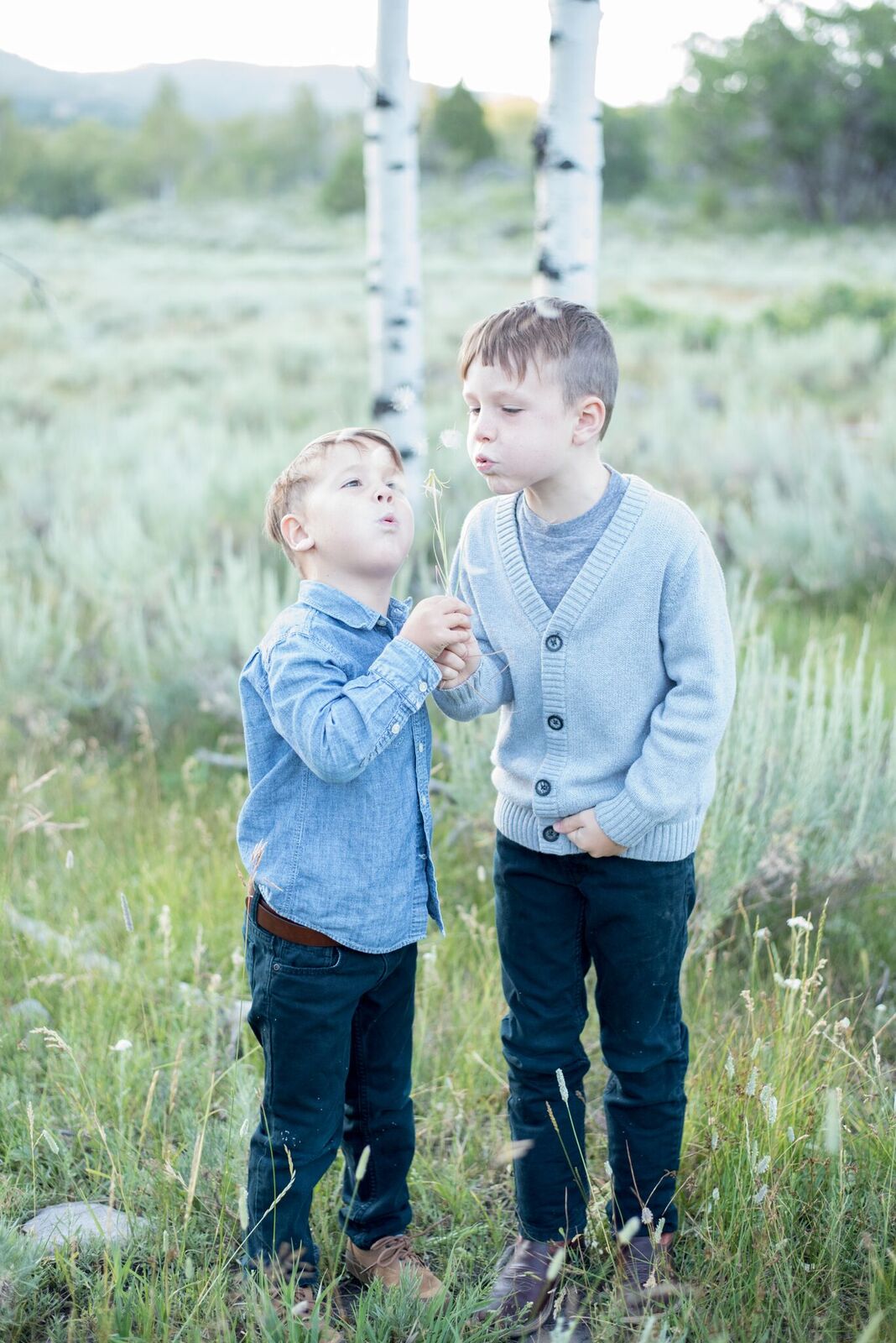

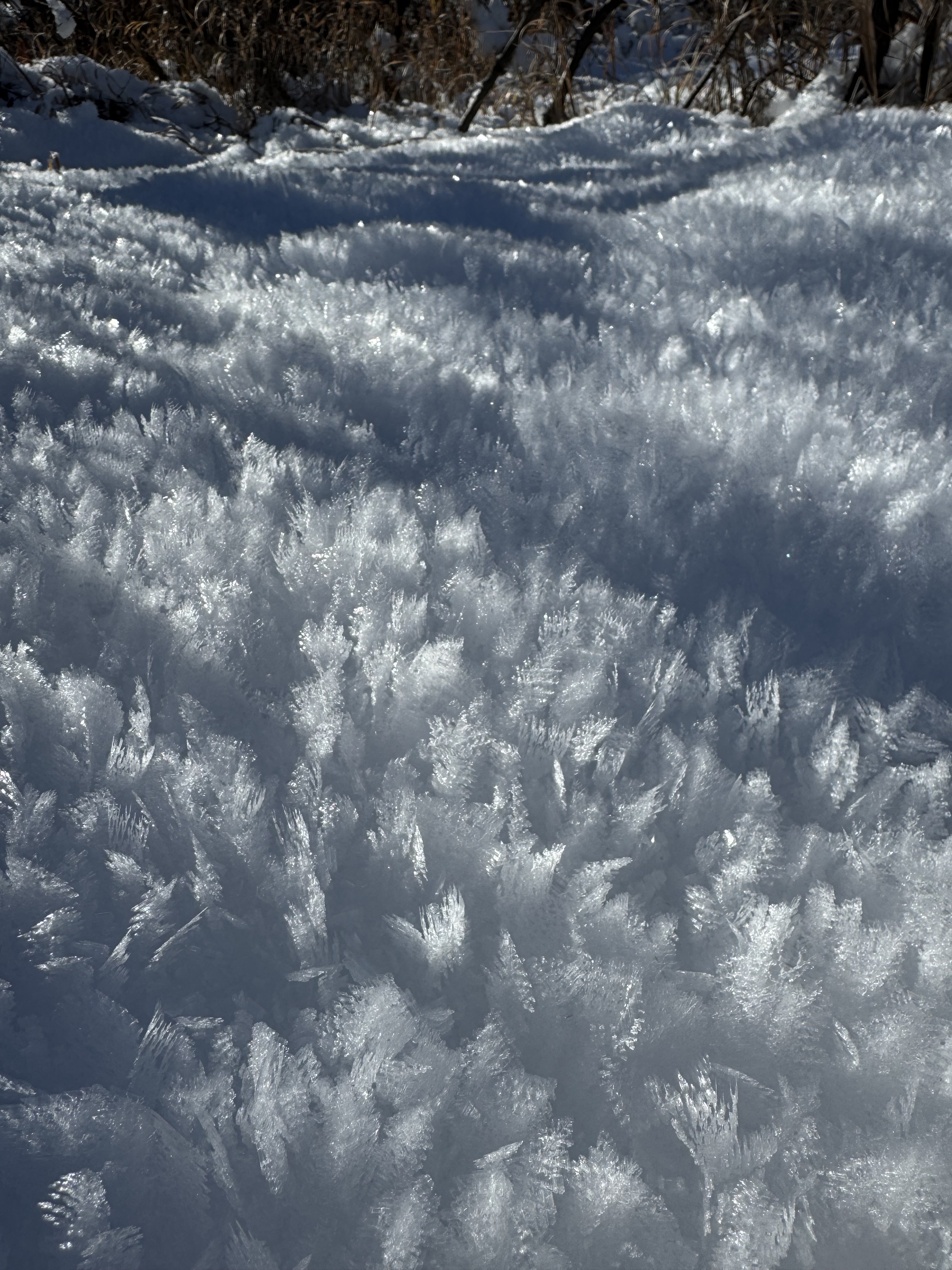
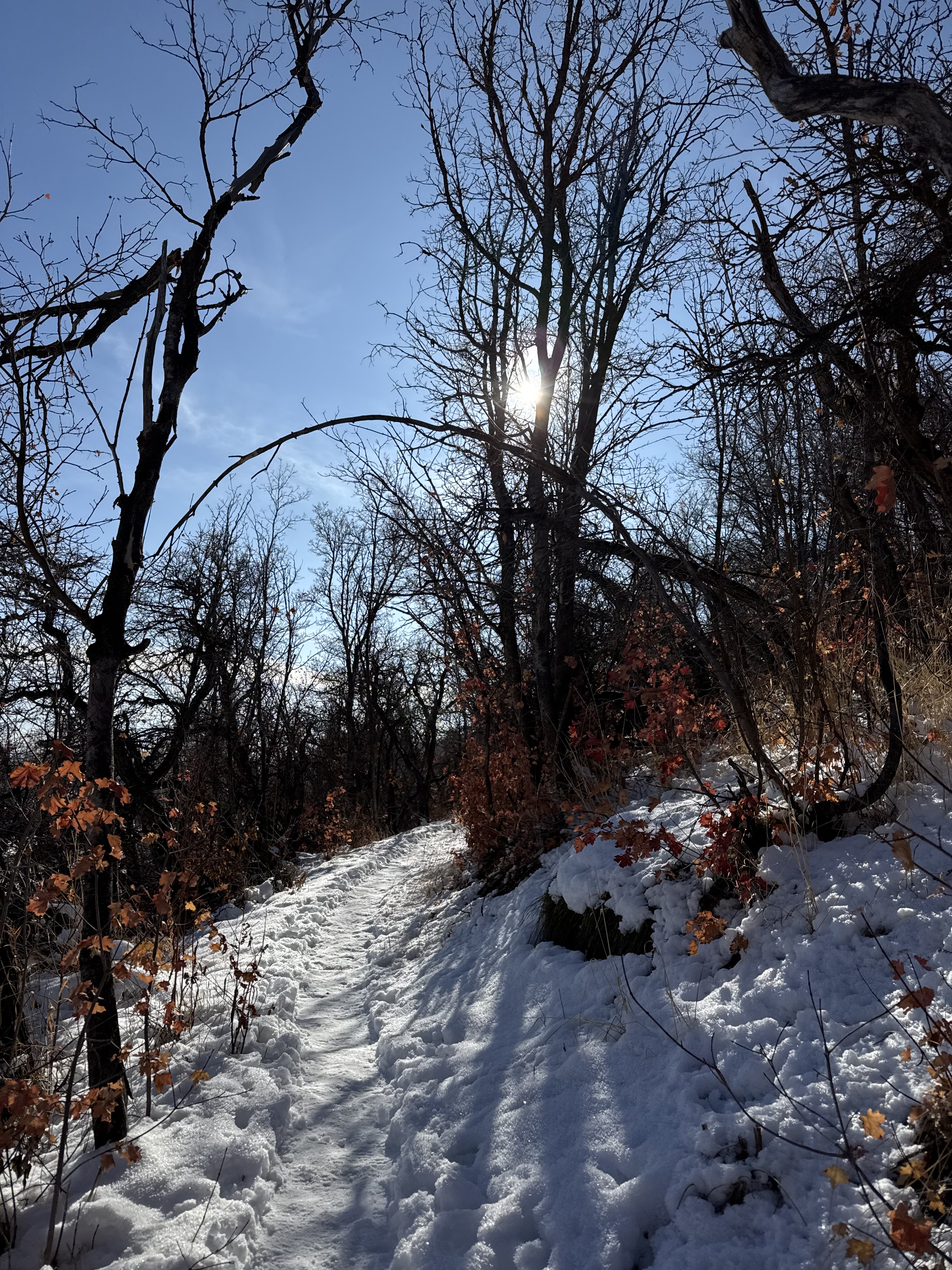

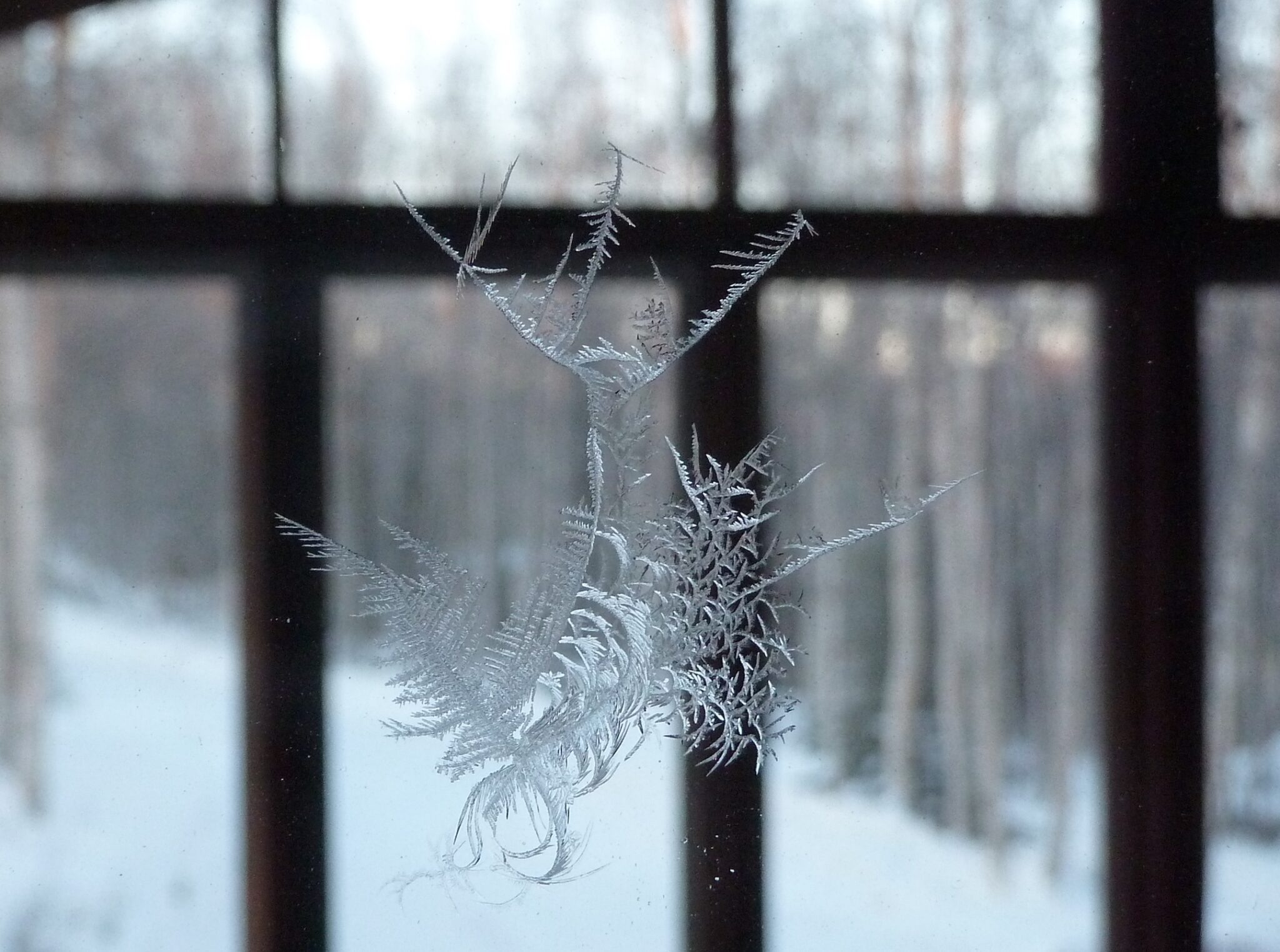
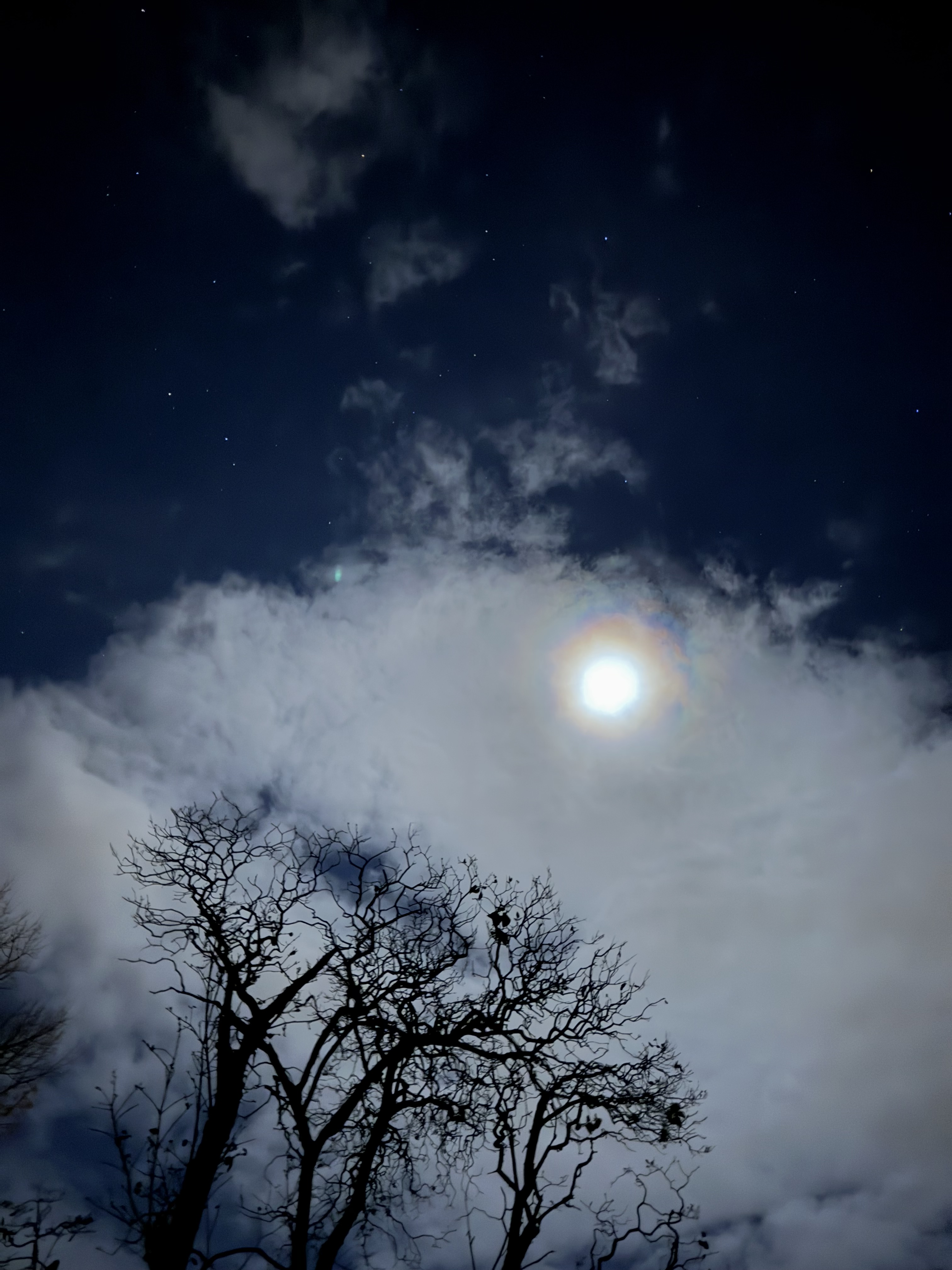

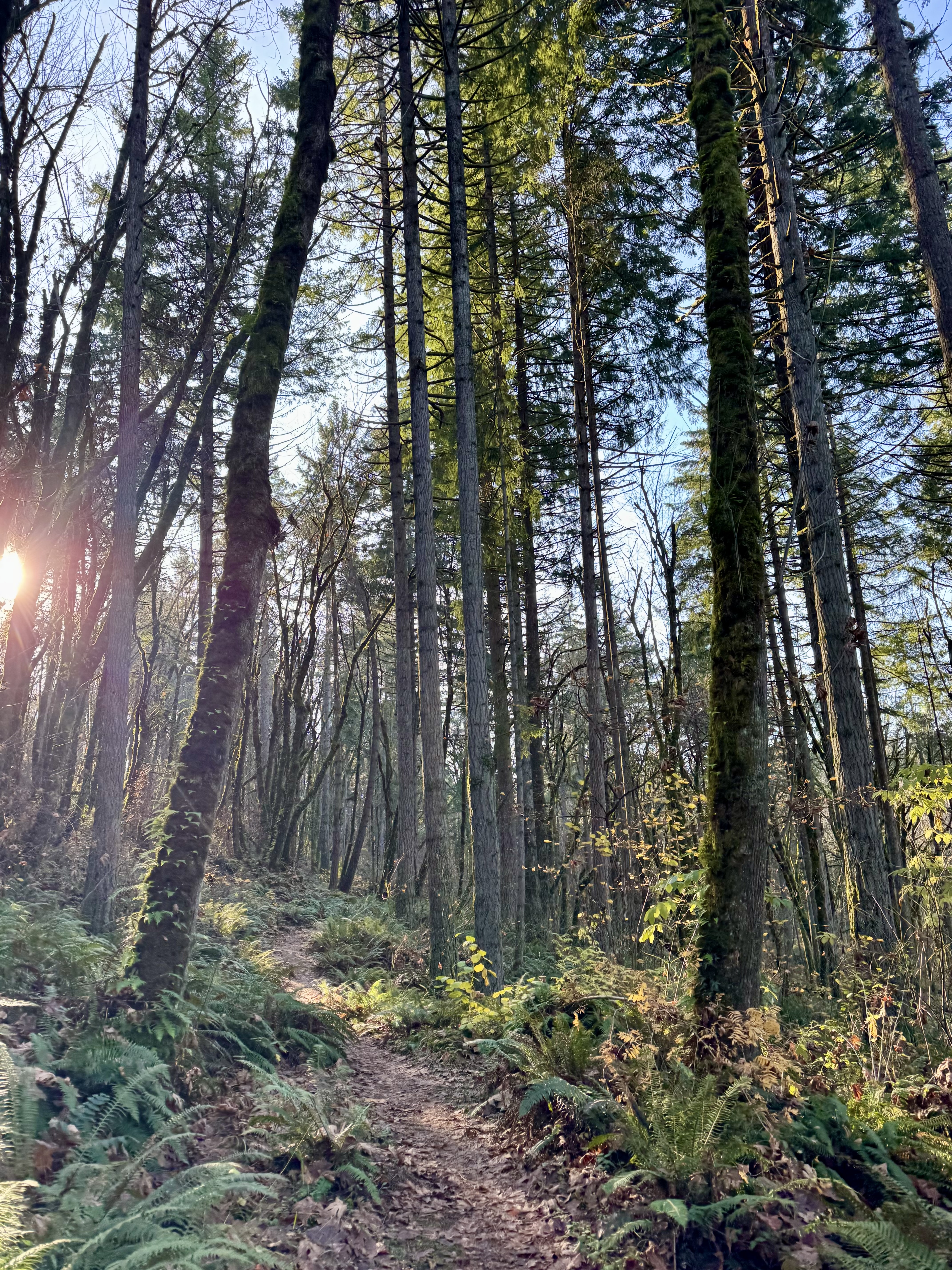
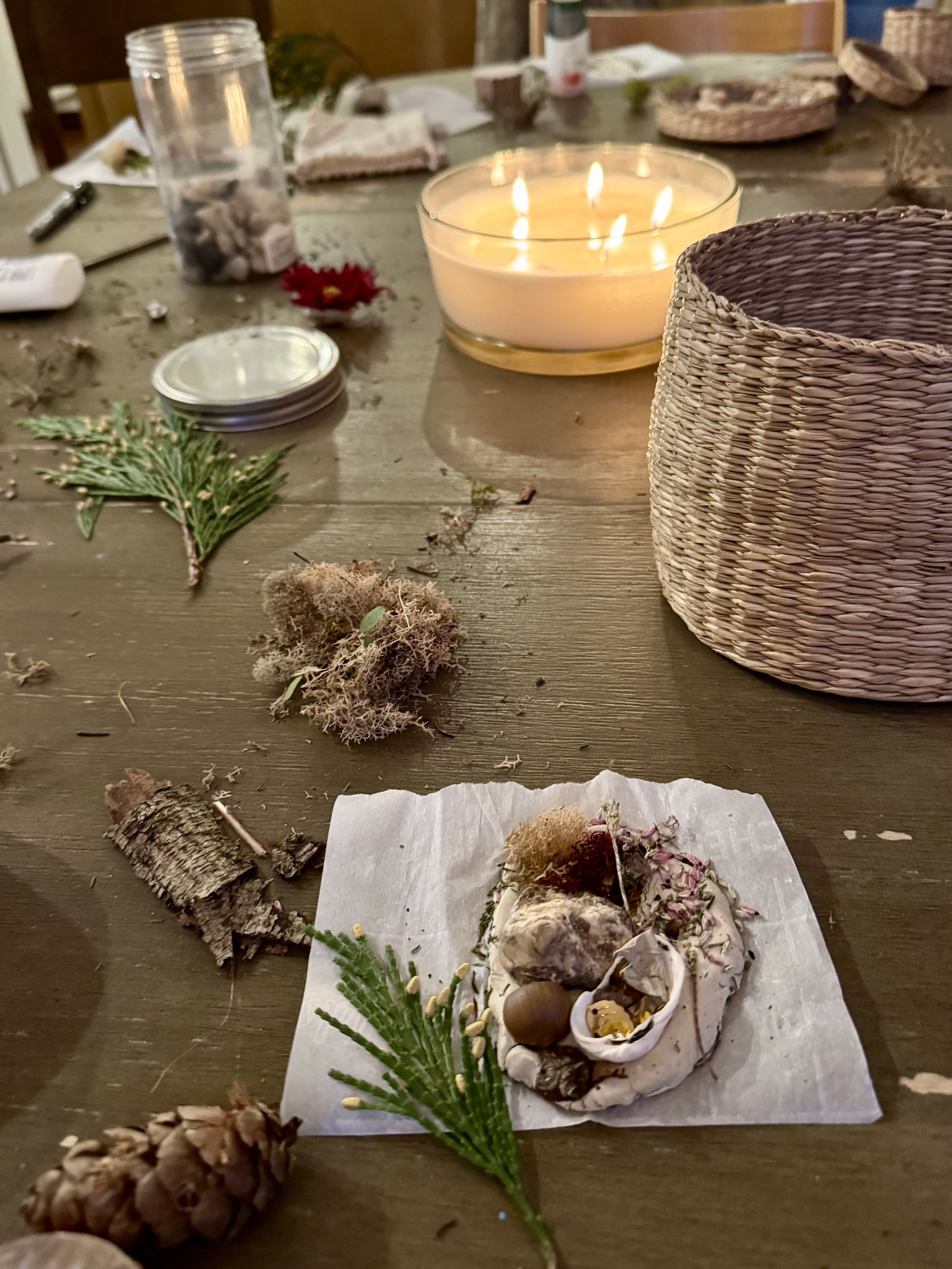
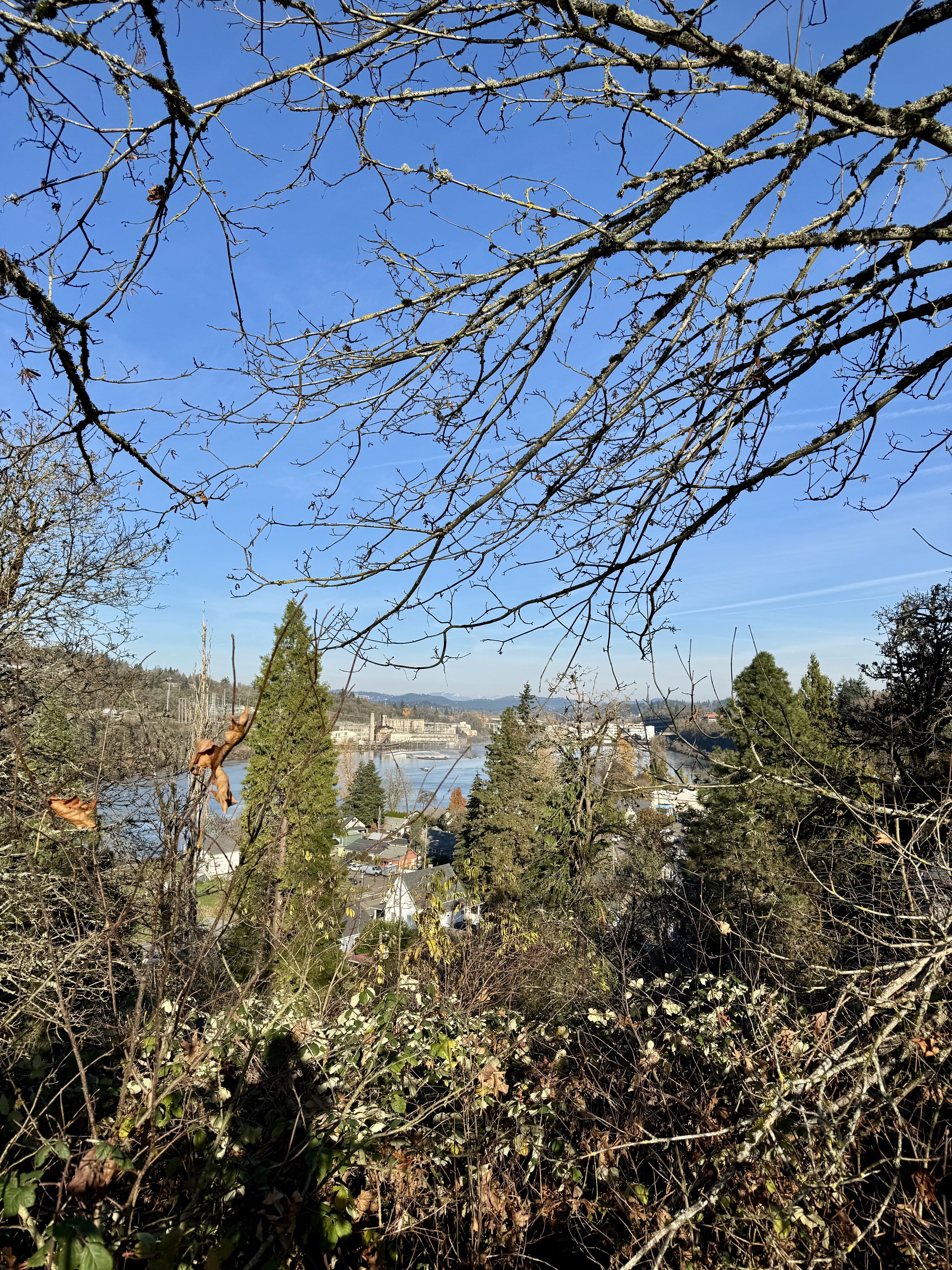
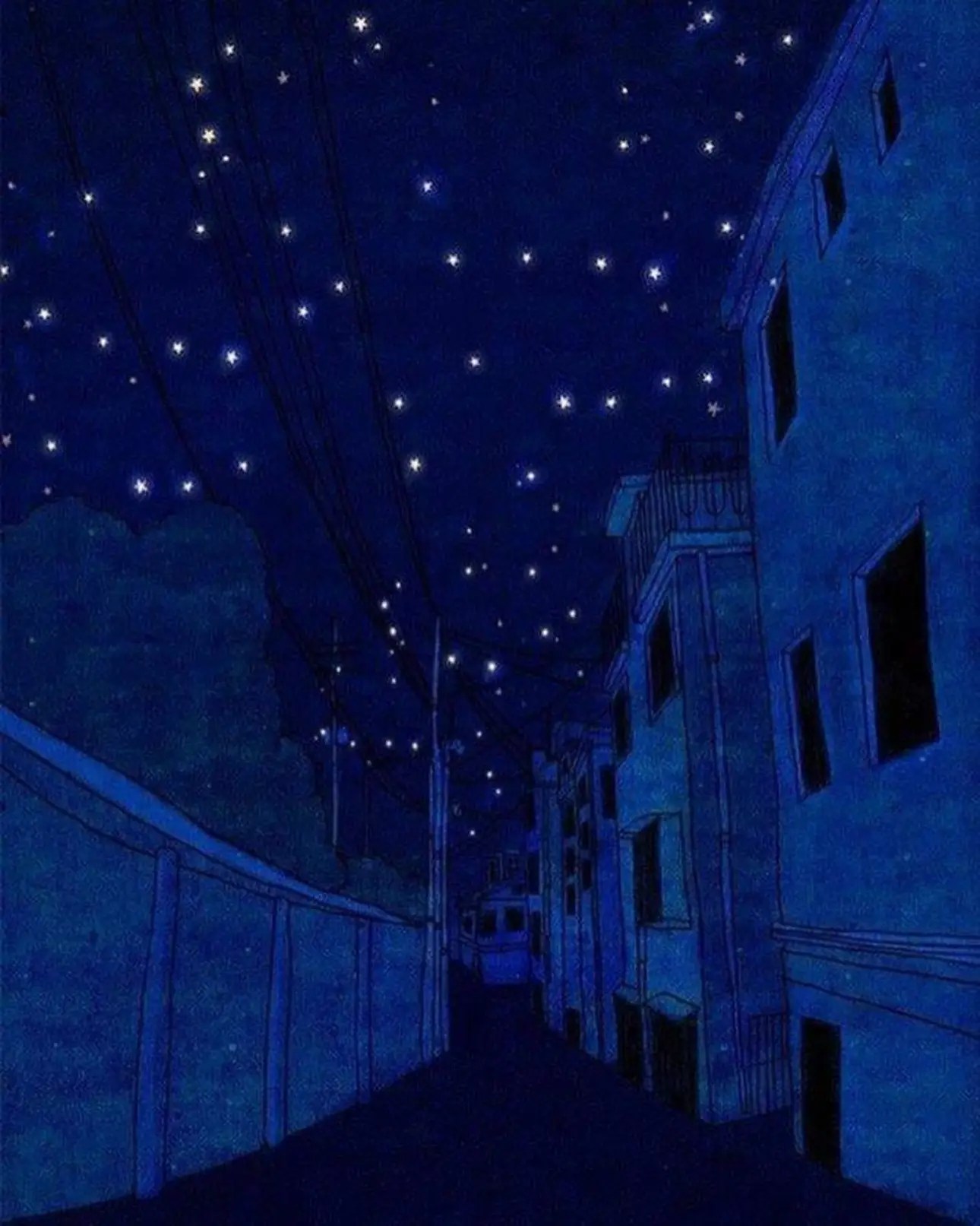
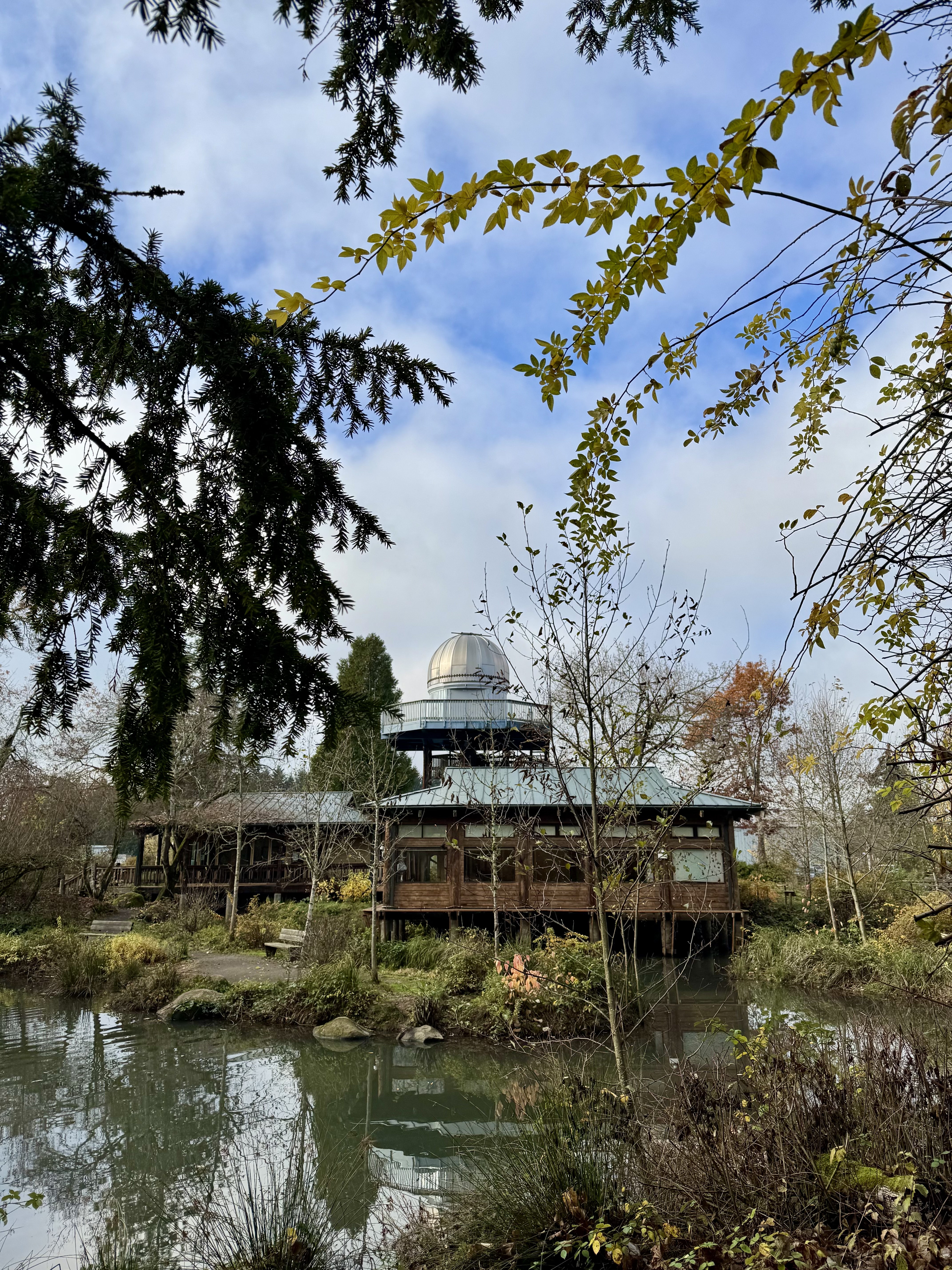


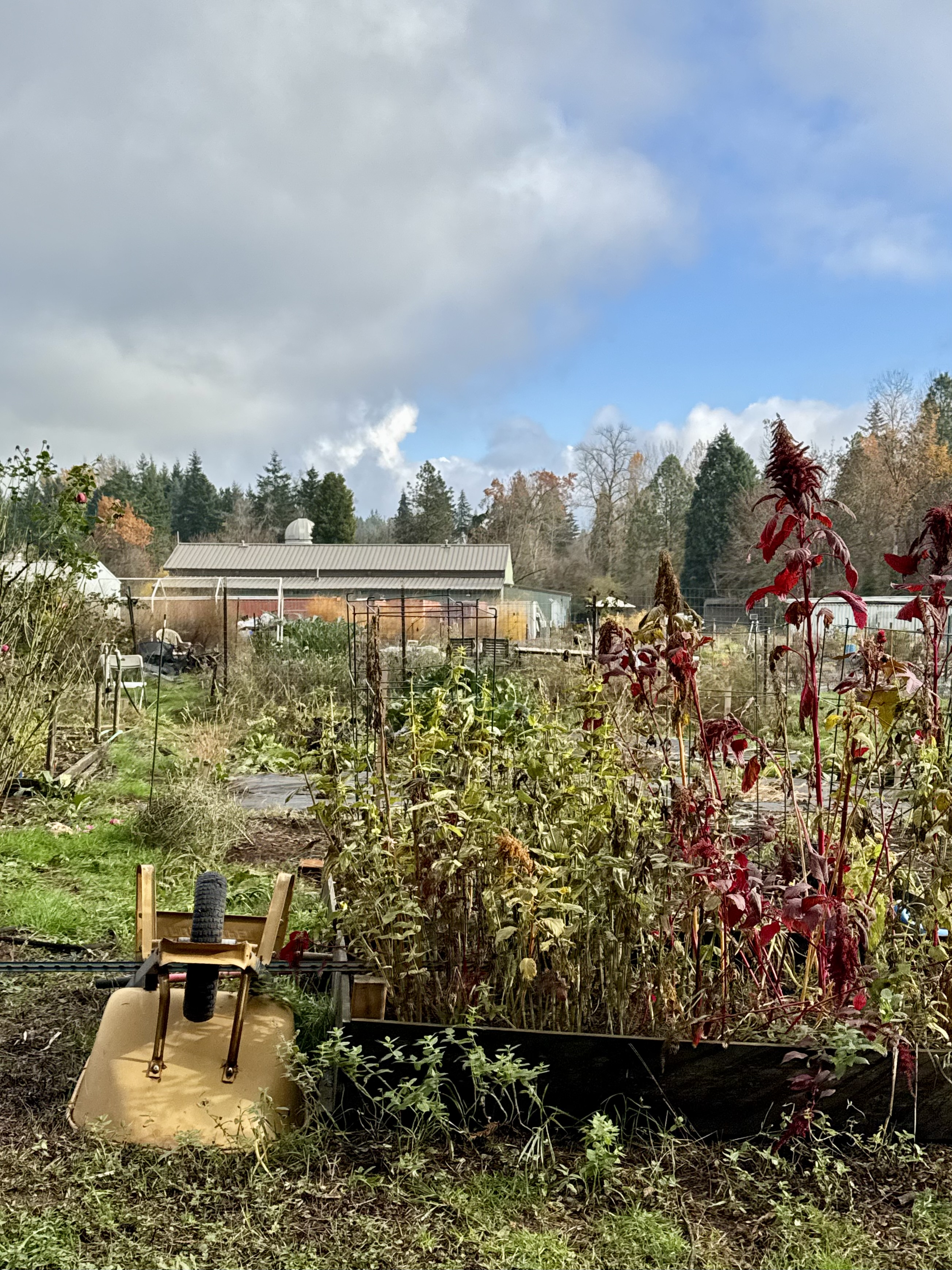
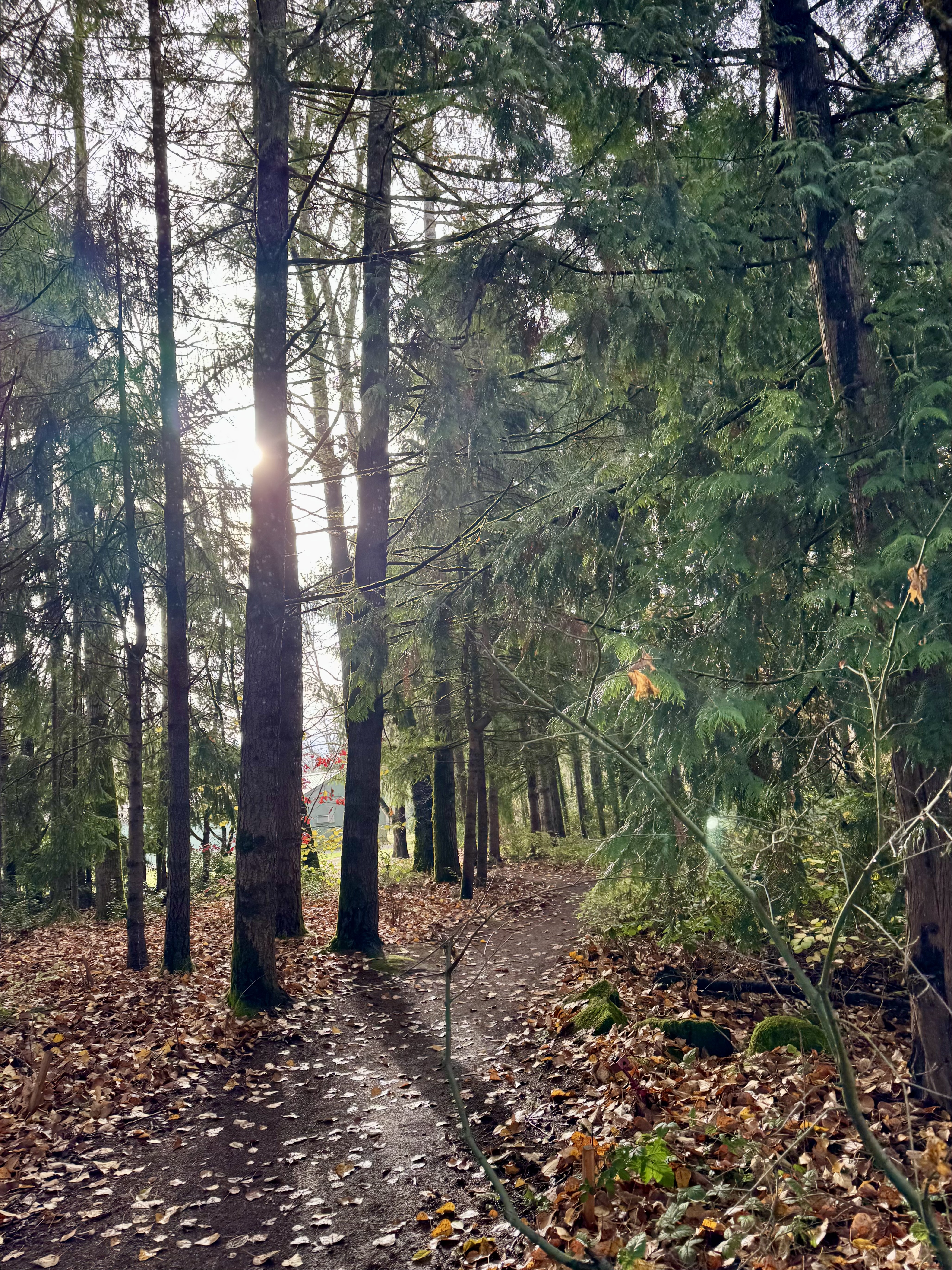
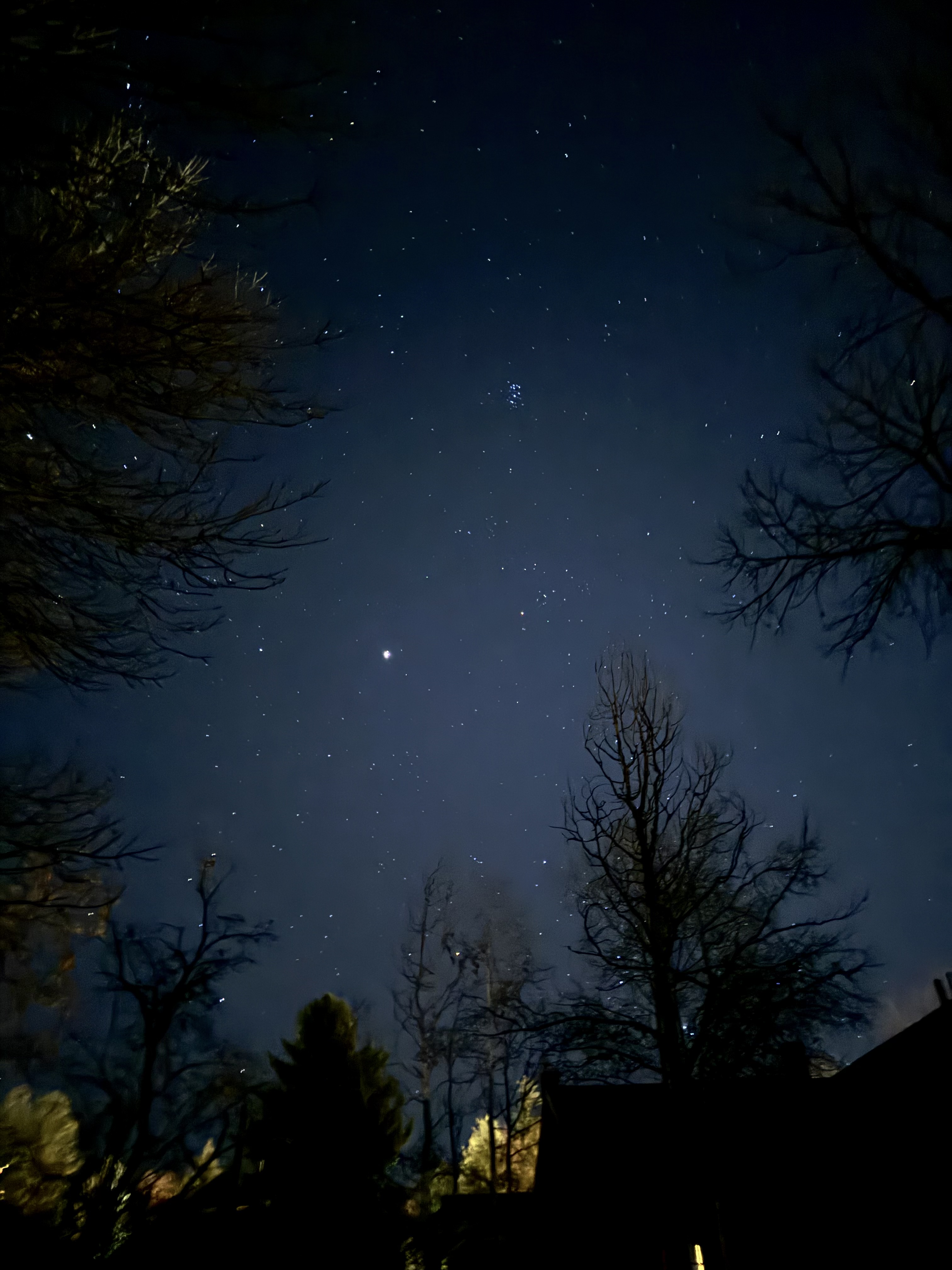
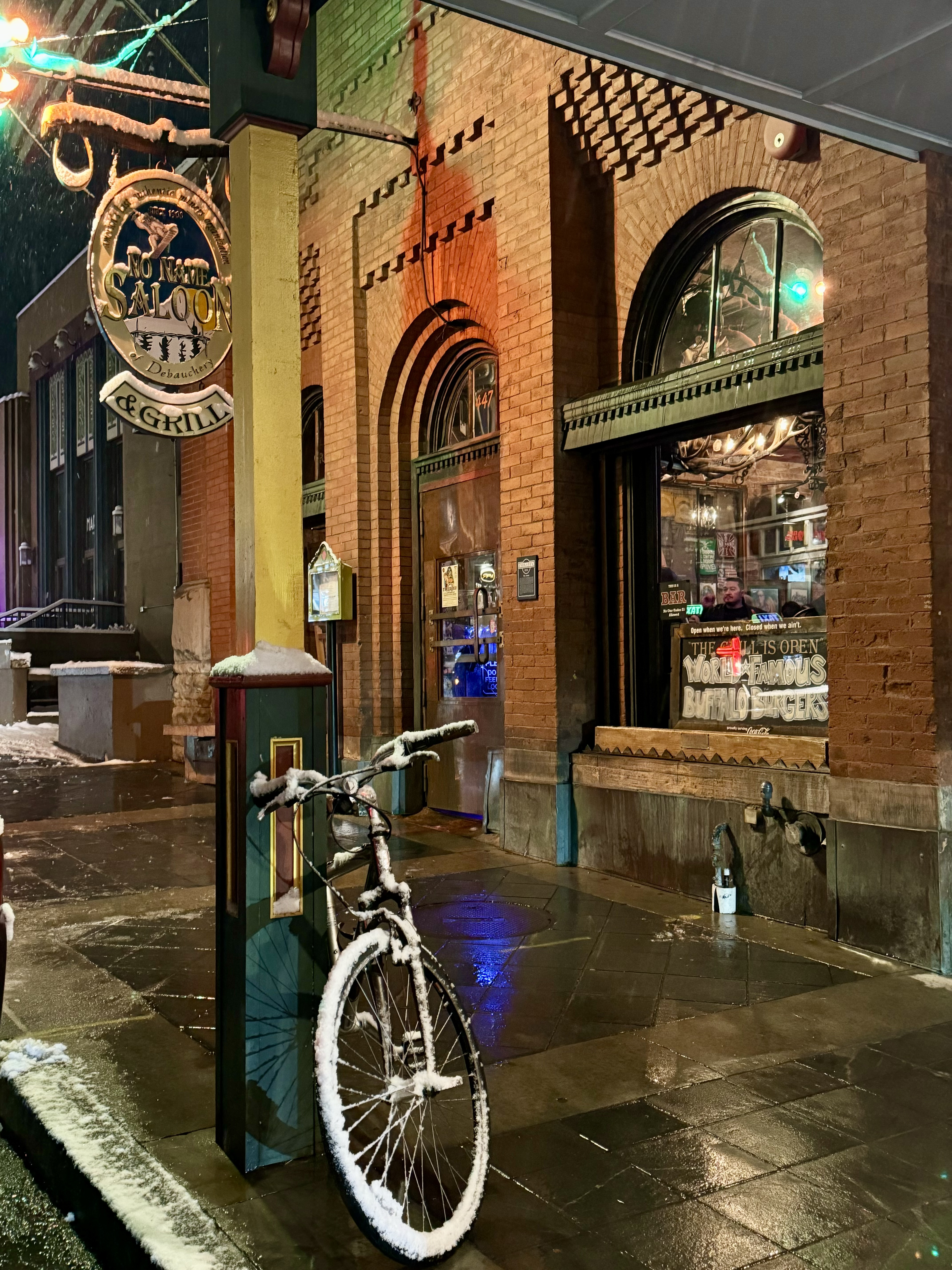
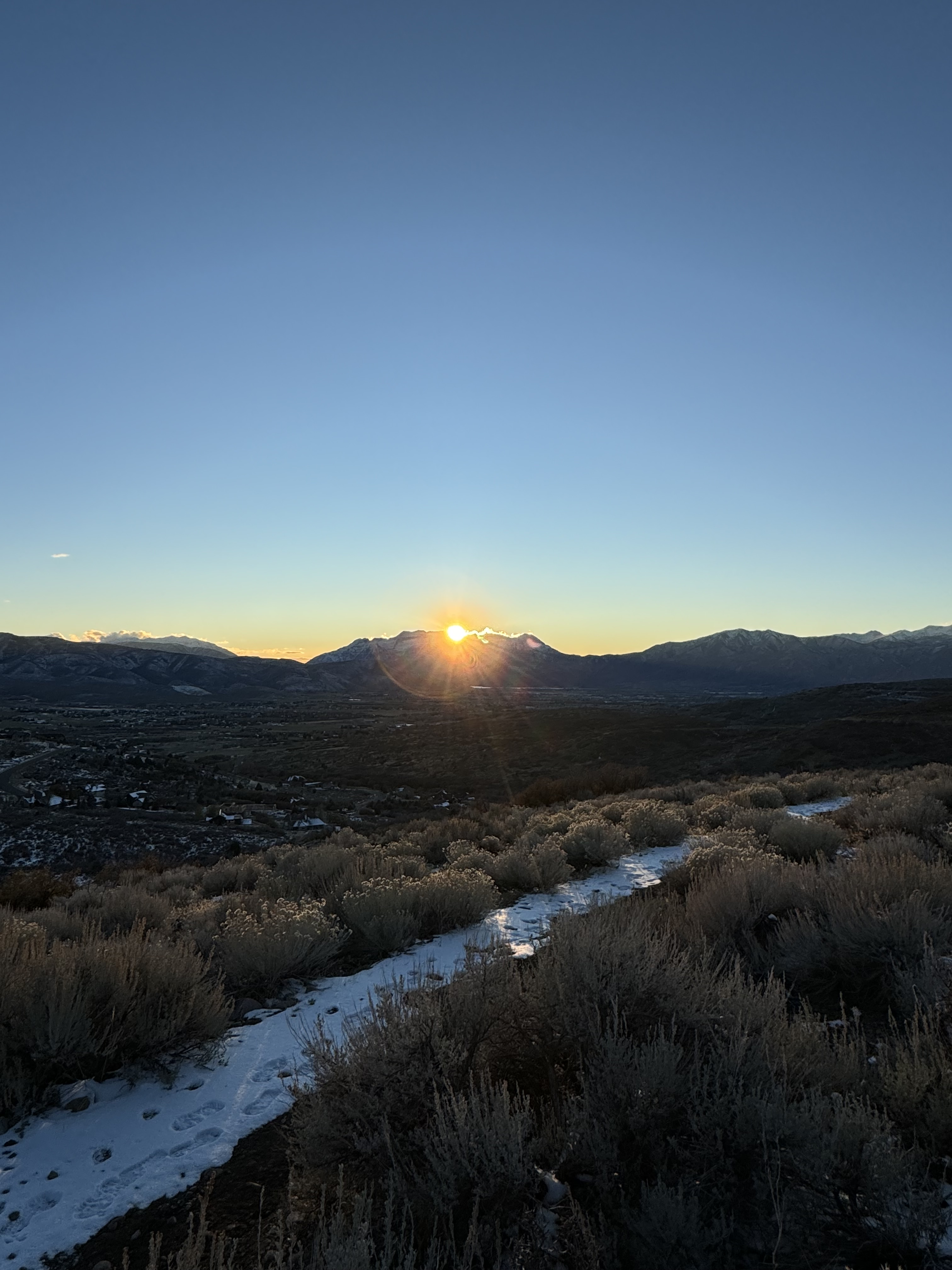
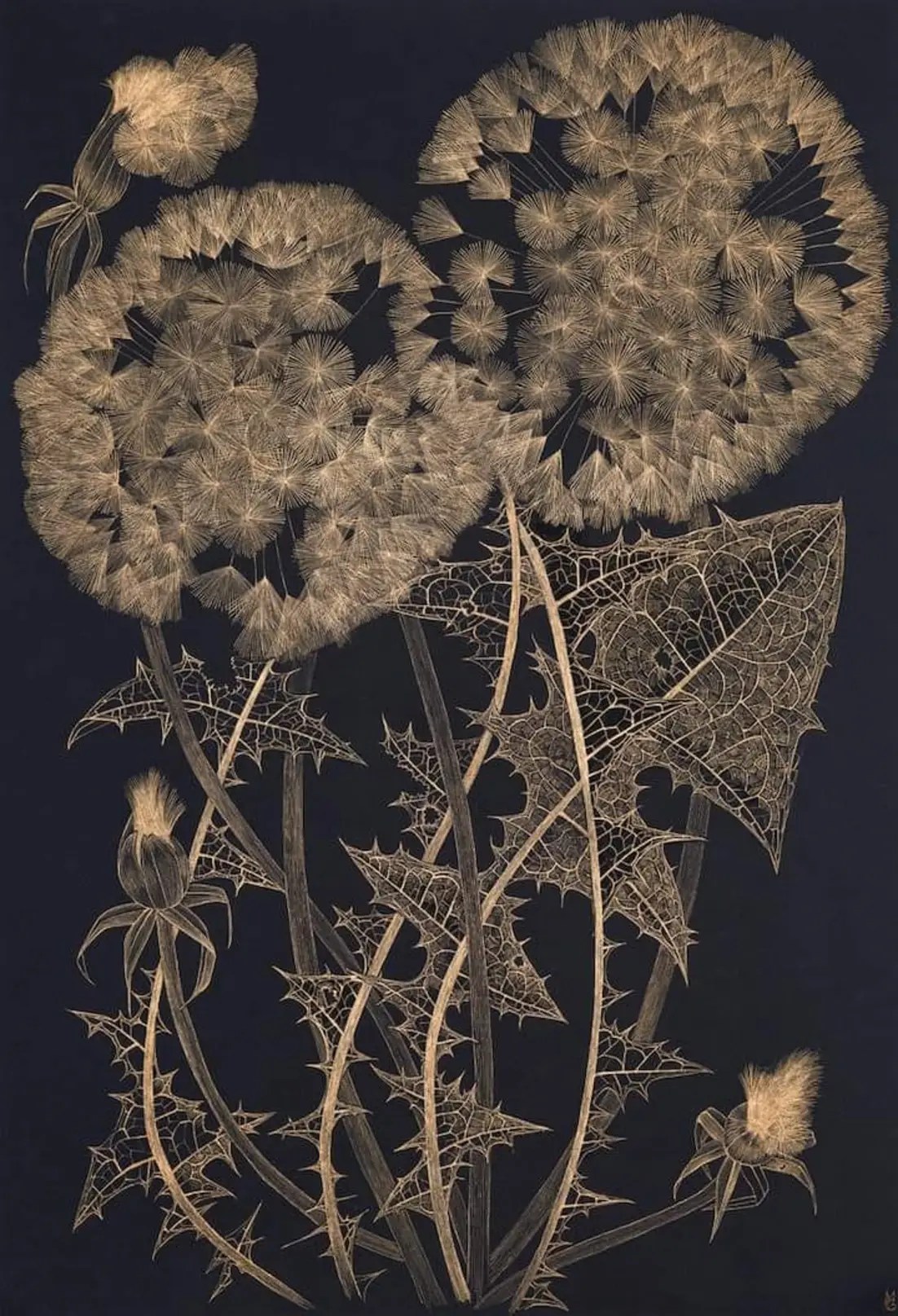
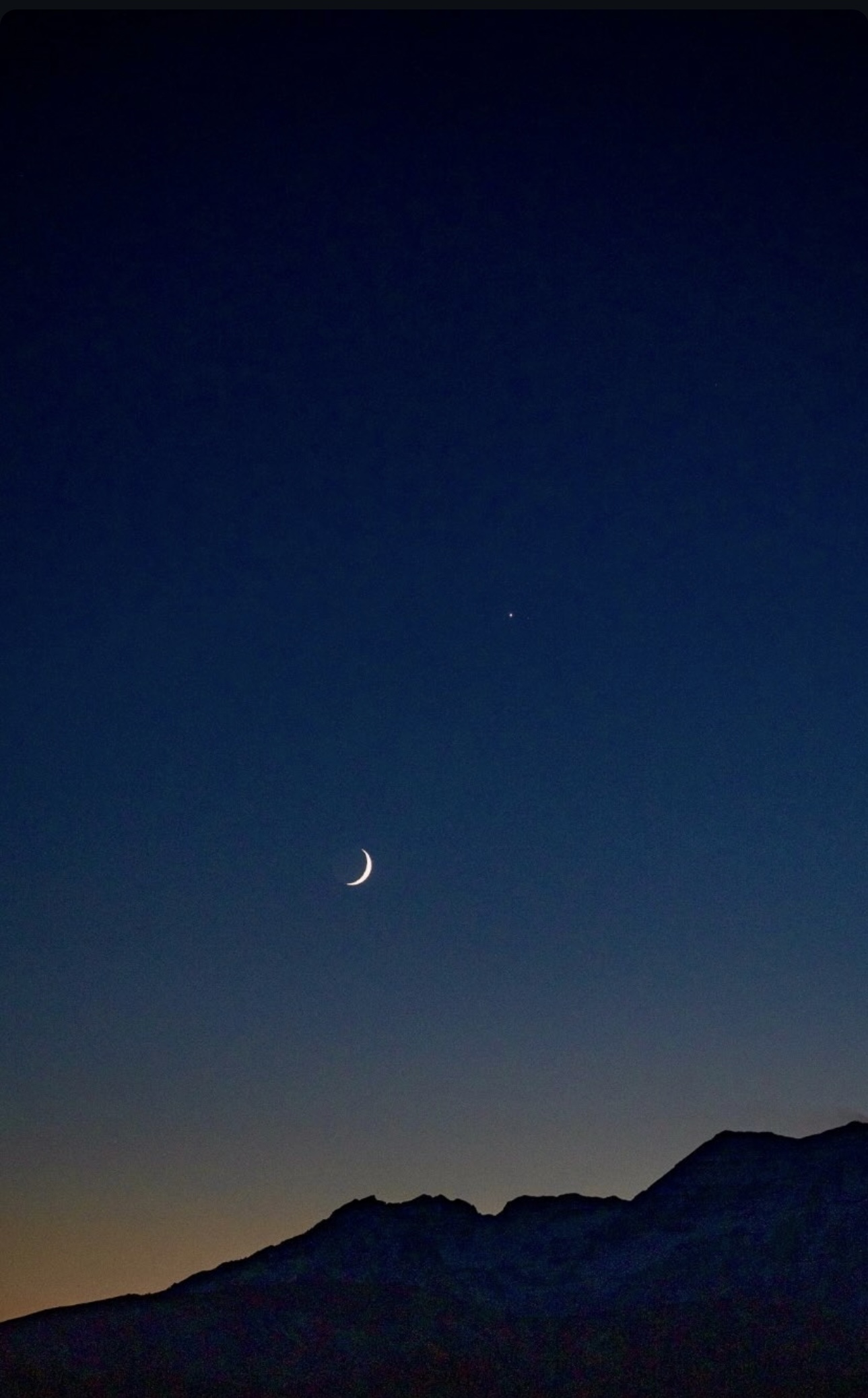
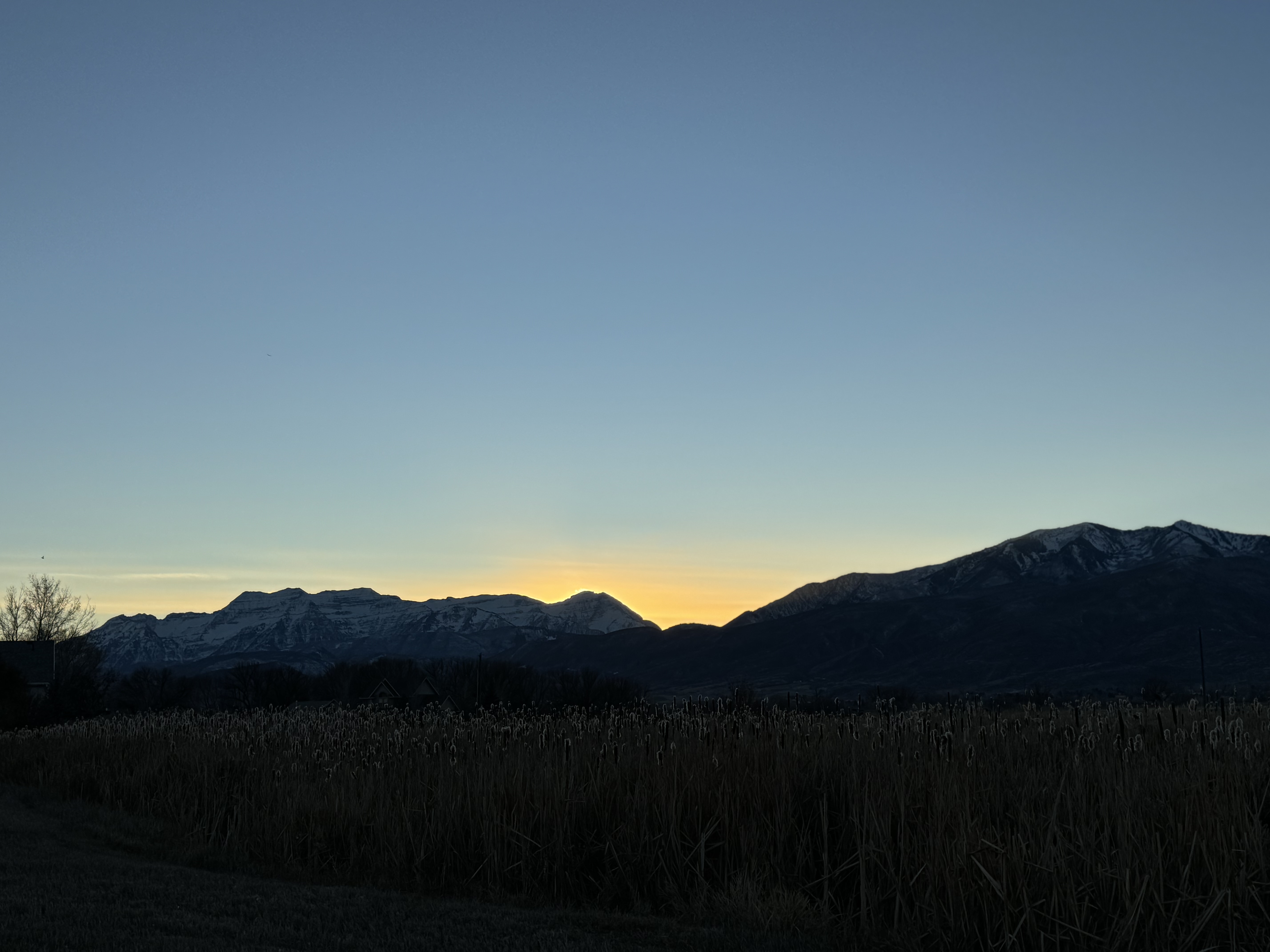
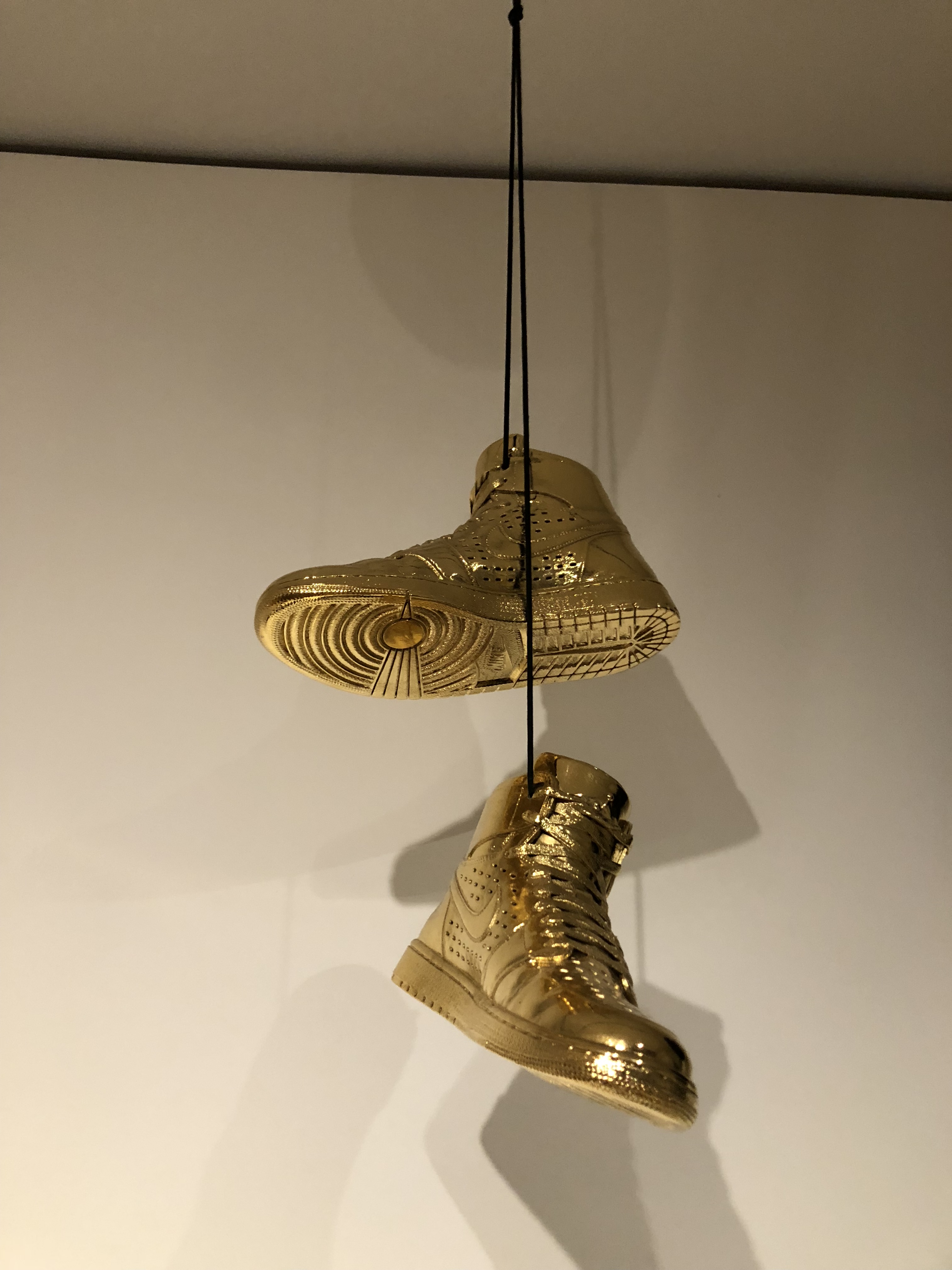
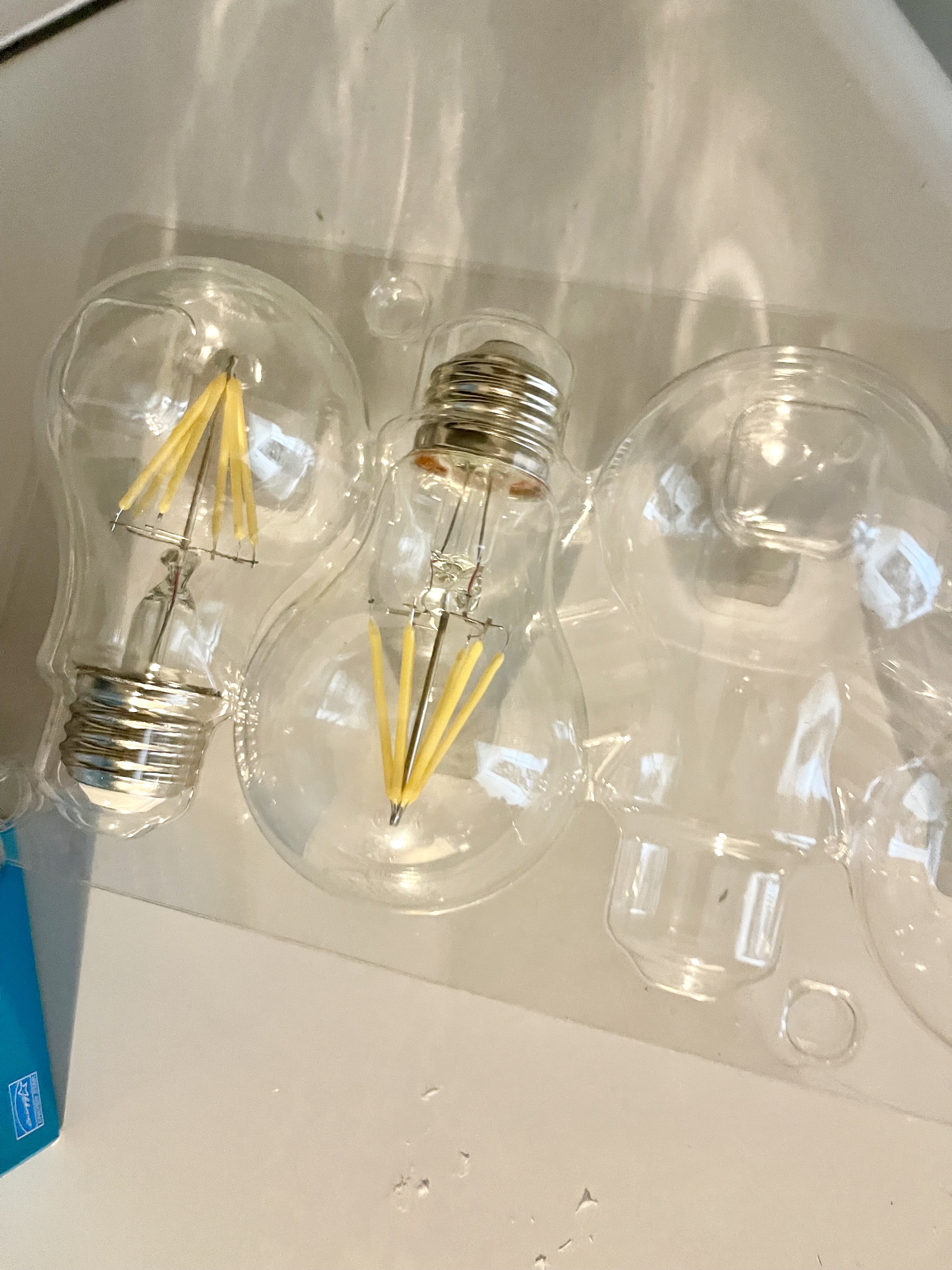
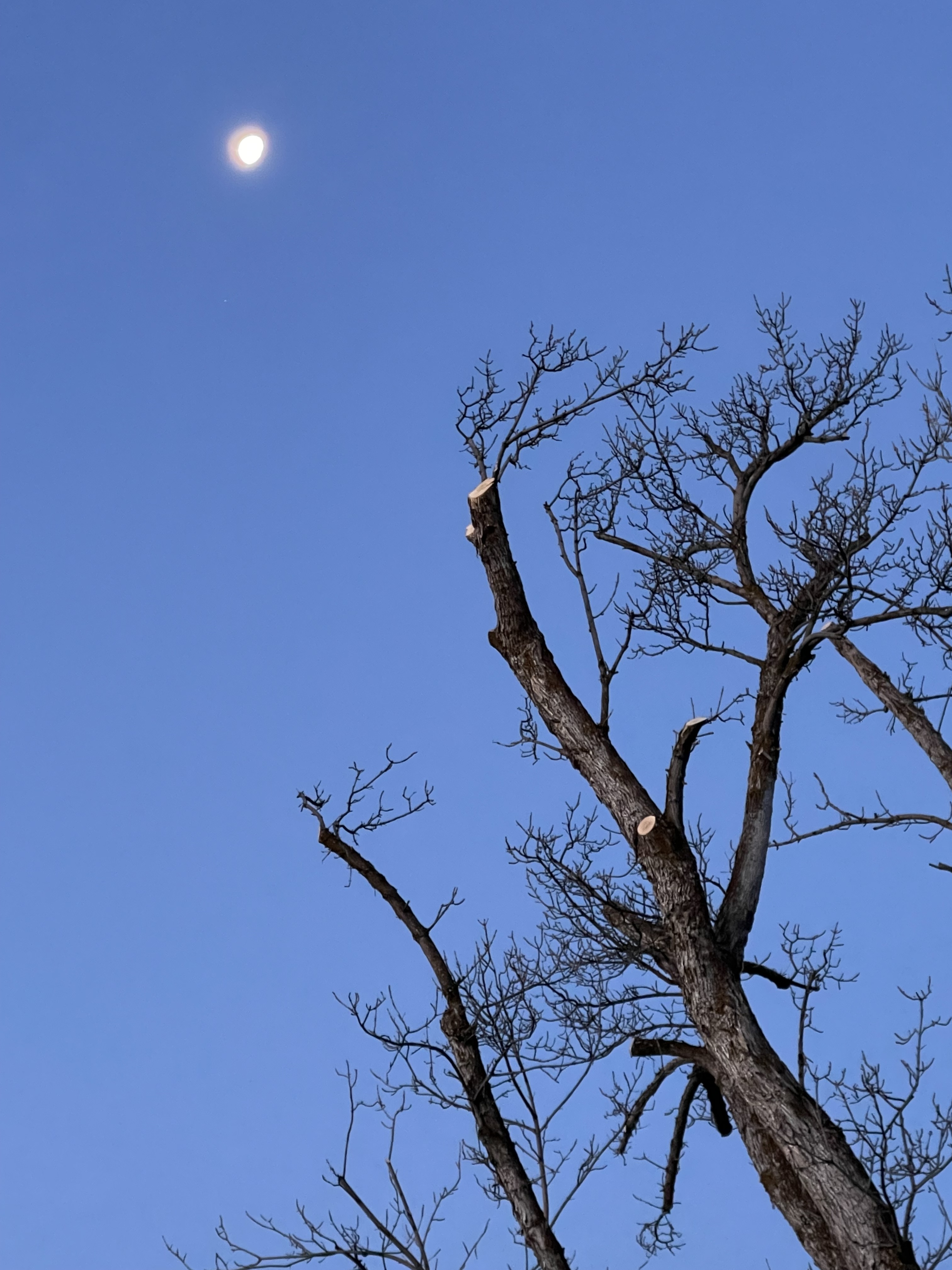
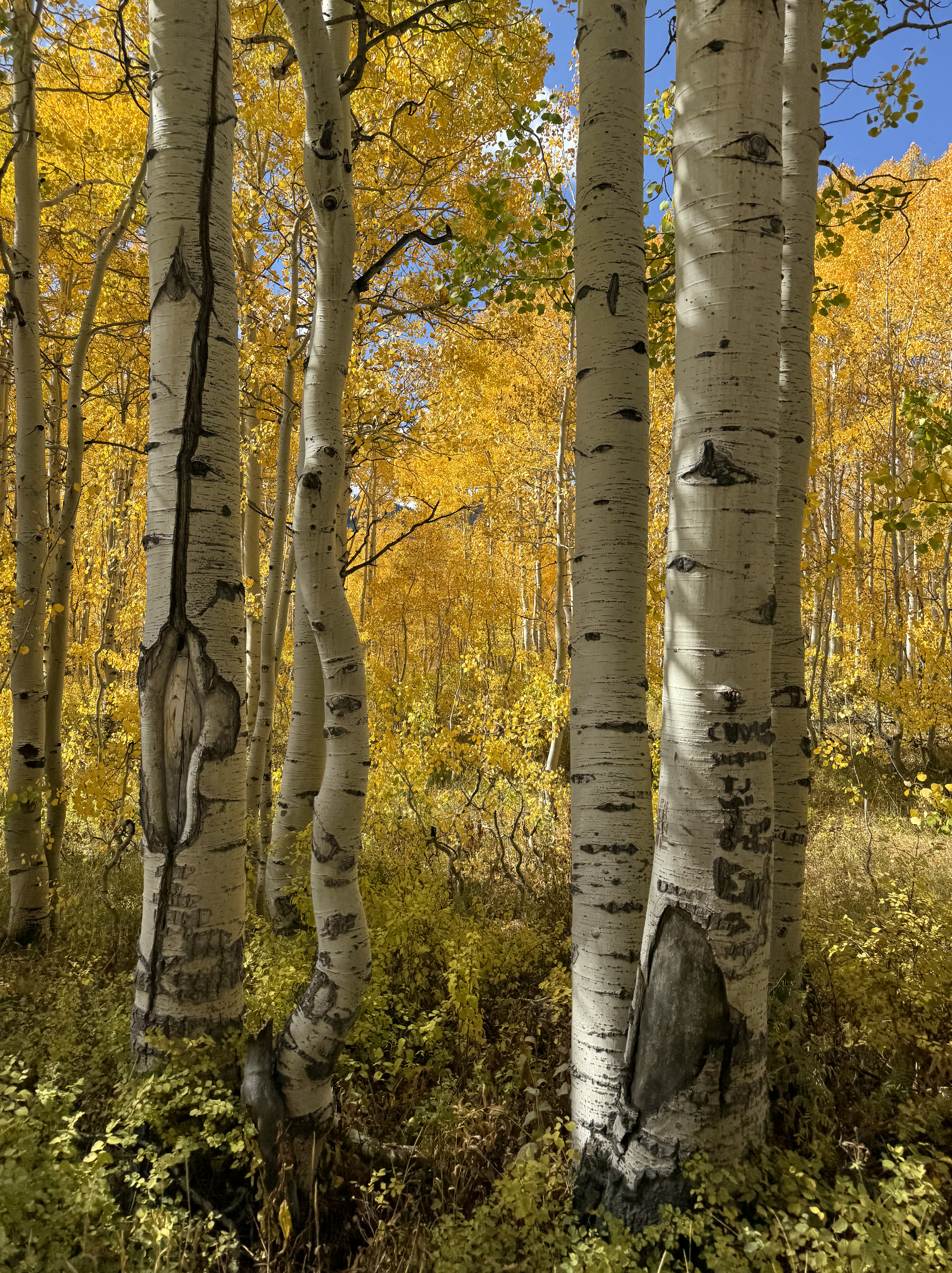
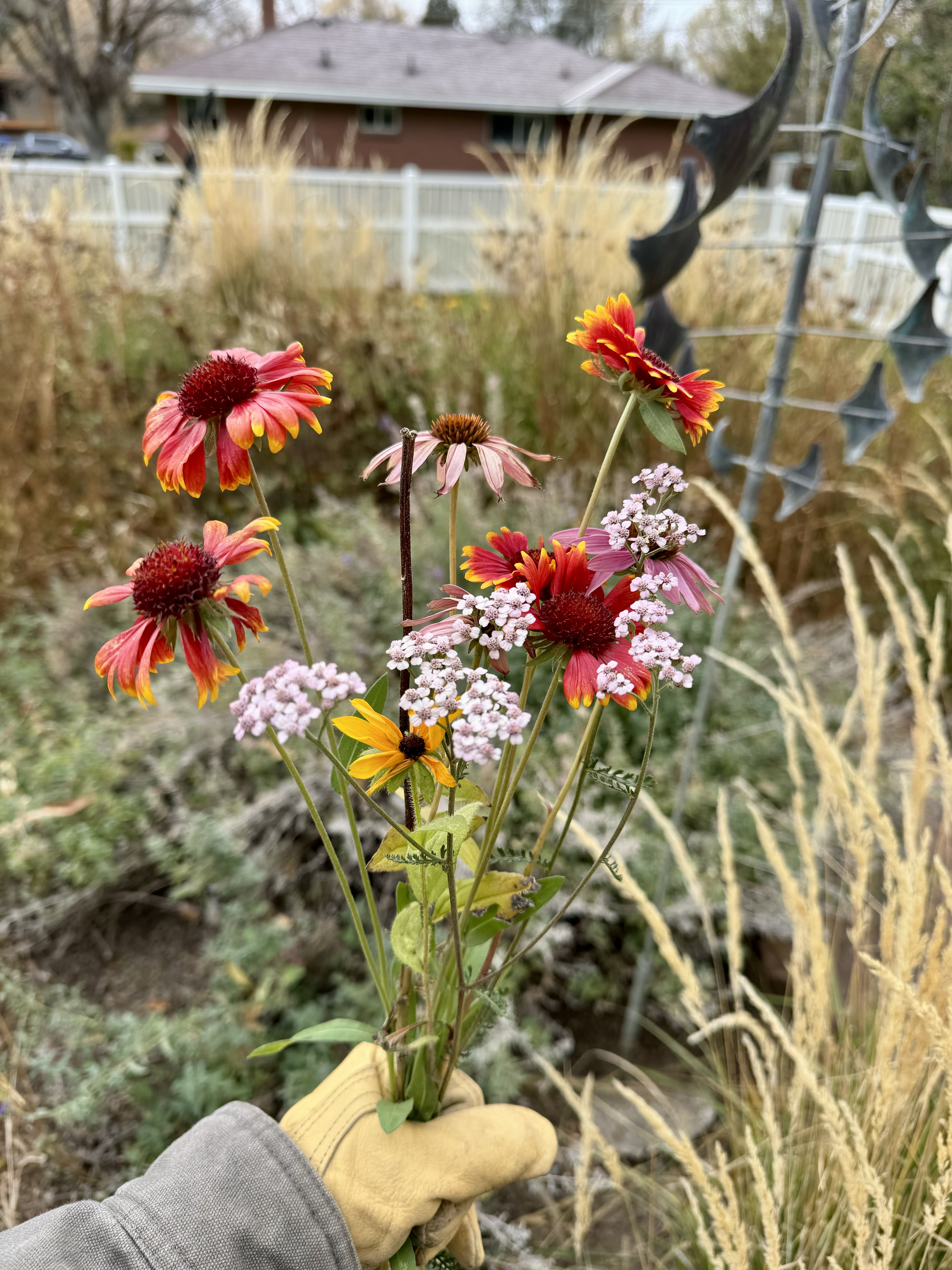
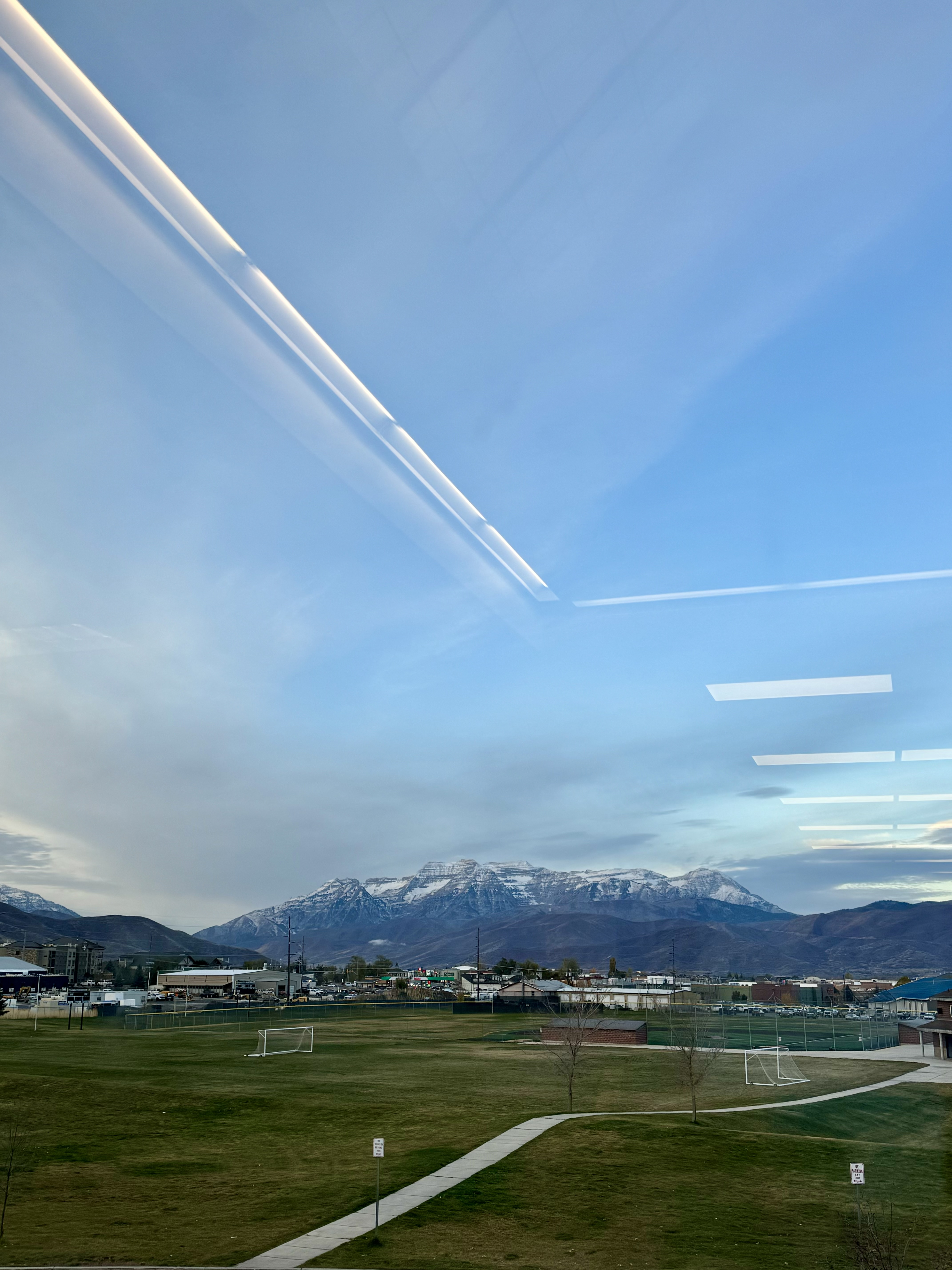

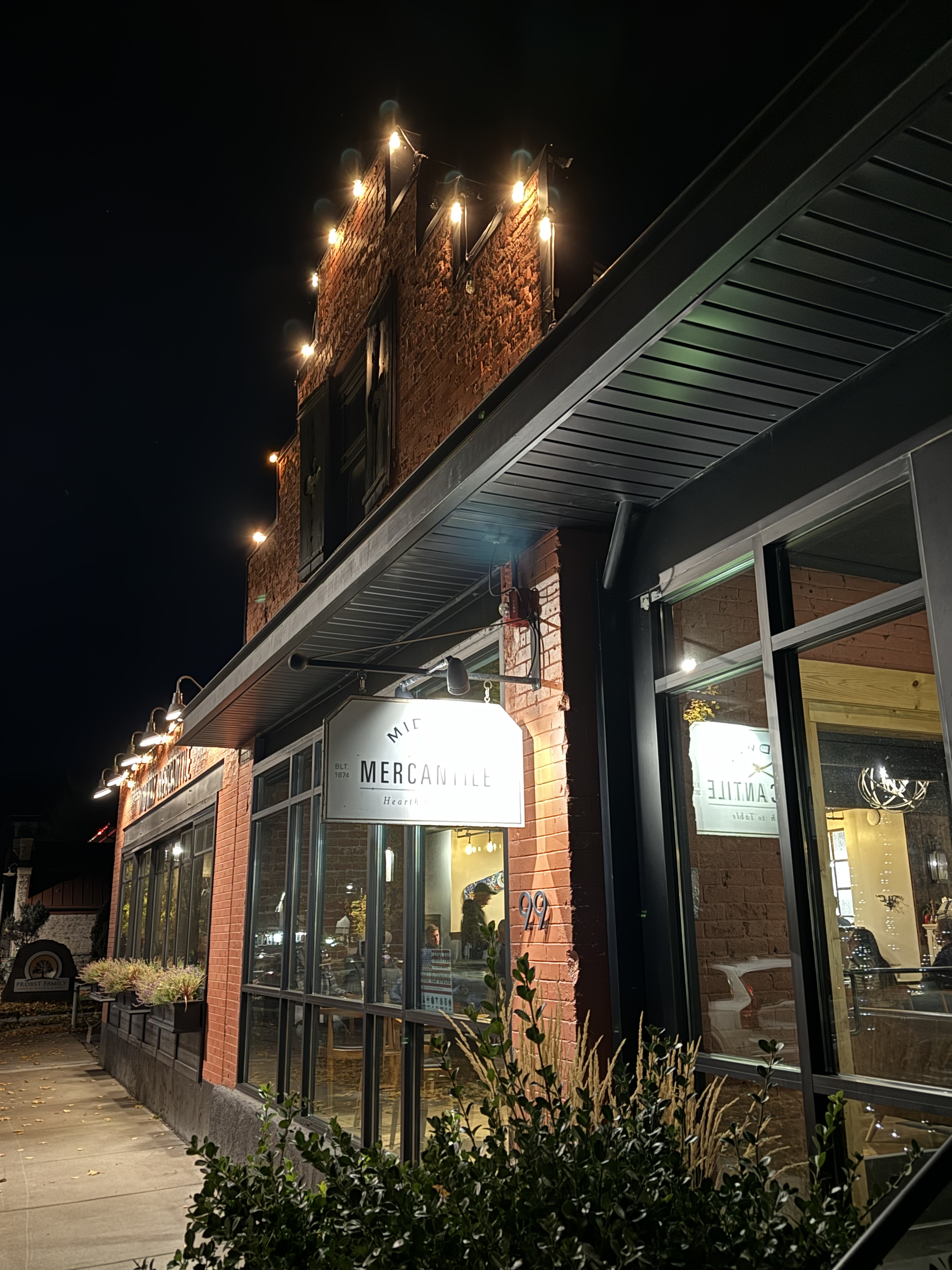
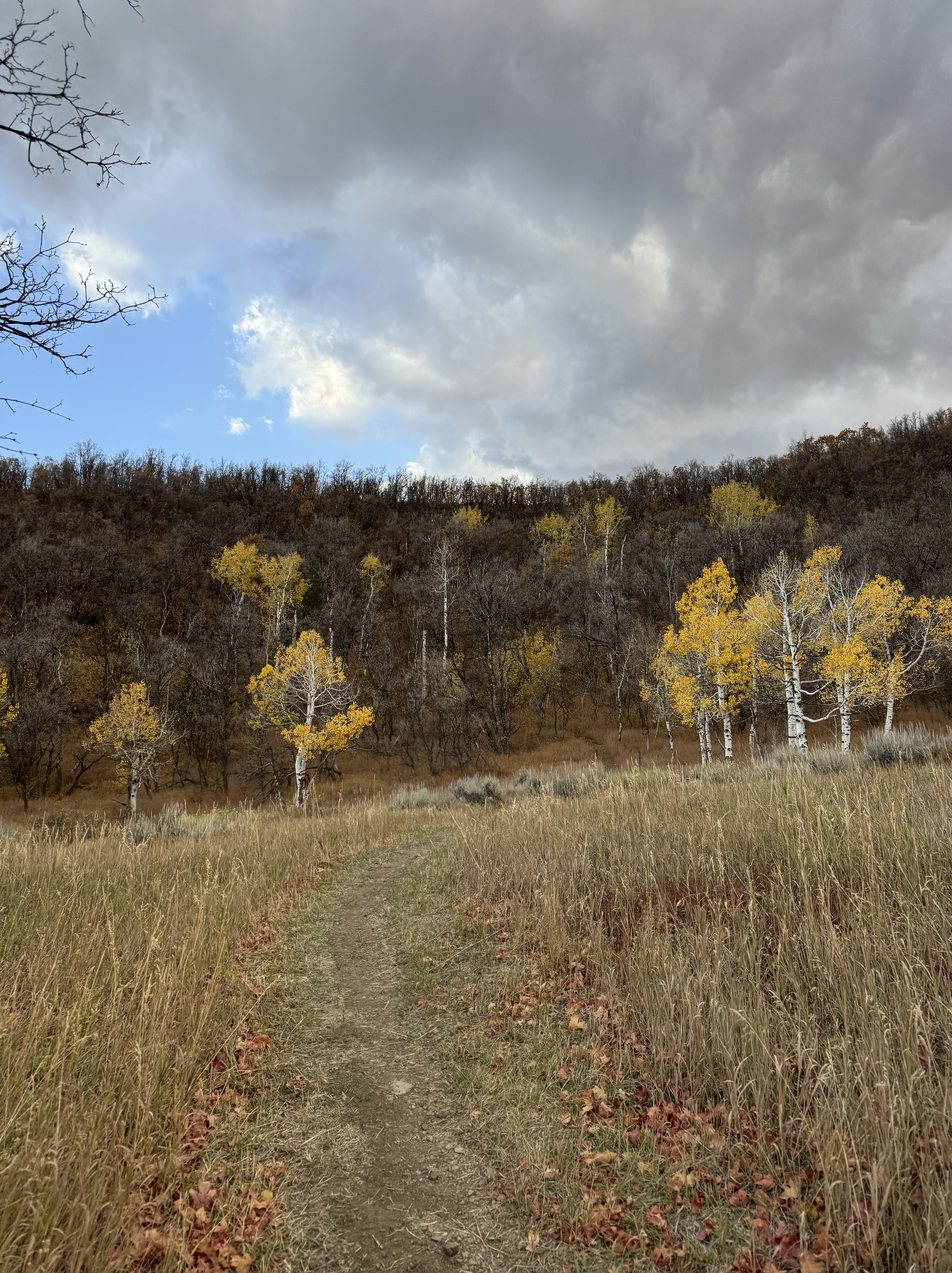
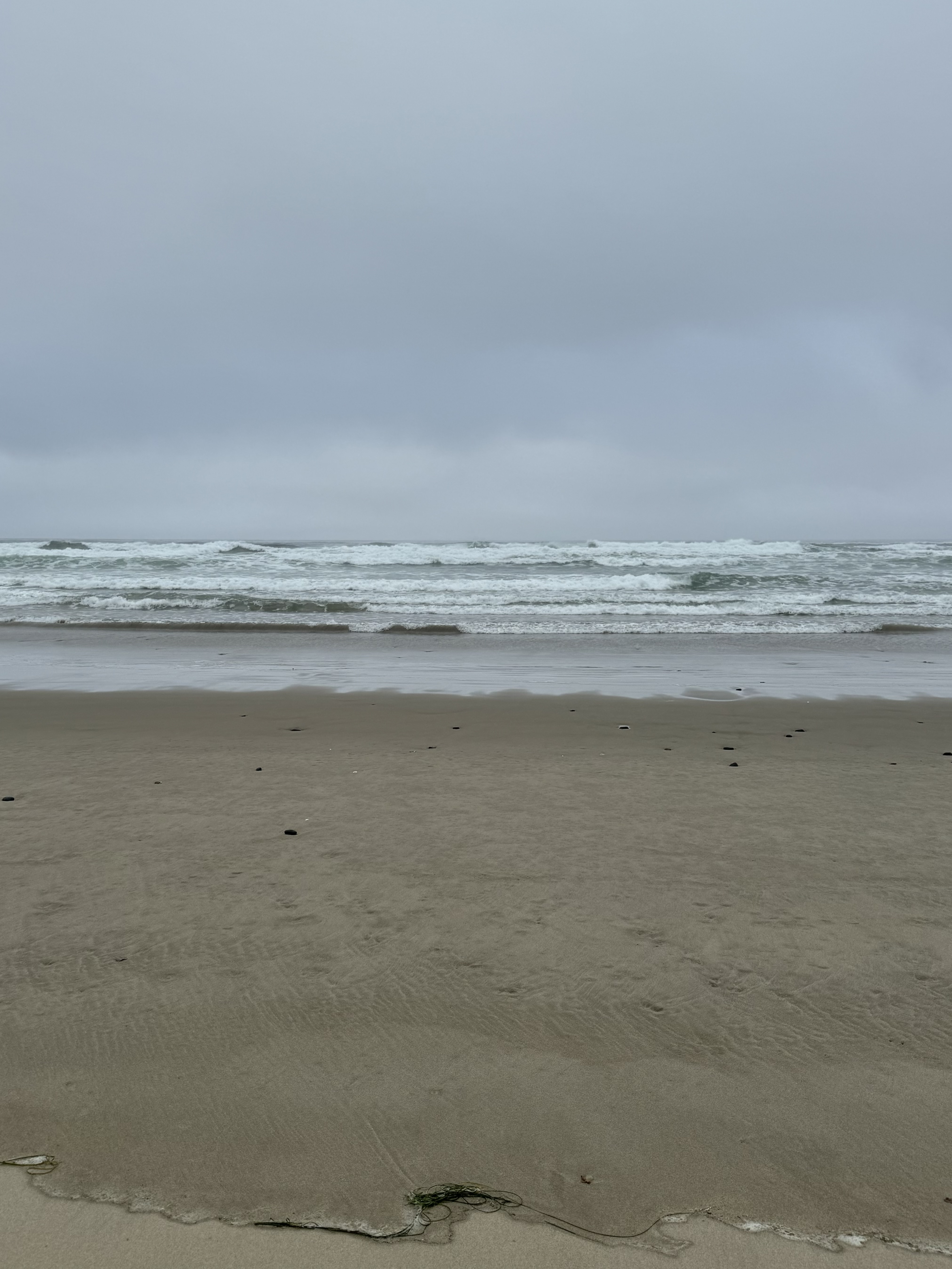
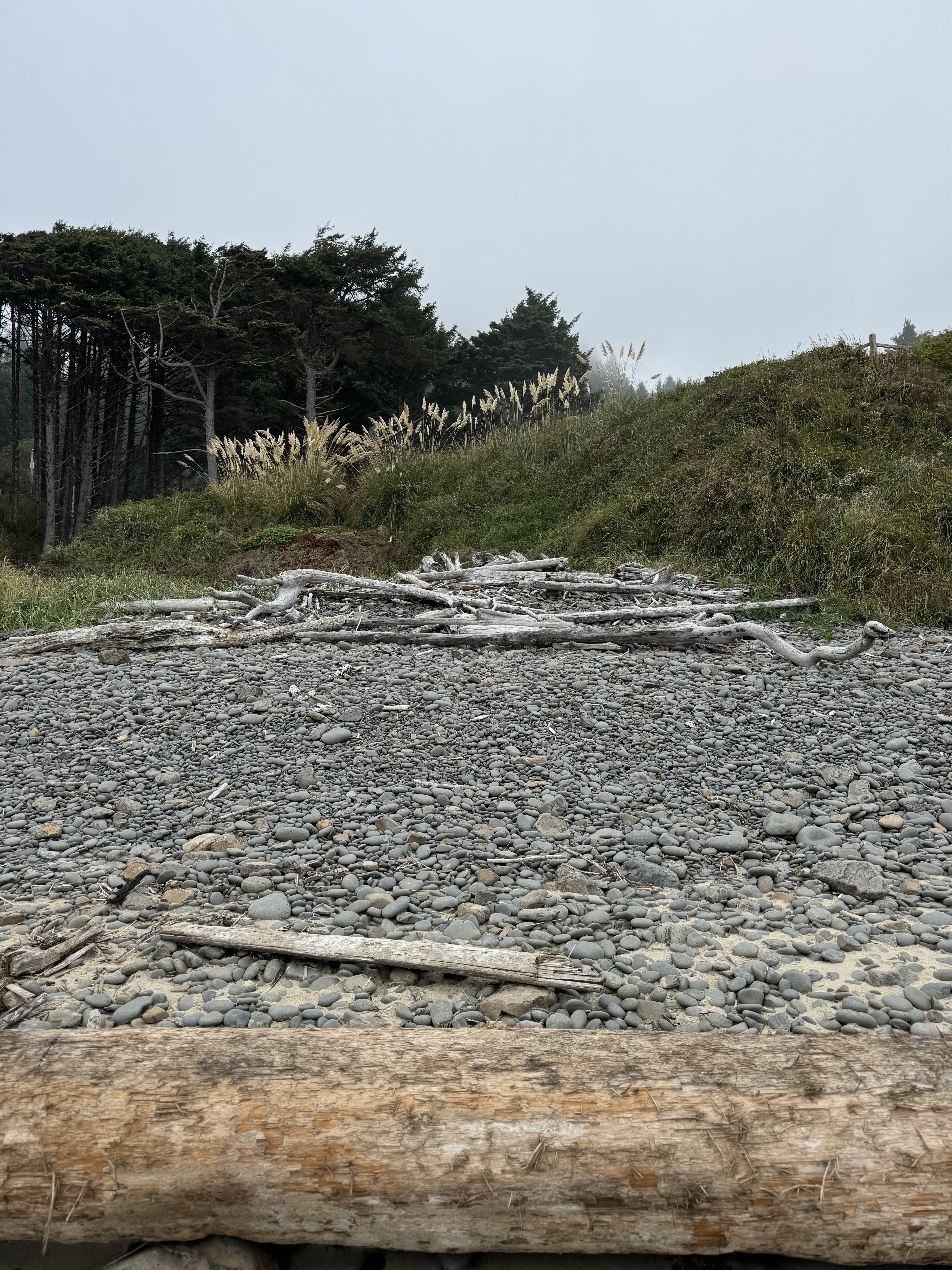
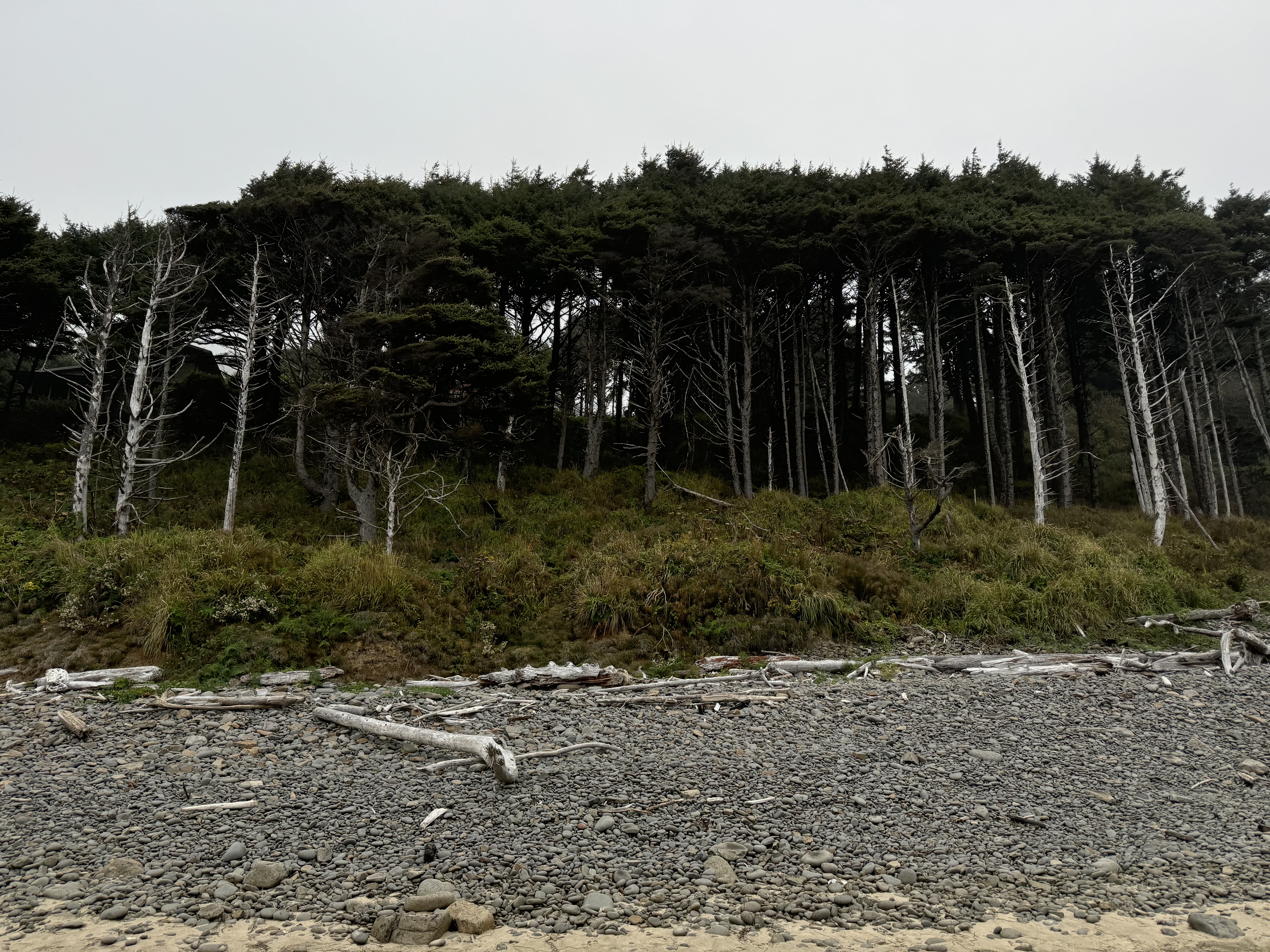
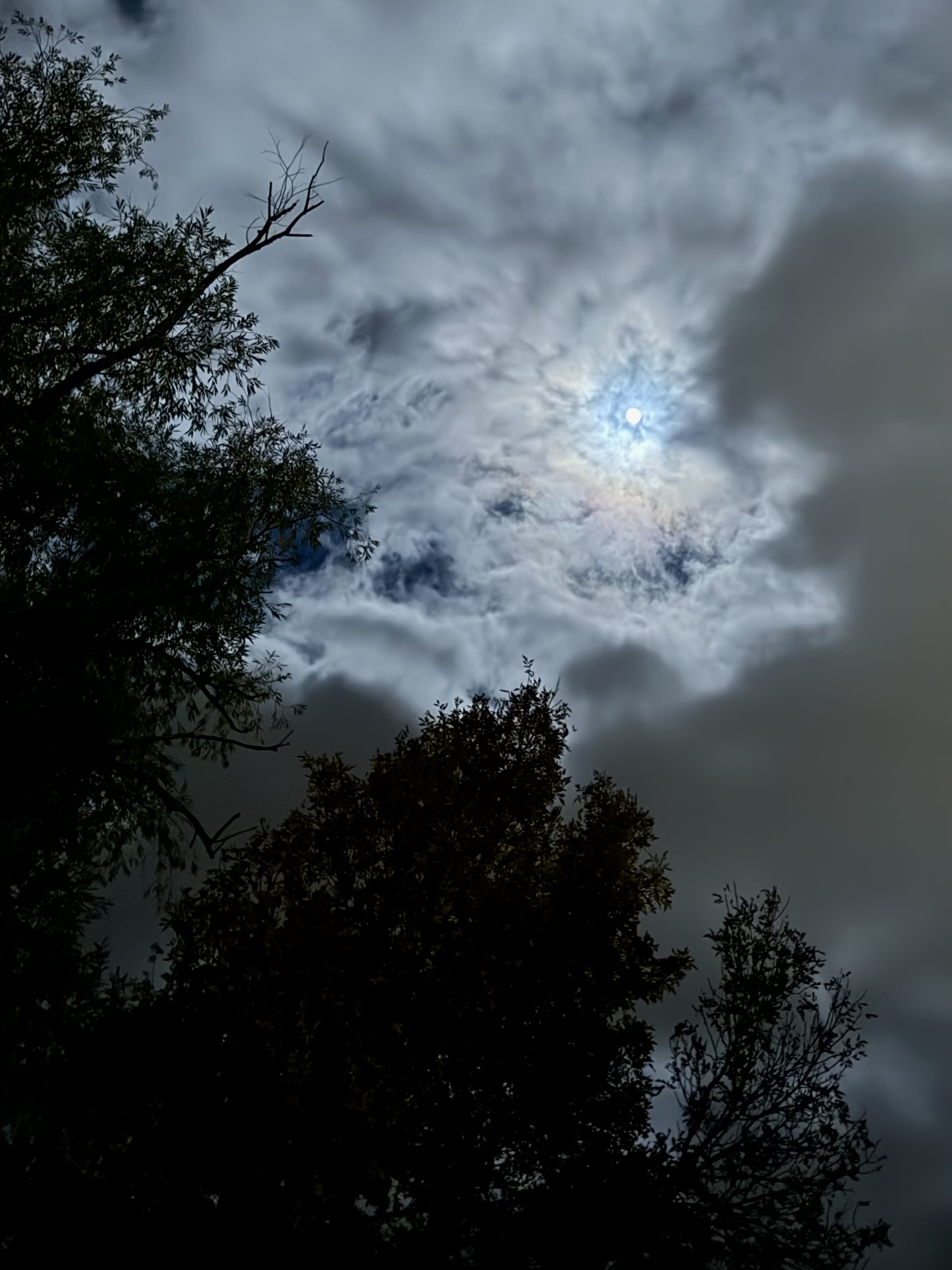
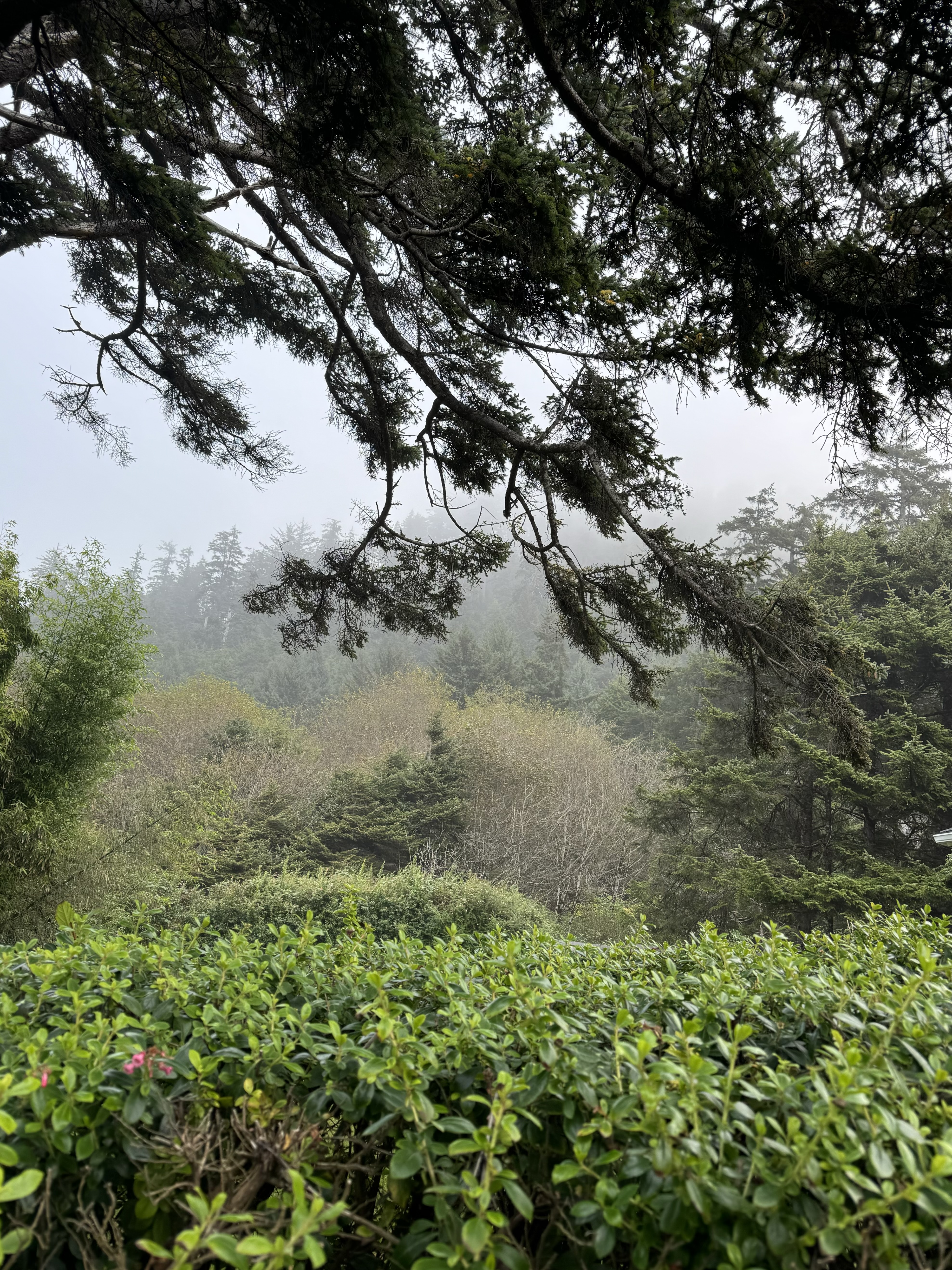
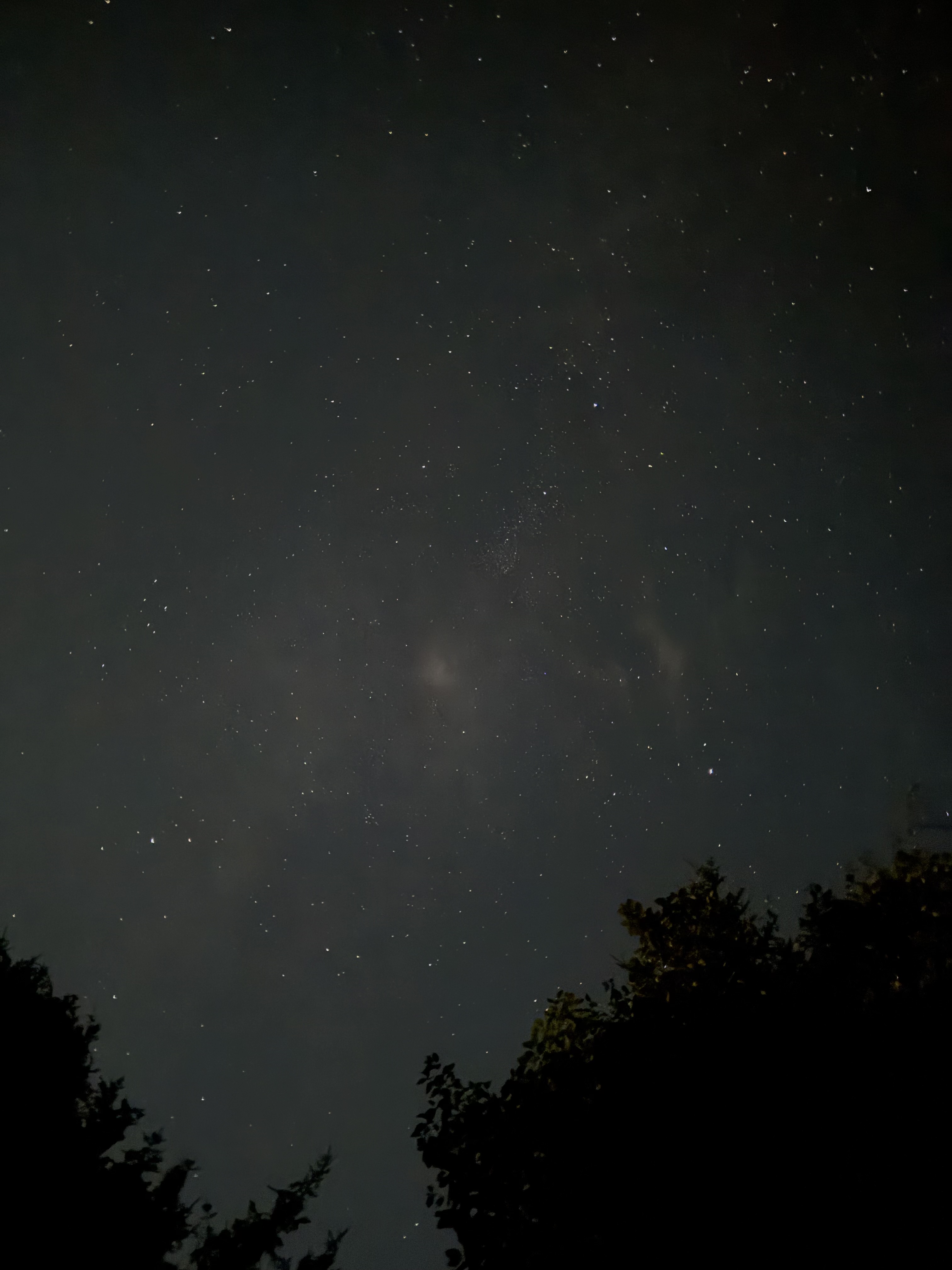
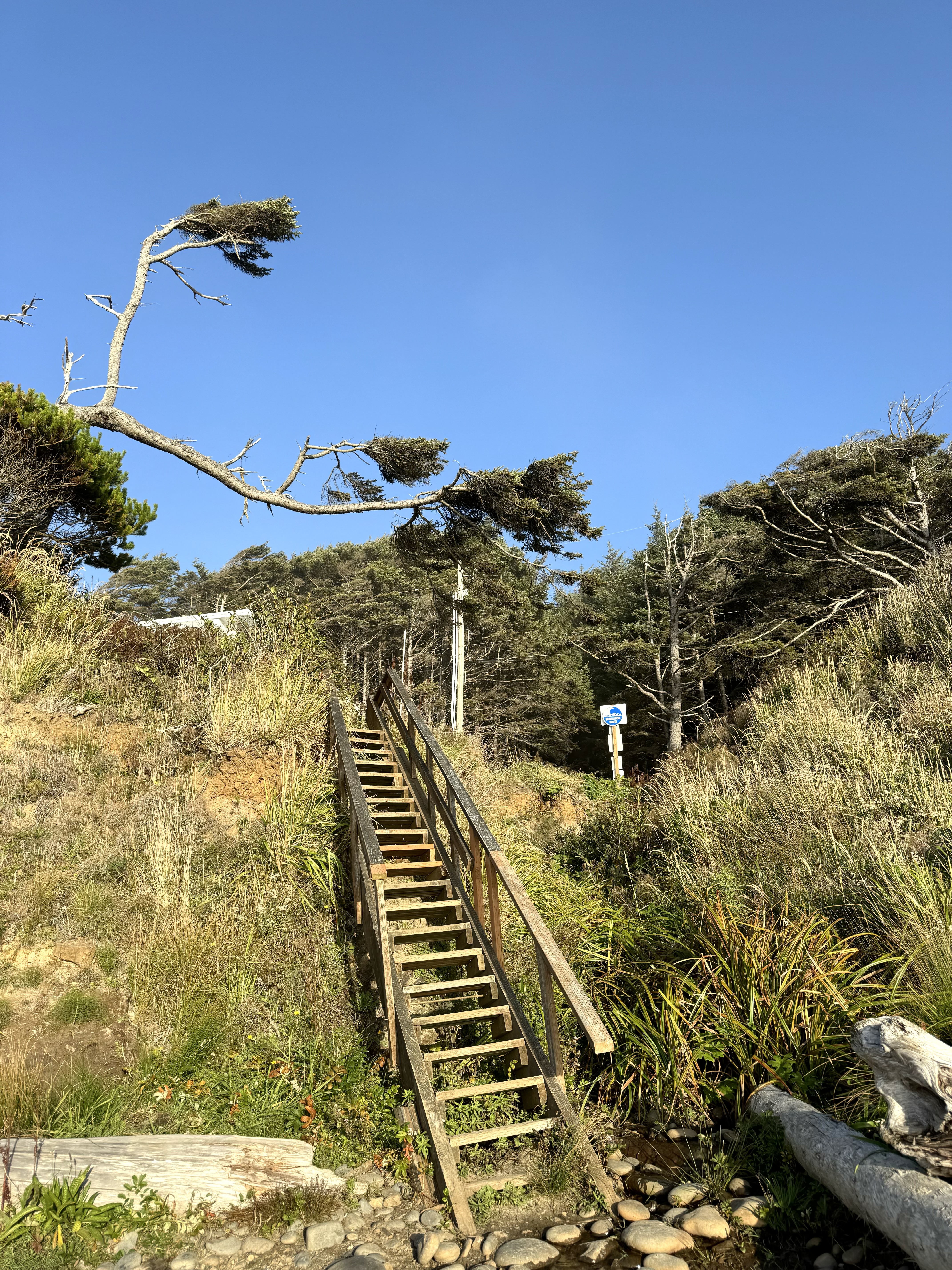
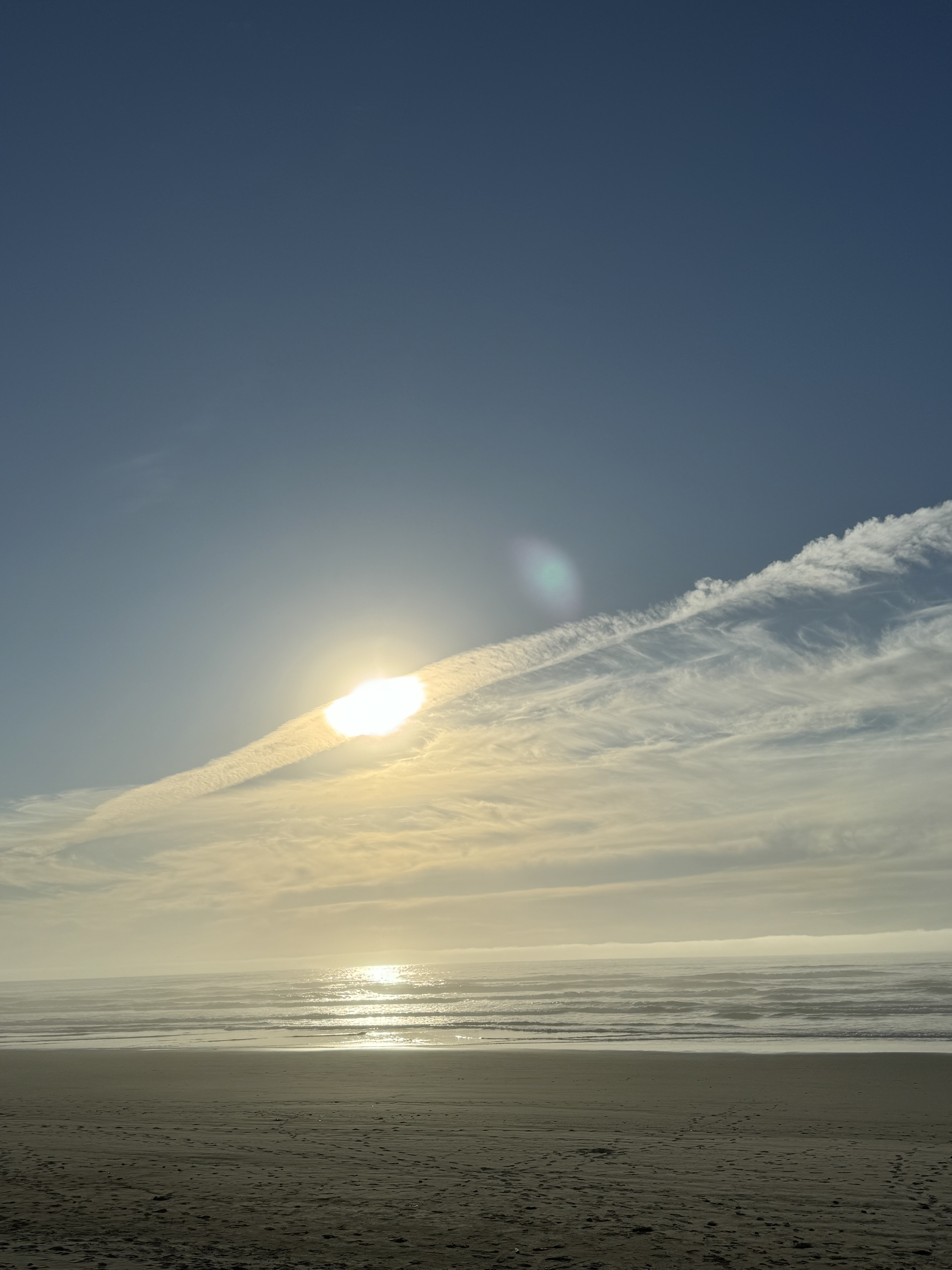
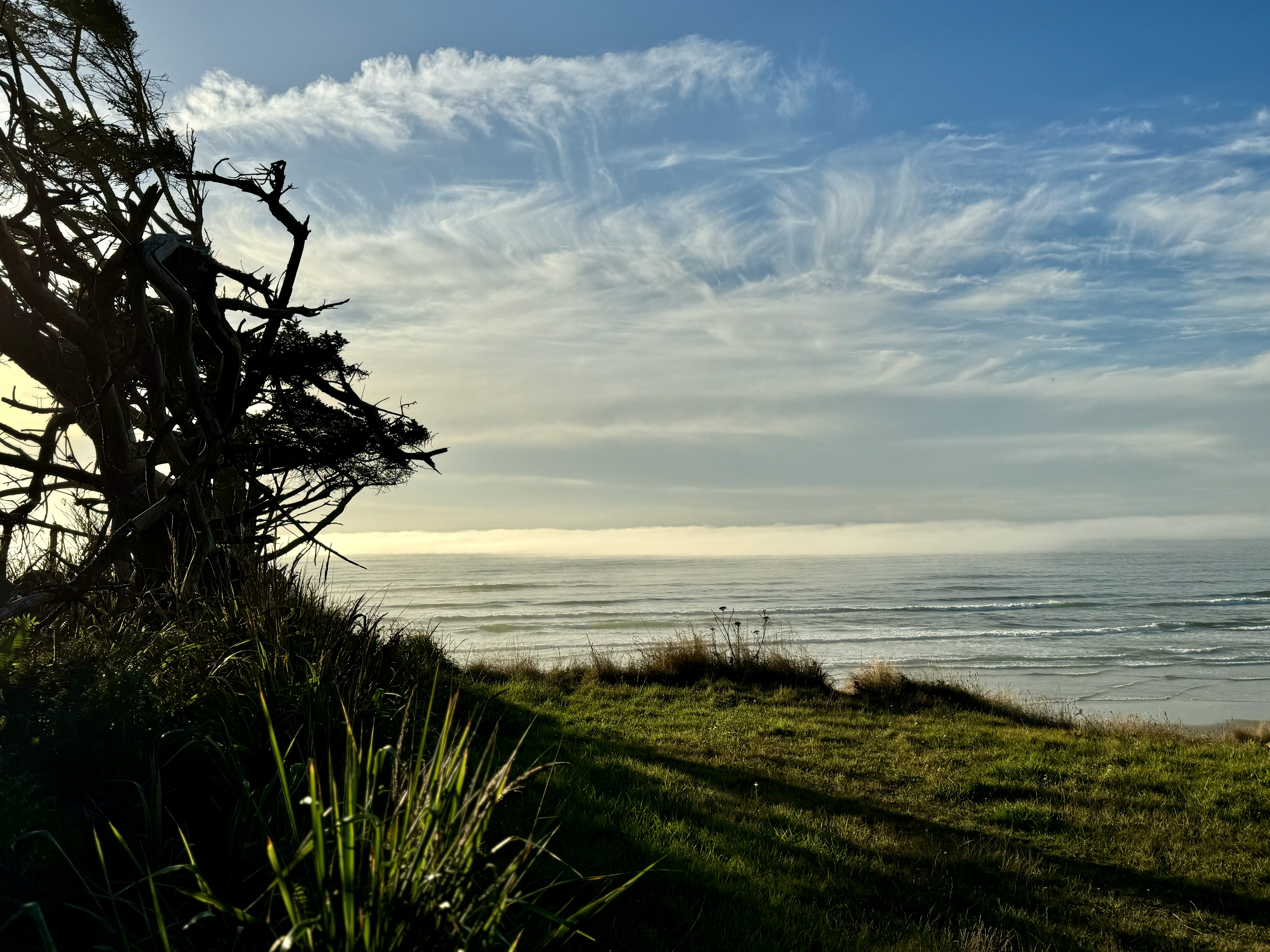
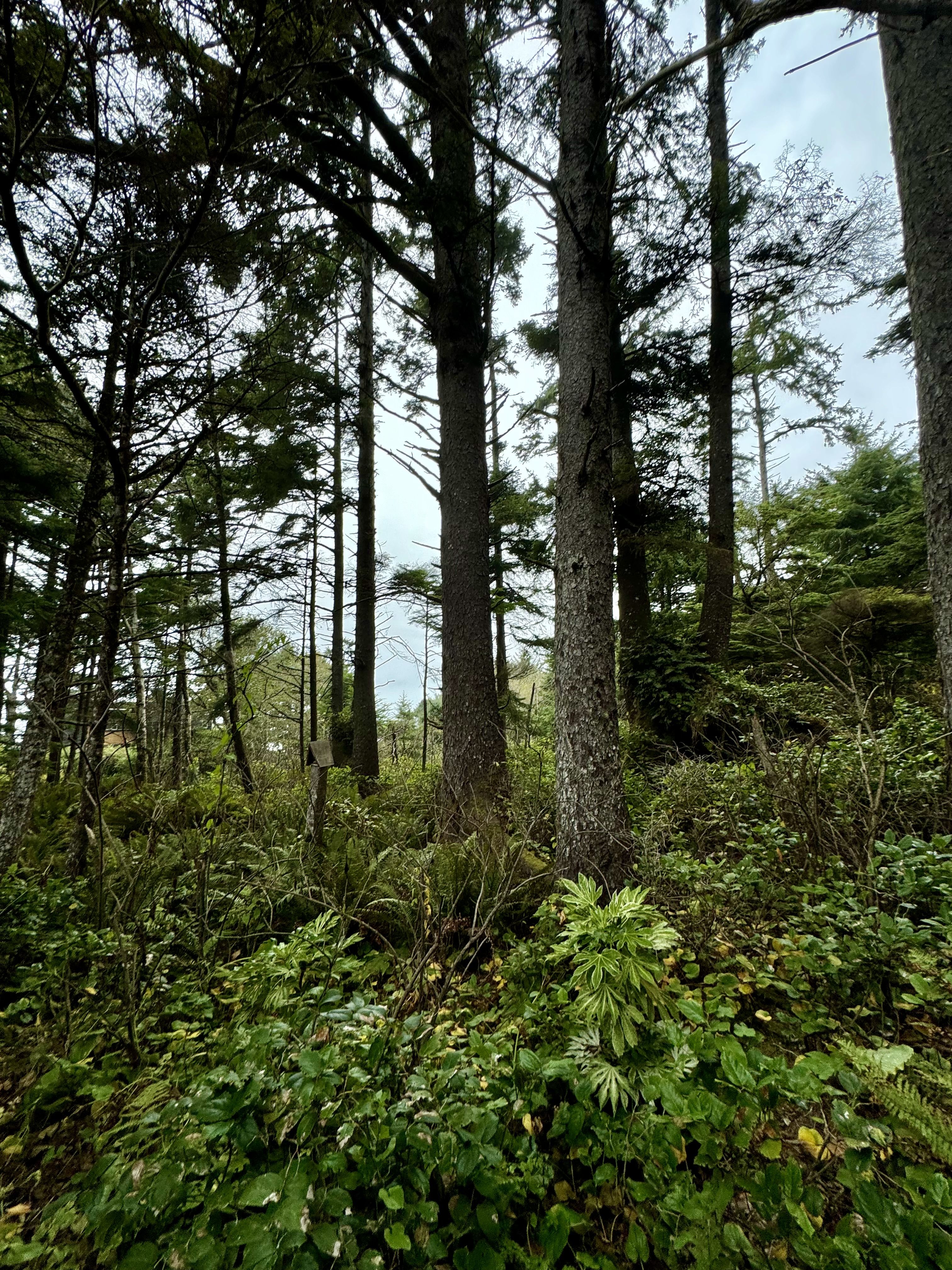
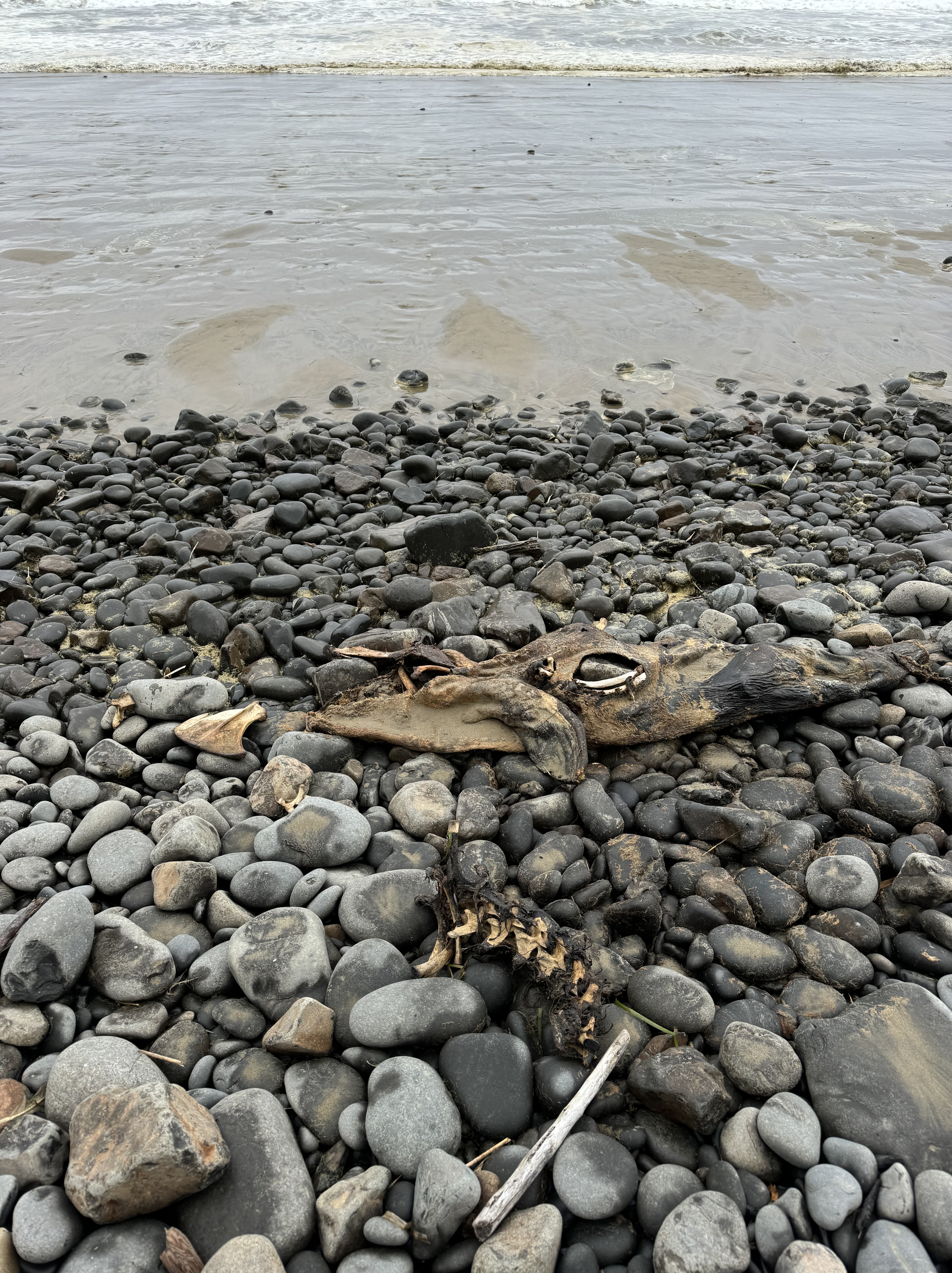
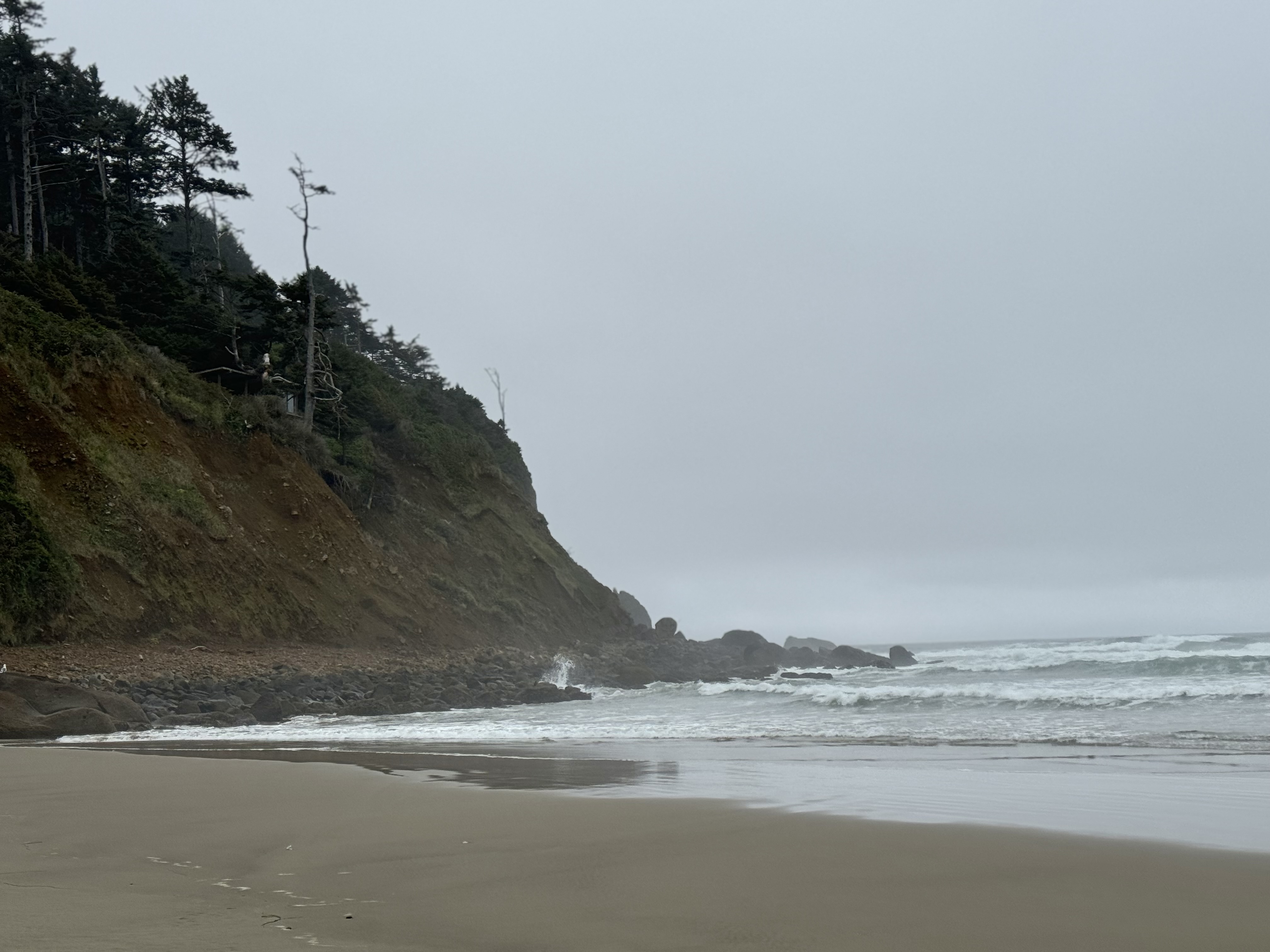
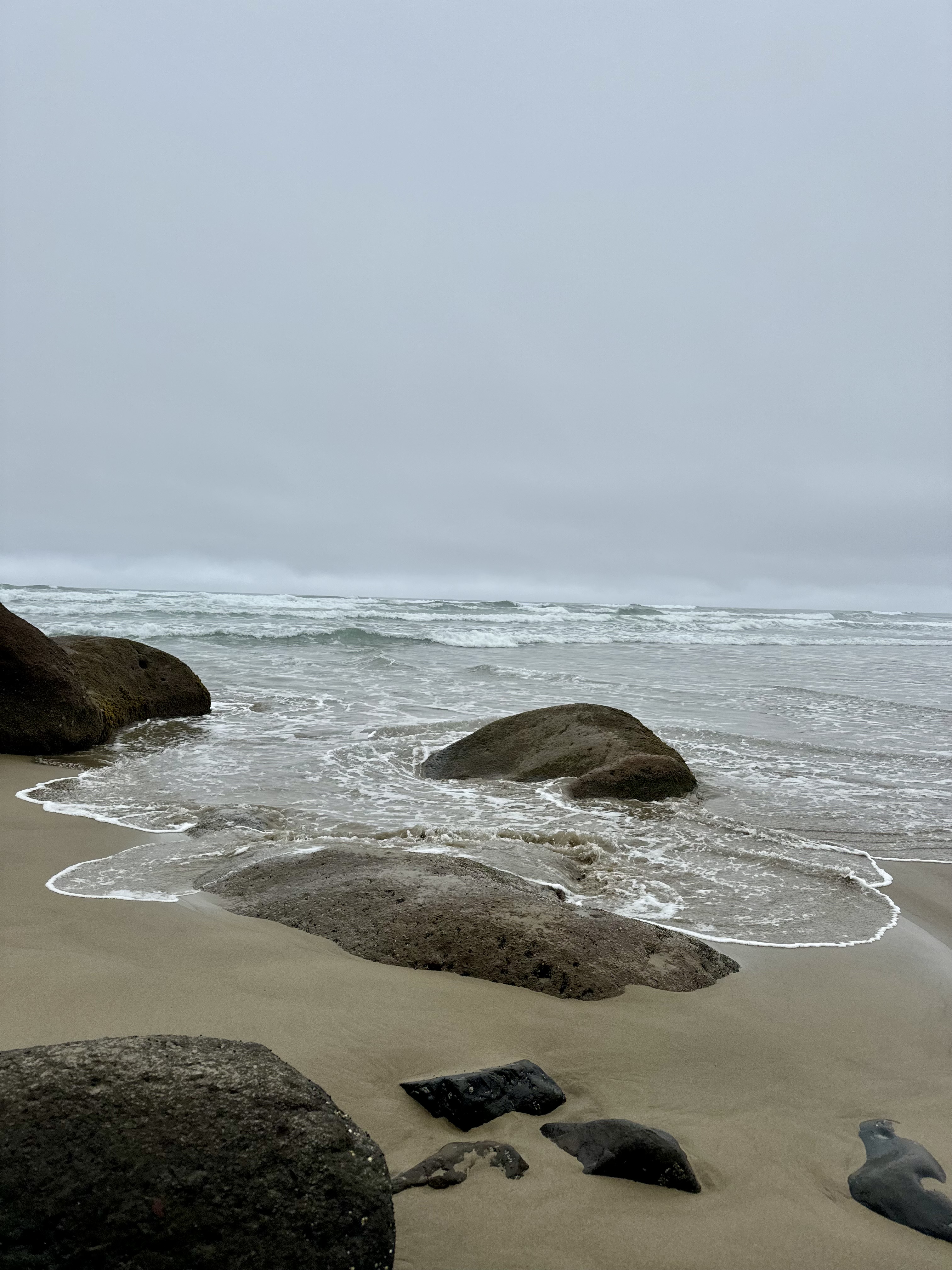
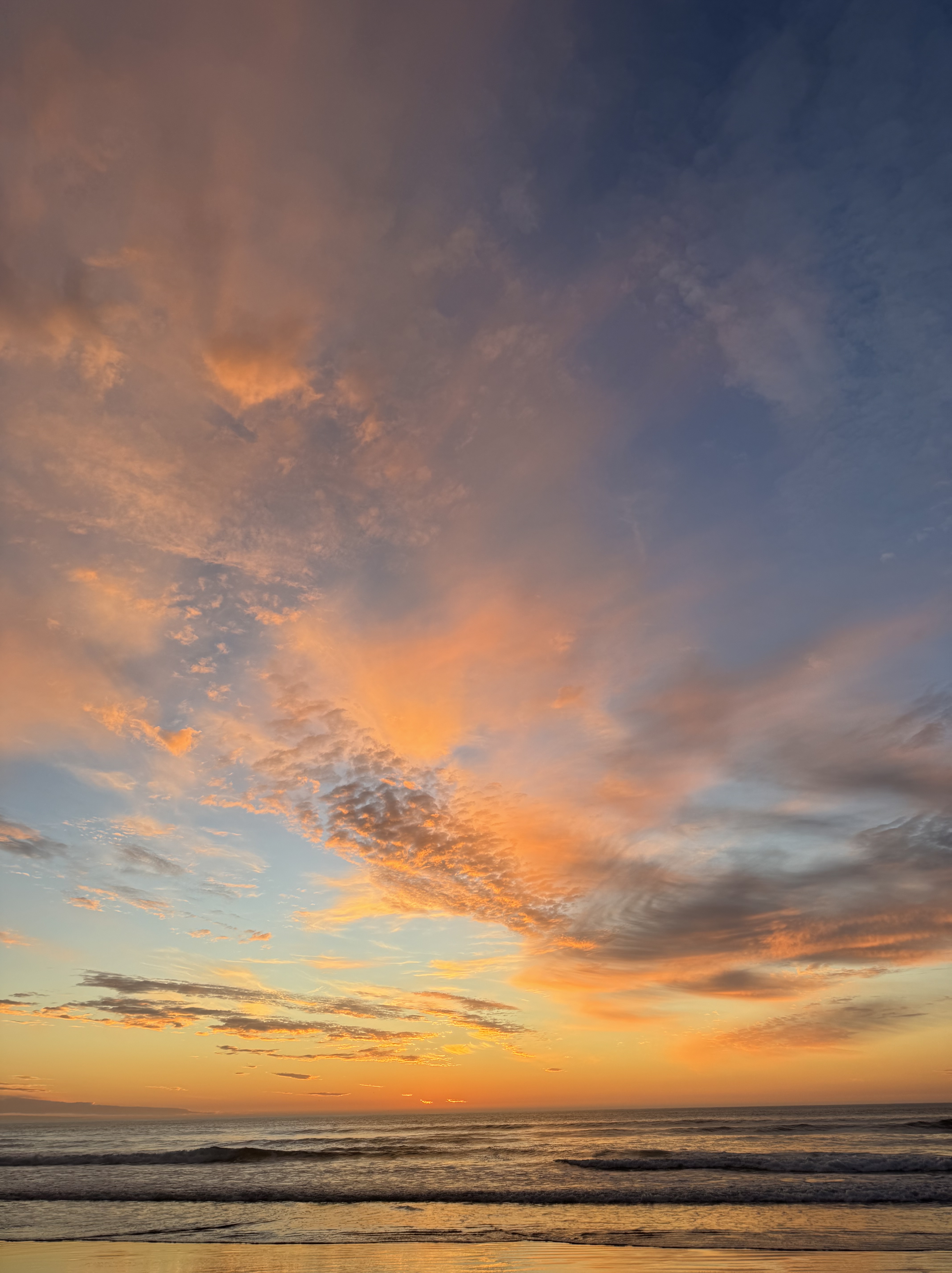

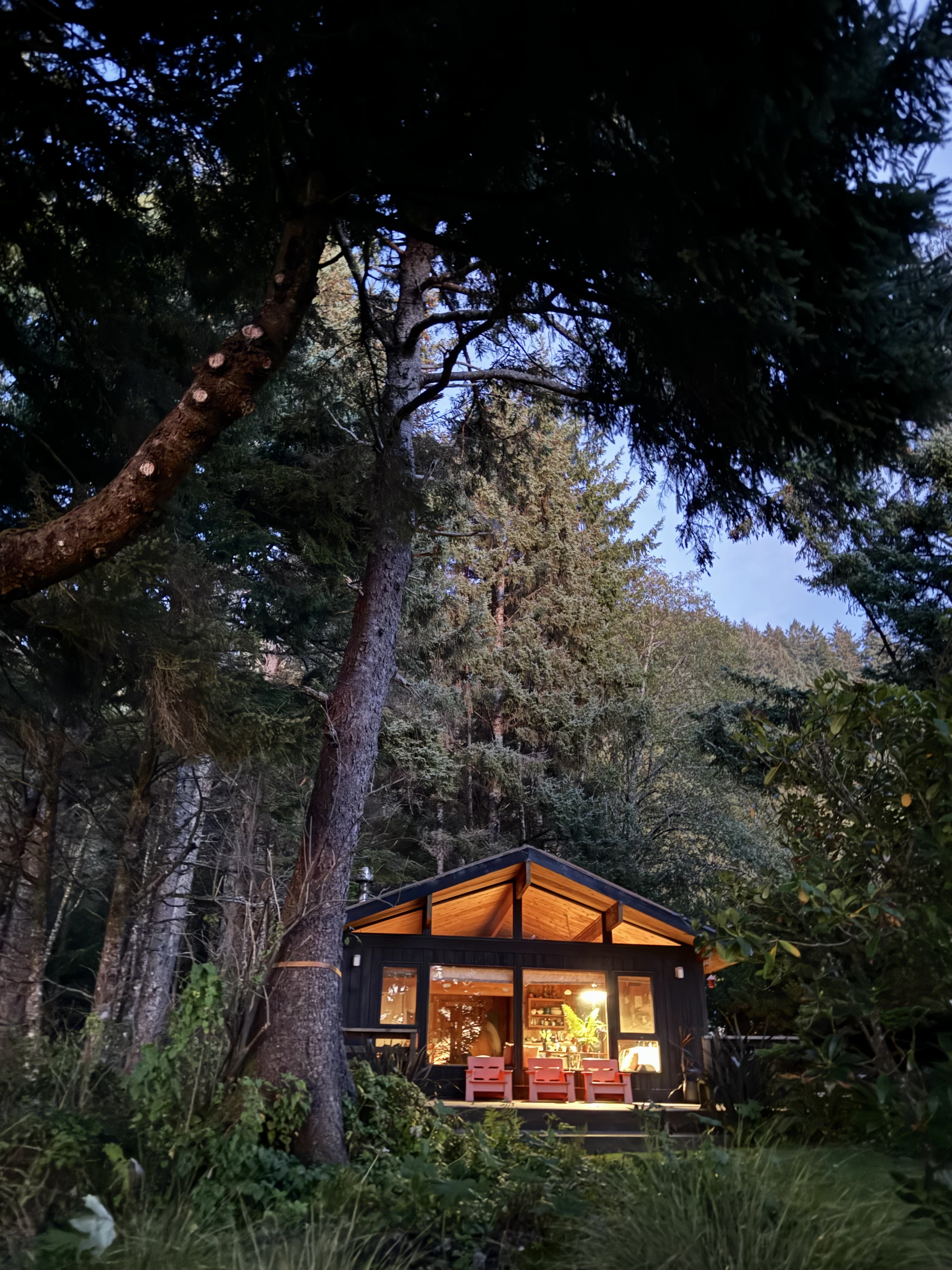

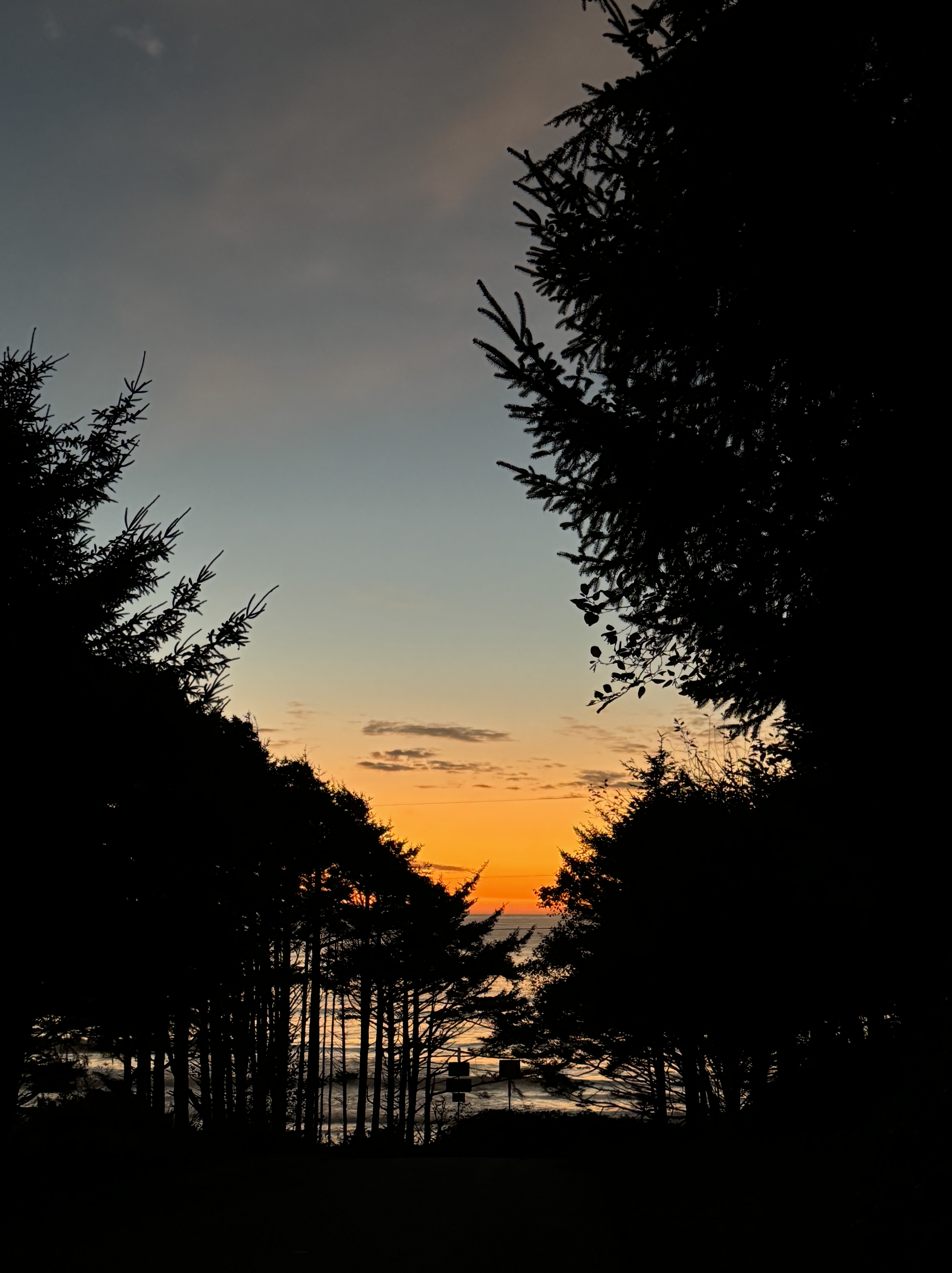
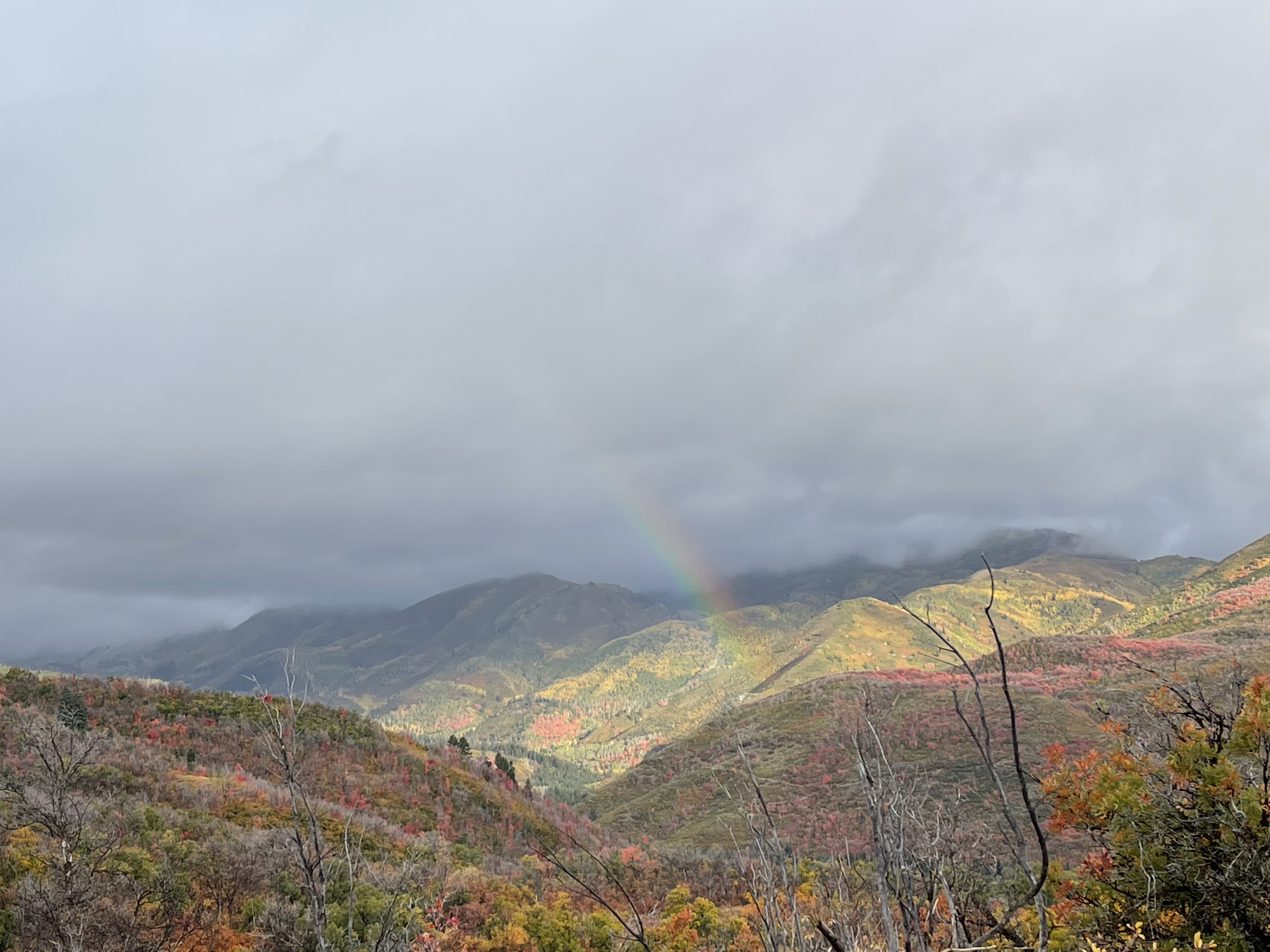

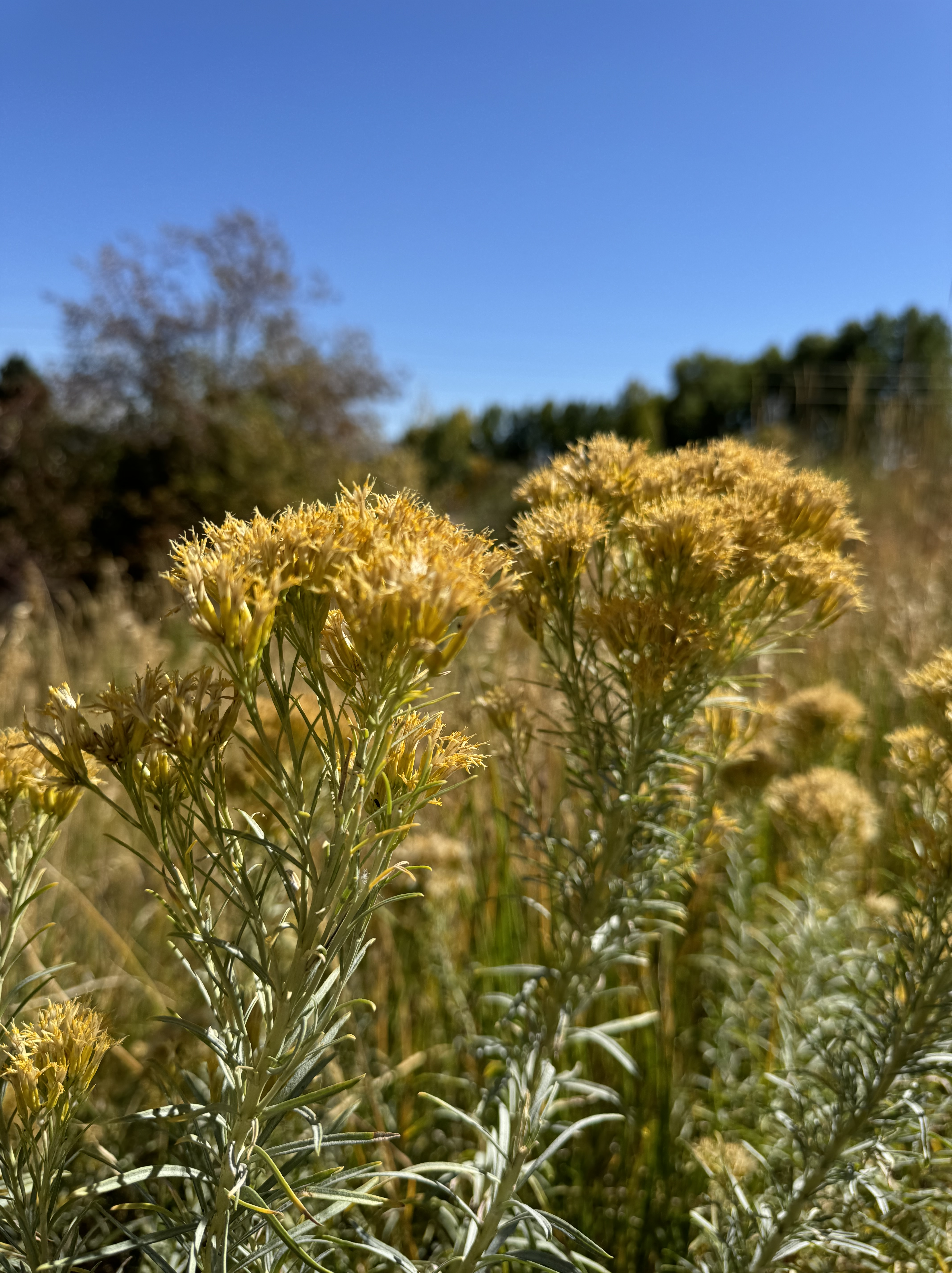
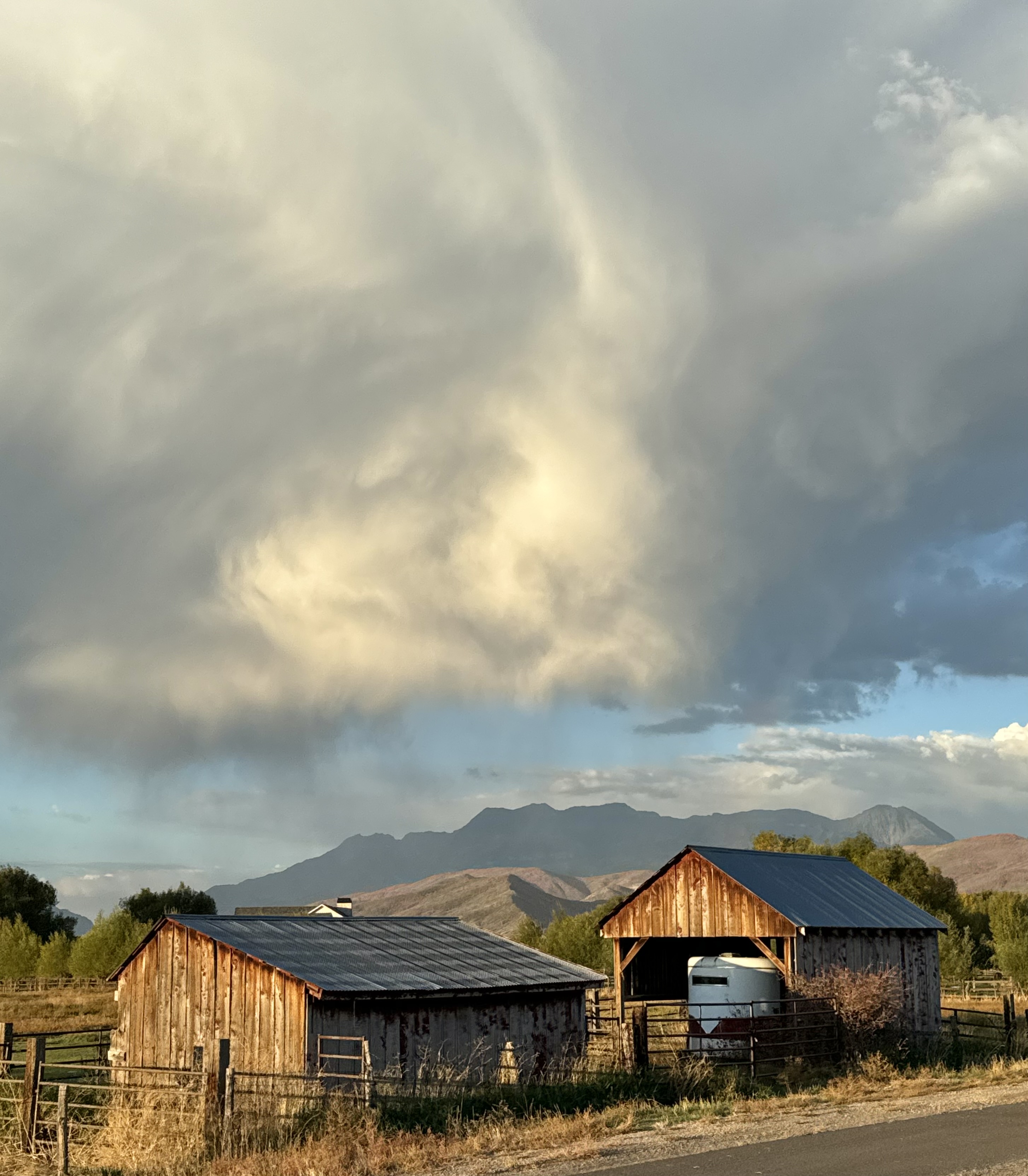


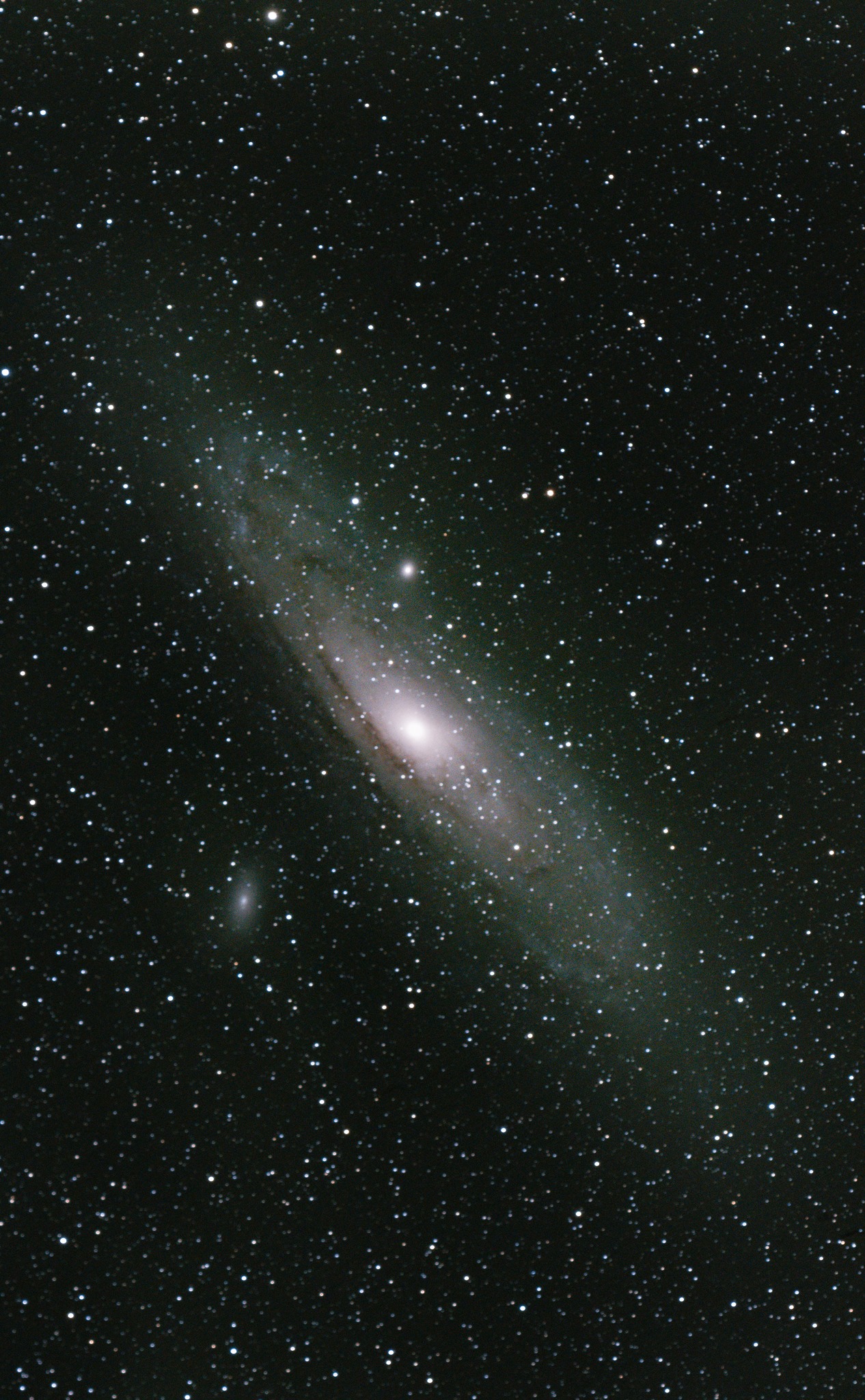
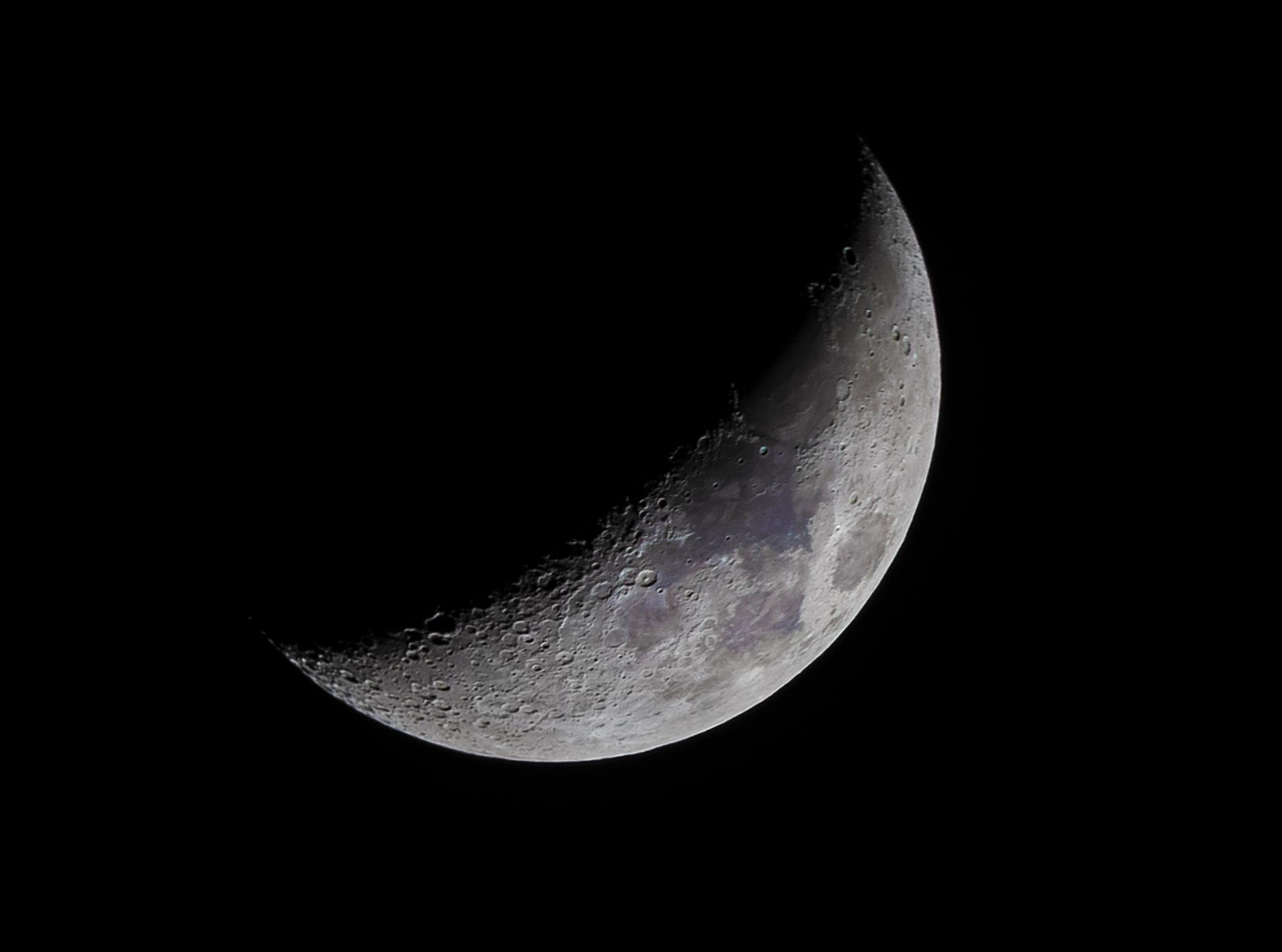
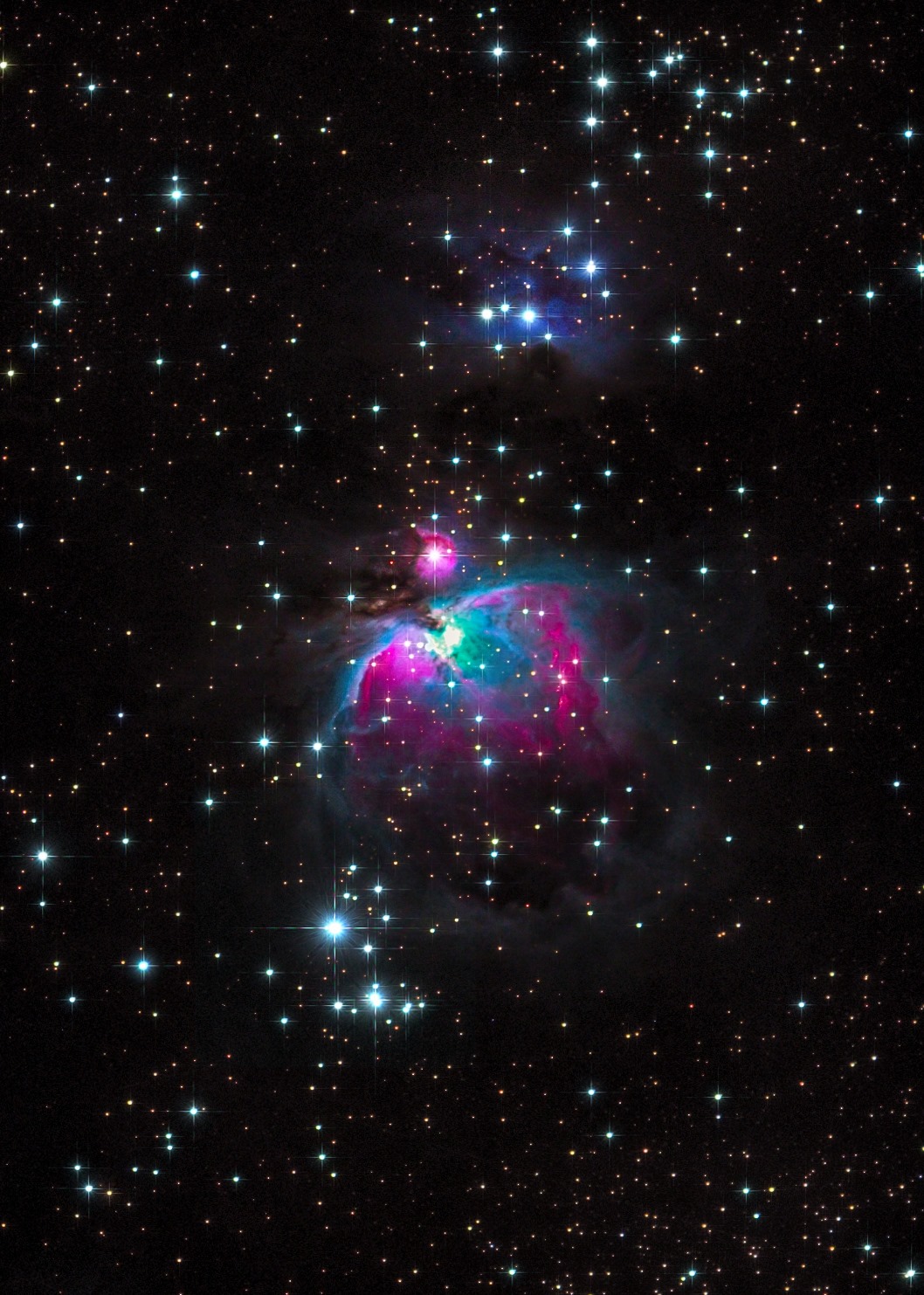
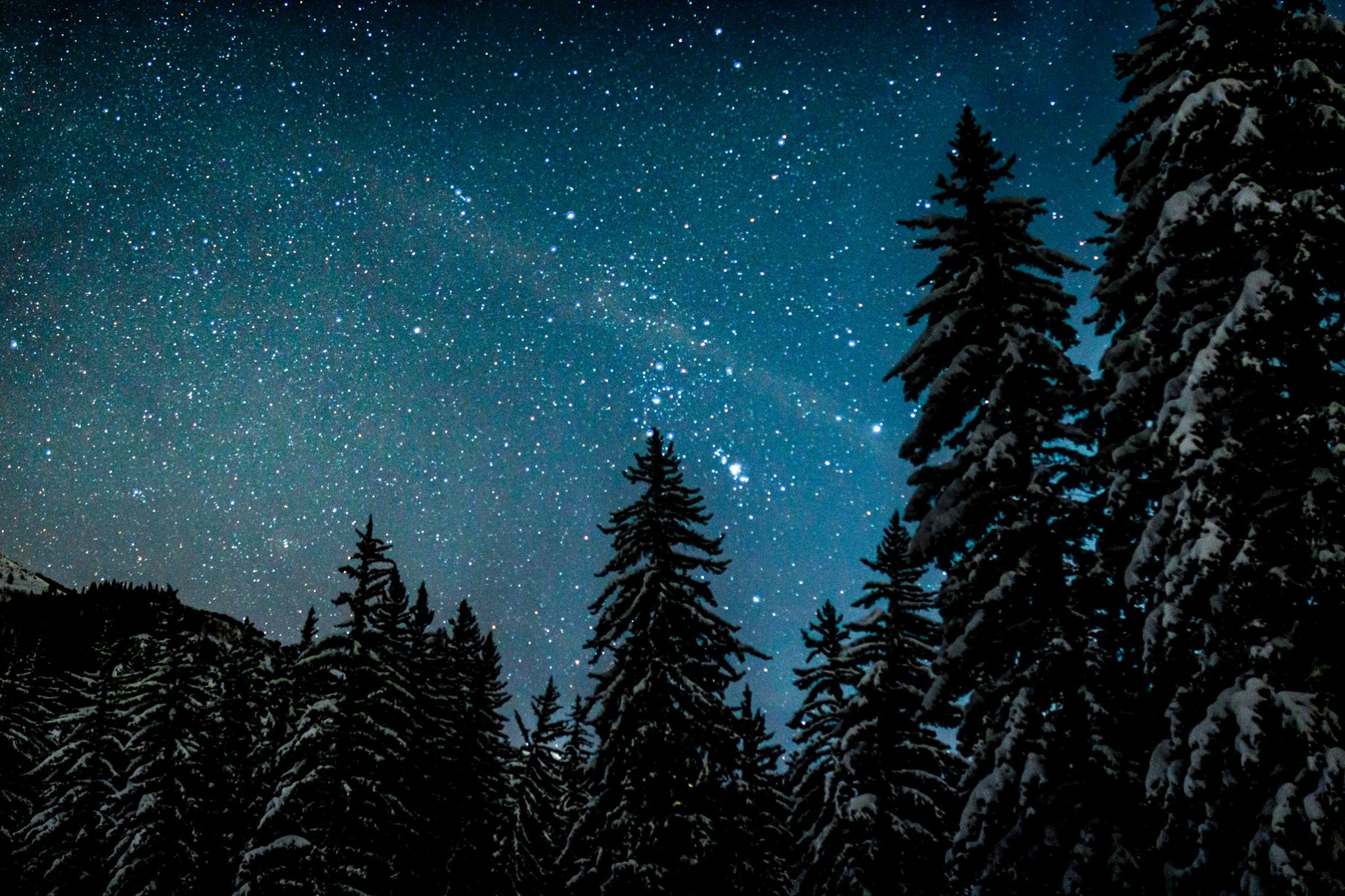
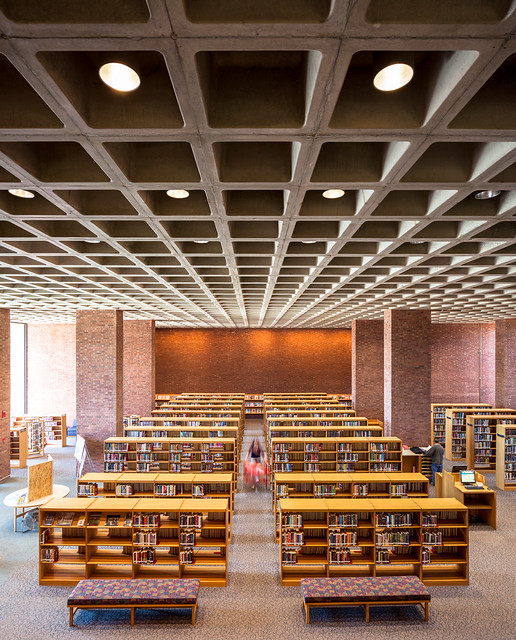
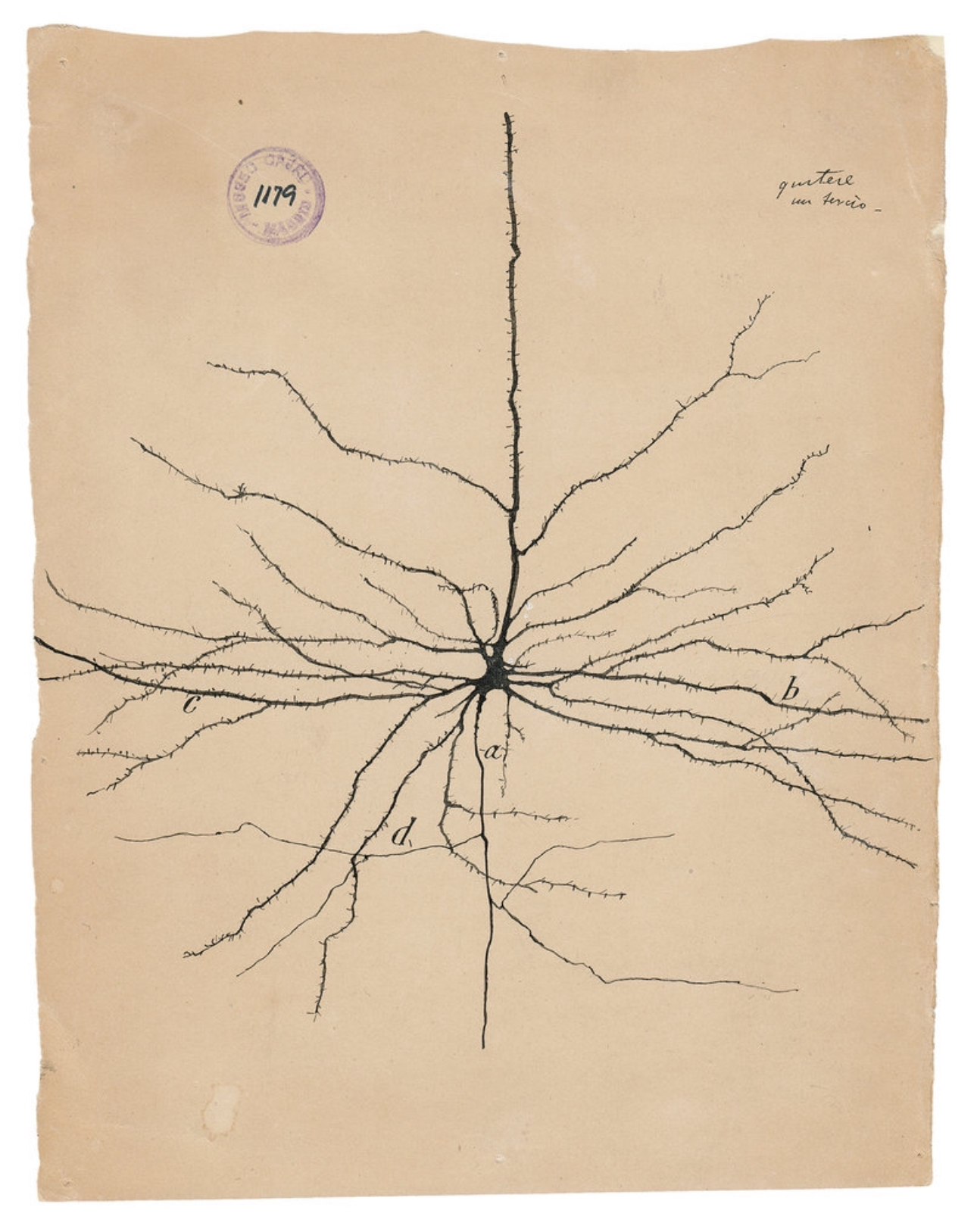

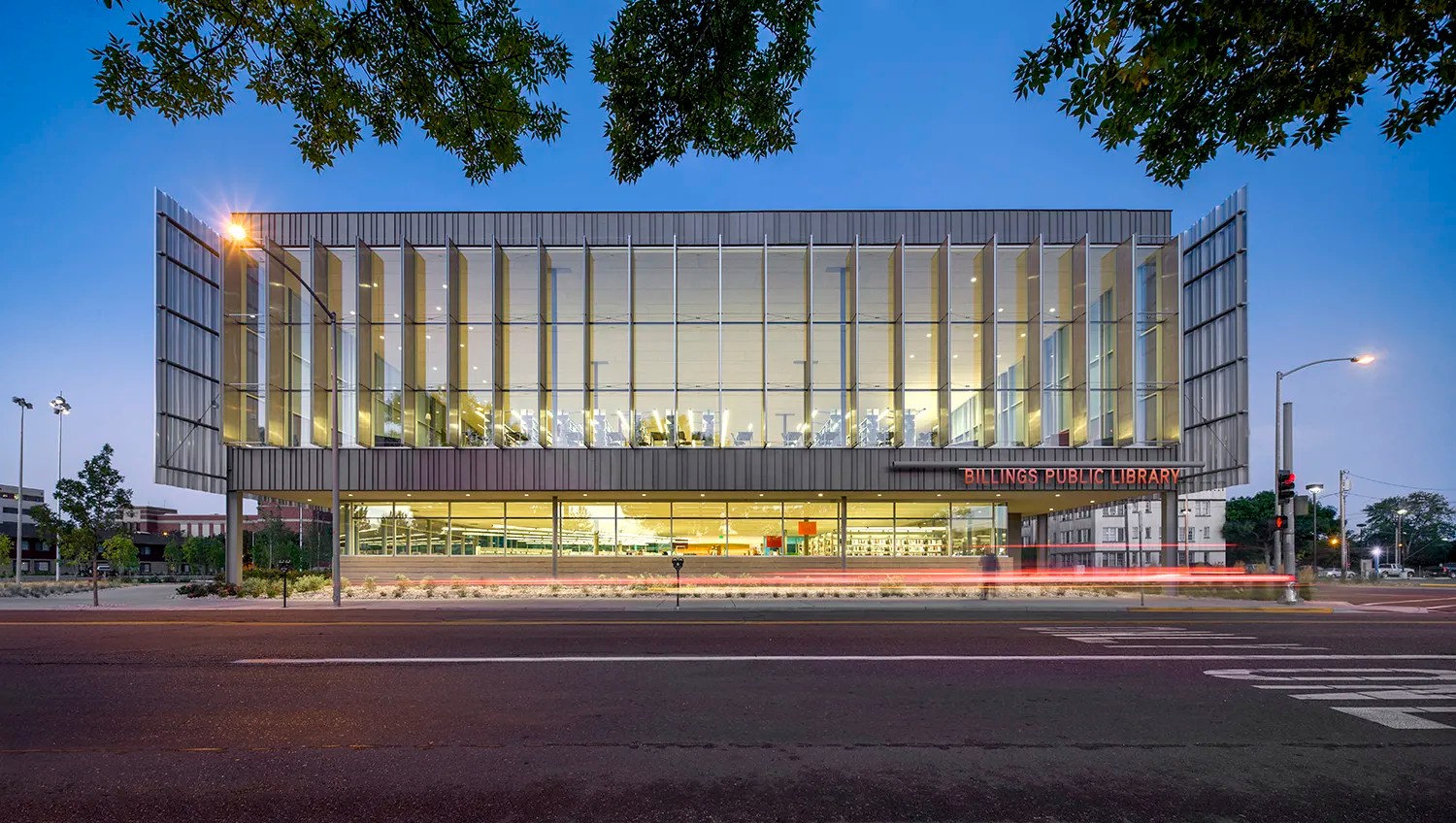
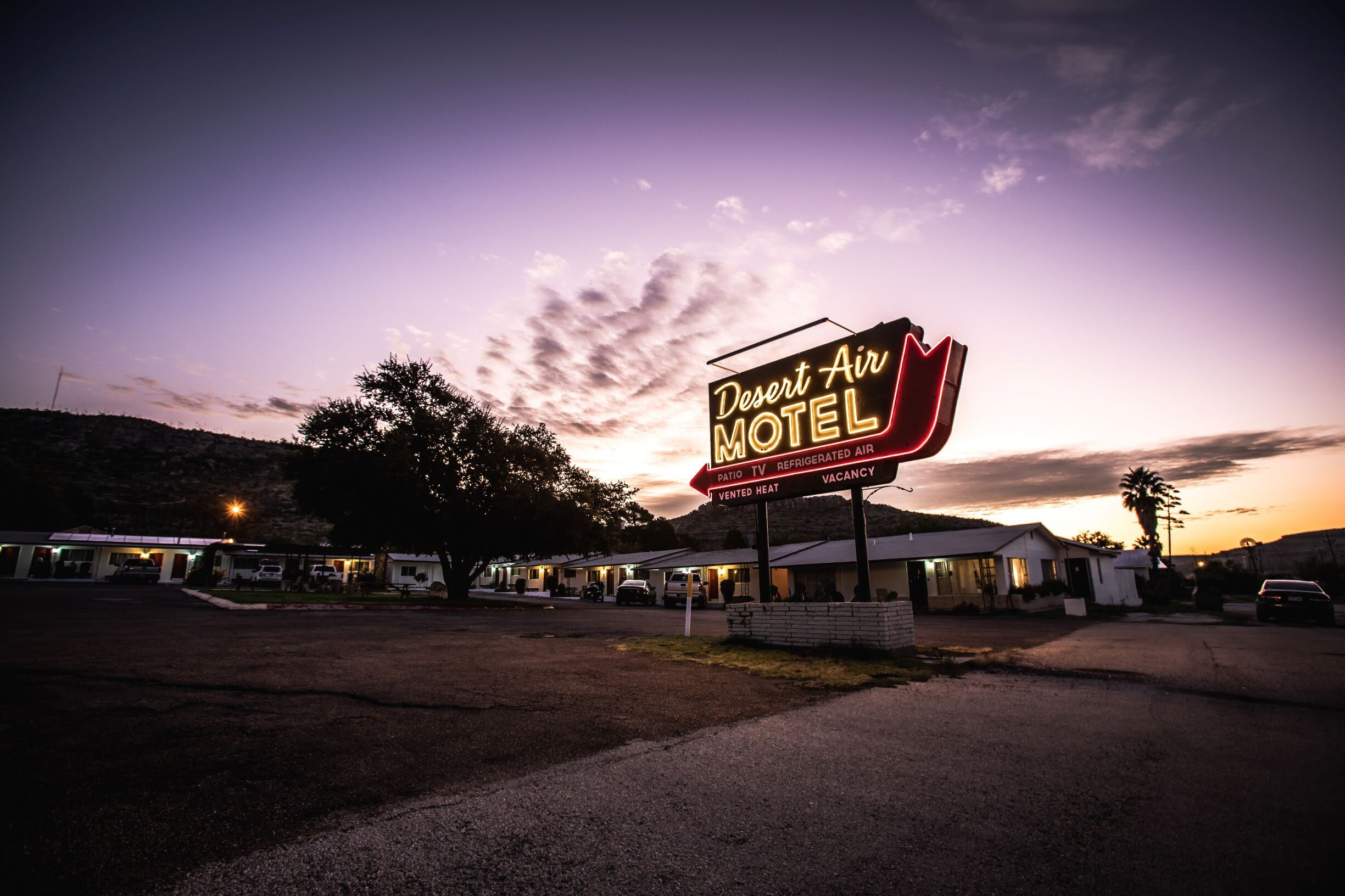

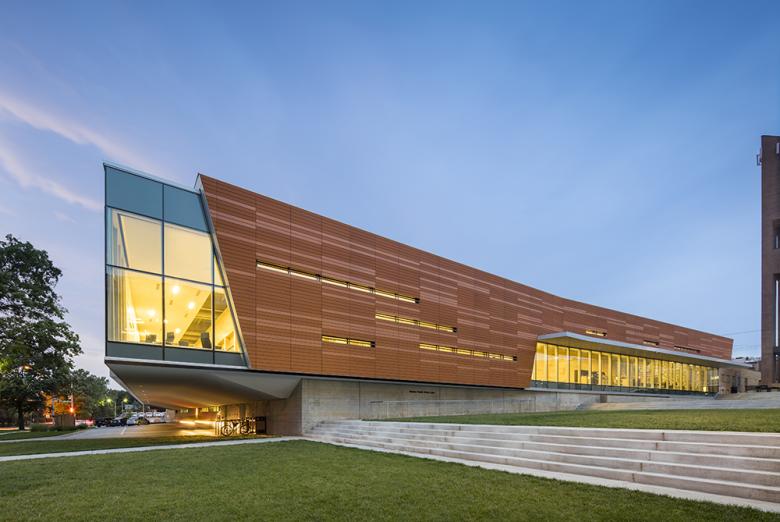
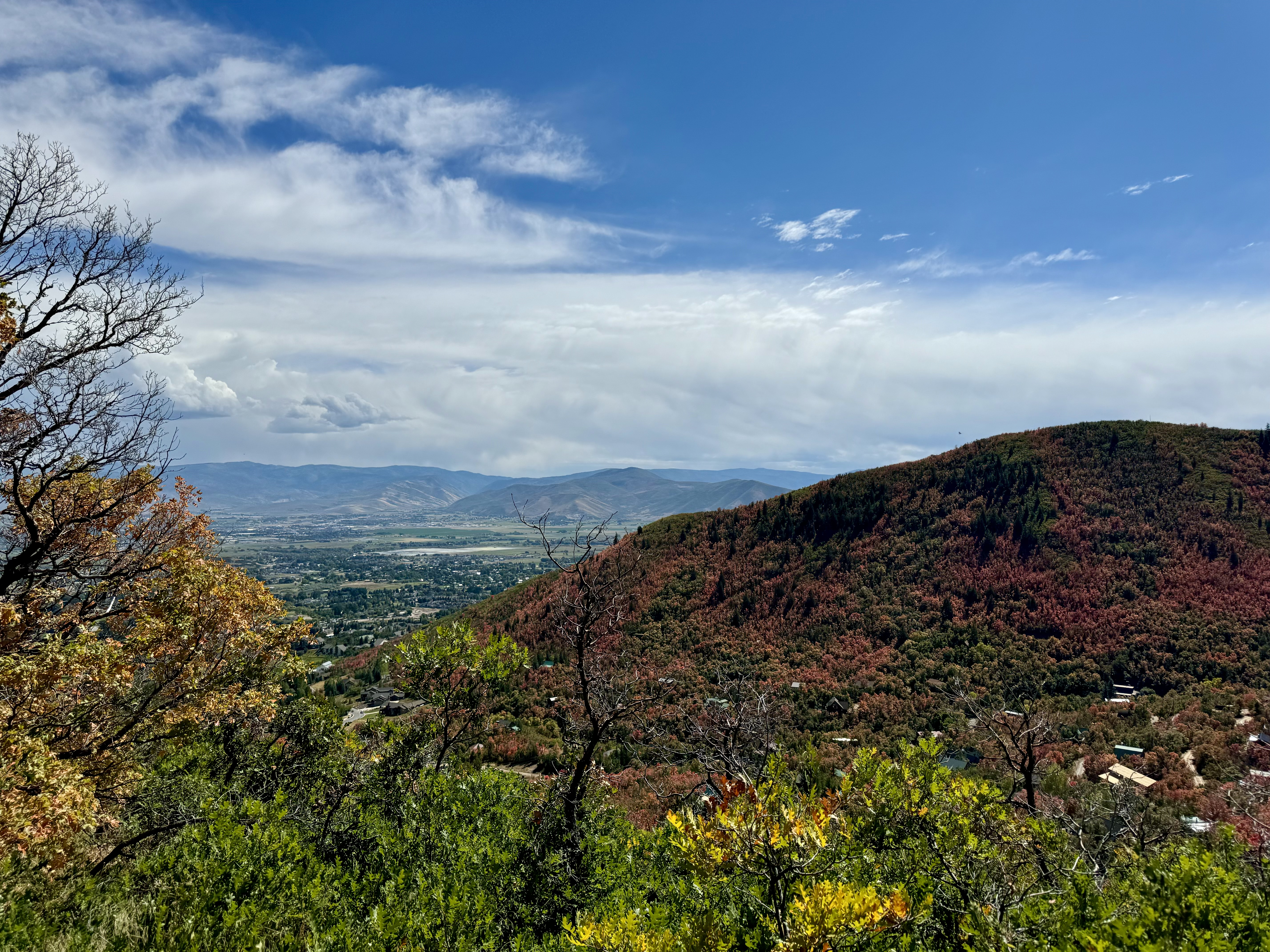
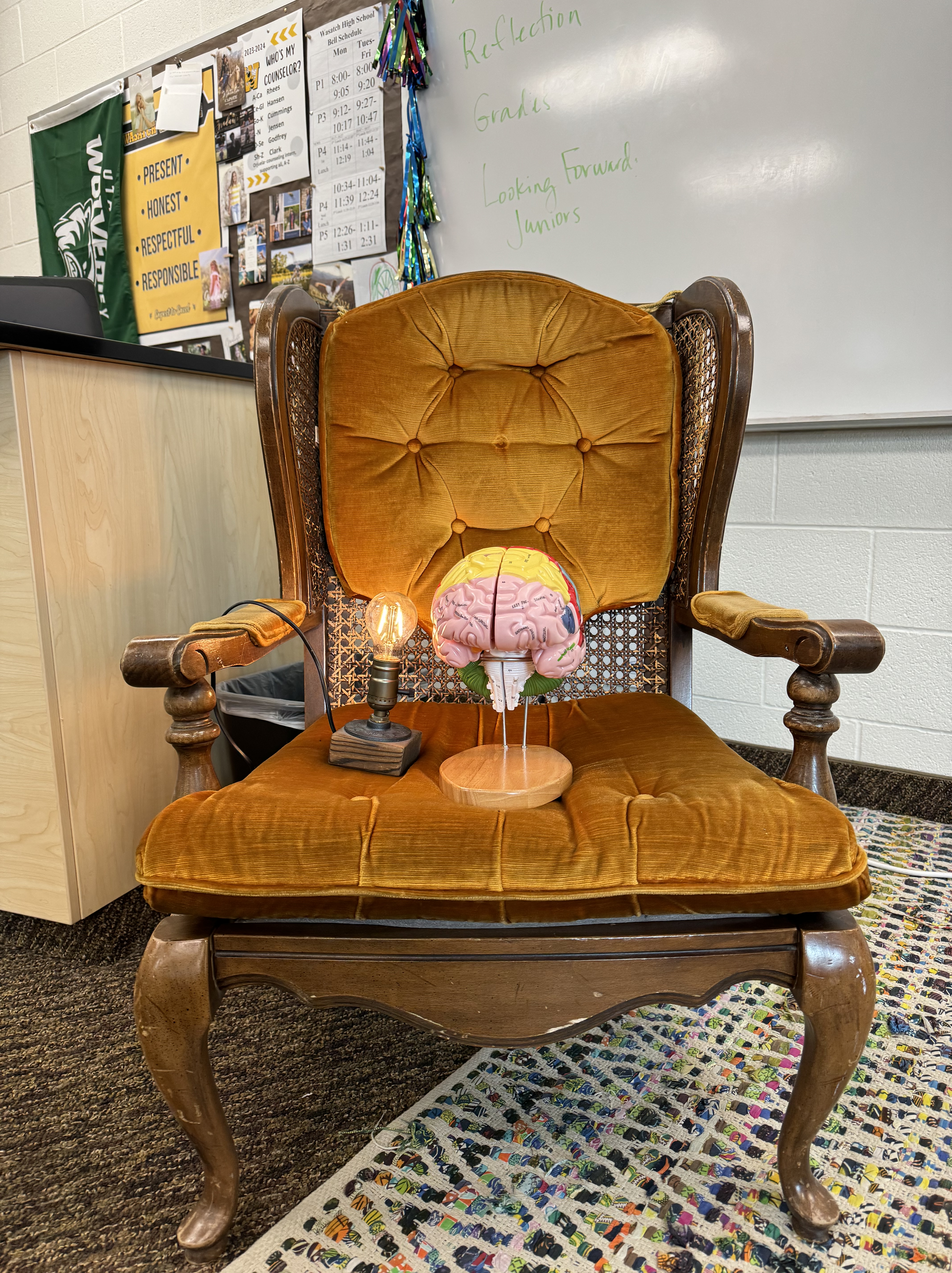

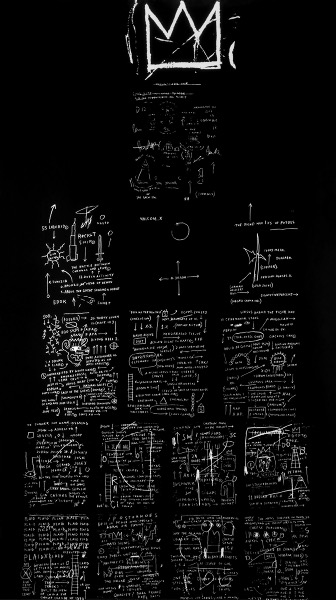
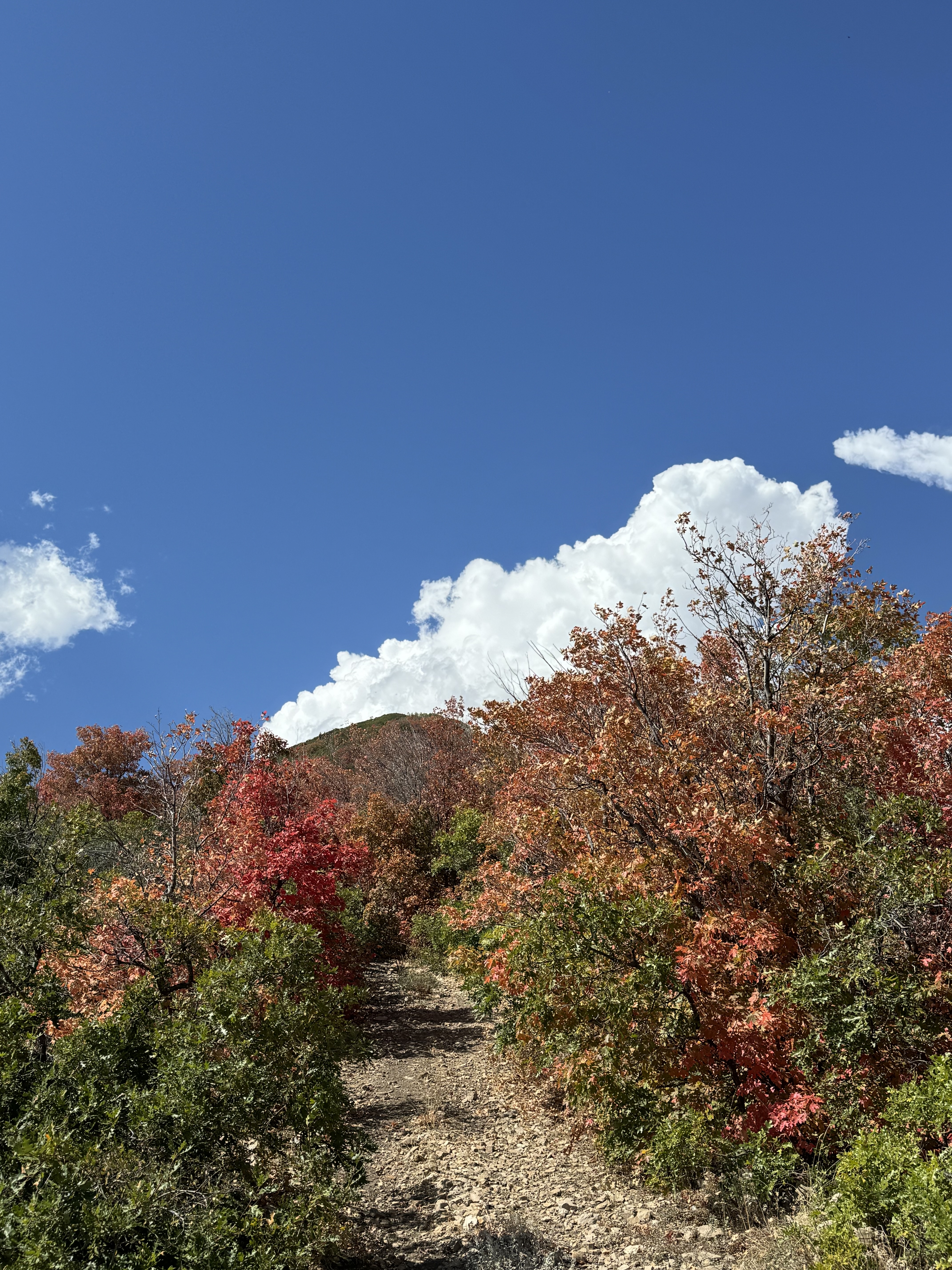

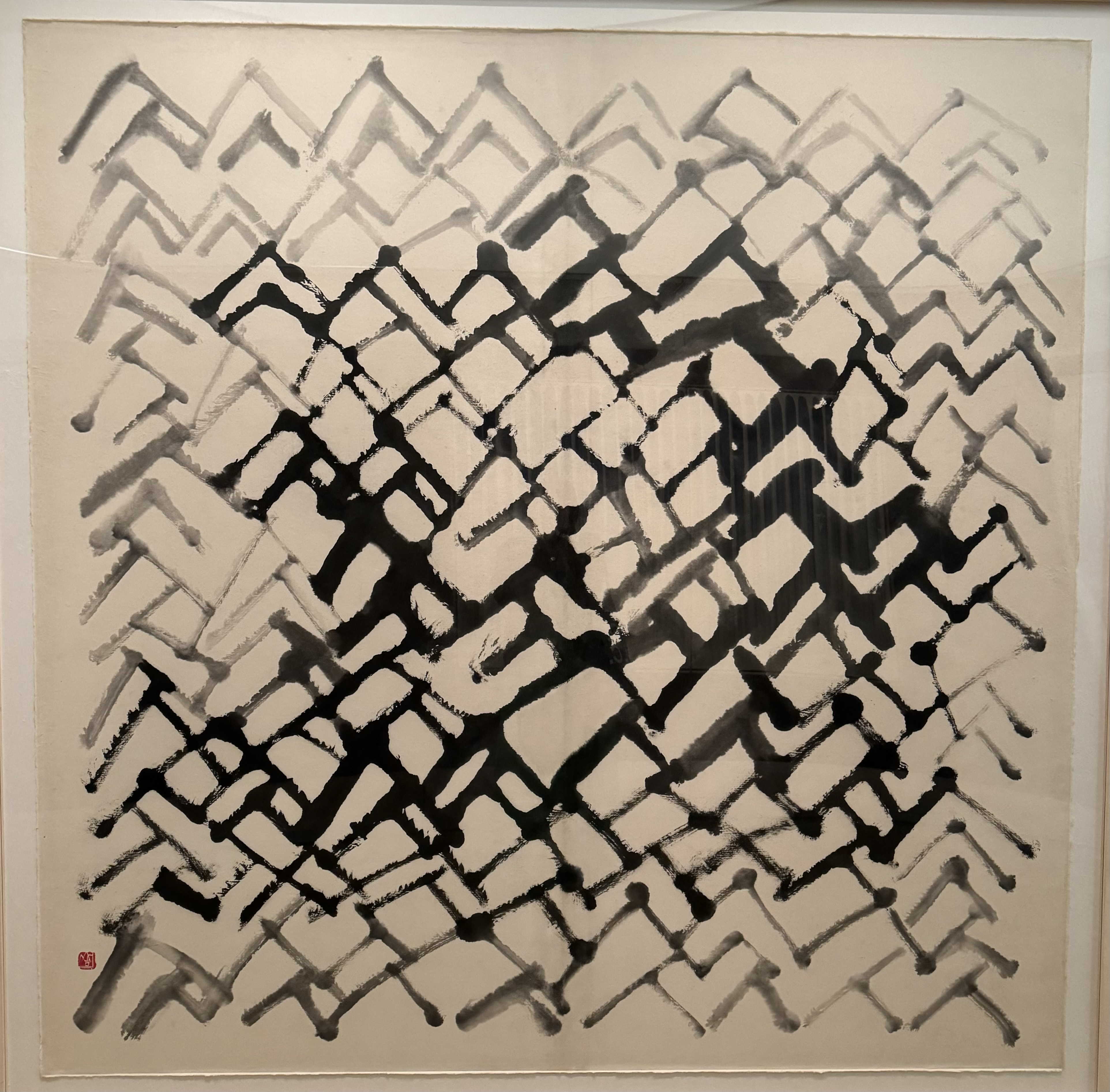
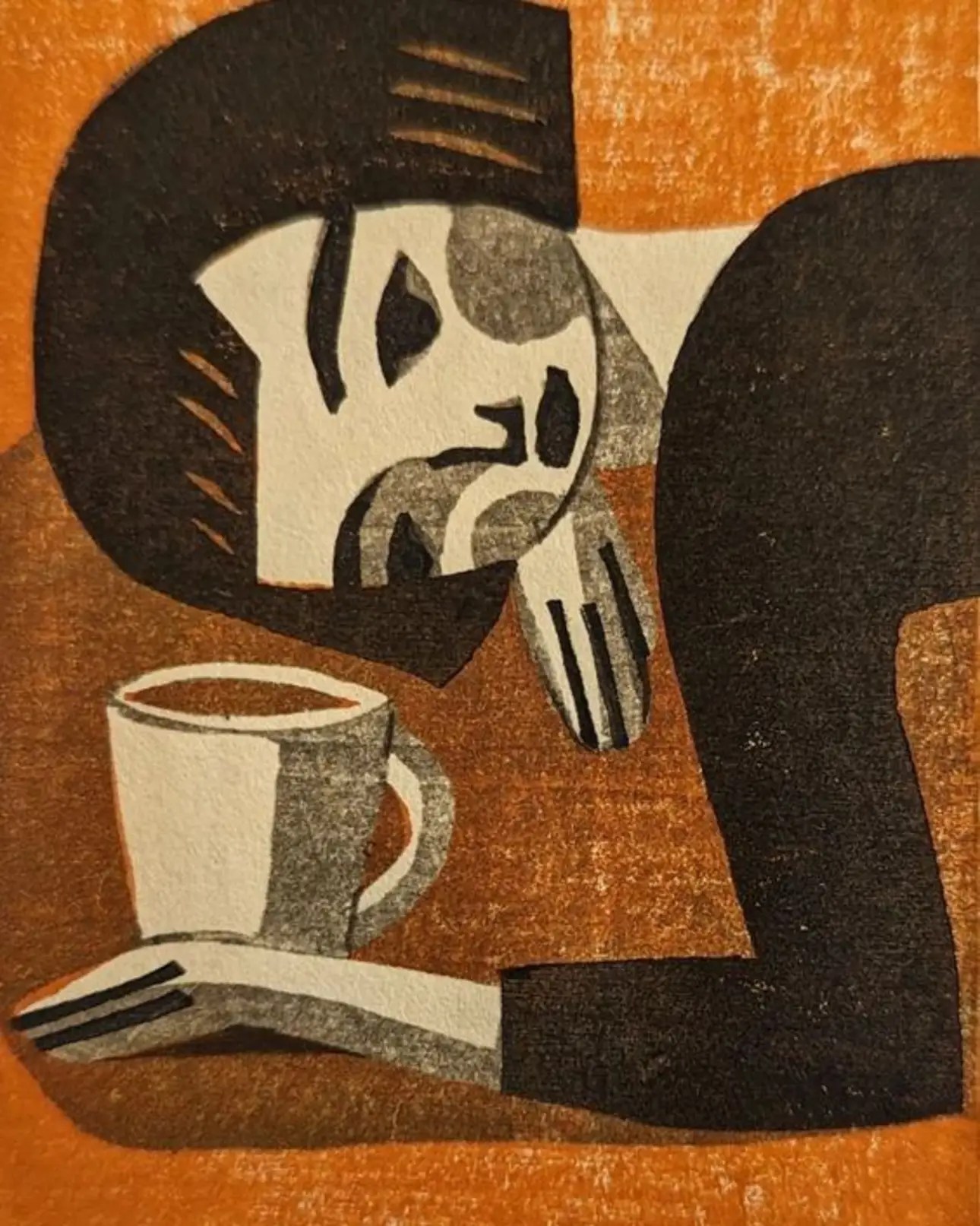
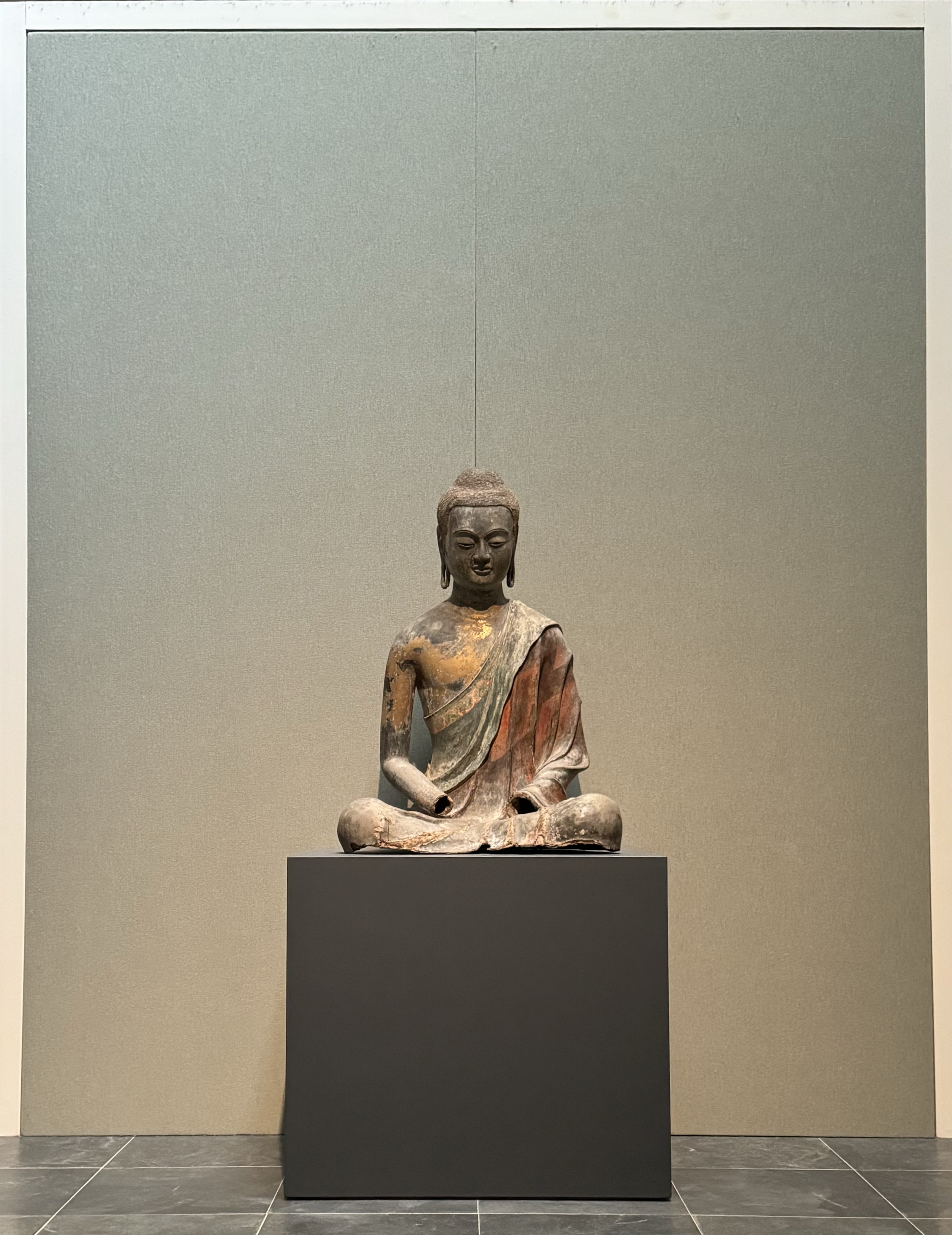
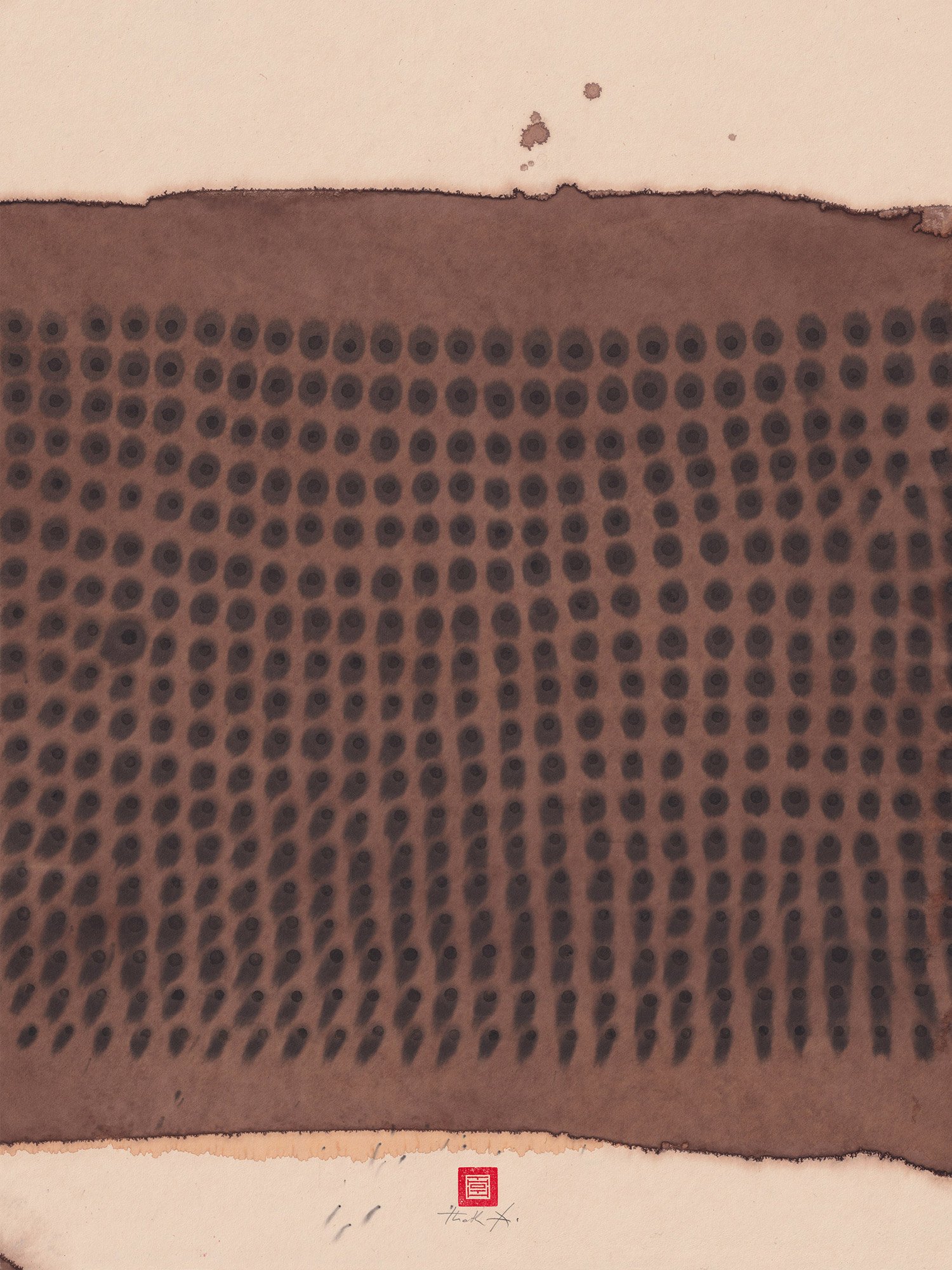
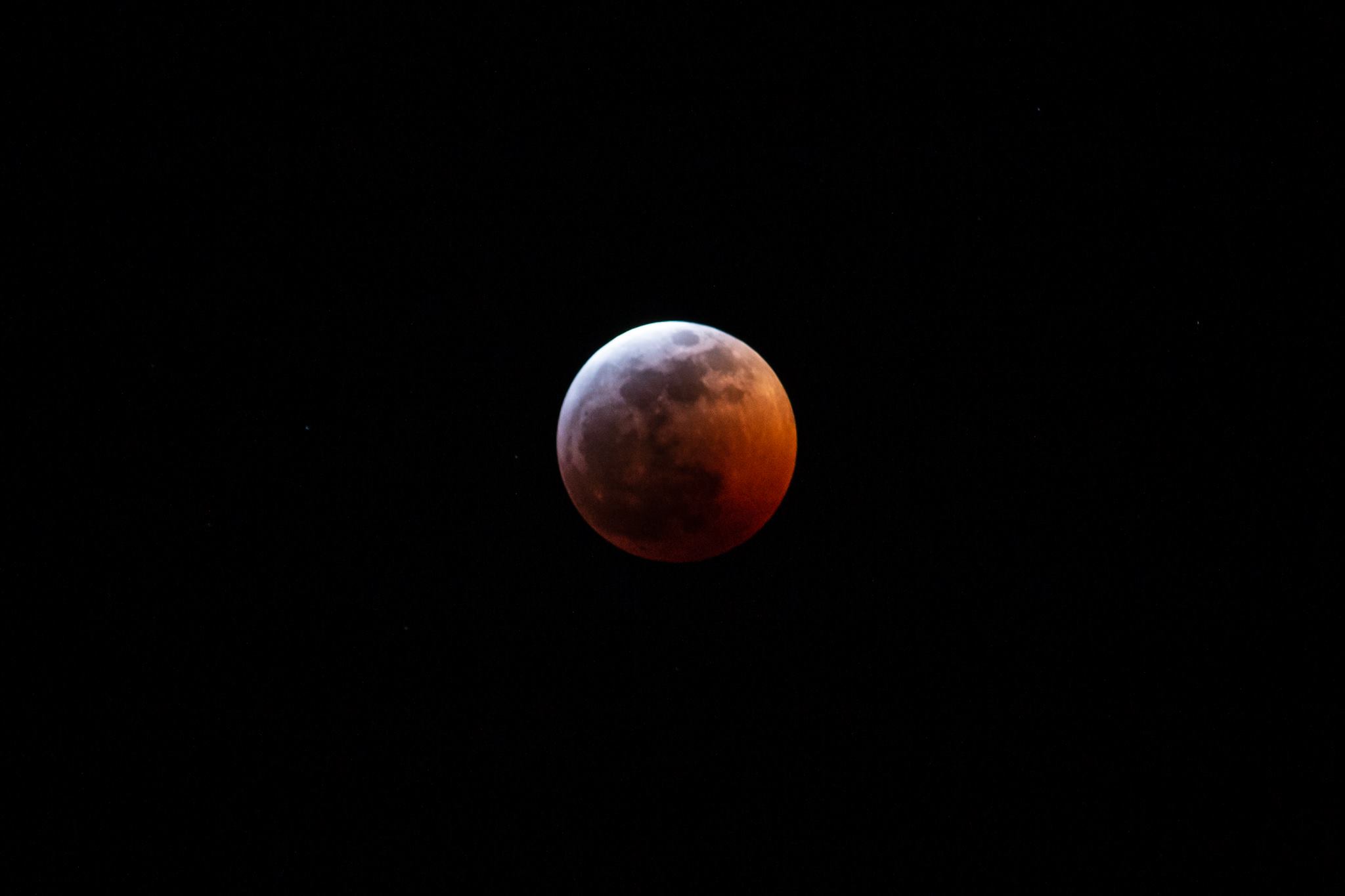
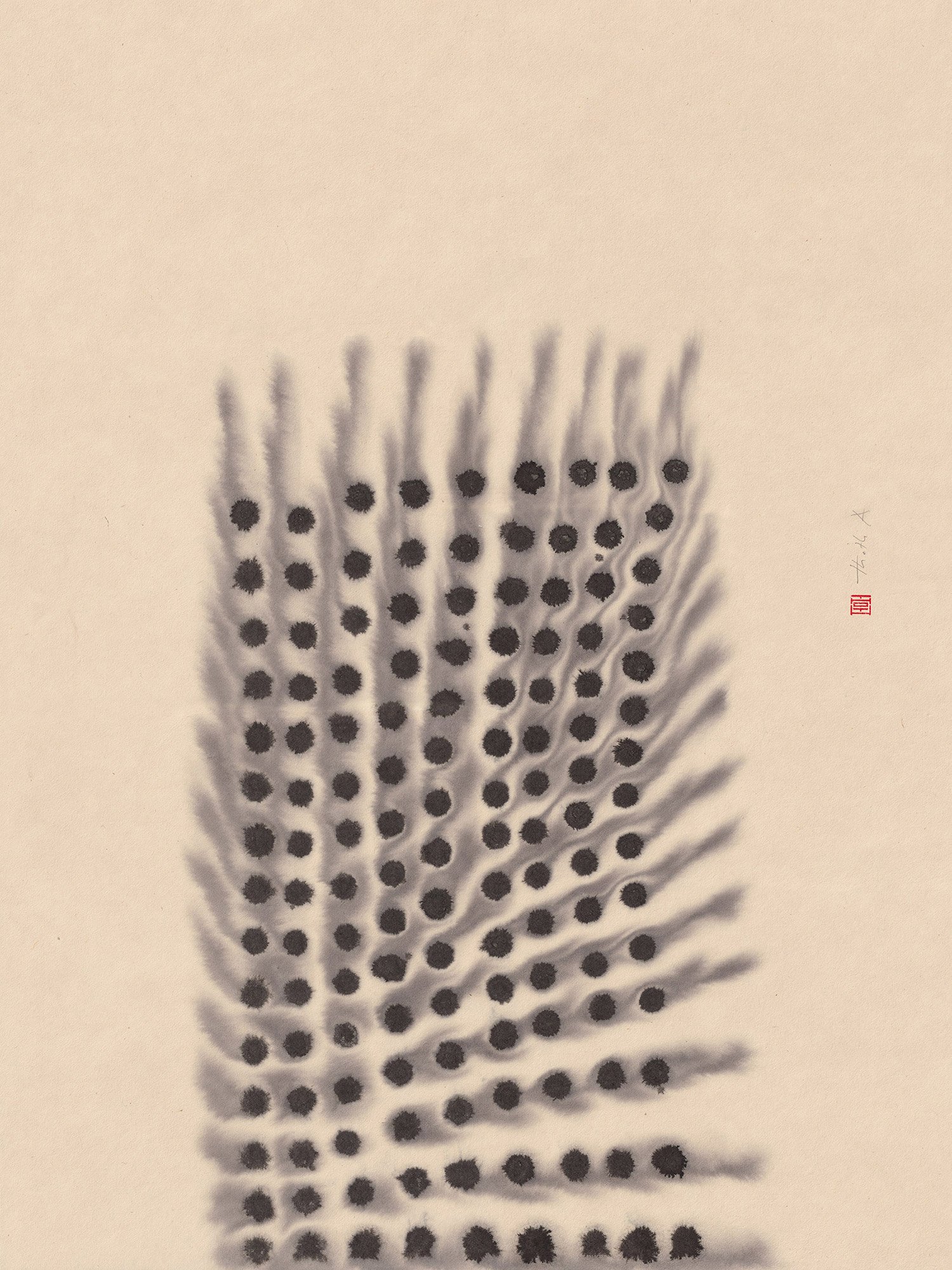
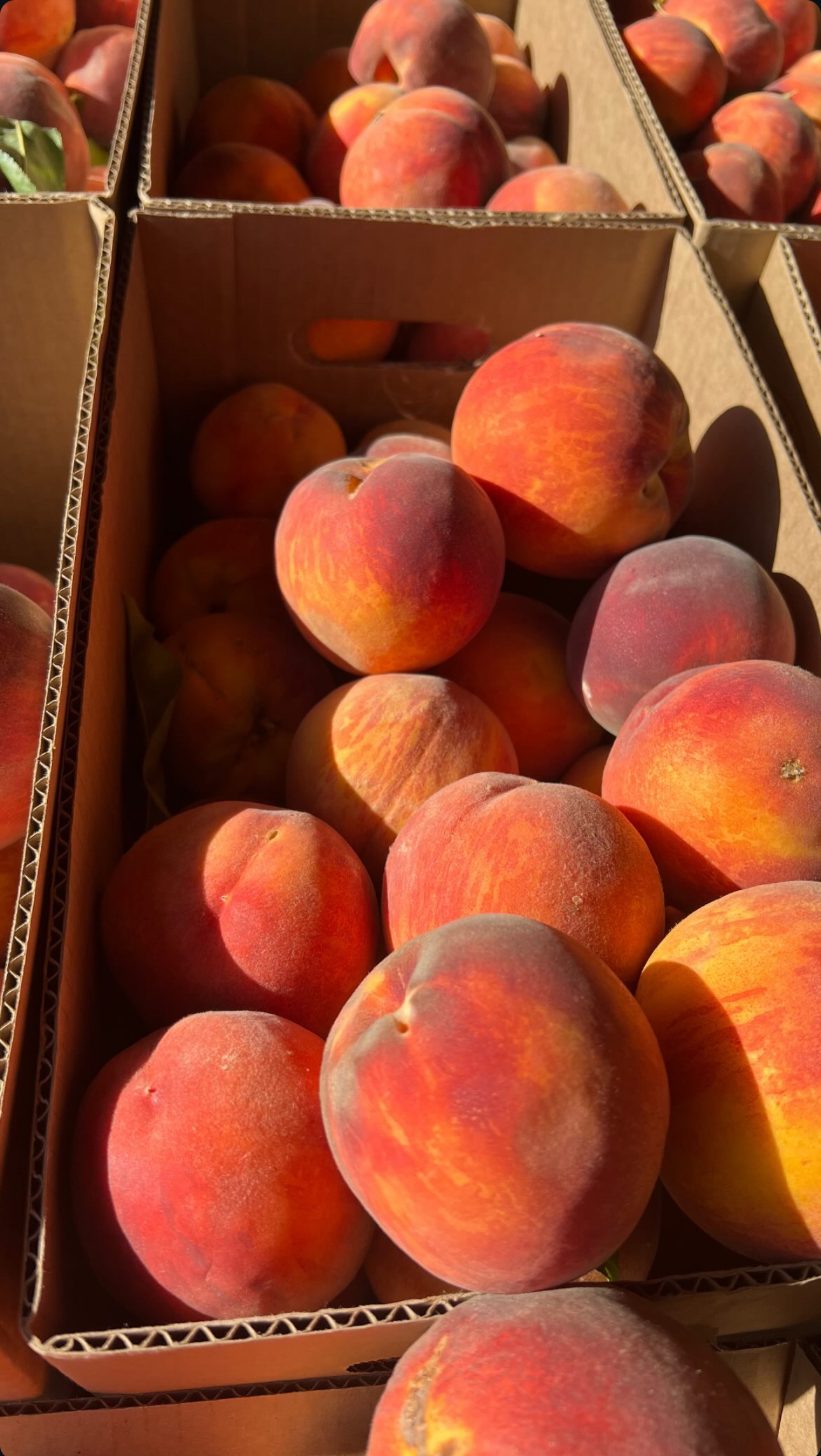
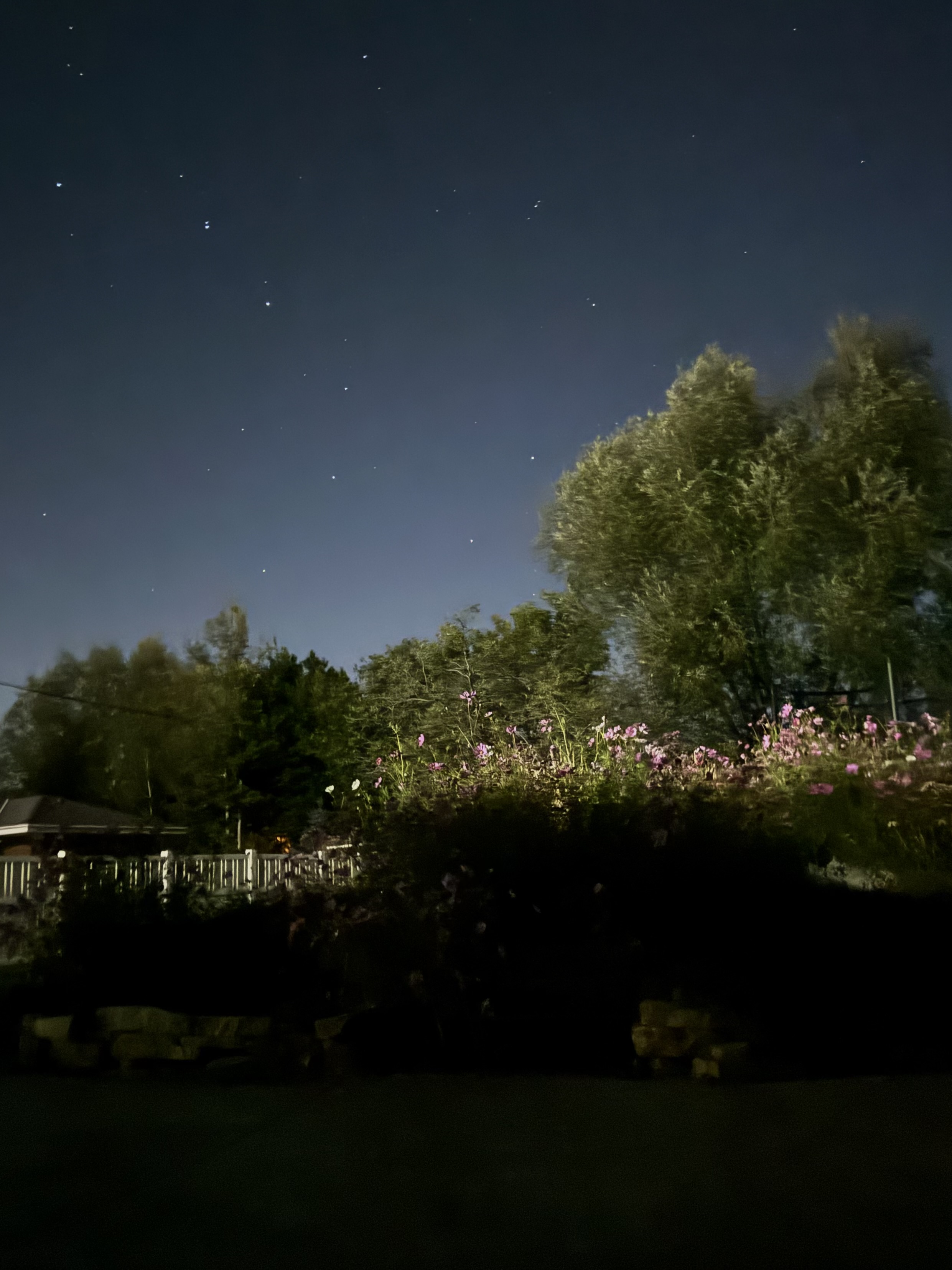
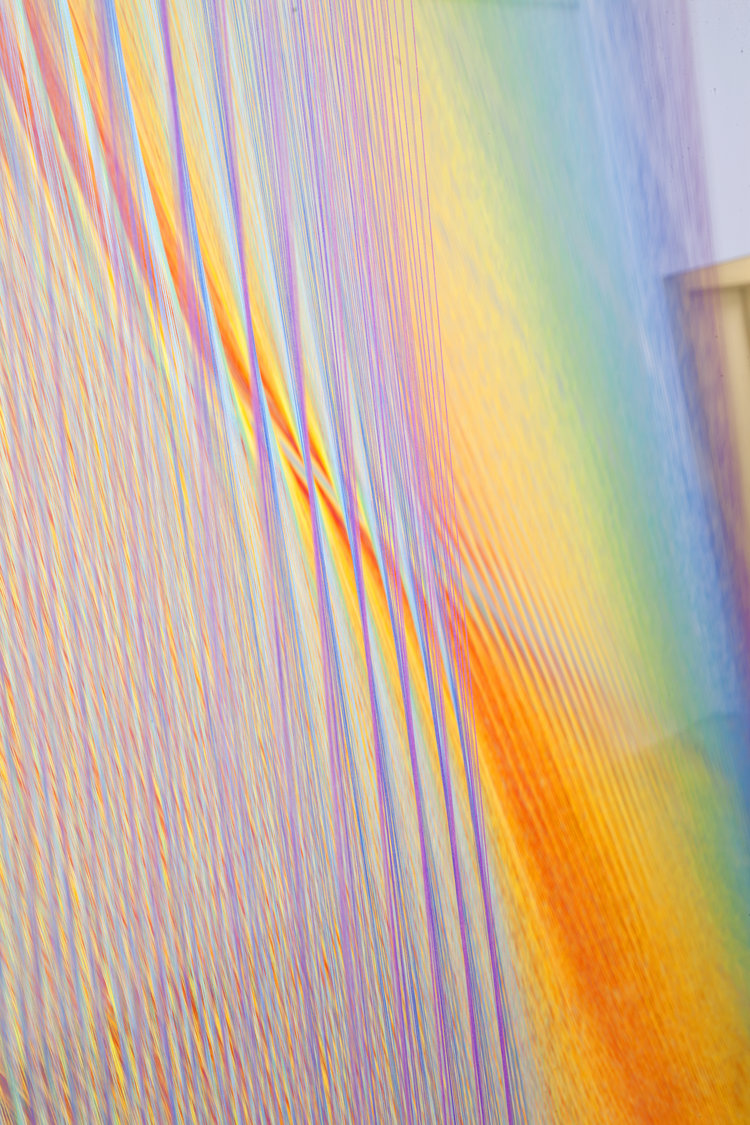
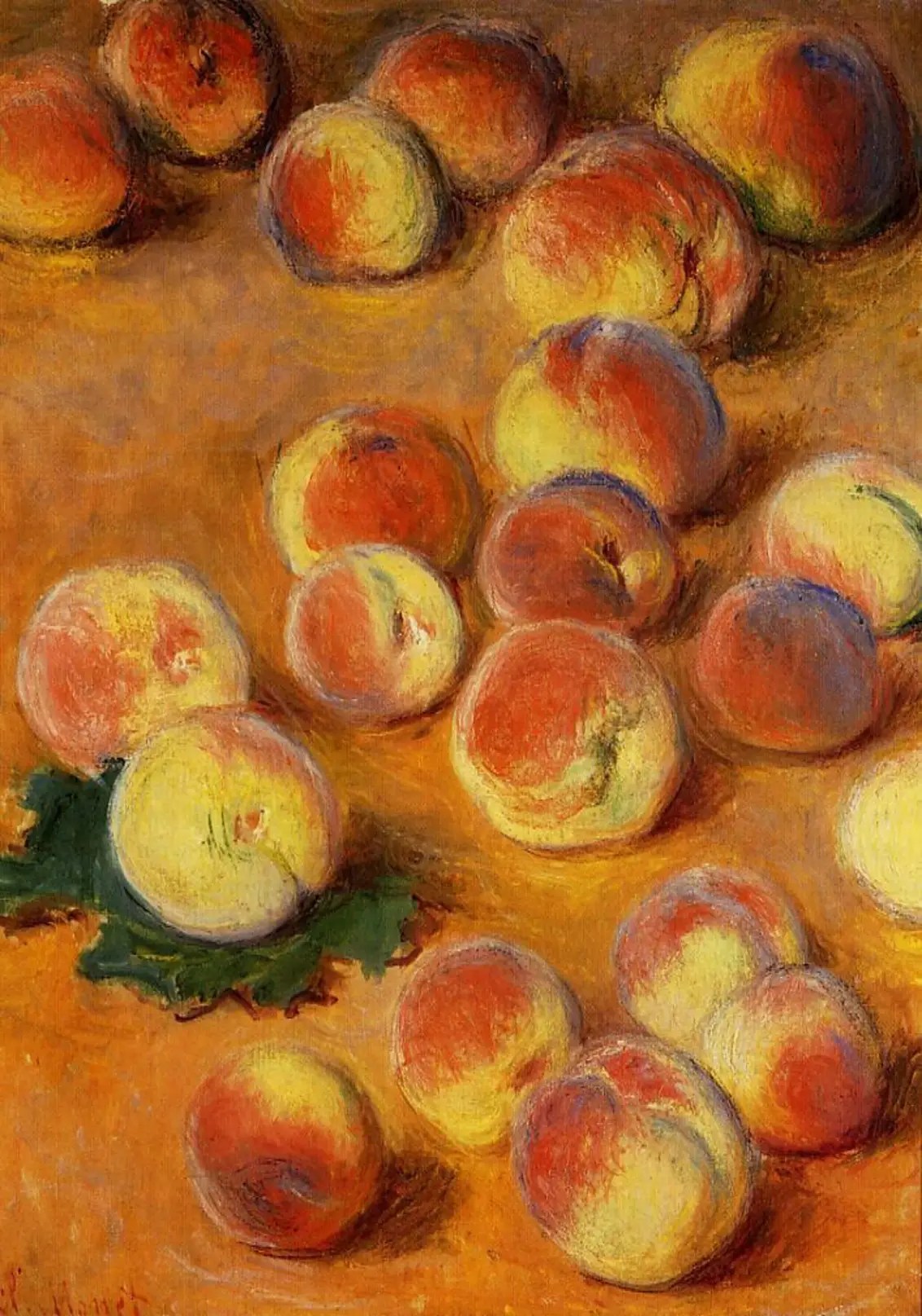
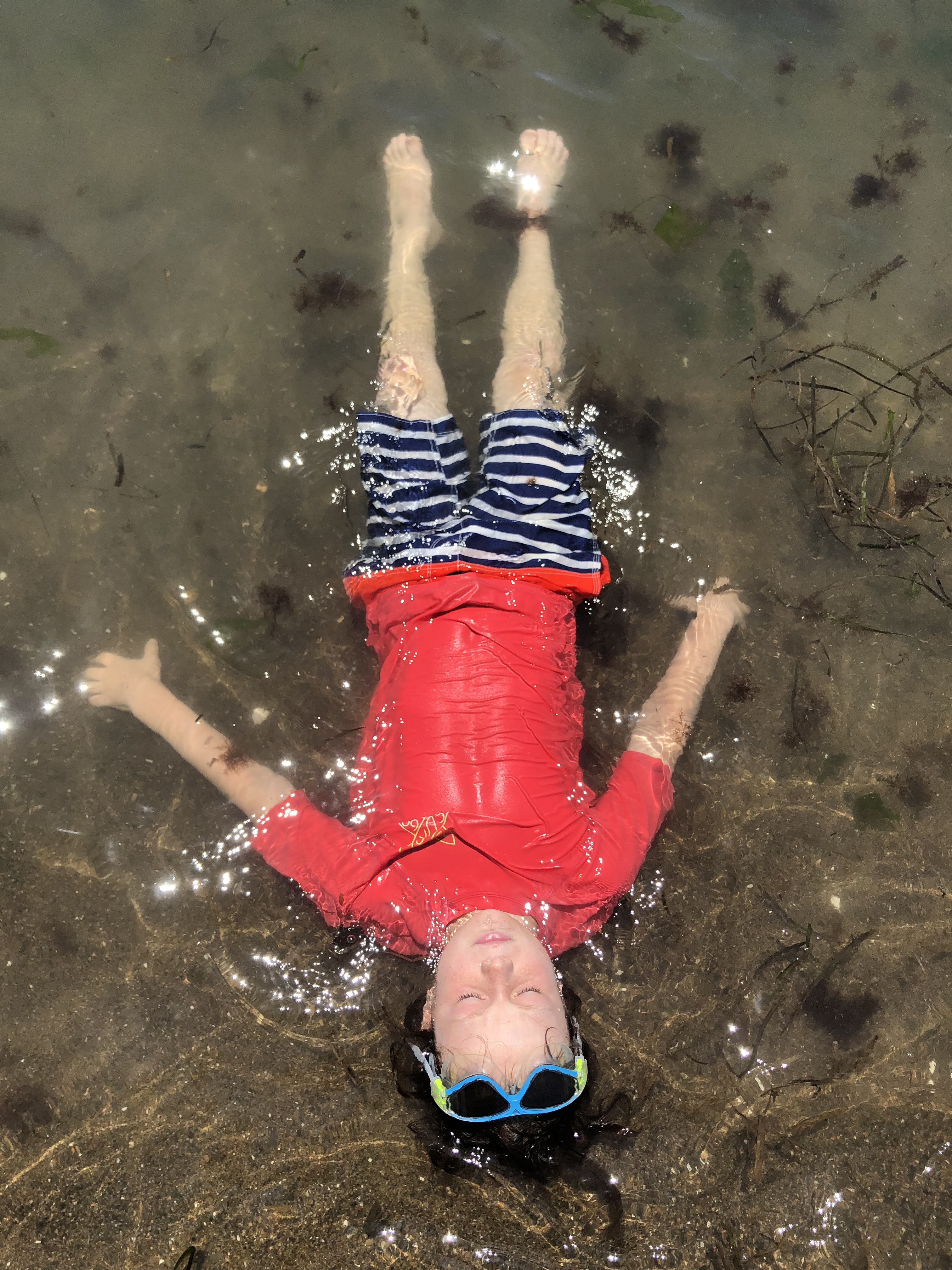

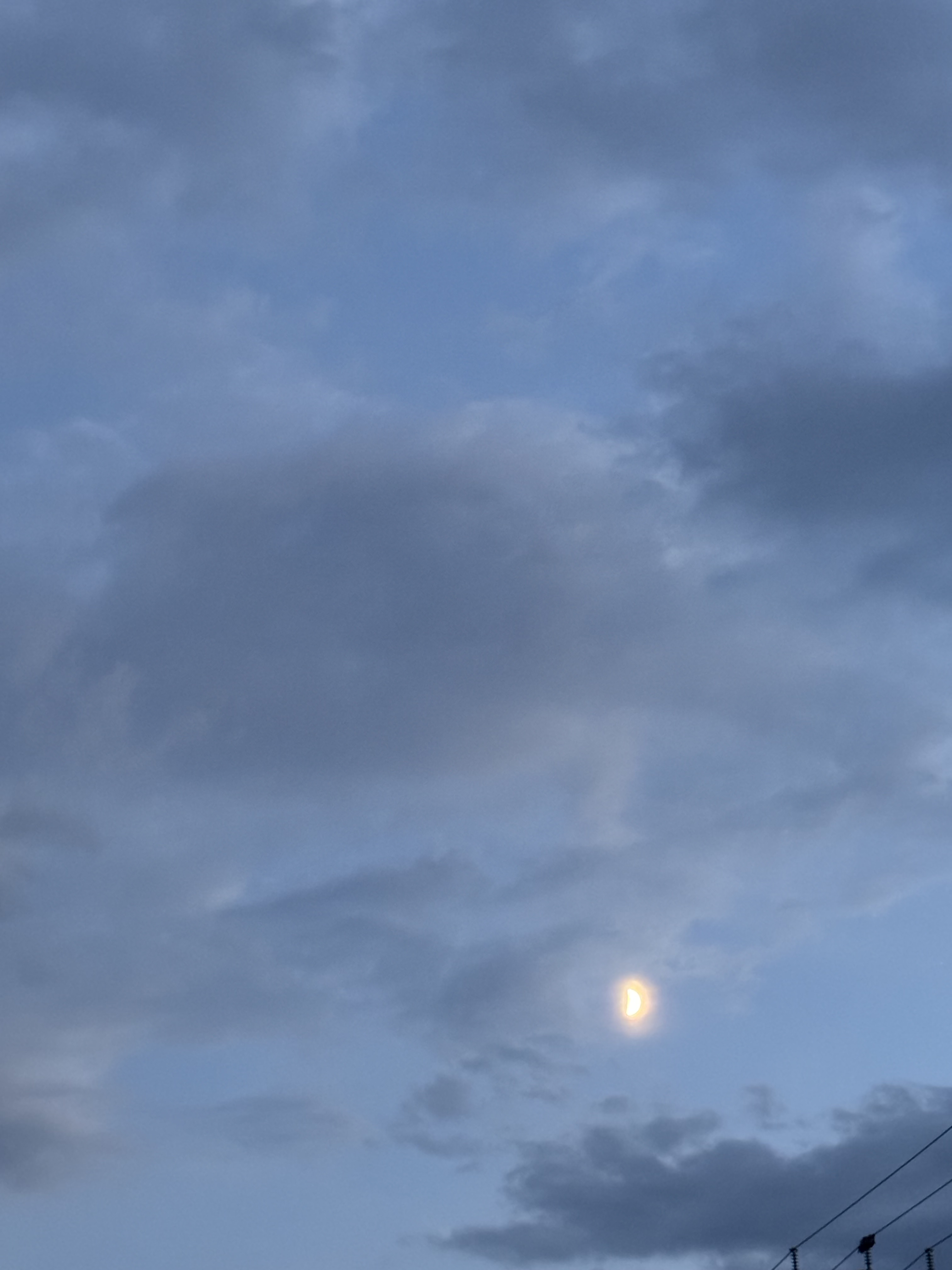
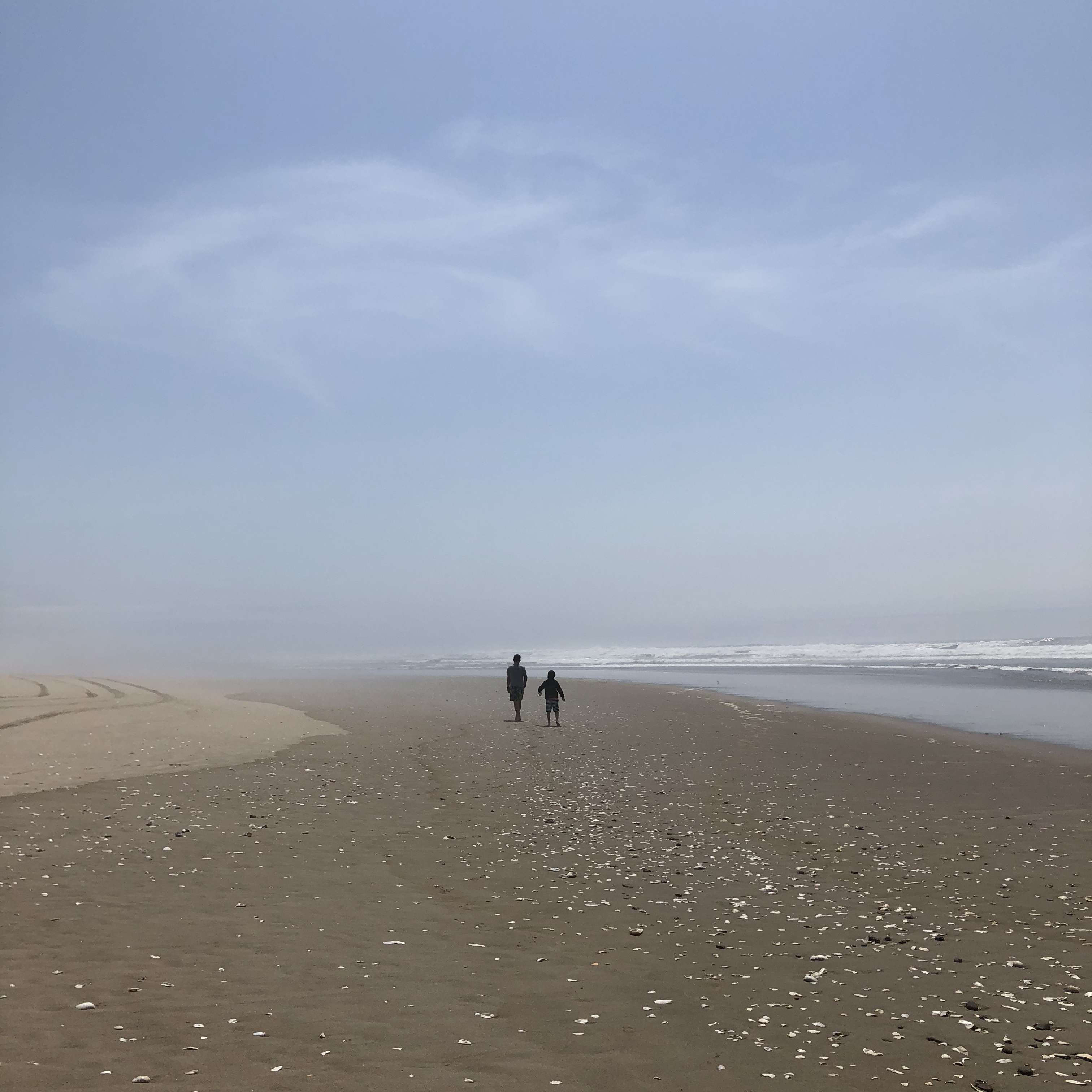
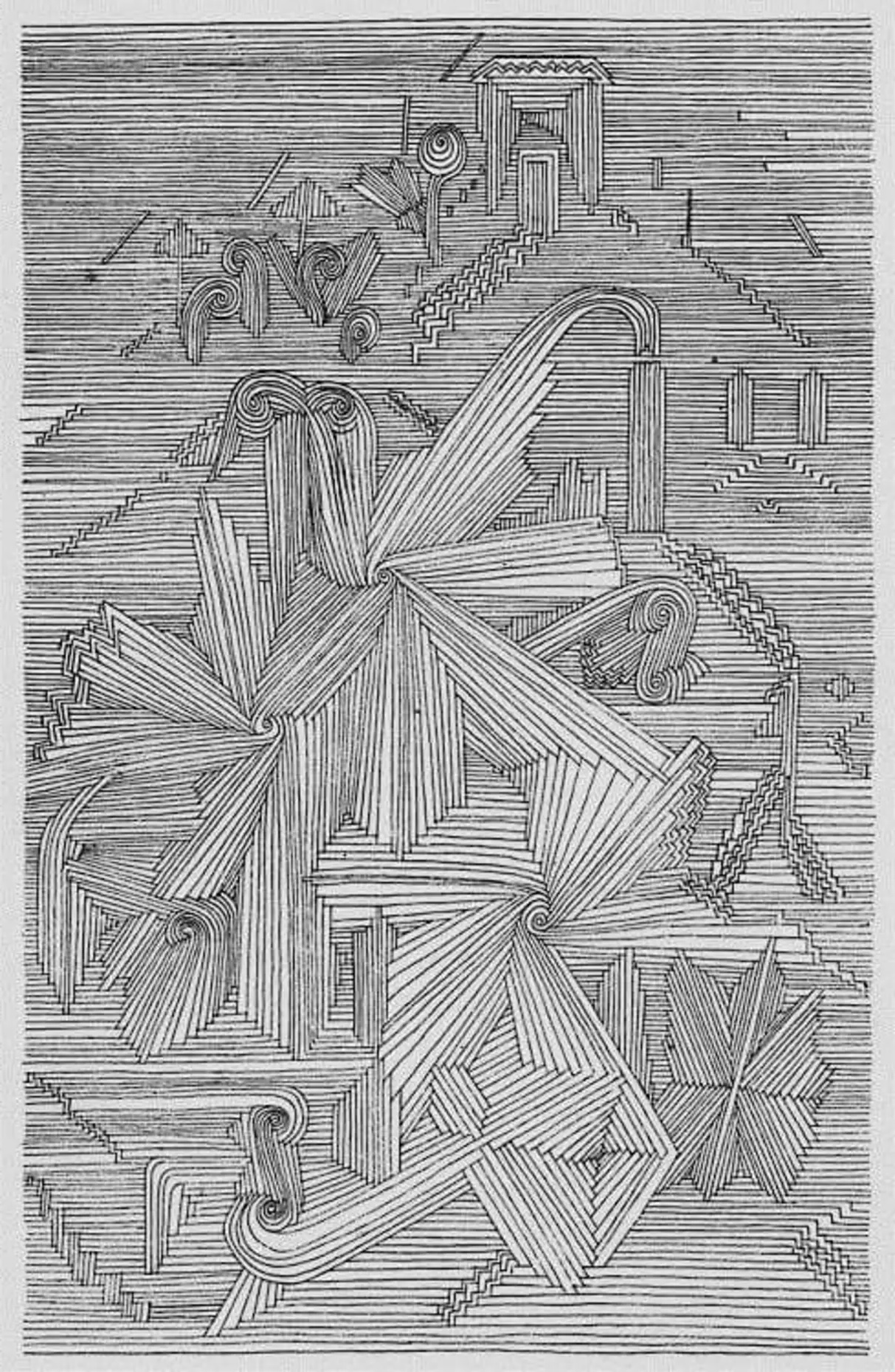

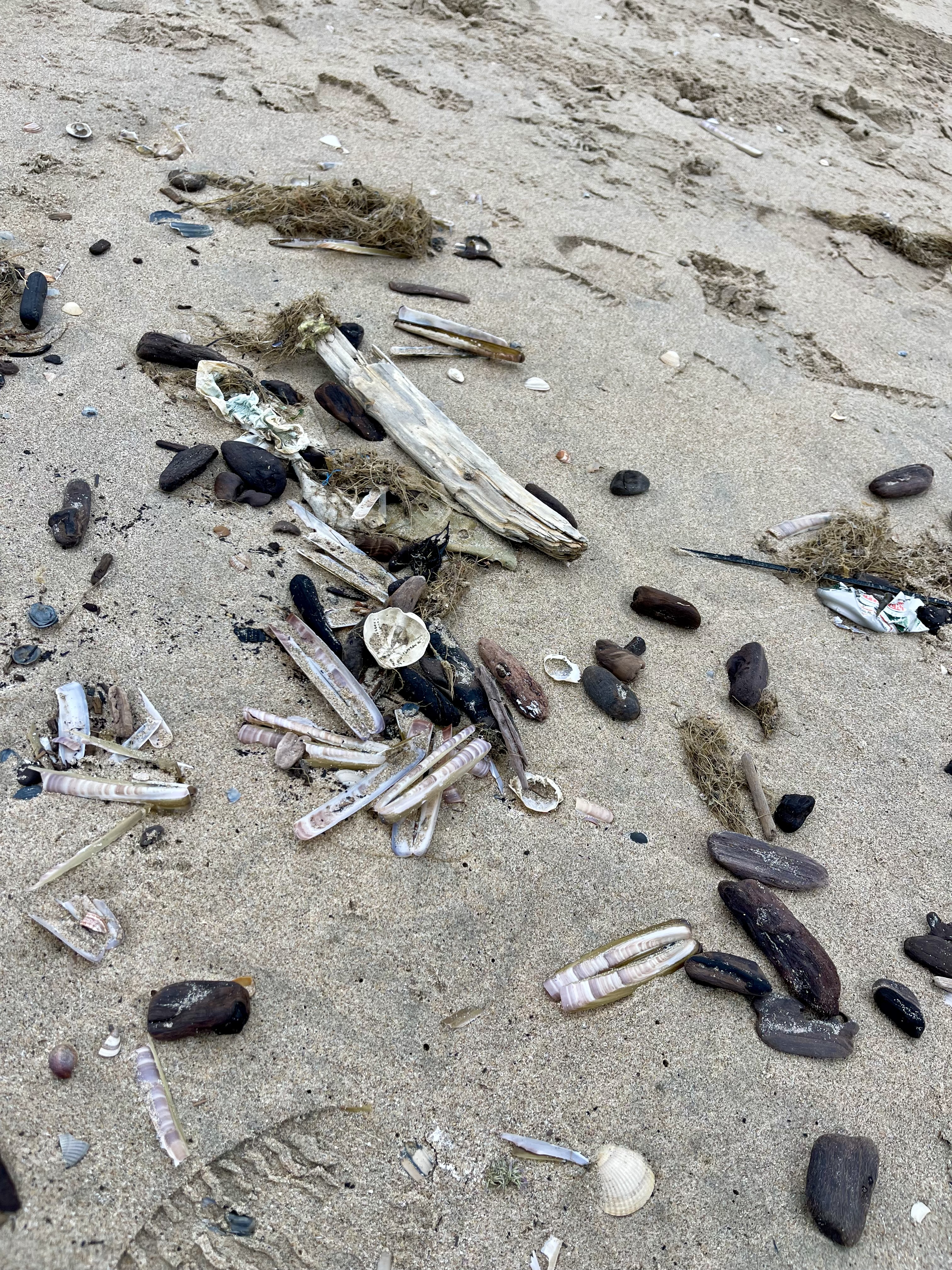

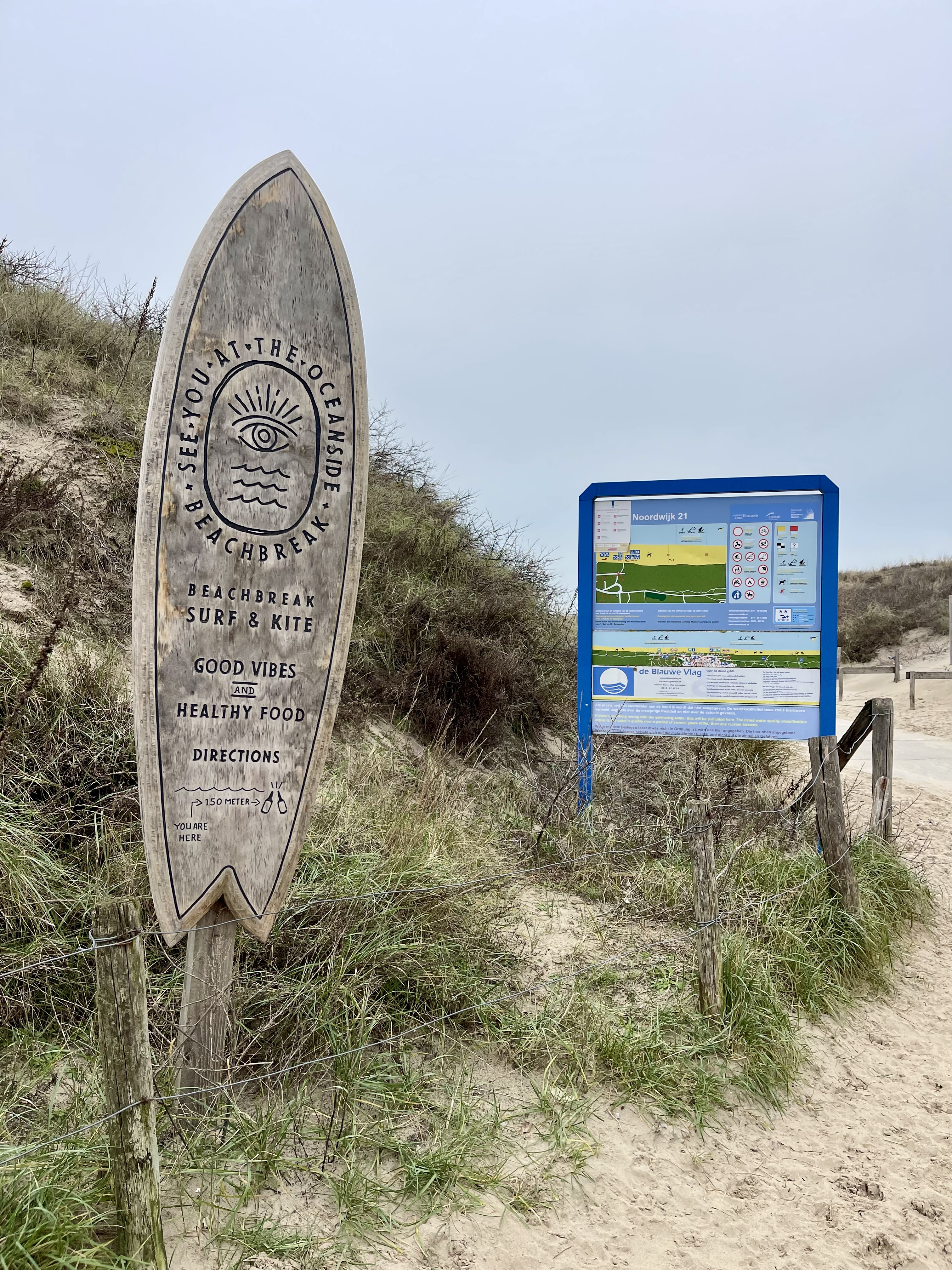
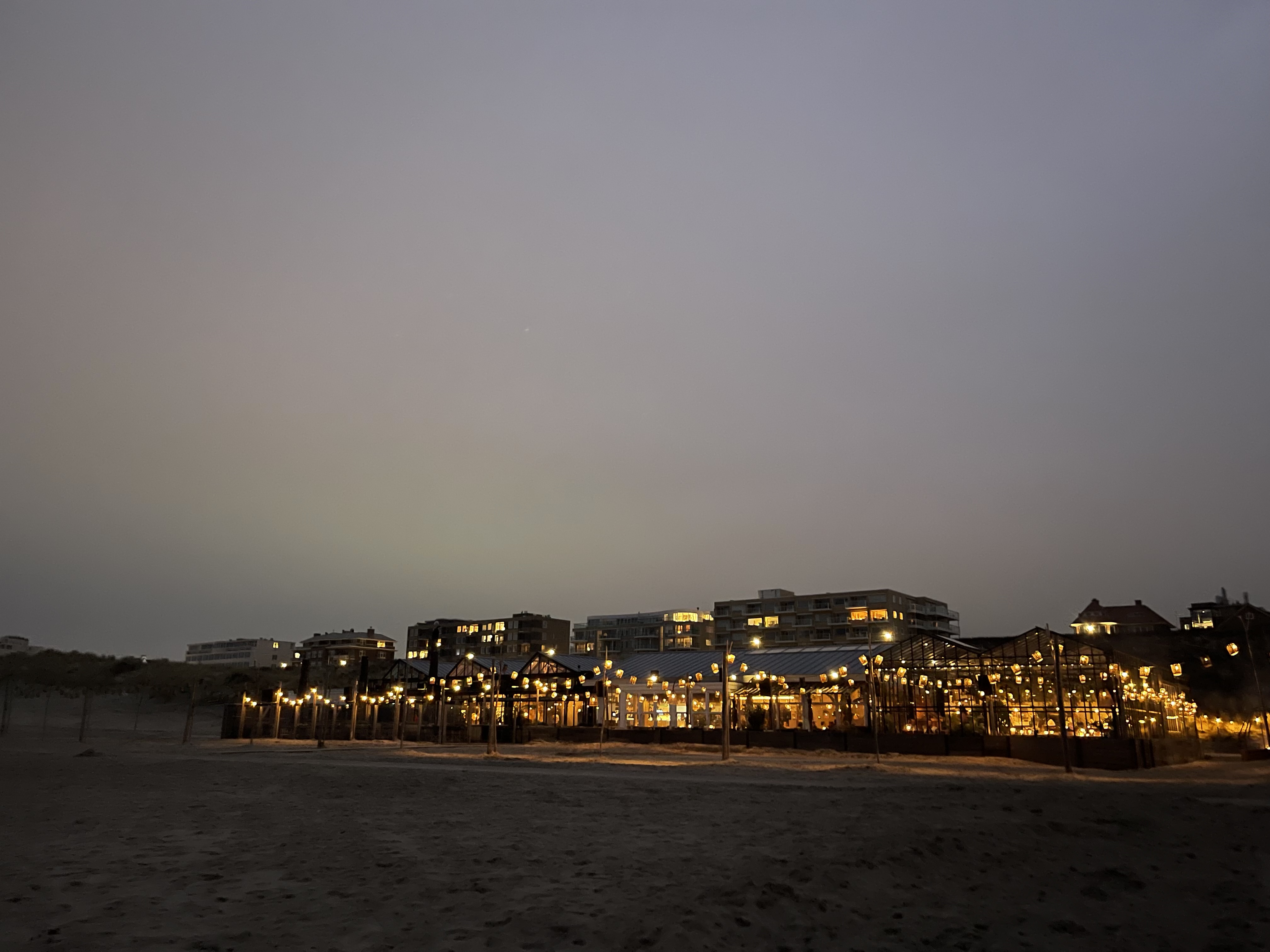

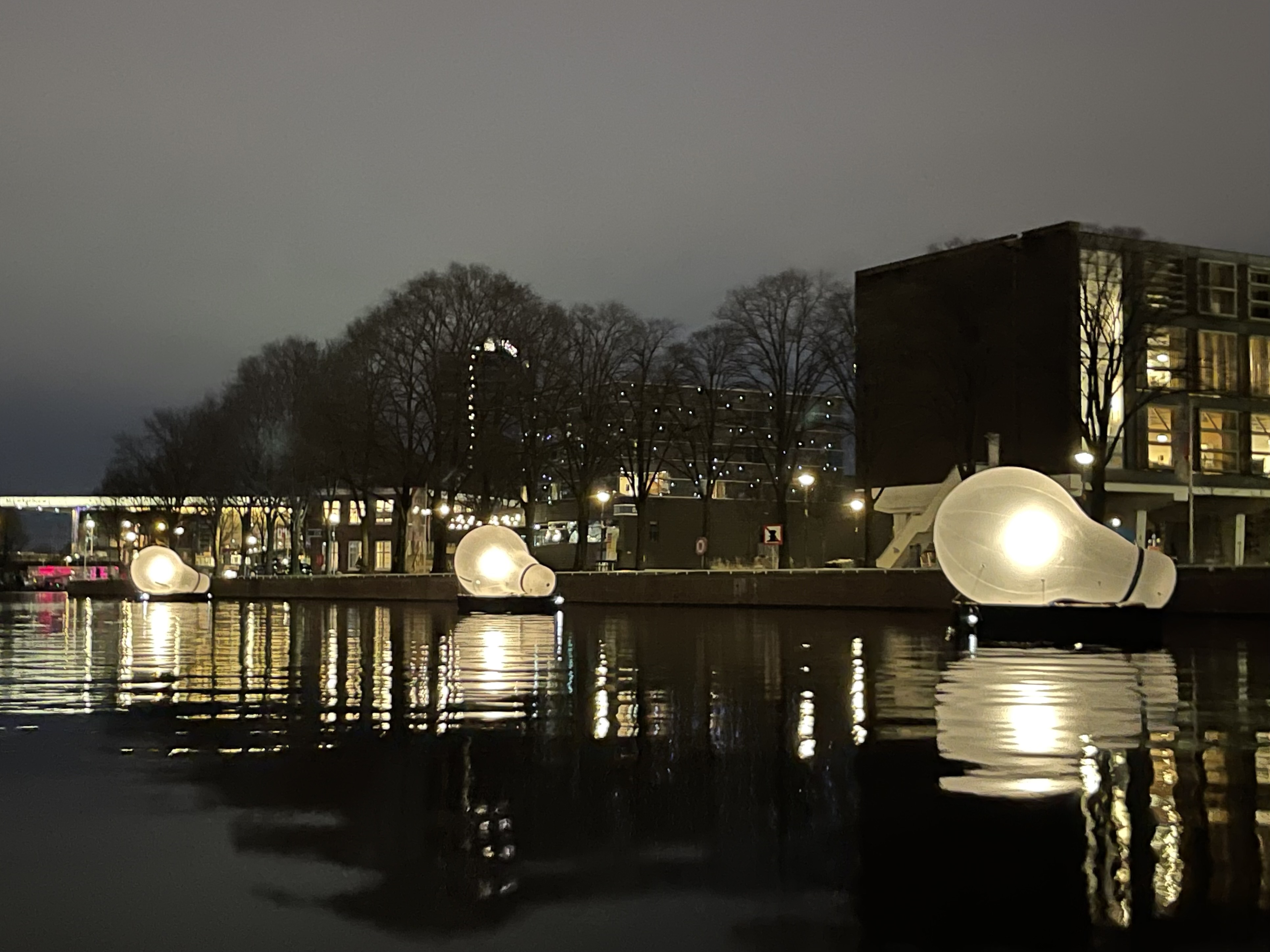
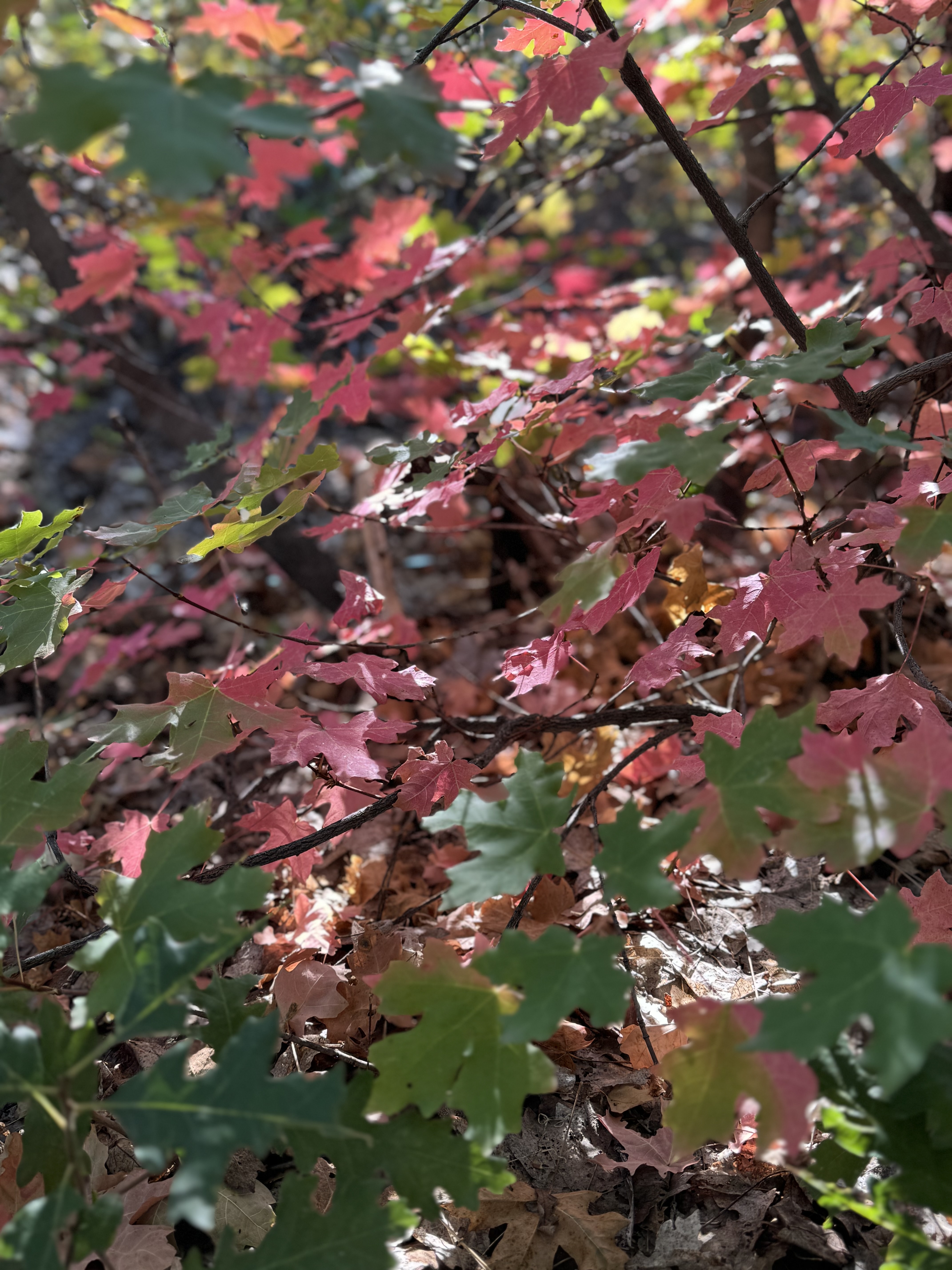
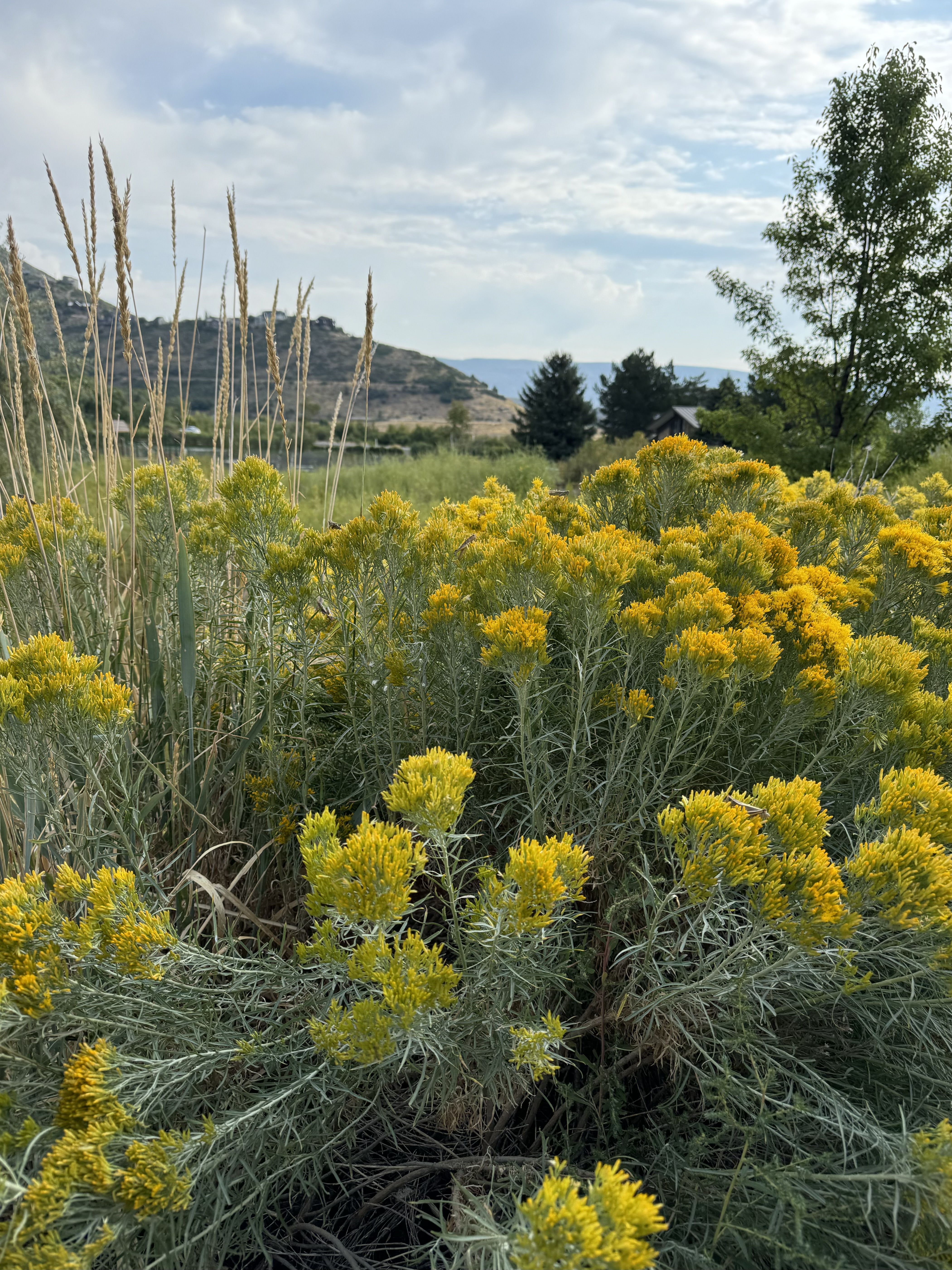

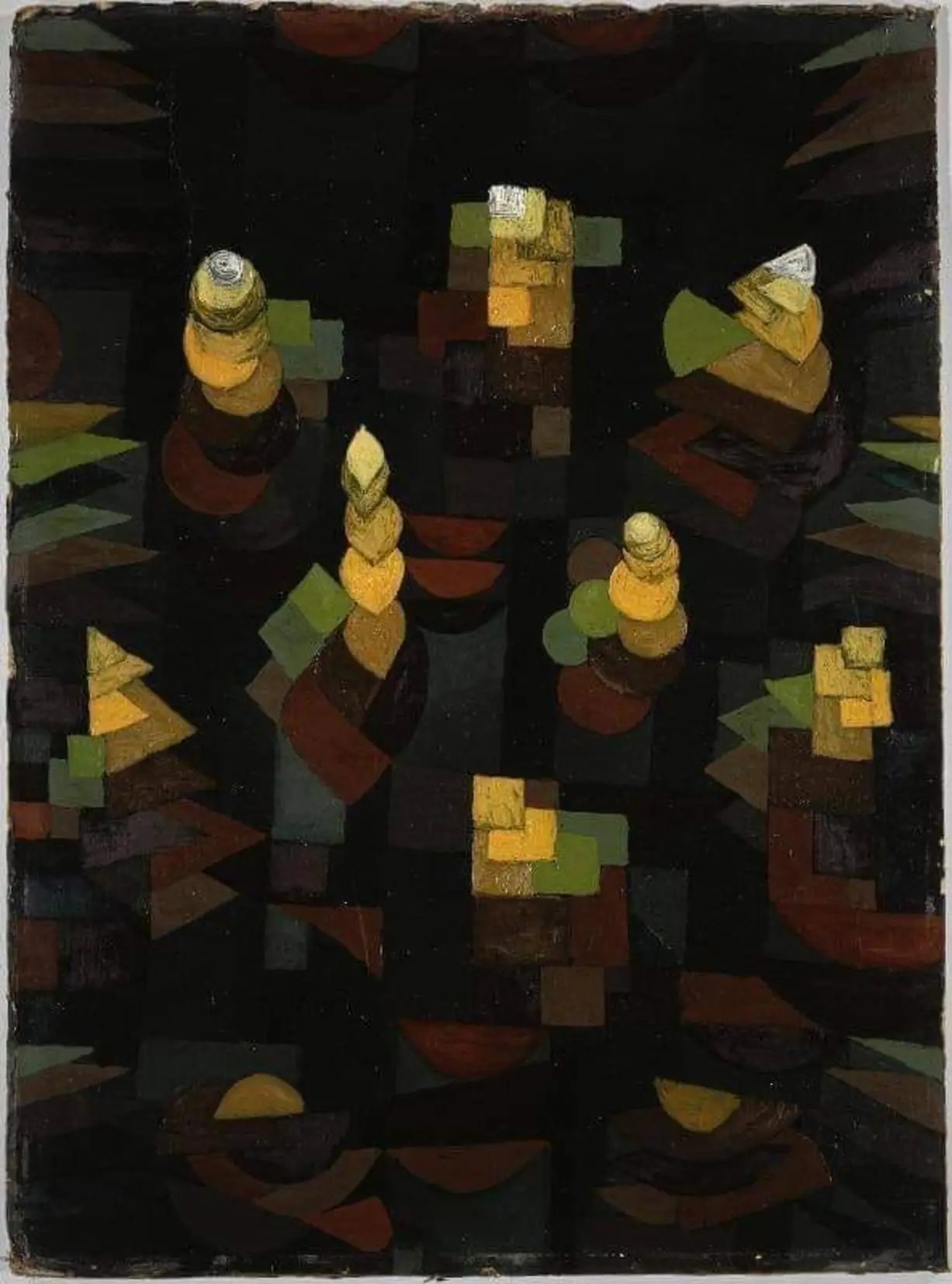
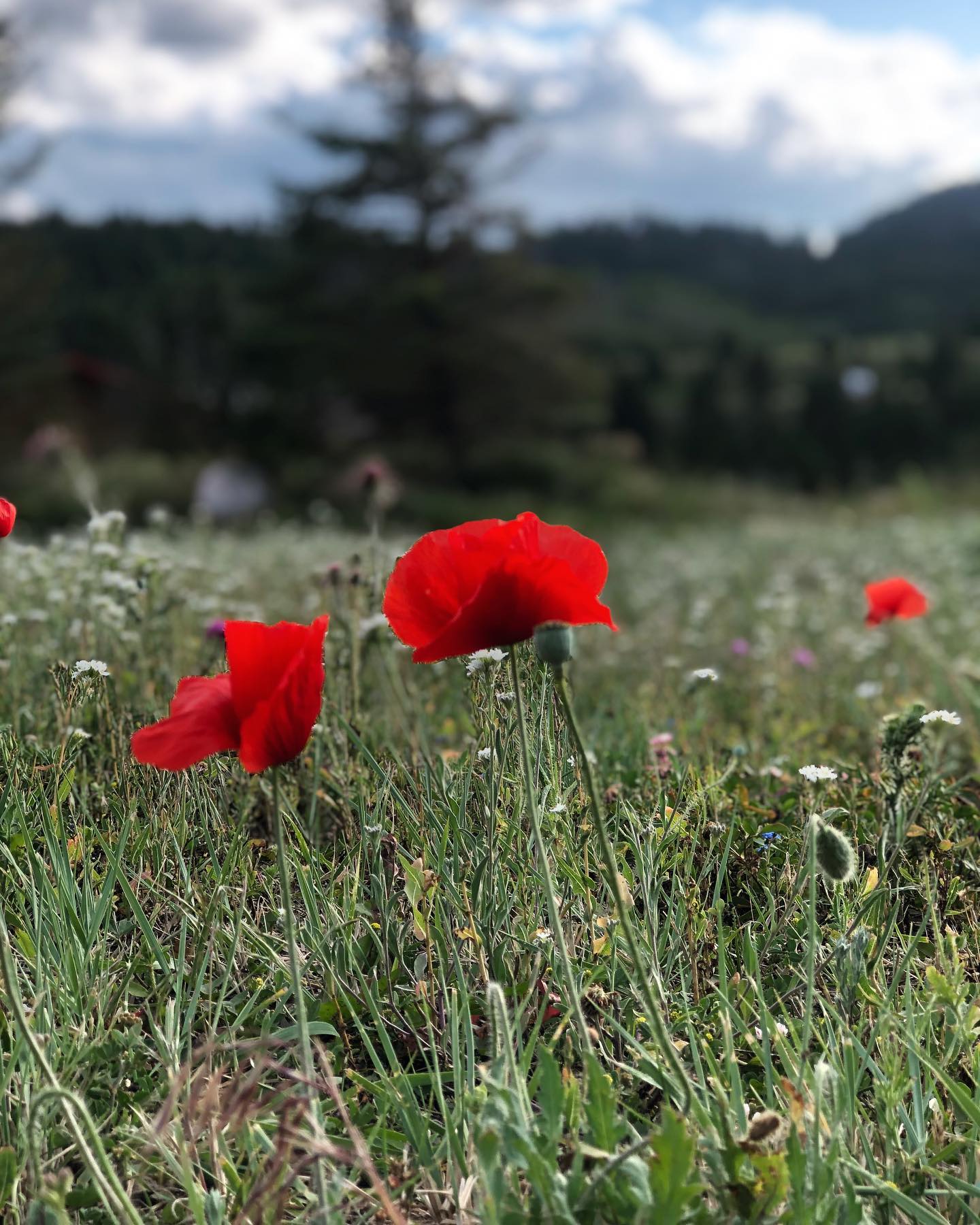

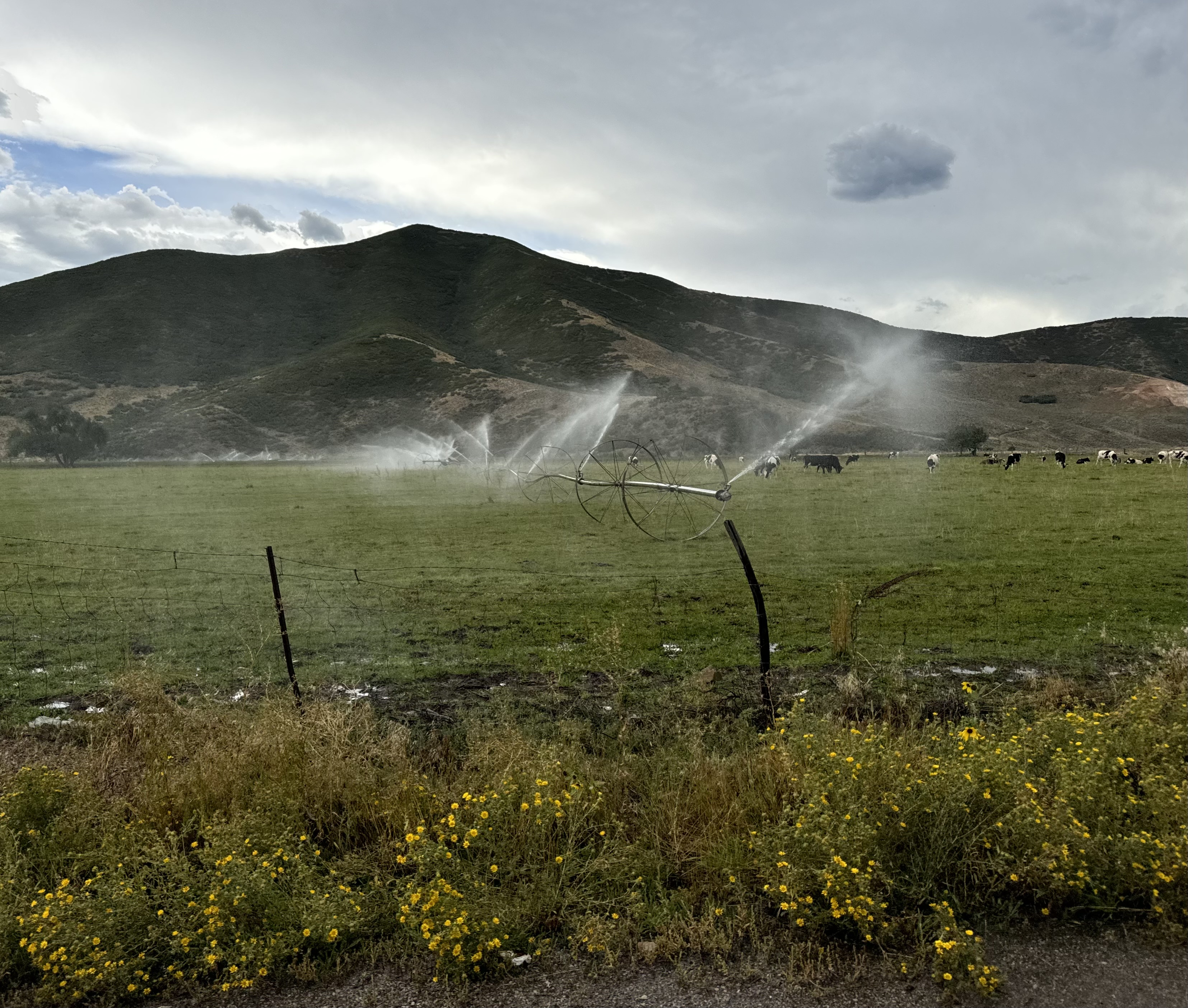
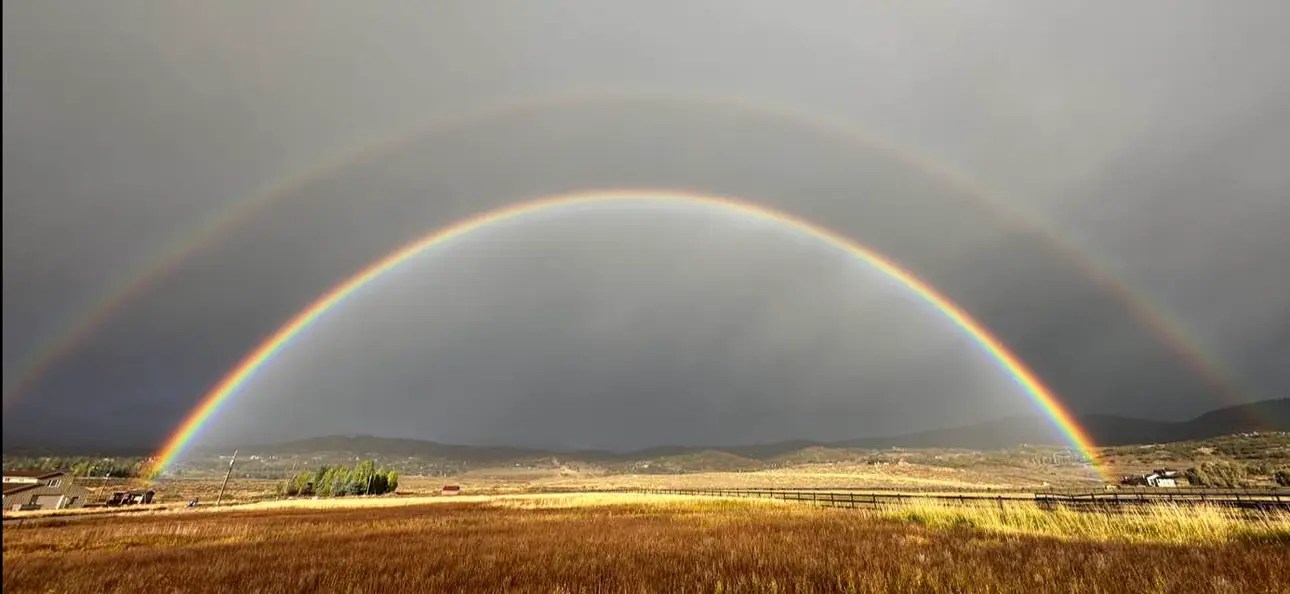

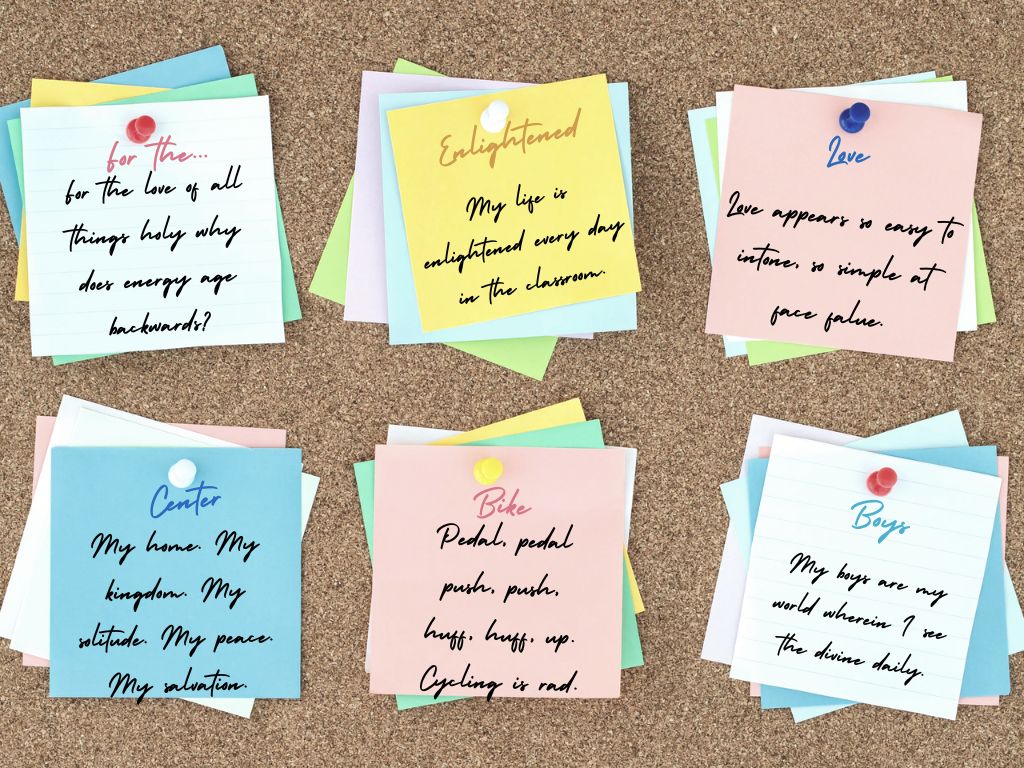
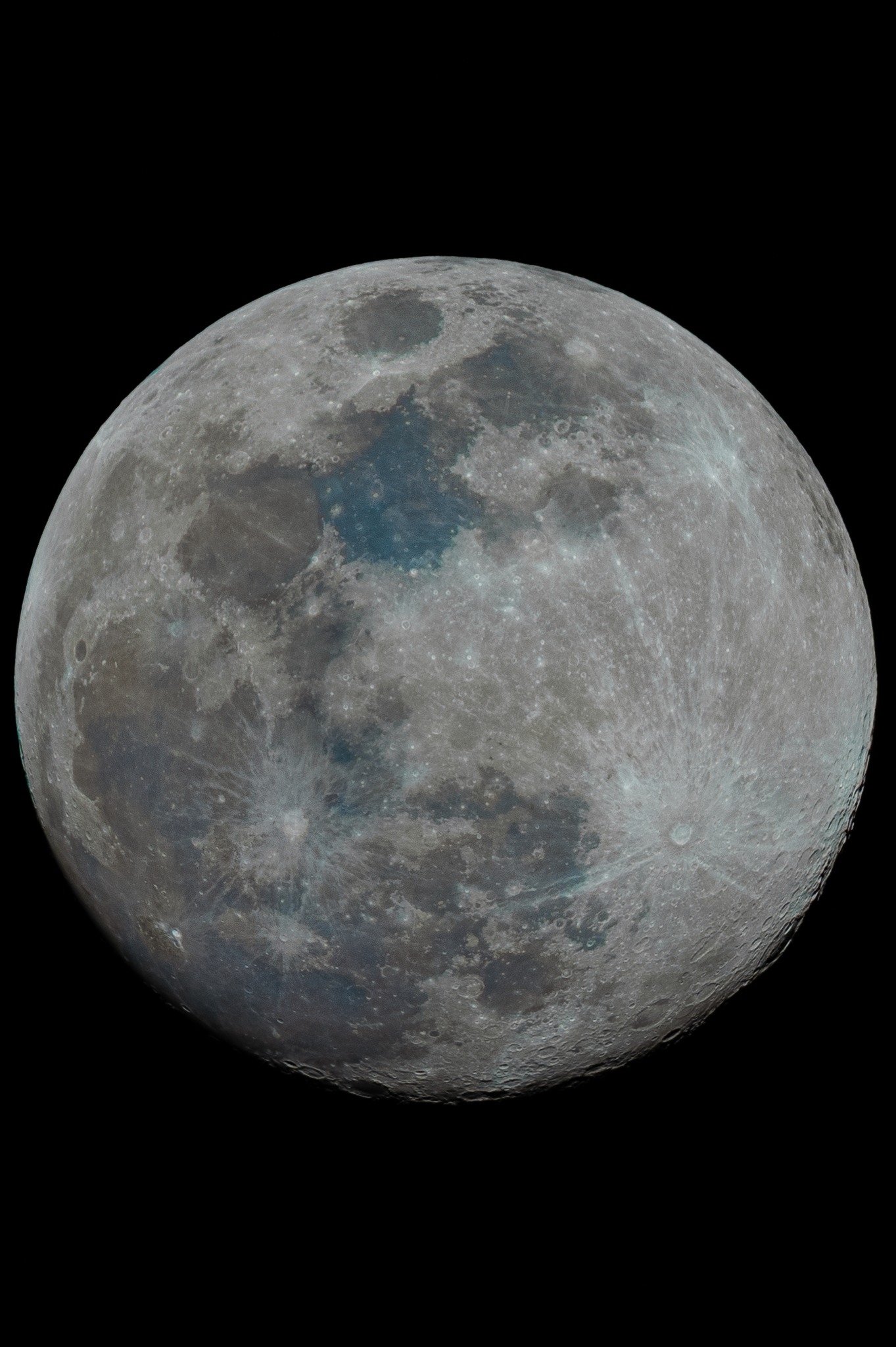
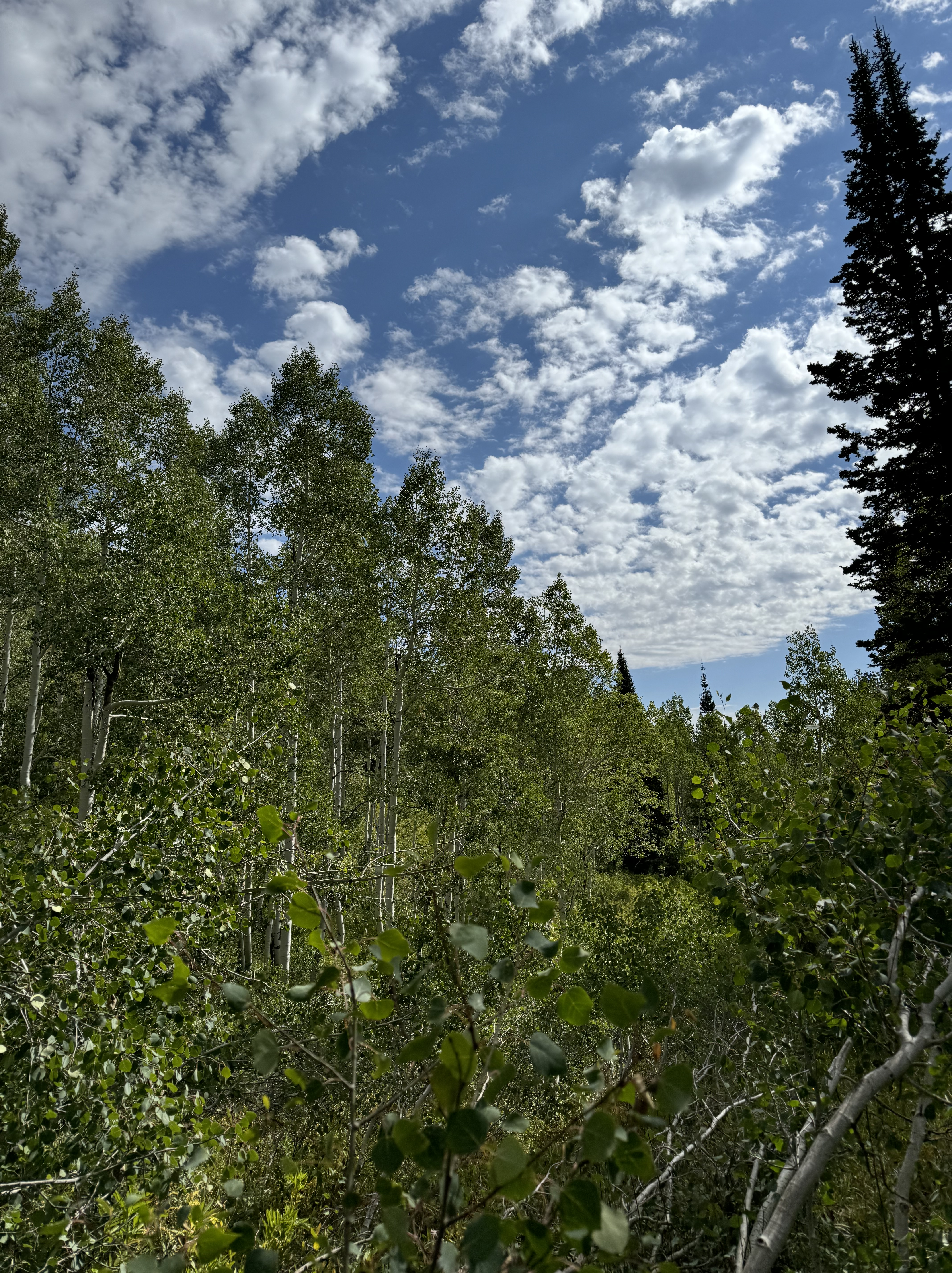
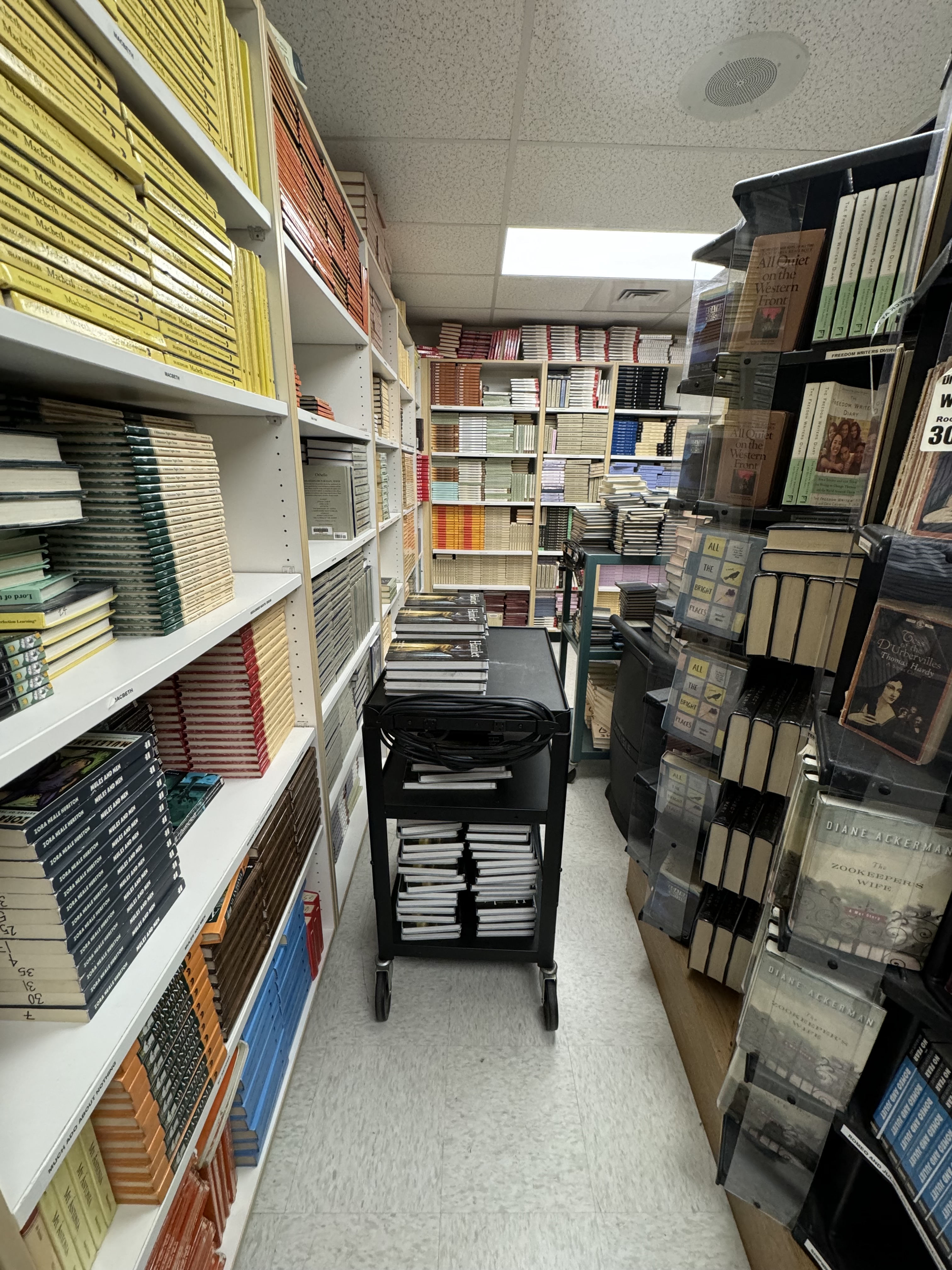
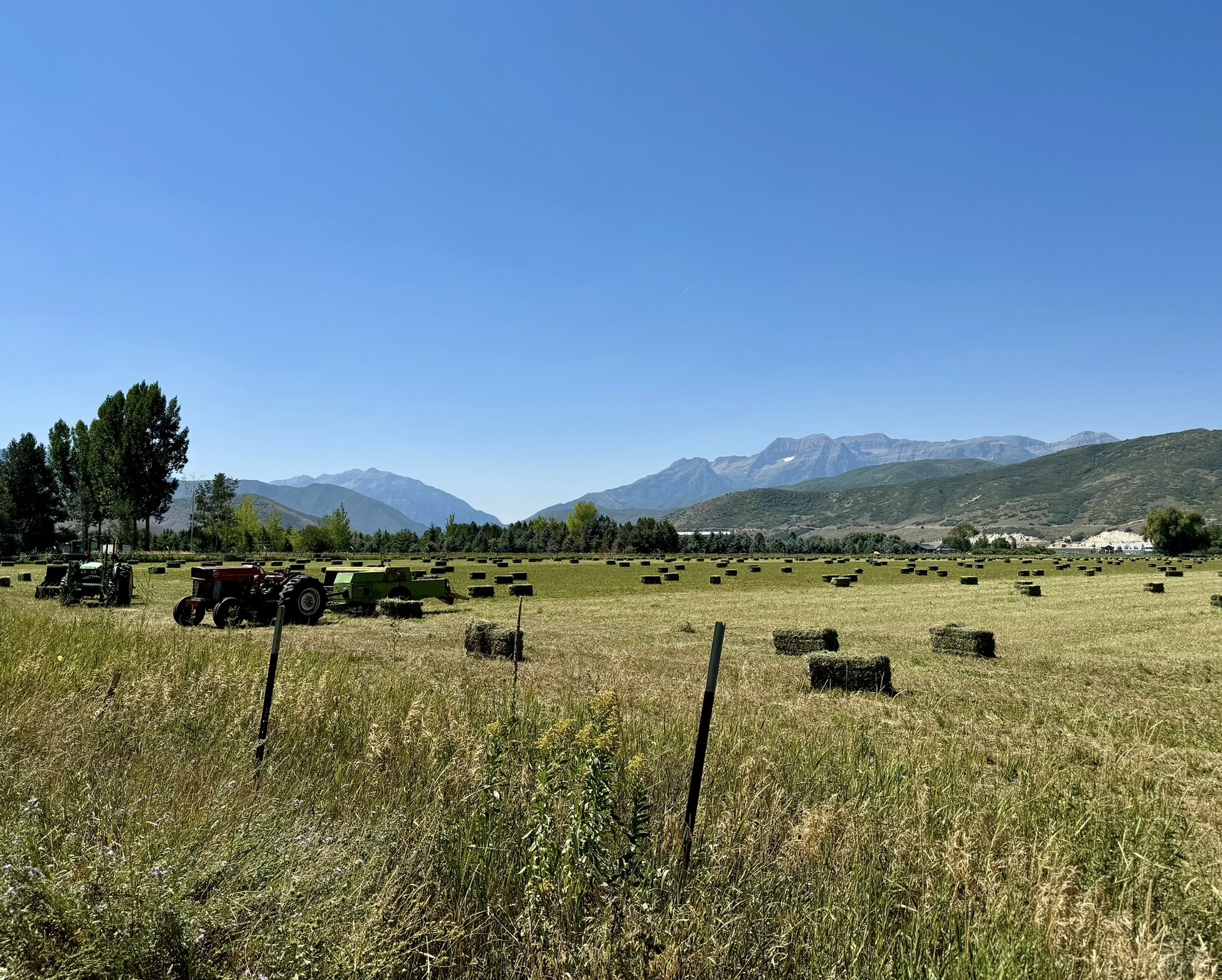
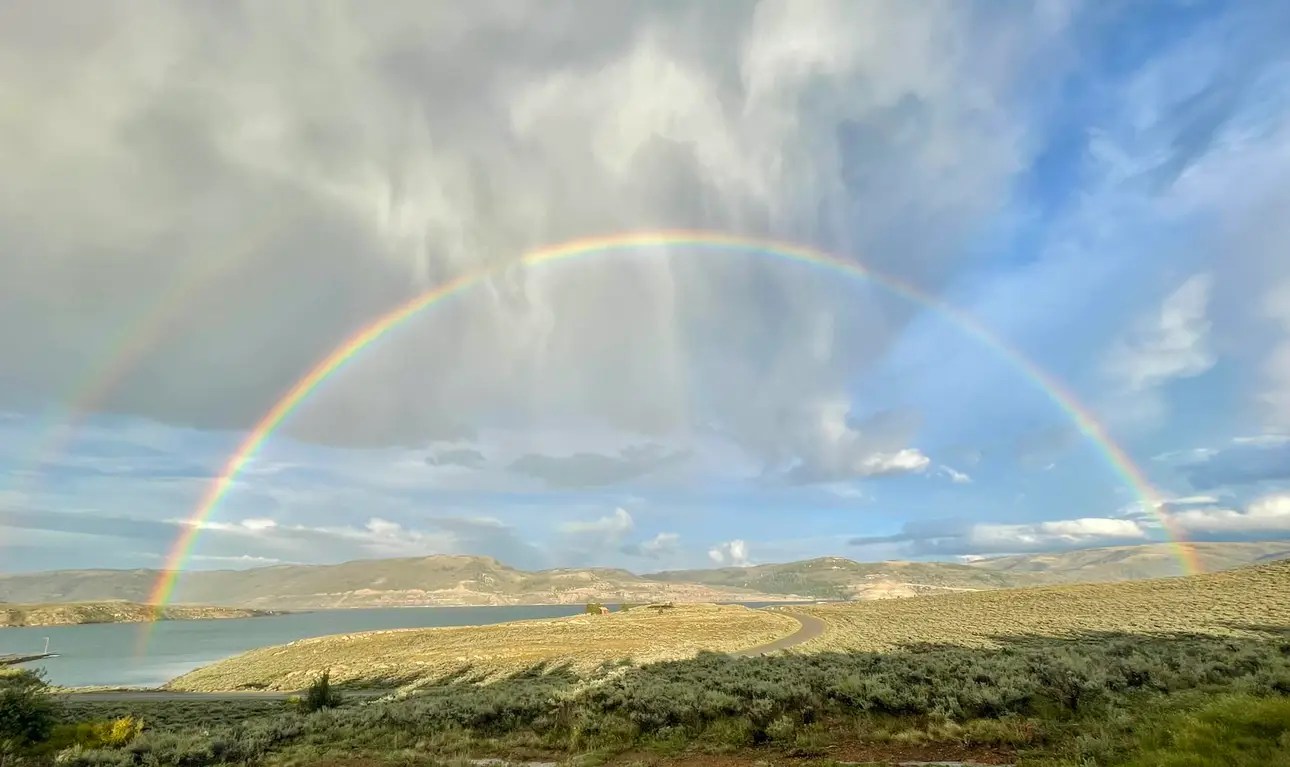

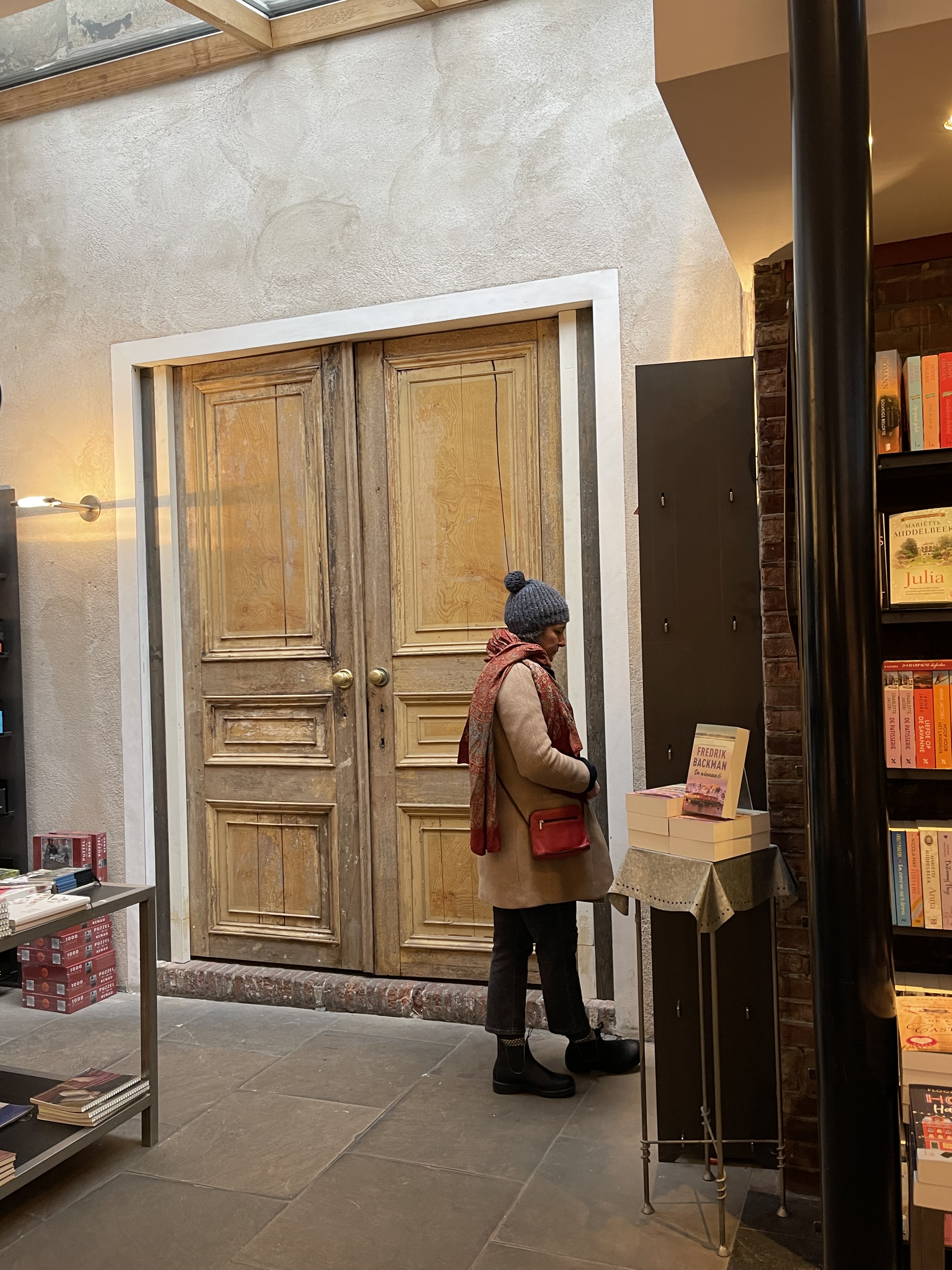


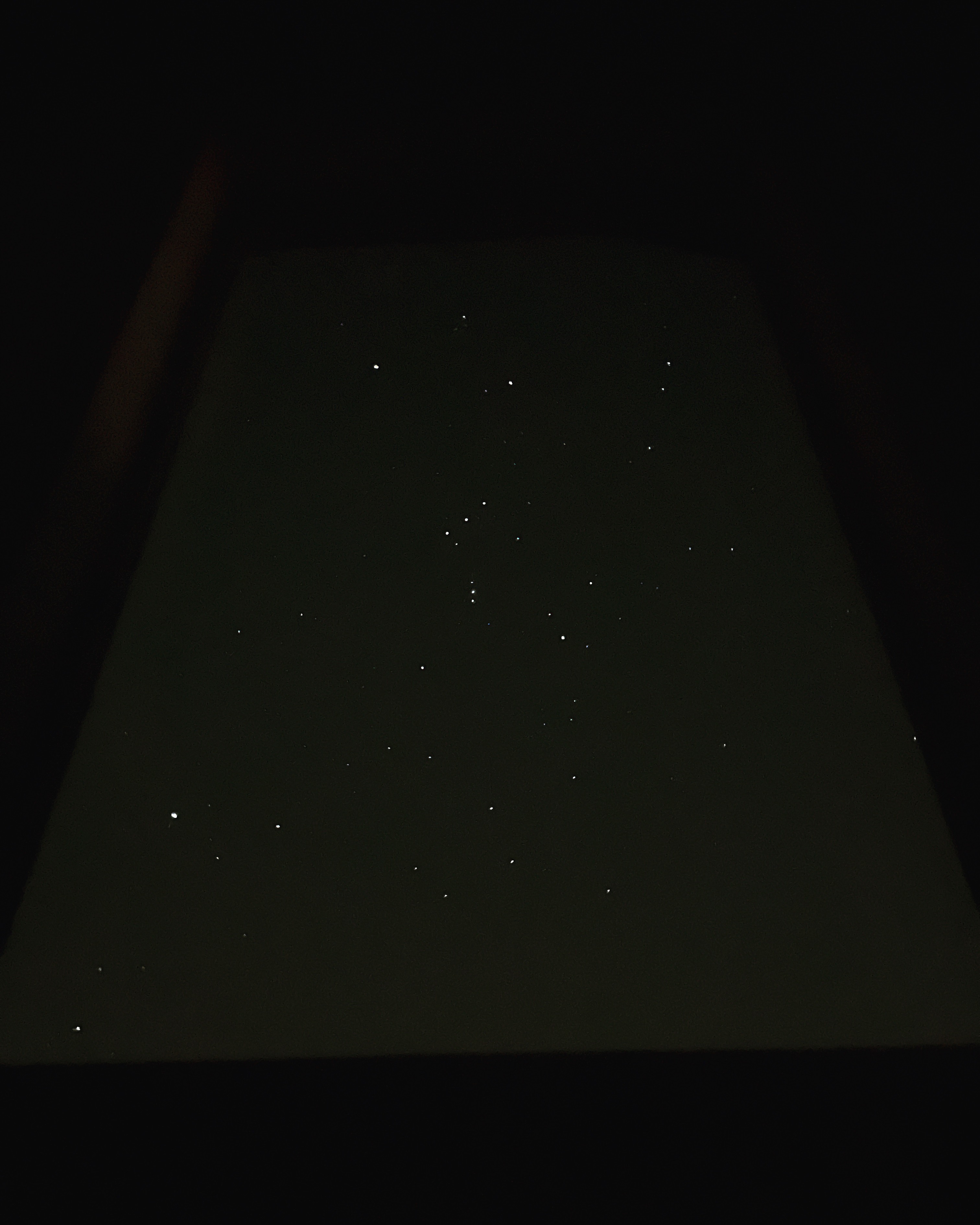

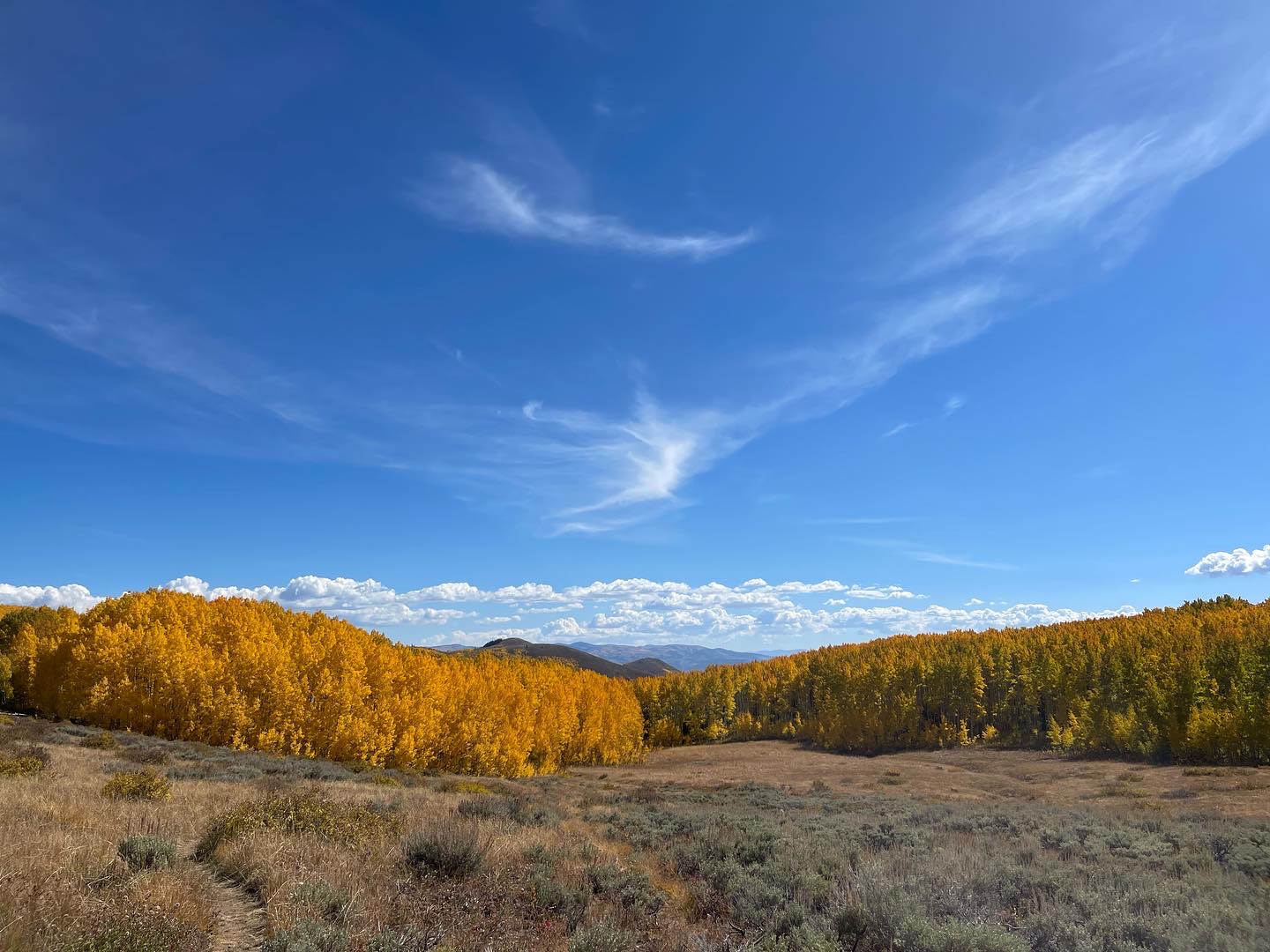
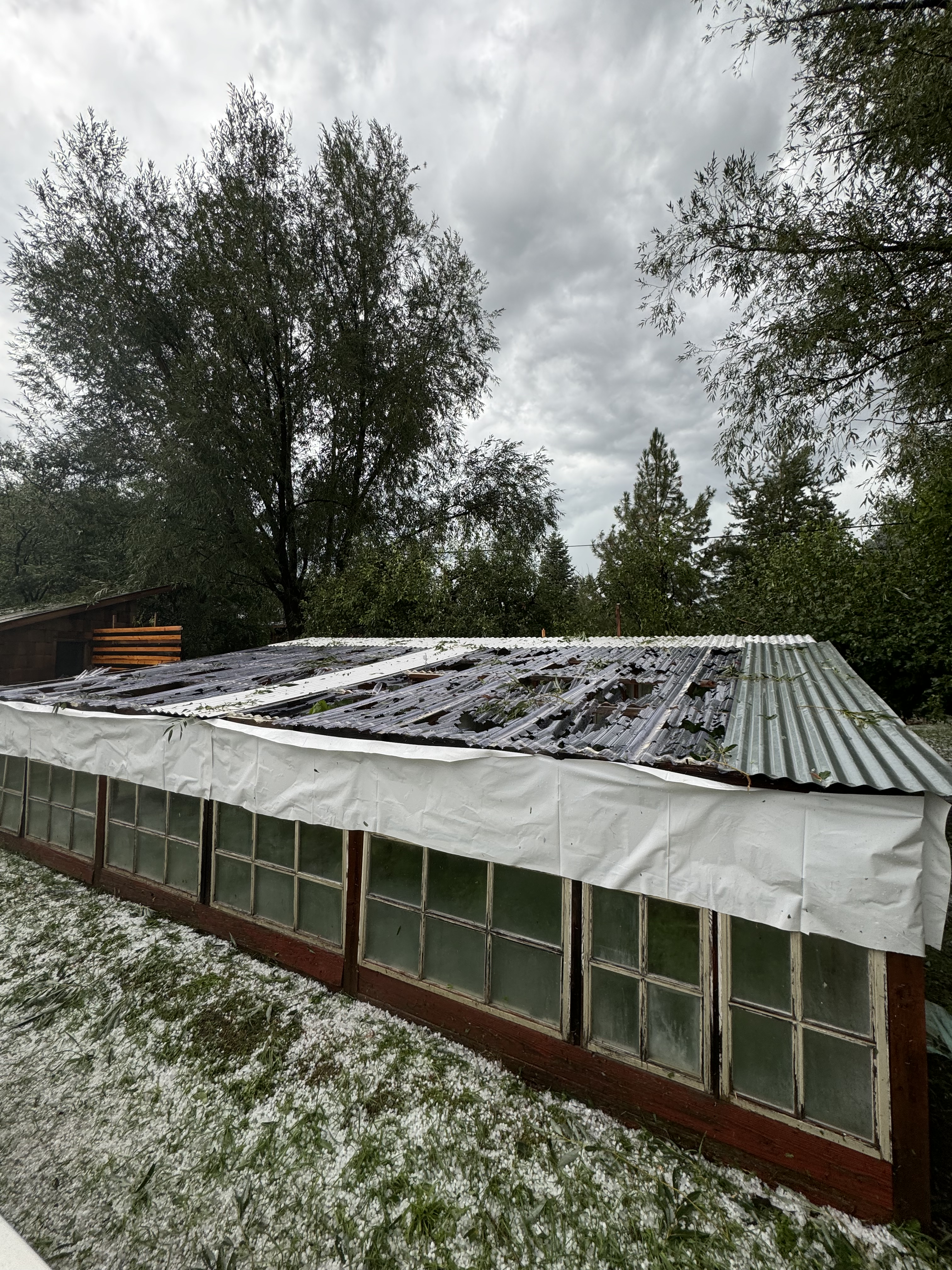


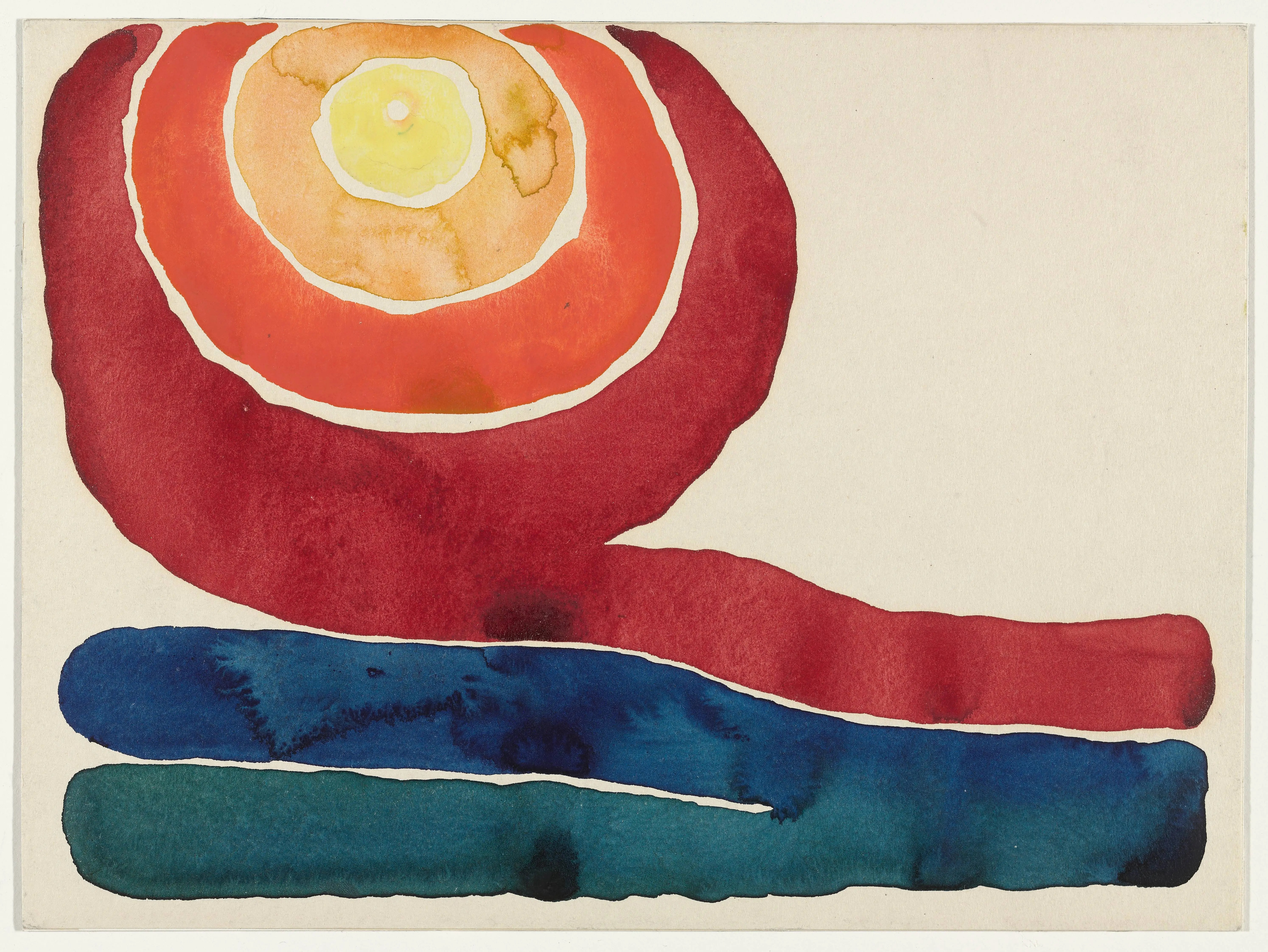

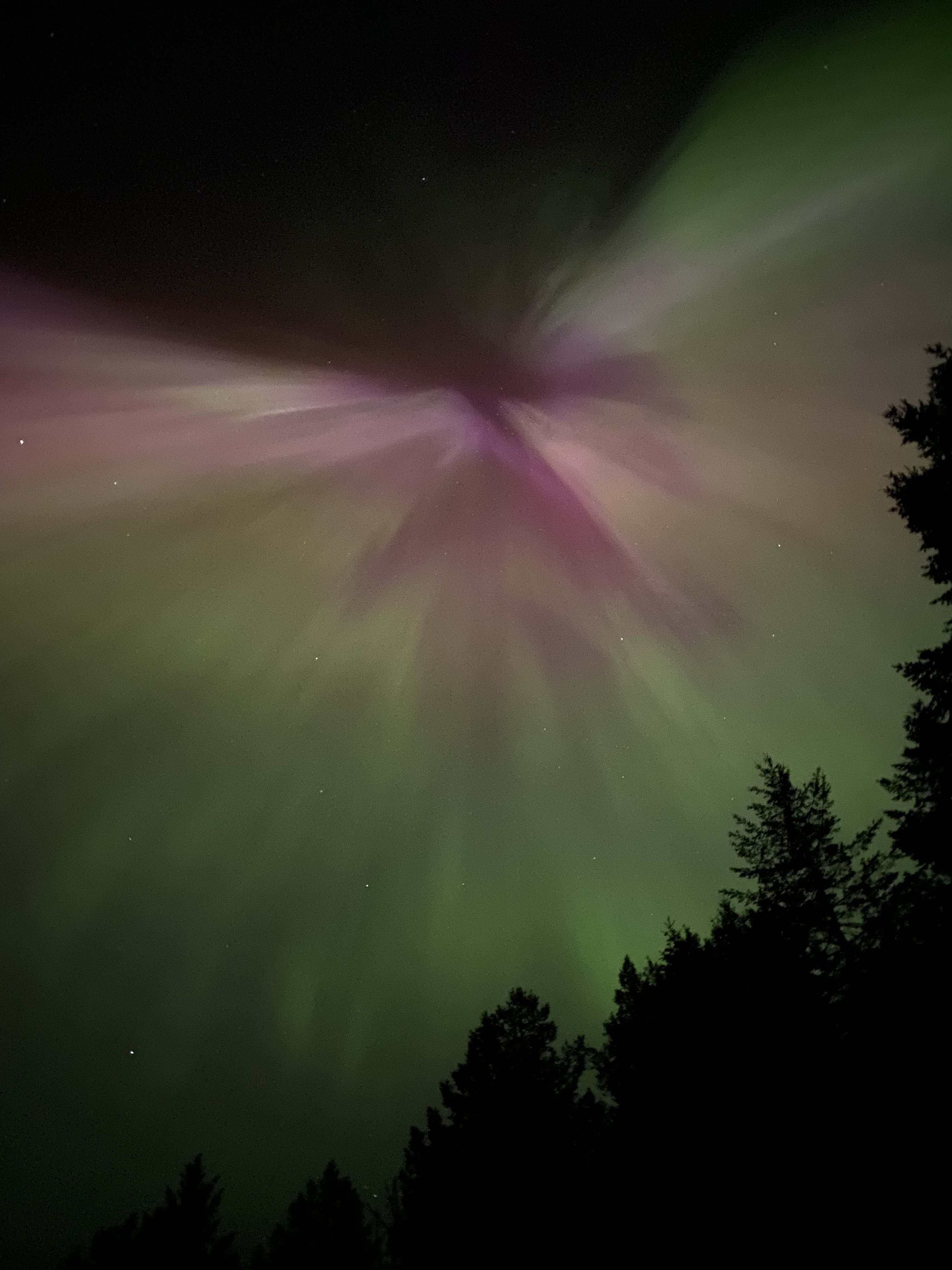
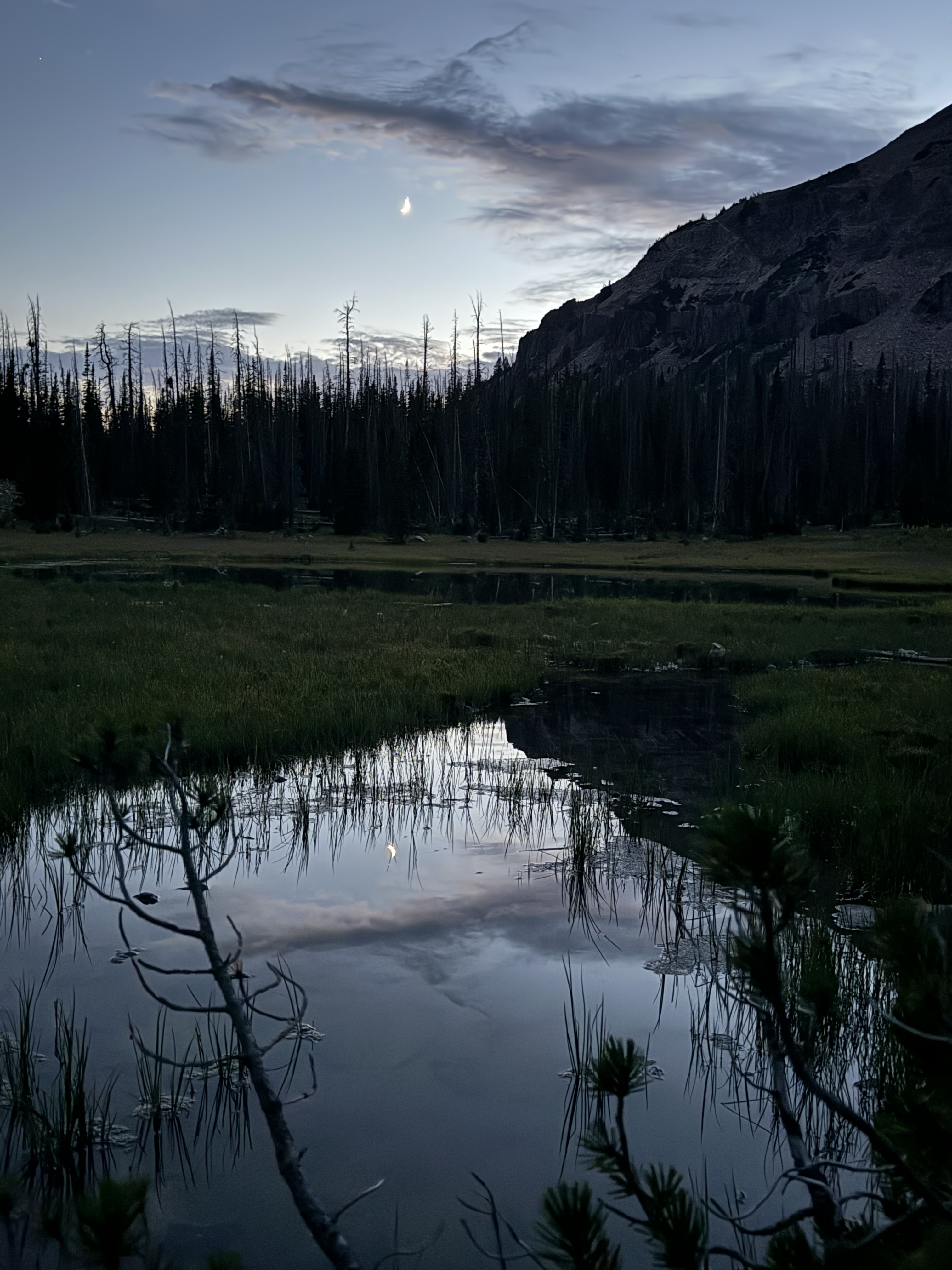
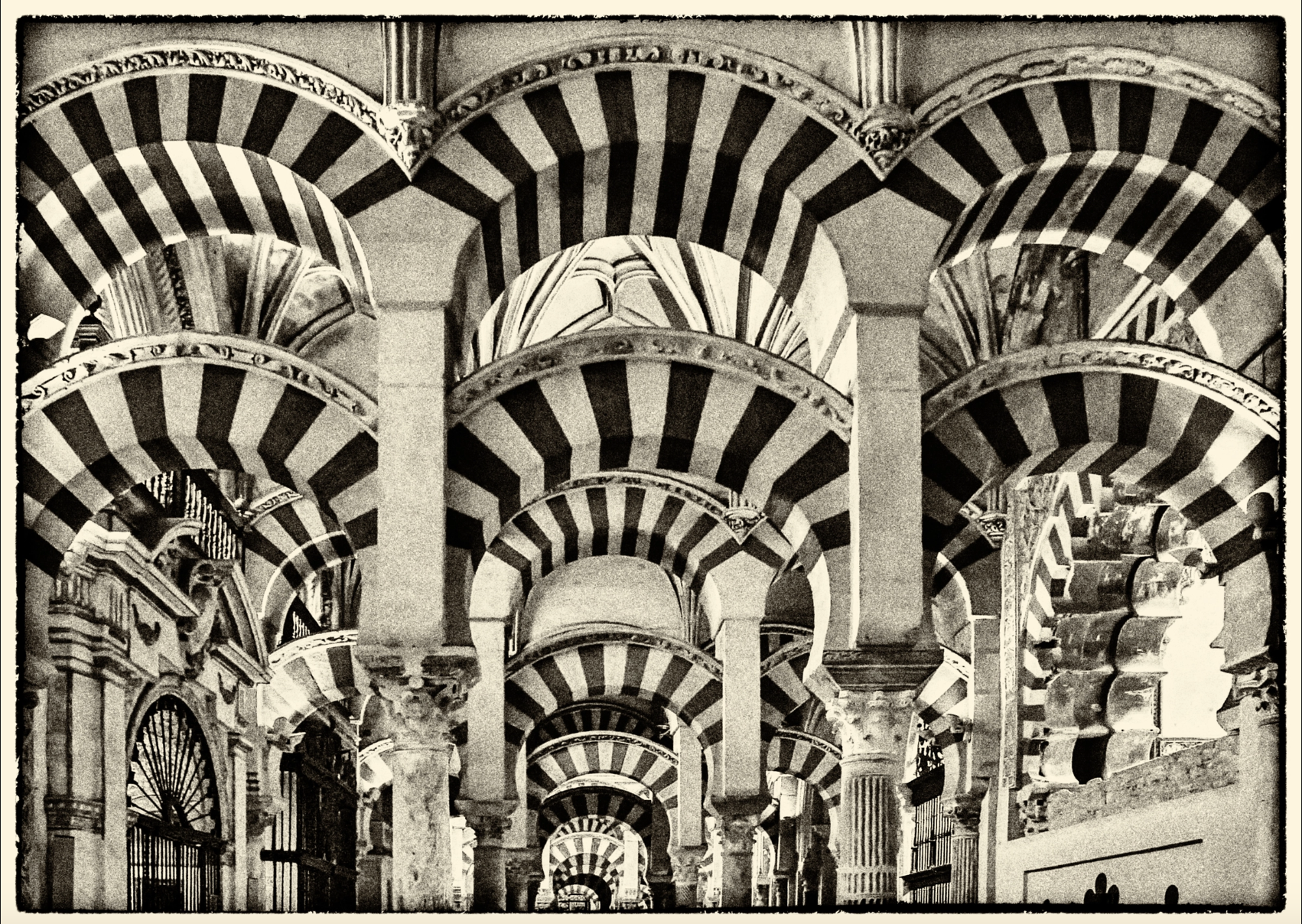
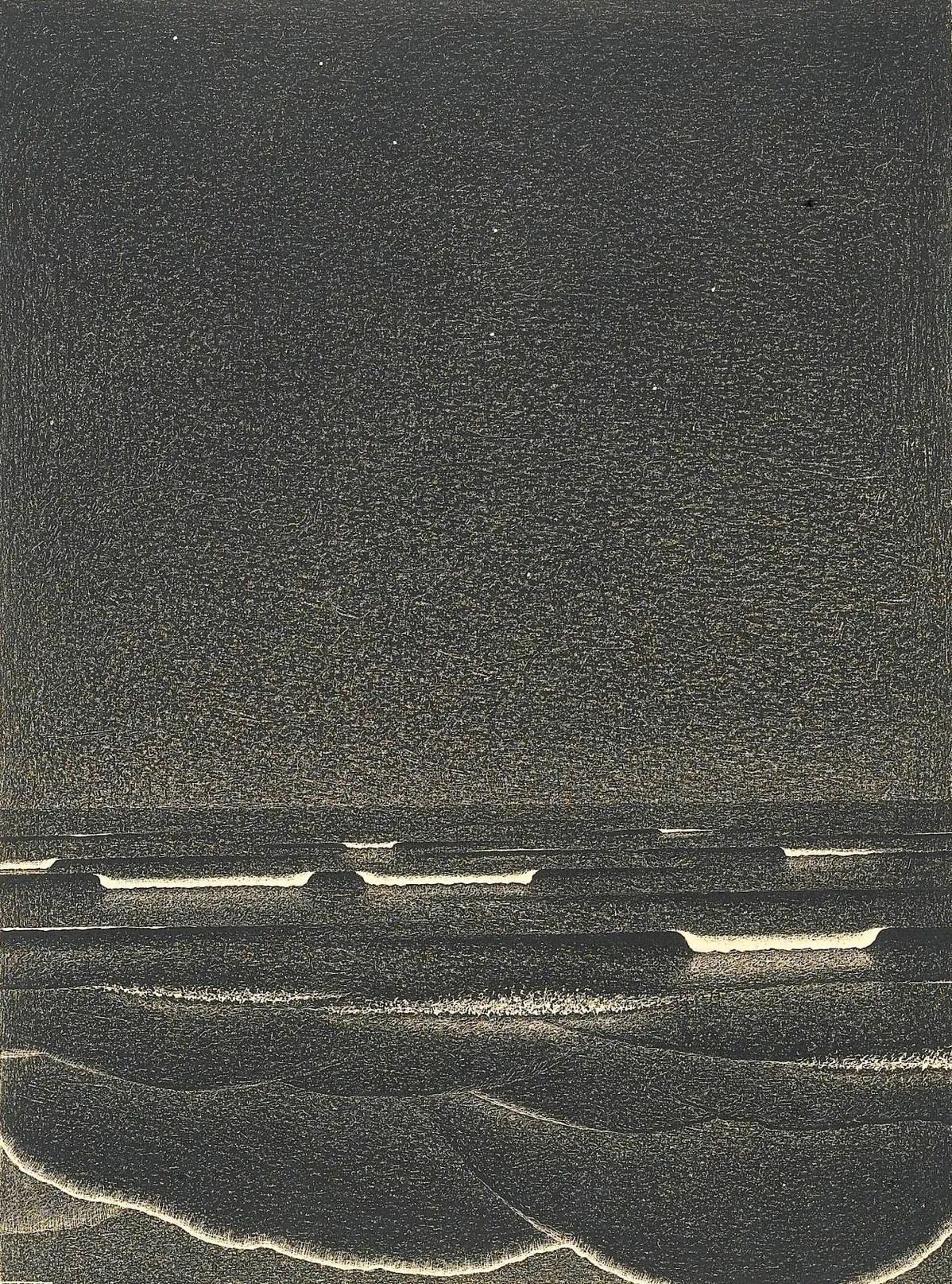
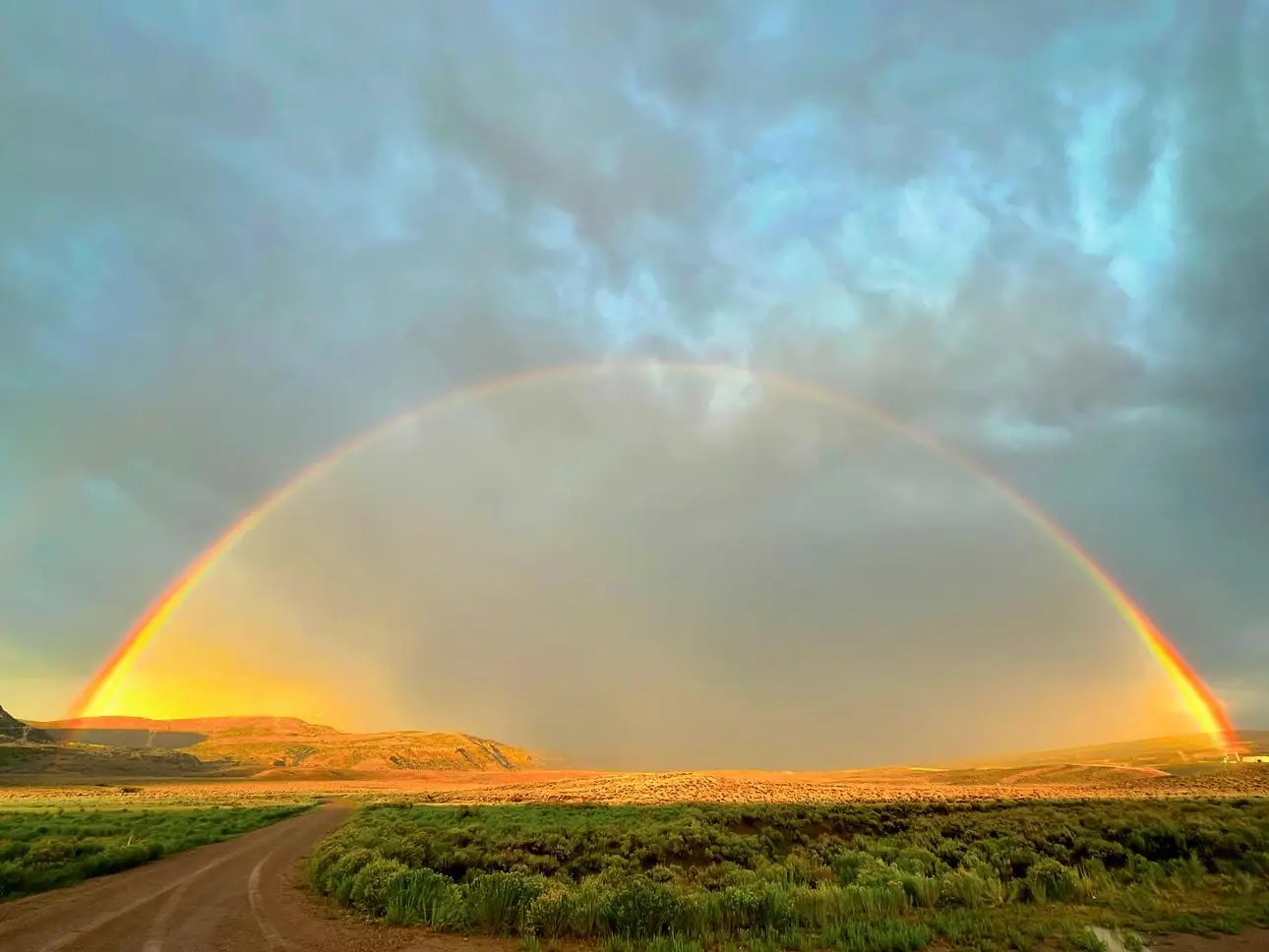
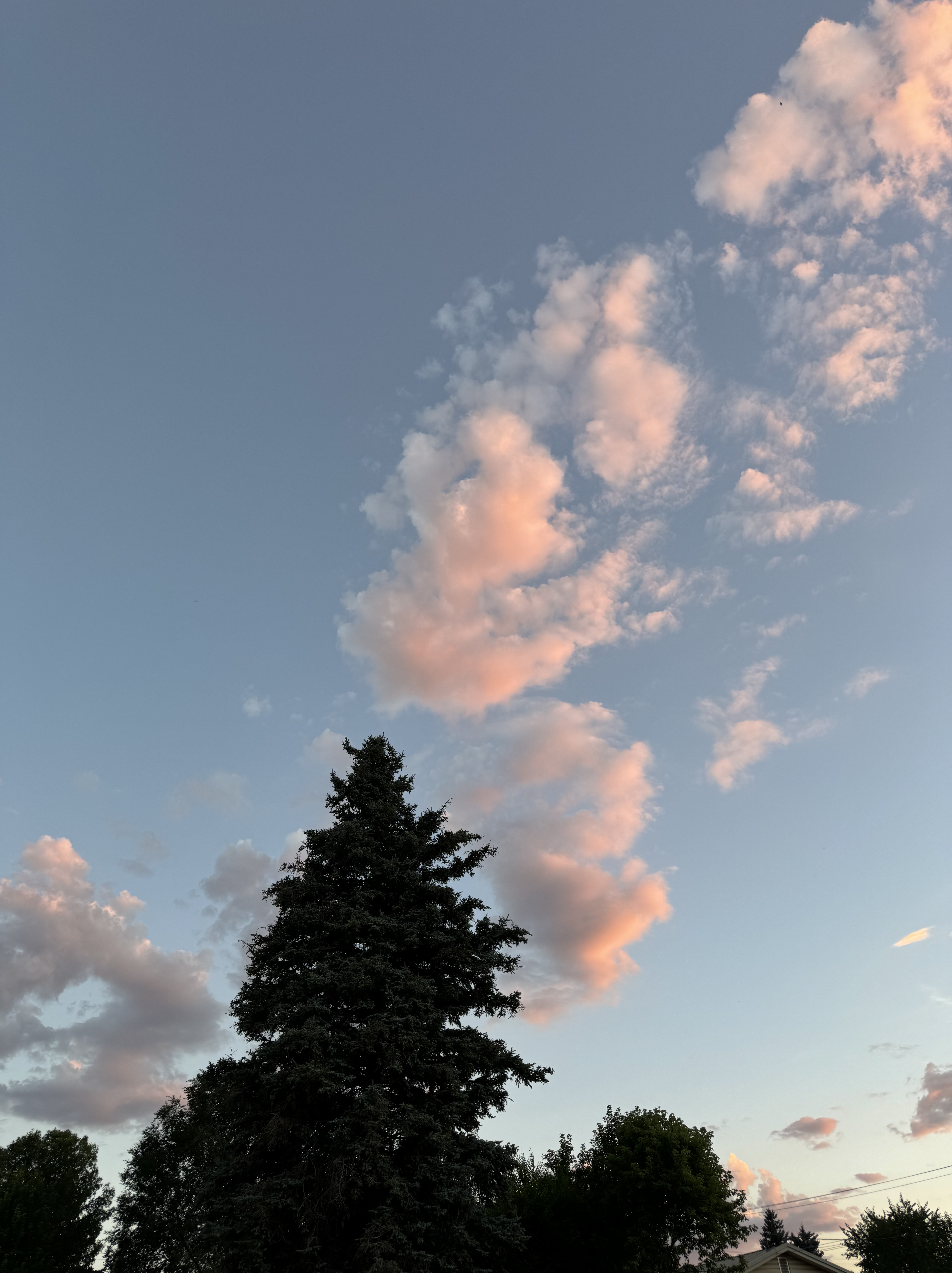
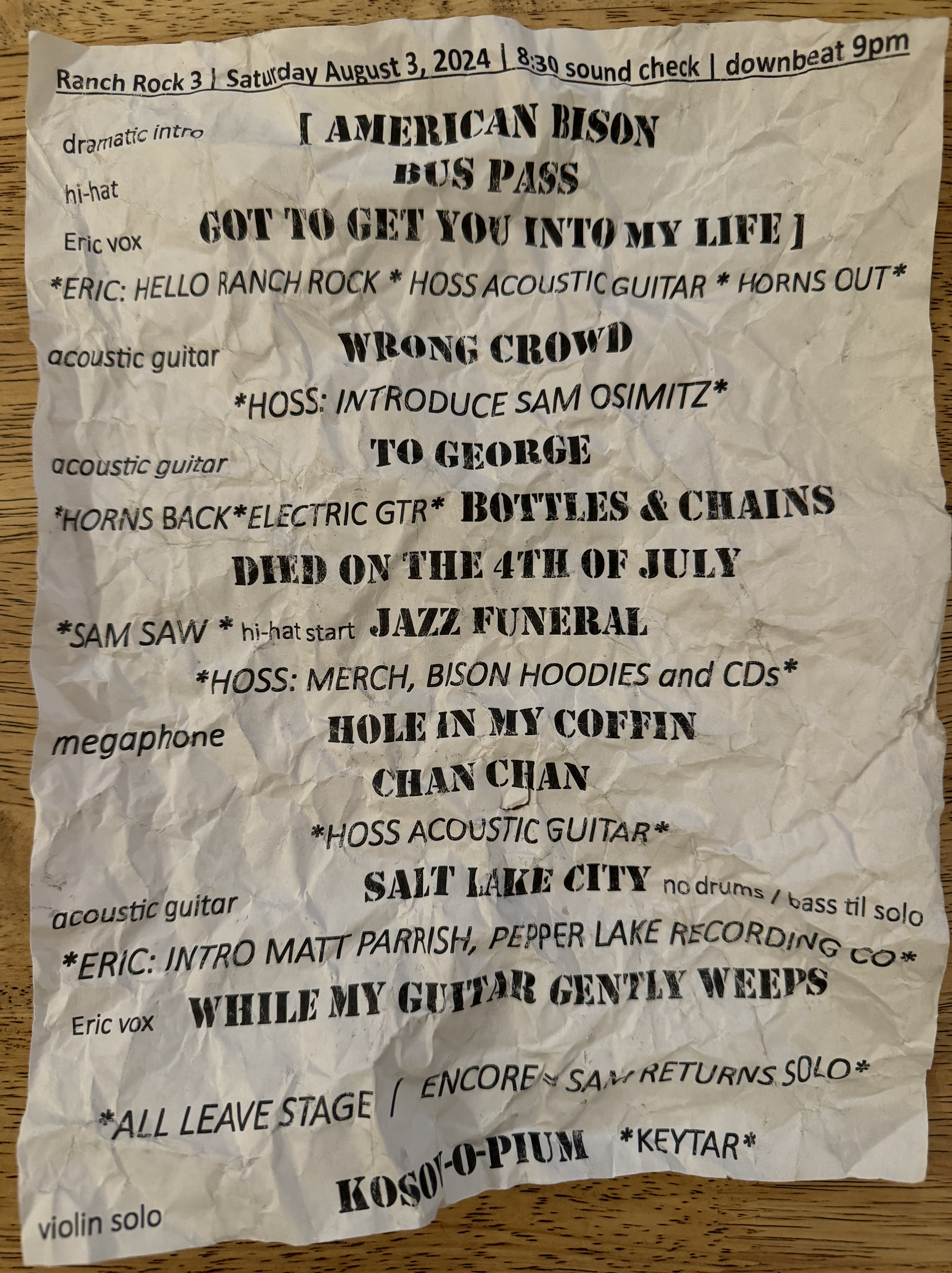

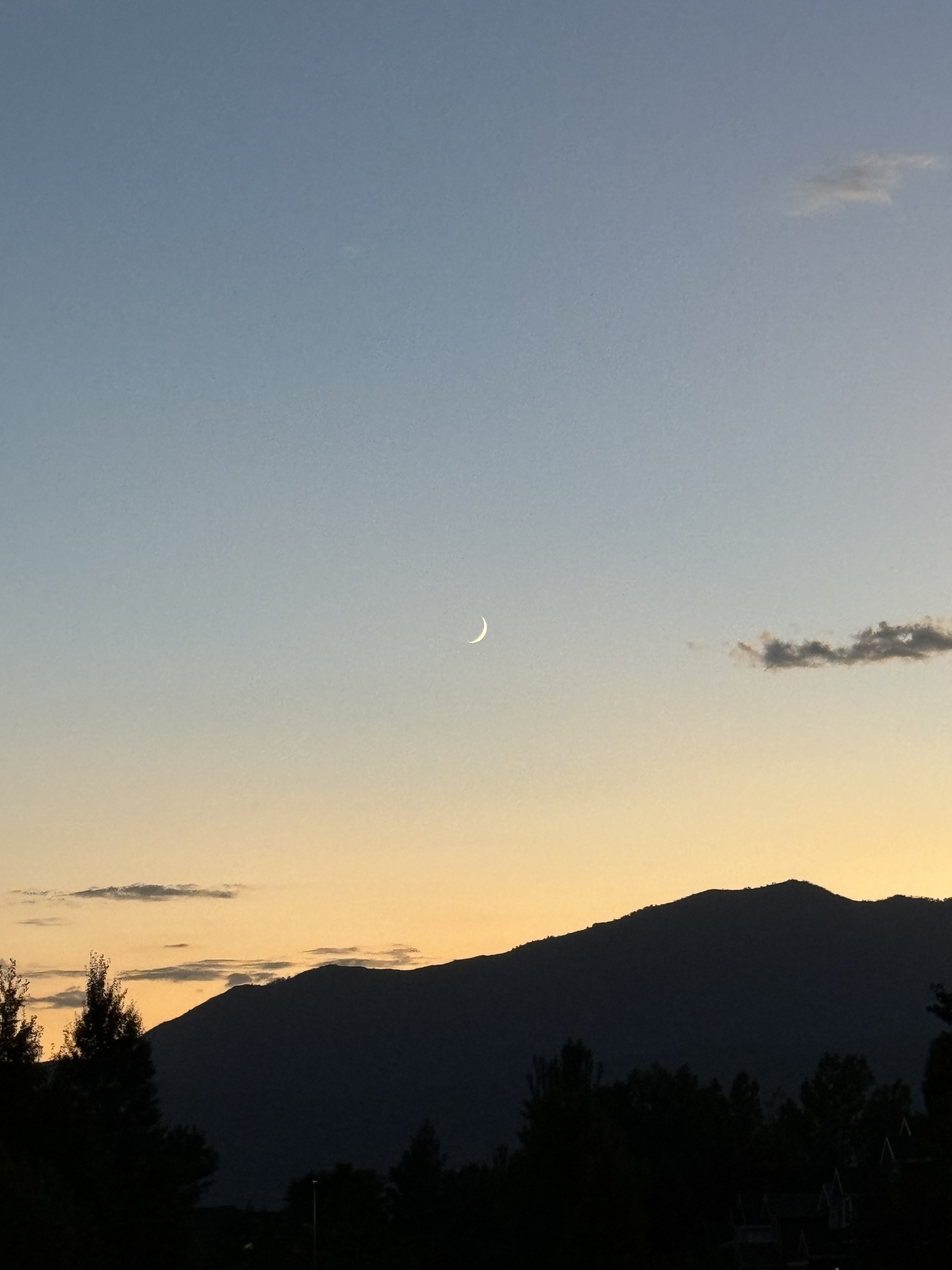

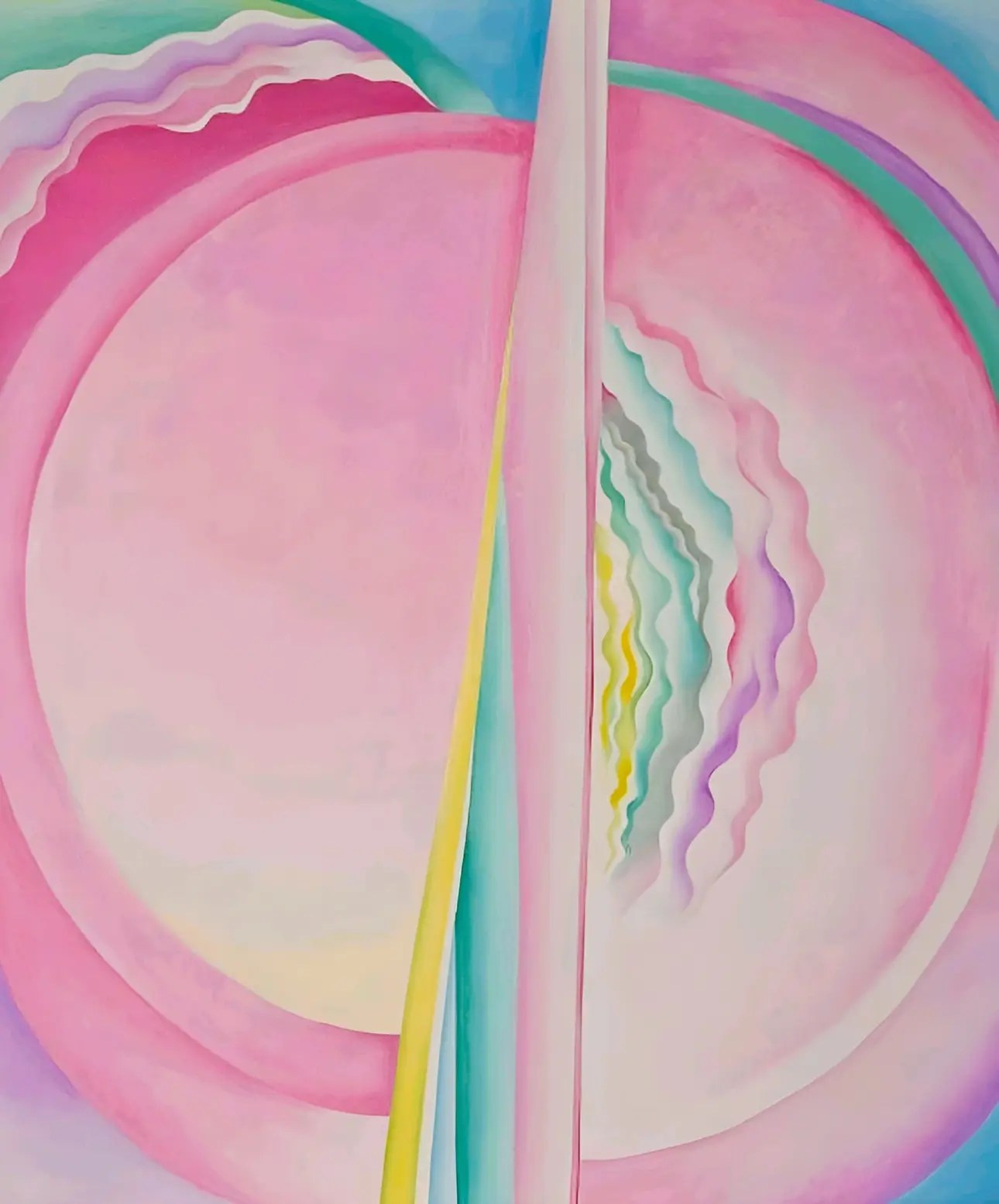
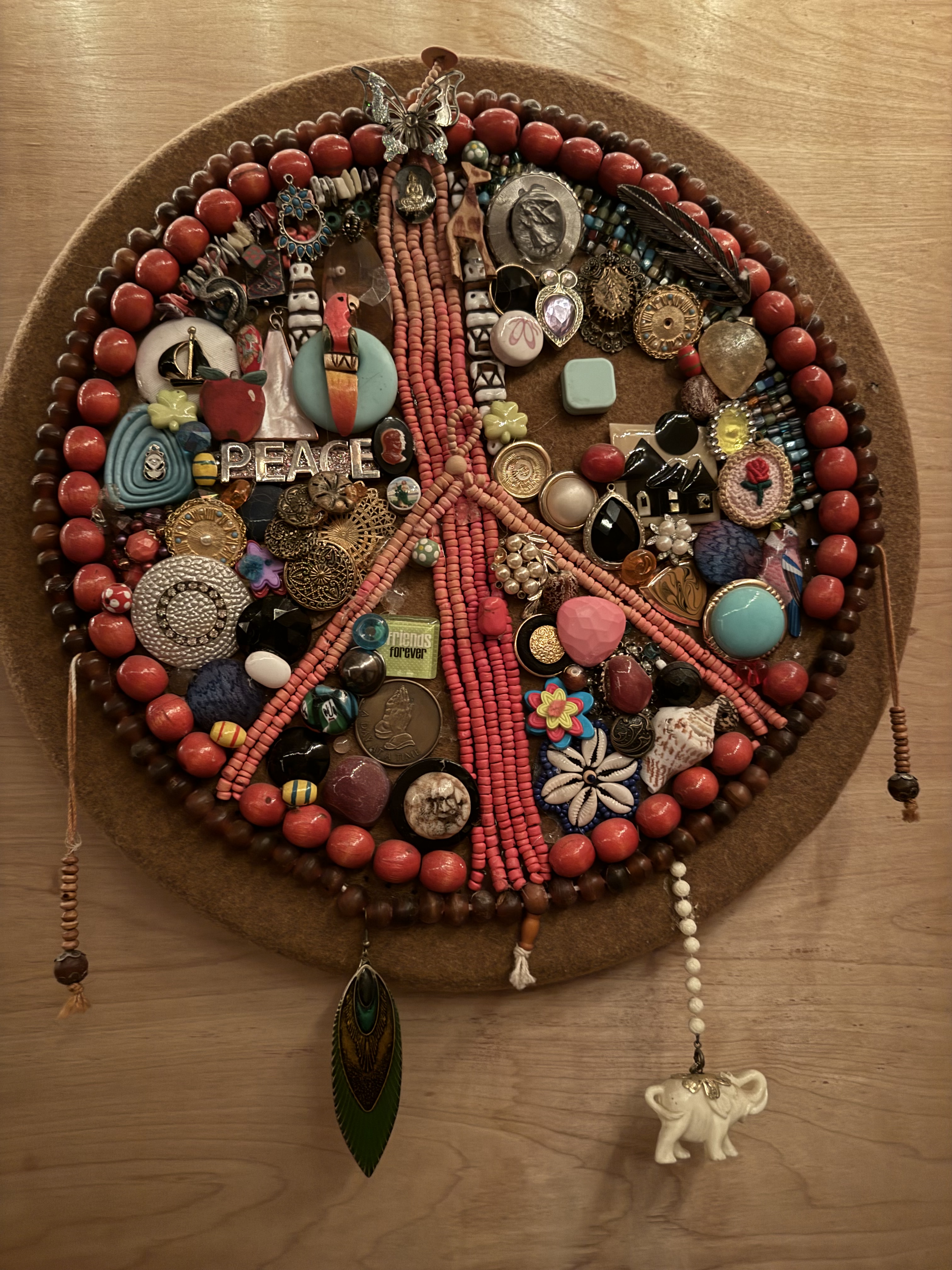
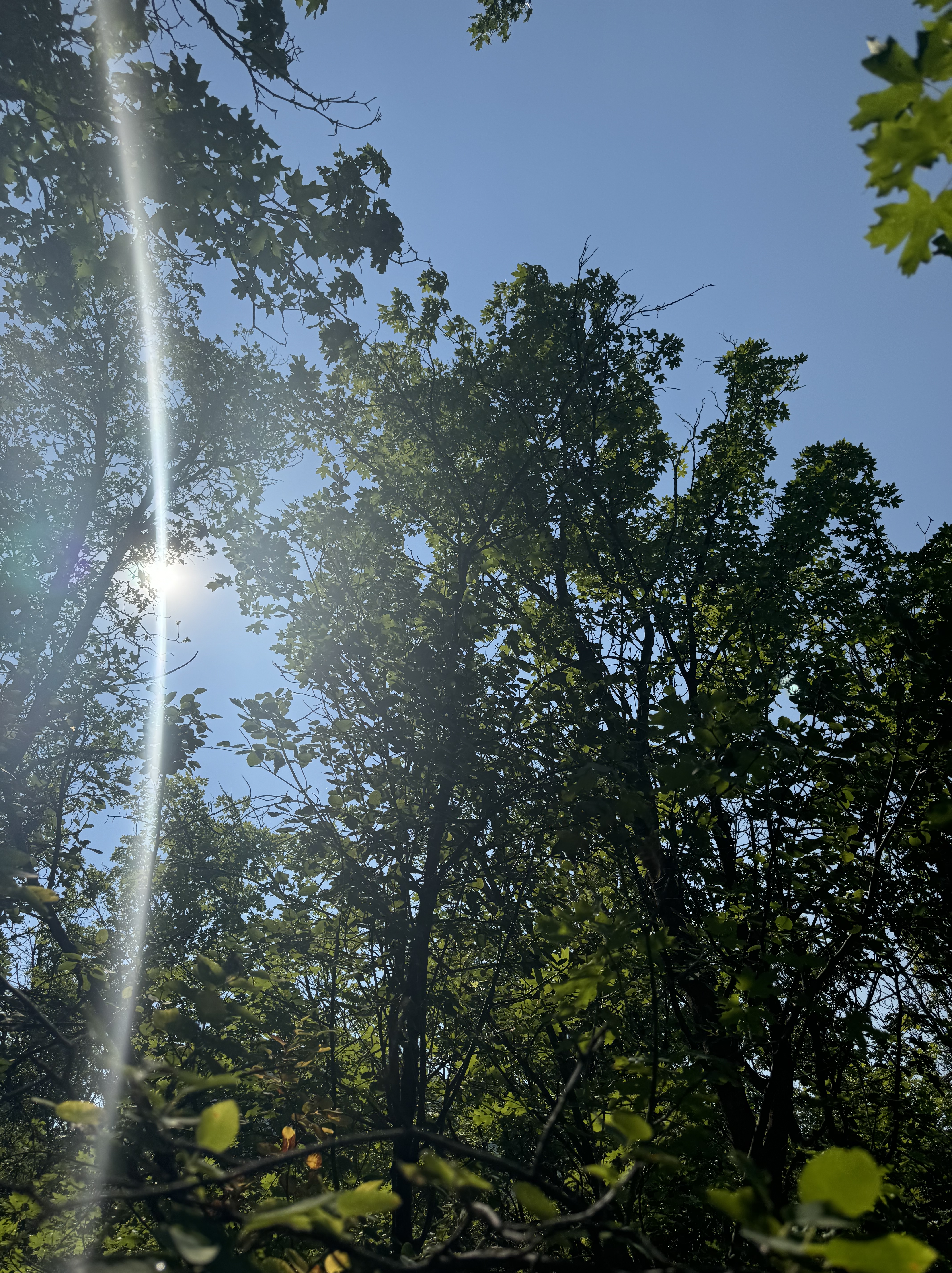
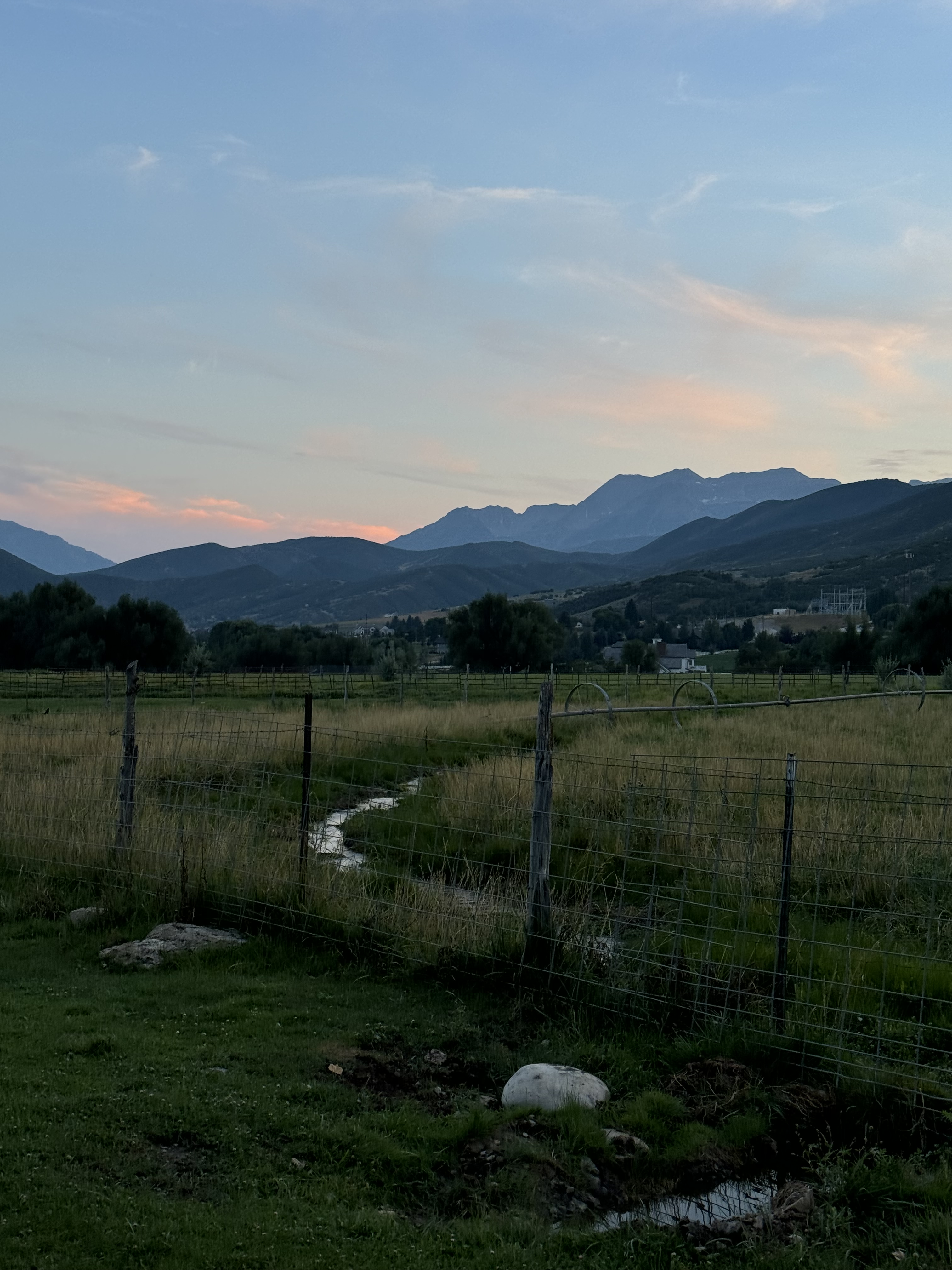
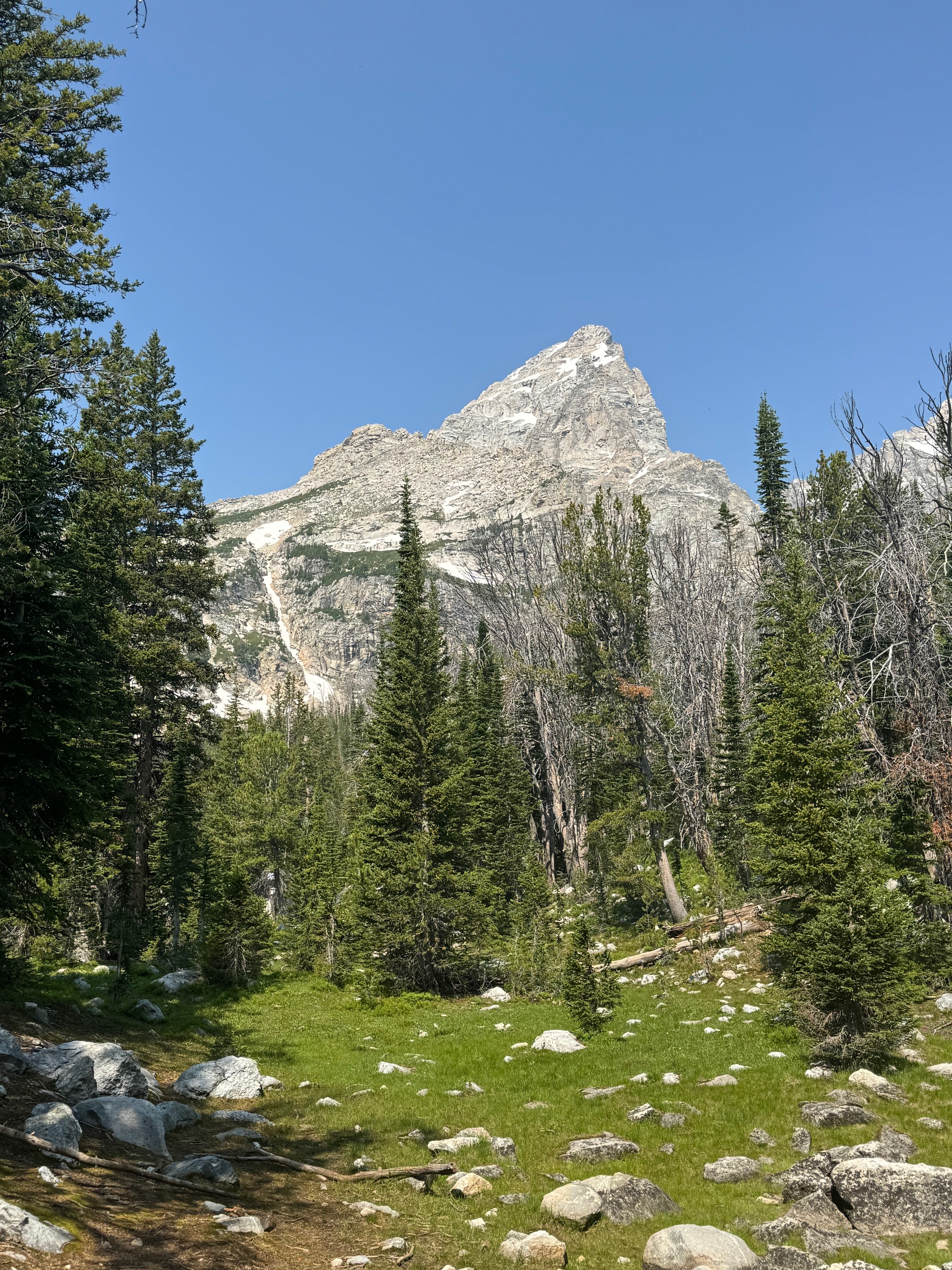
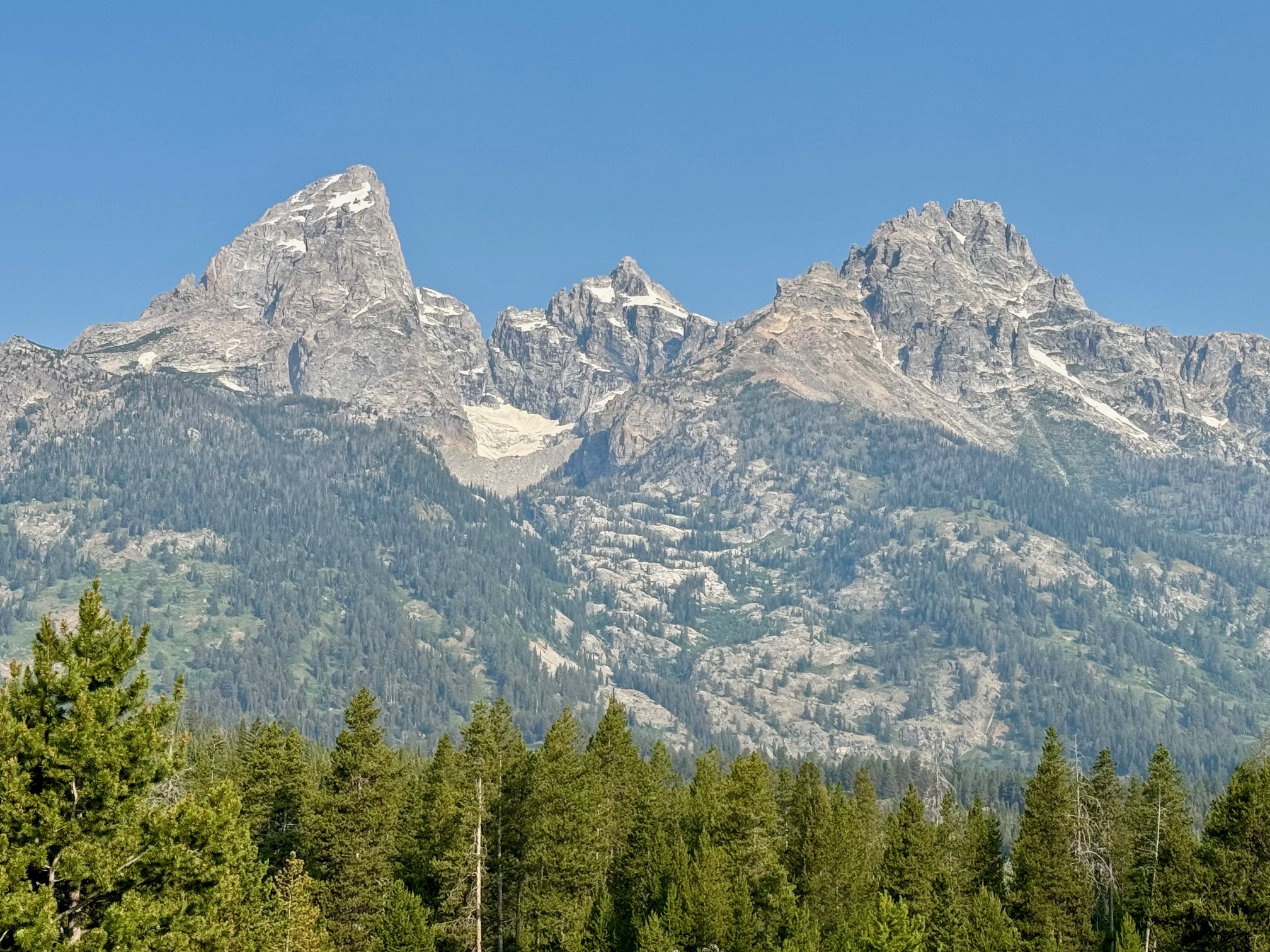
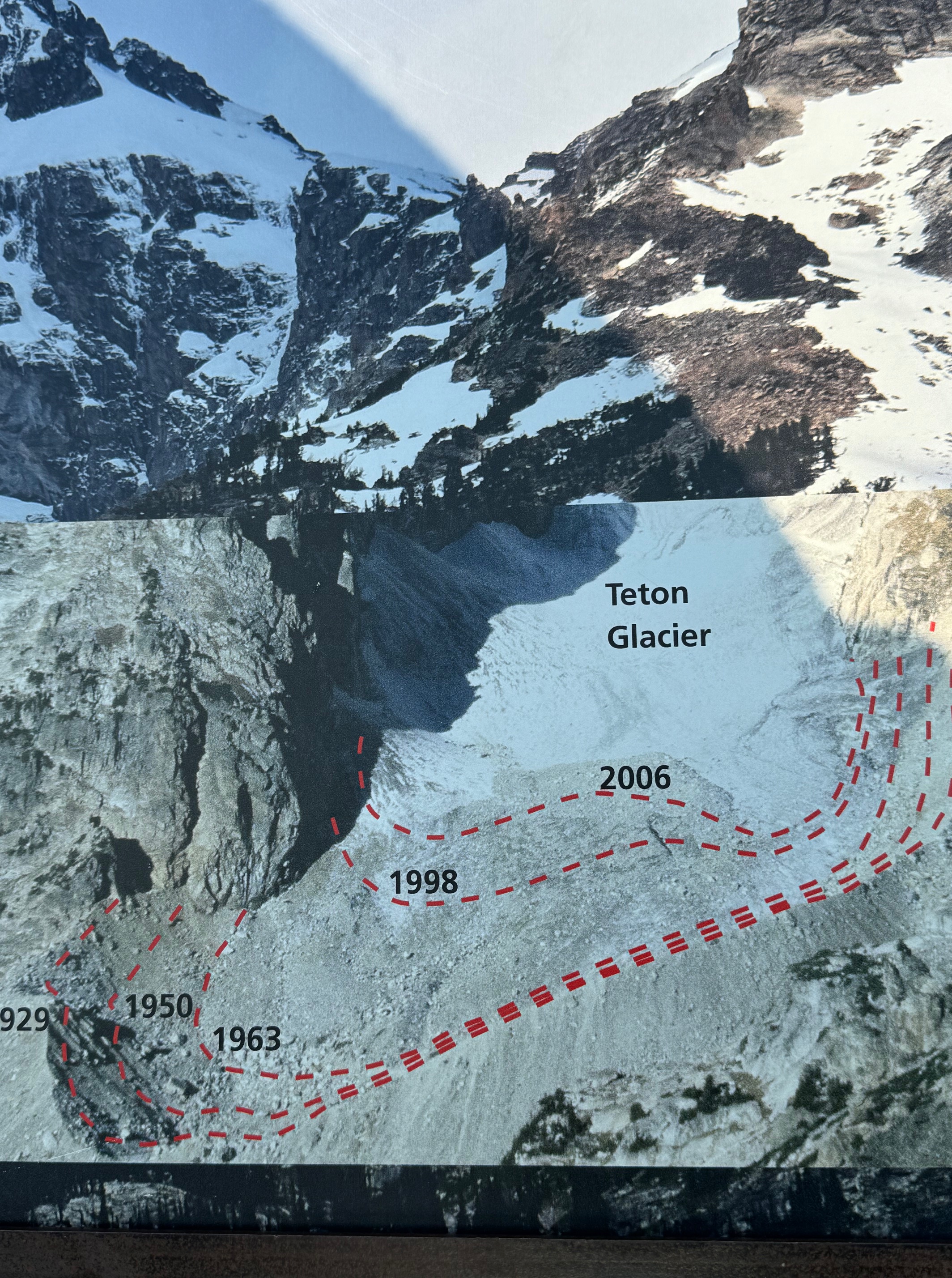
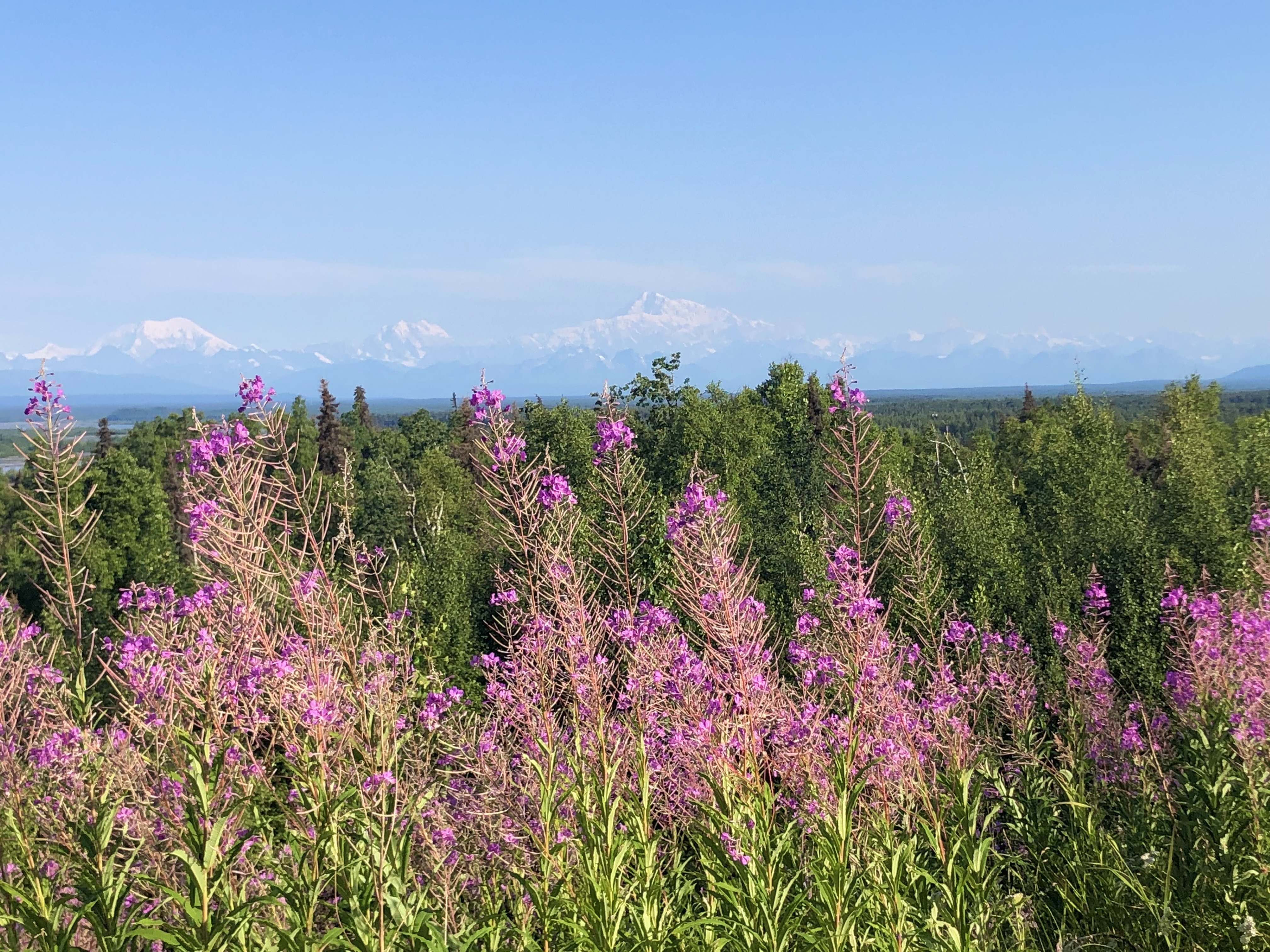
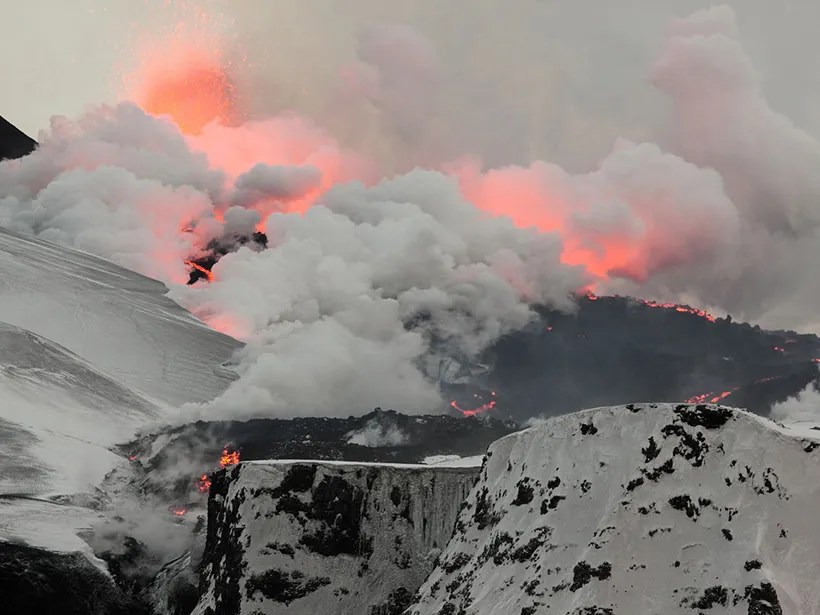

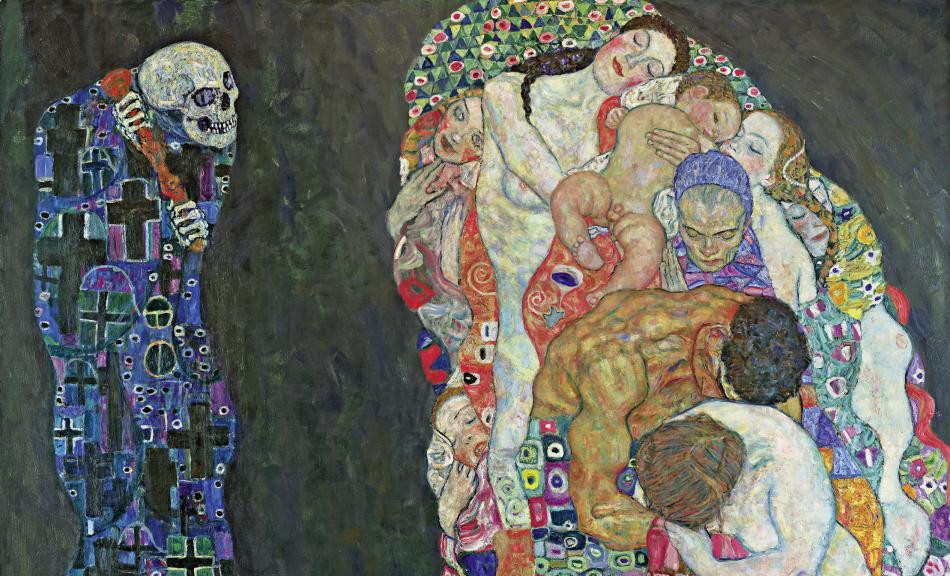
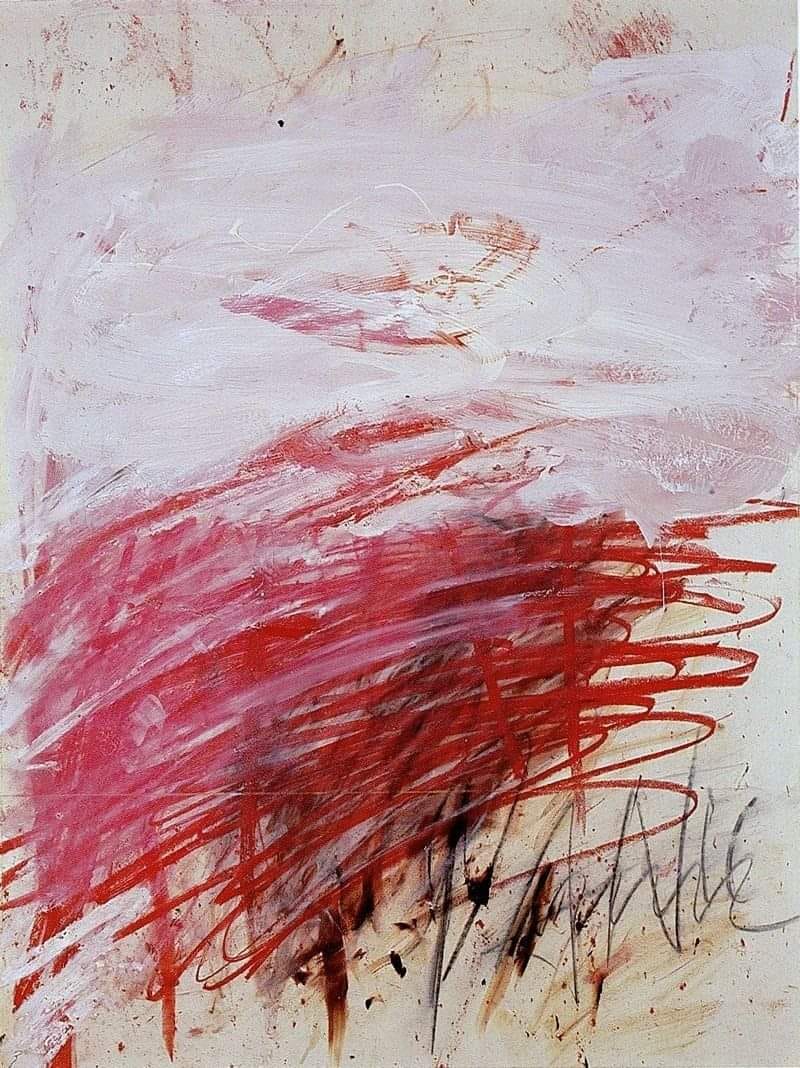
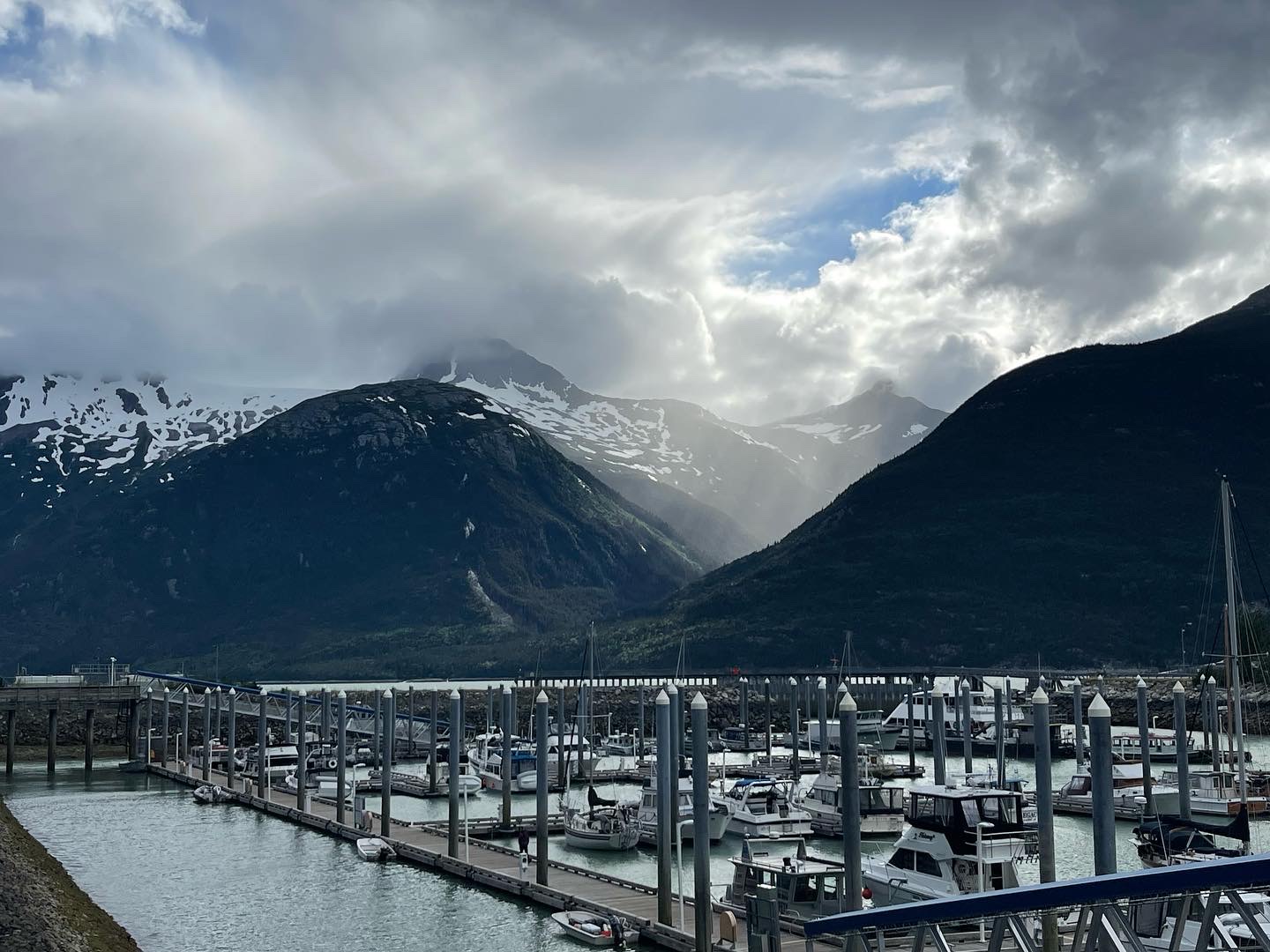
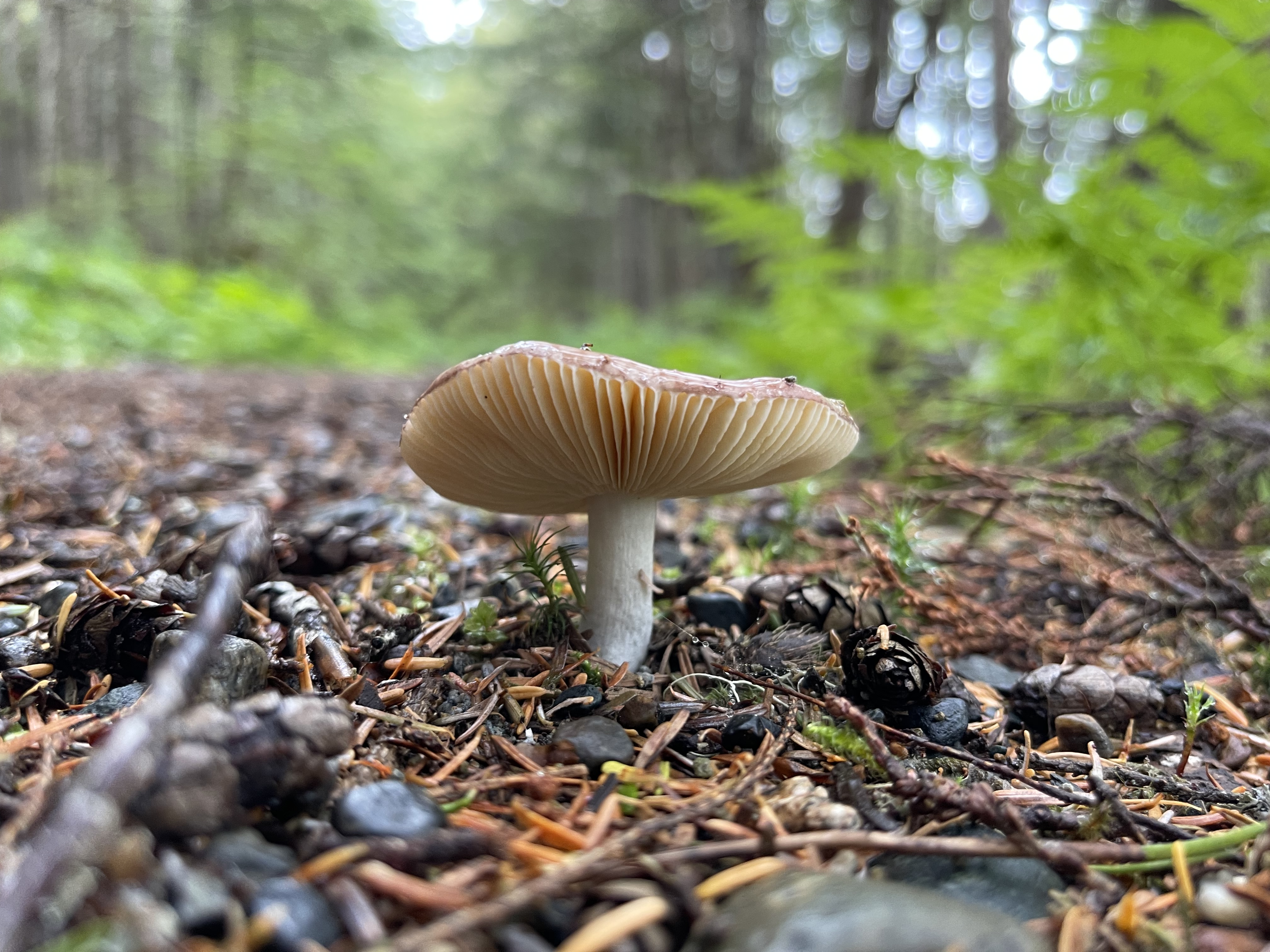
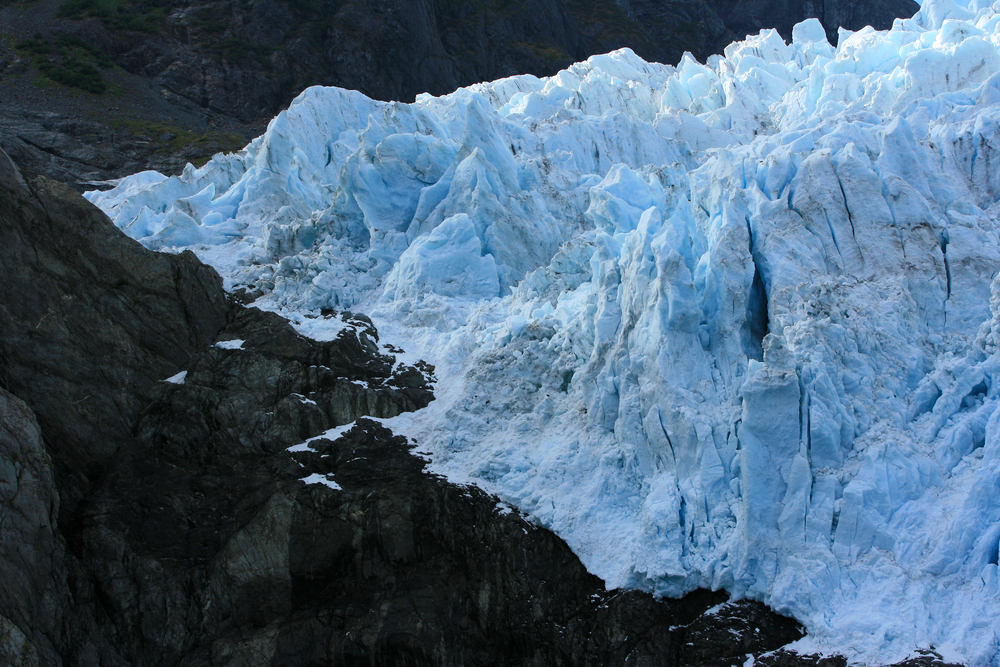

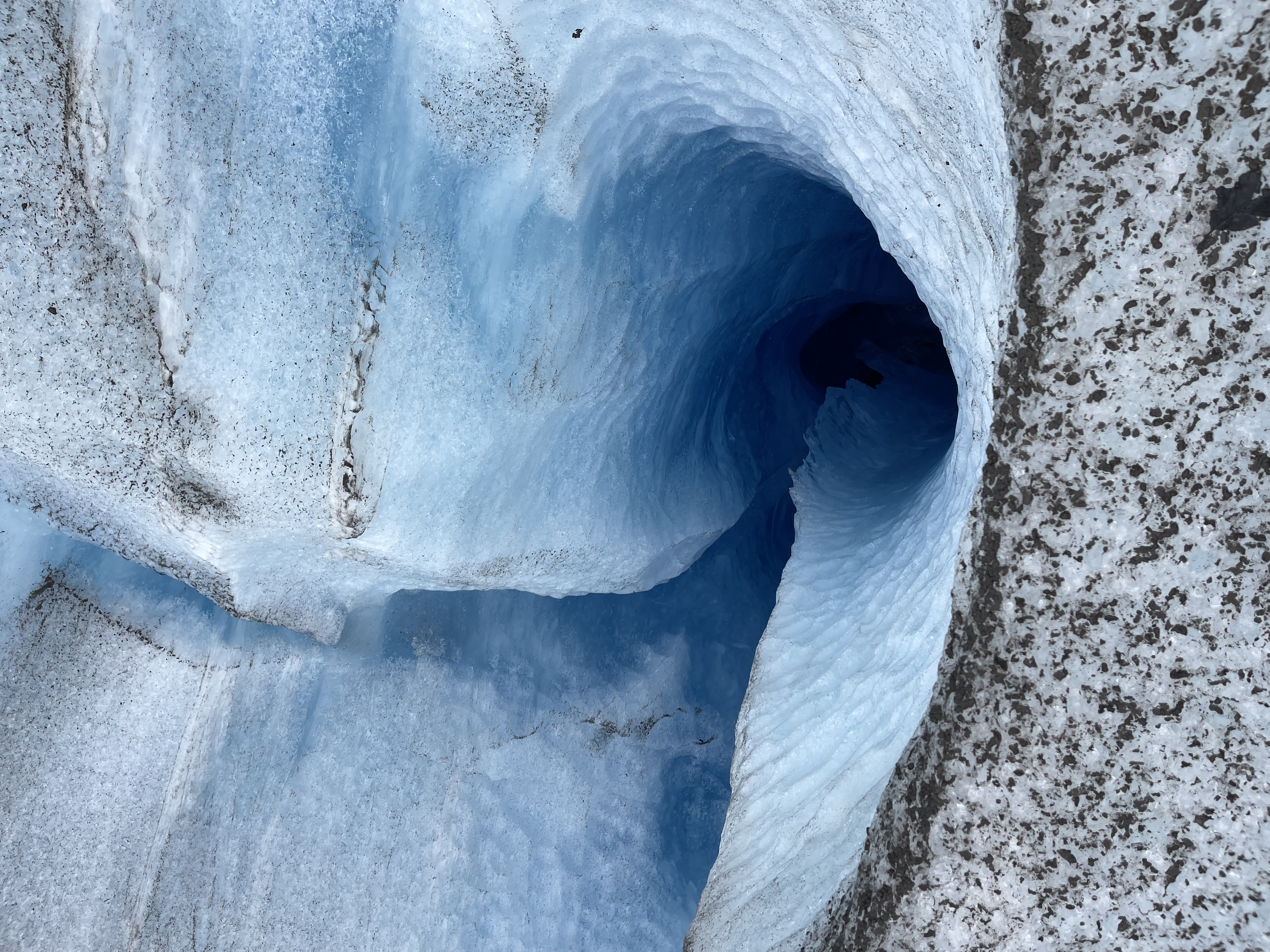
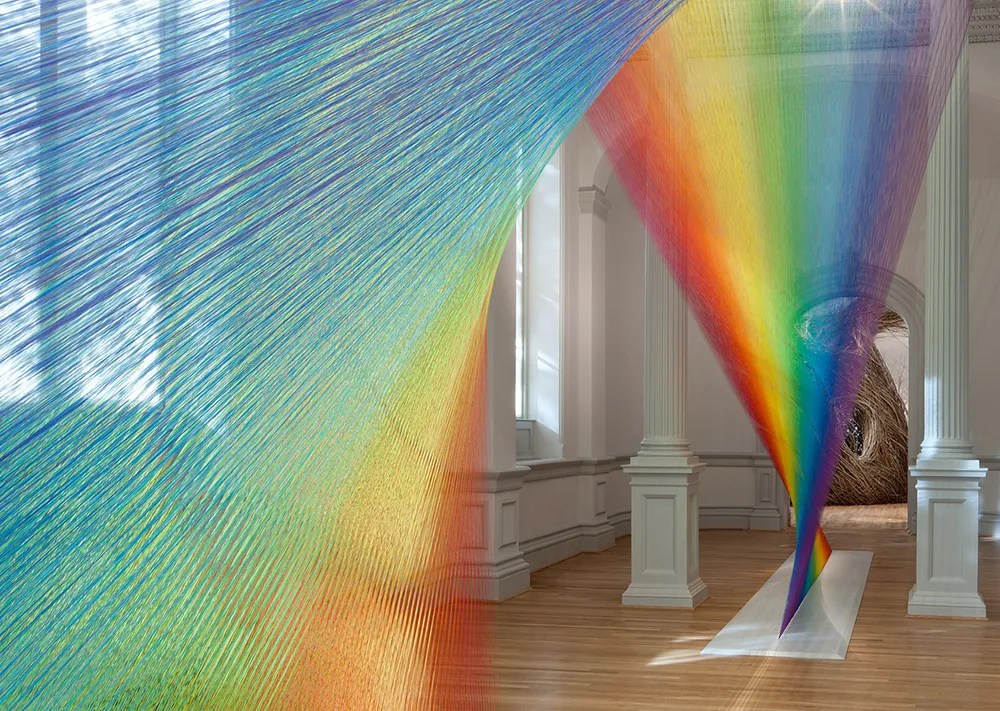
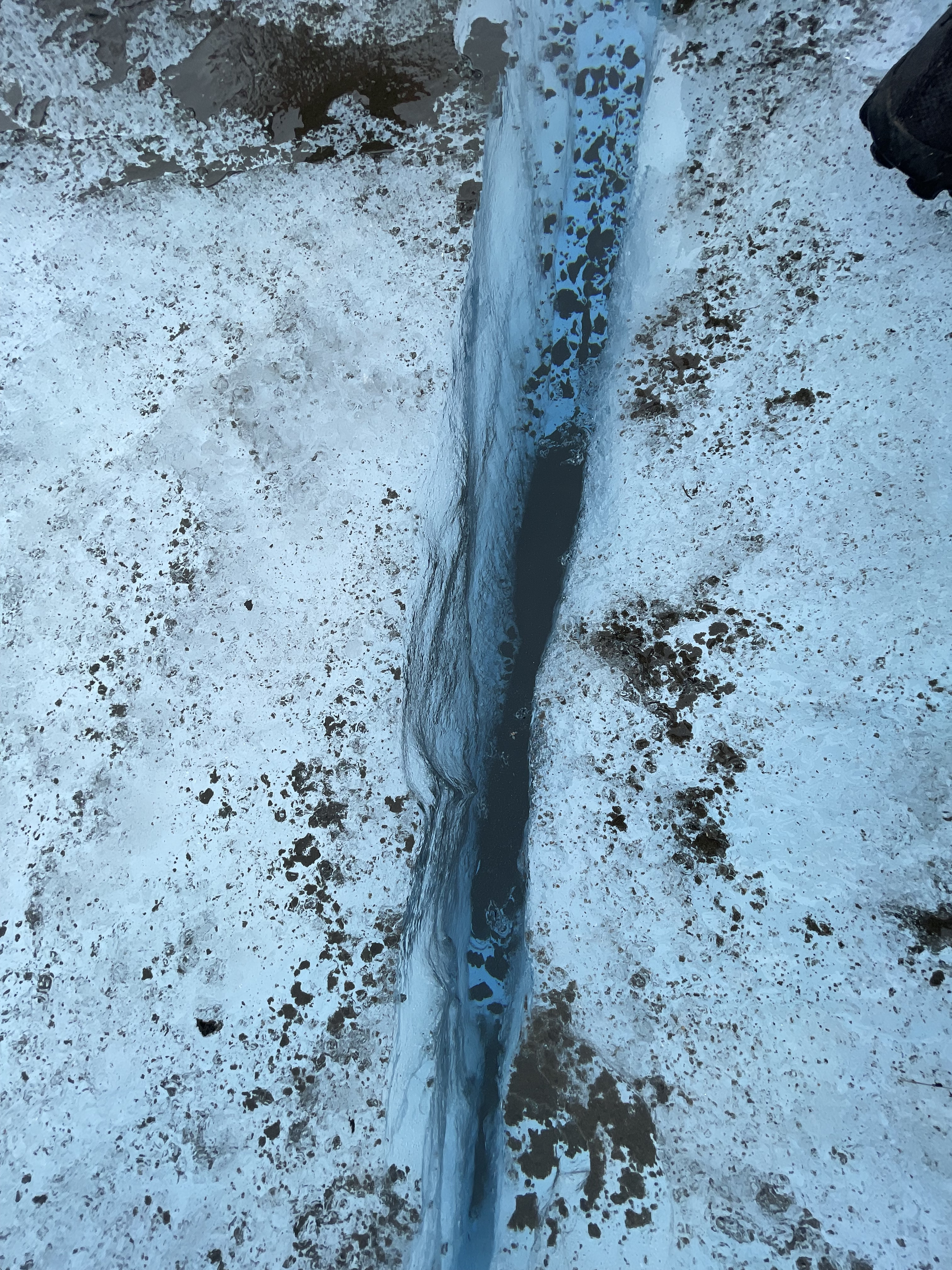
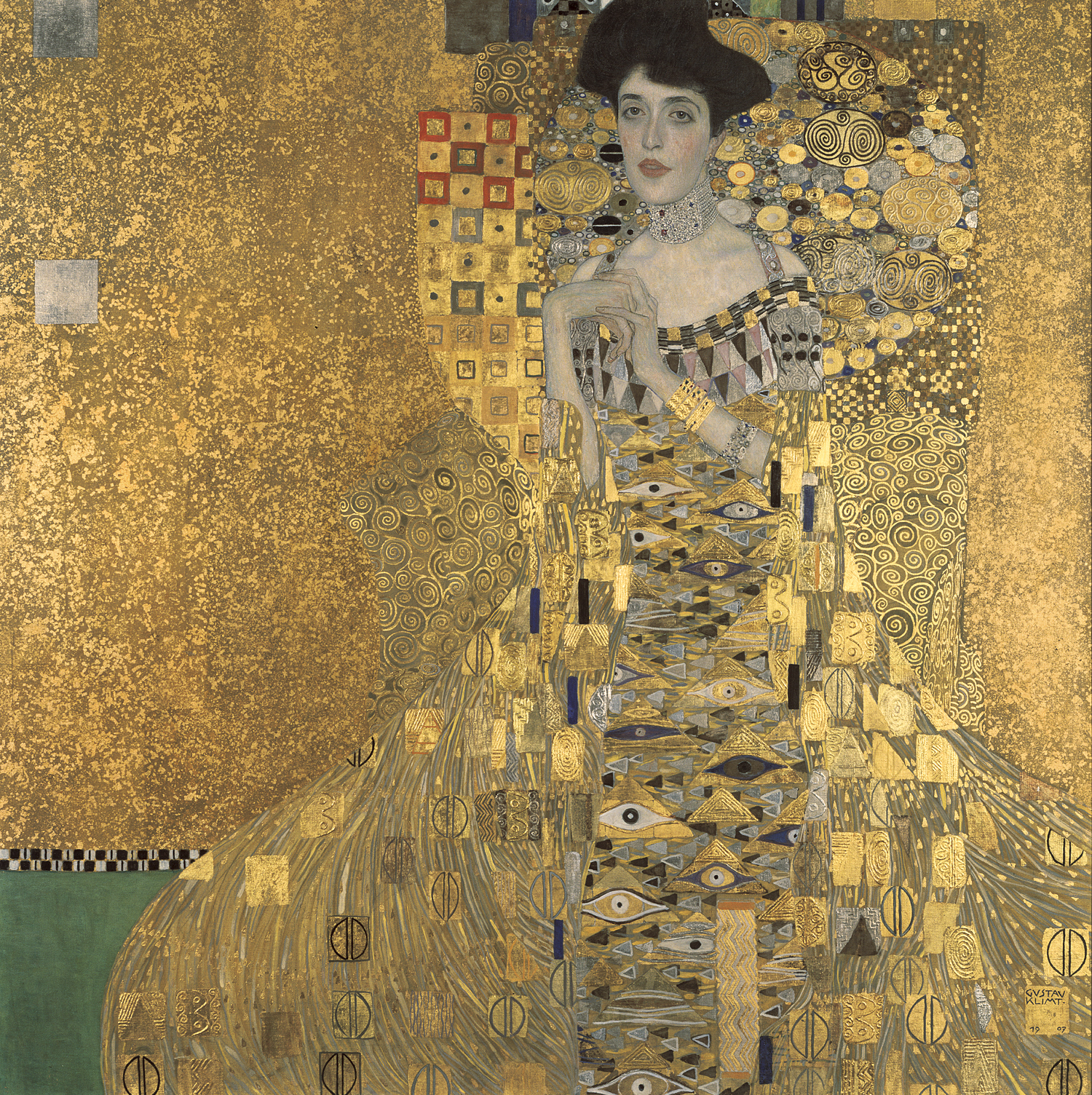
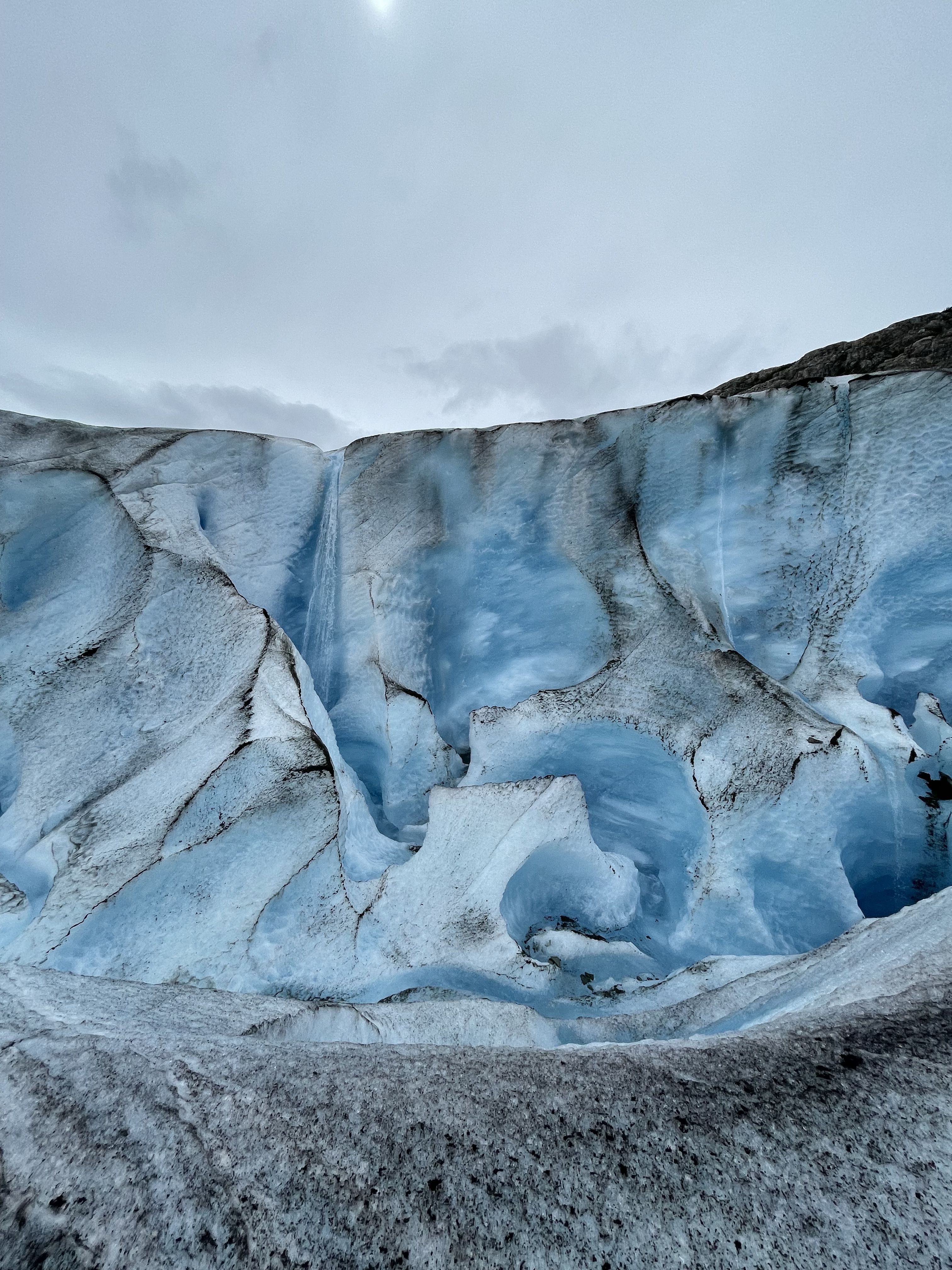
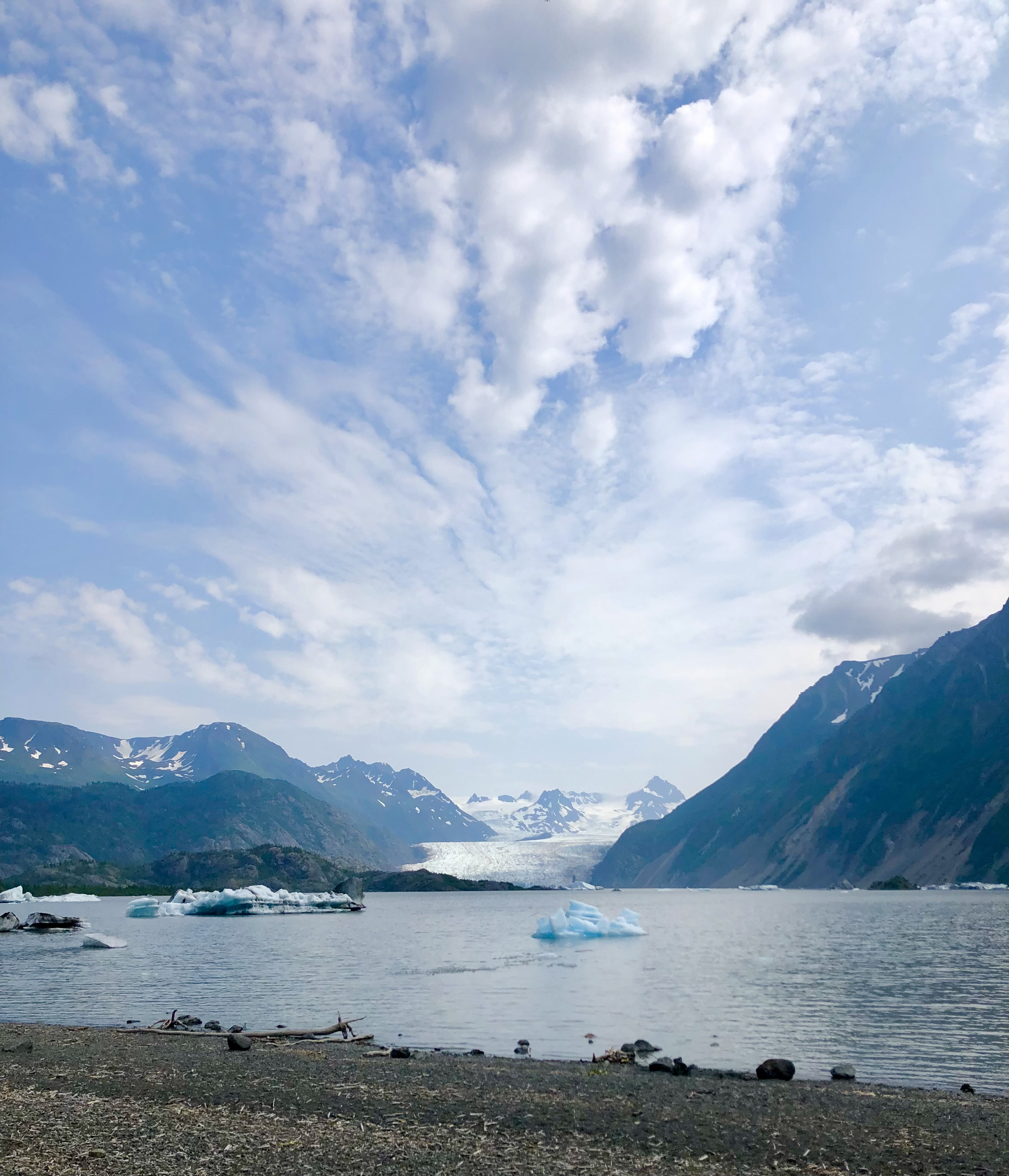
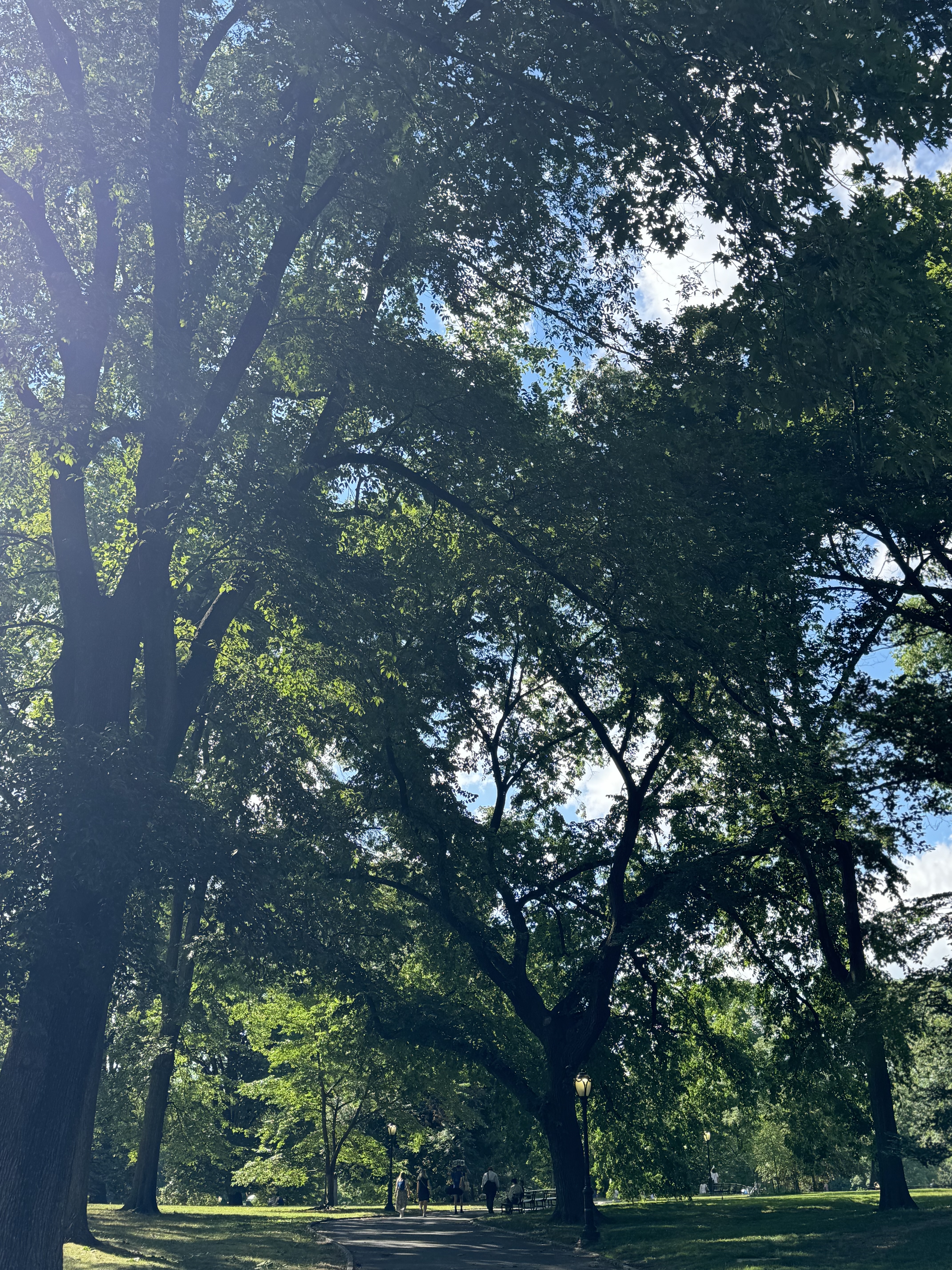
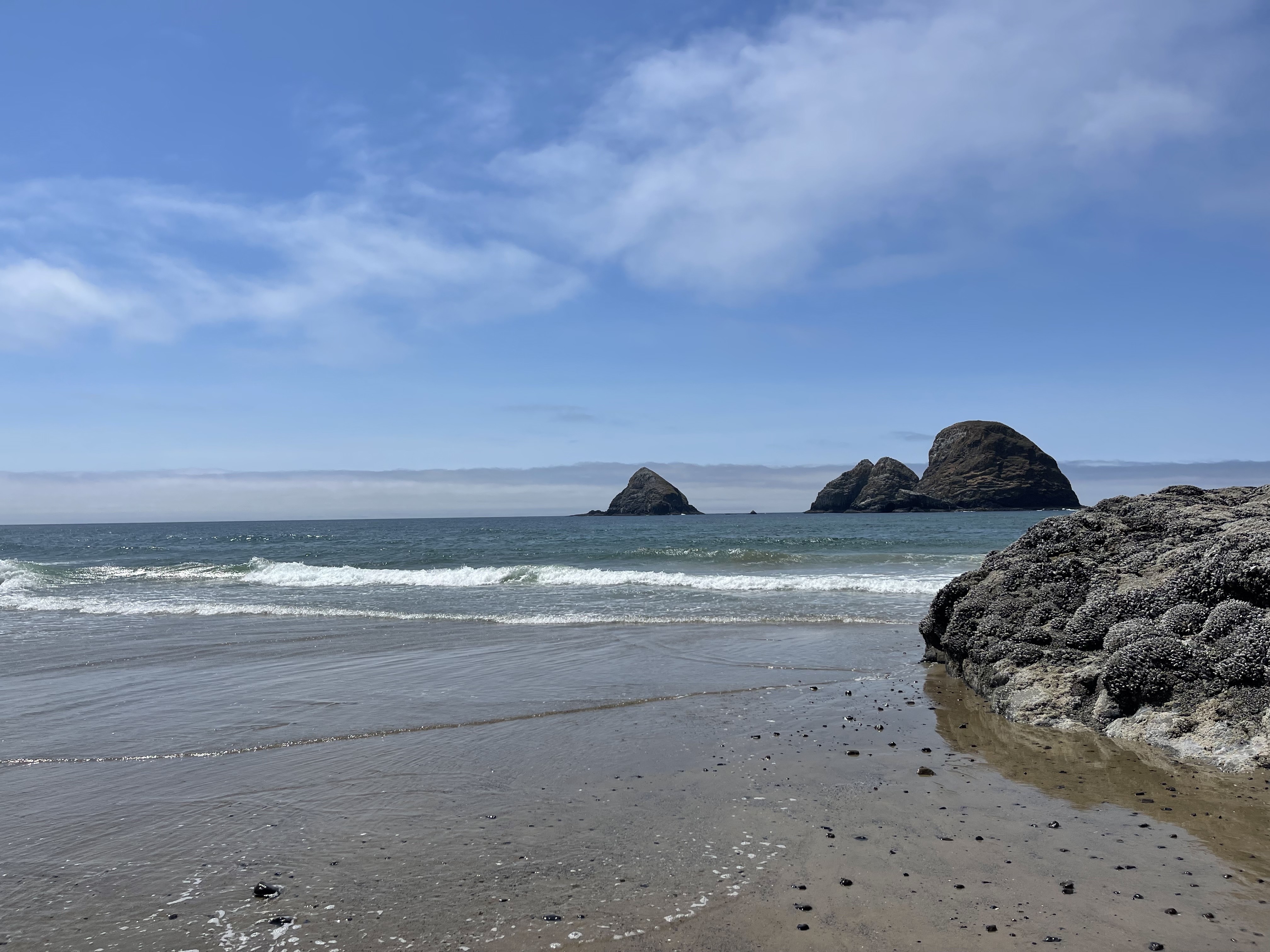





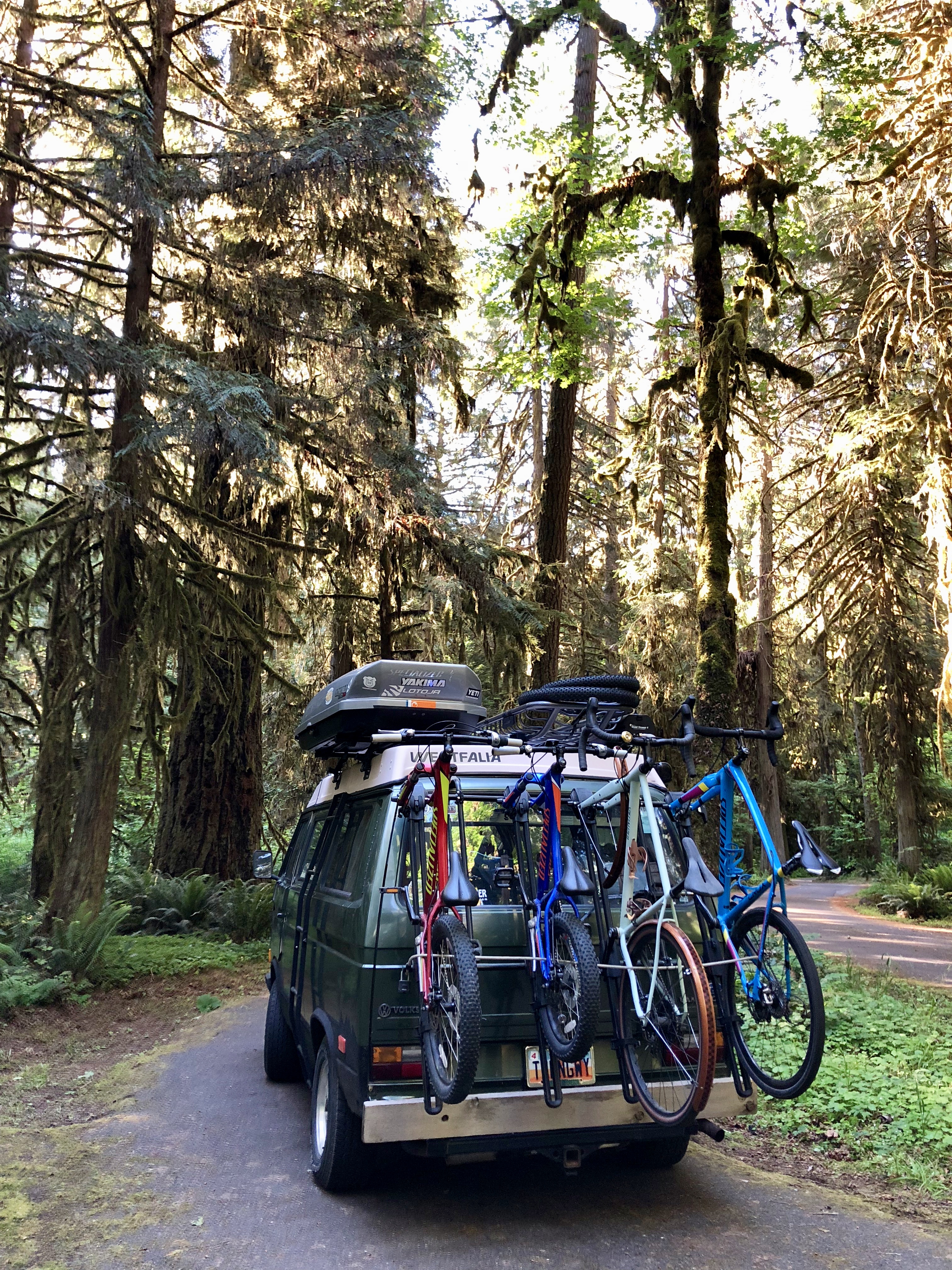


 Refined + Rugged