each stalk of grass is hollow and barren this time of year skeletons of viridescent pasts like raw leafless trees memories of living and of dying the pulling back the cocooning of life in silent night, darkness chambers, interiors of many plants and animals teaches us all about the death and the rebirth of life, light so that we won’t fully despair
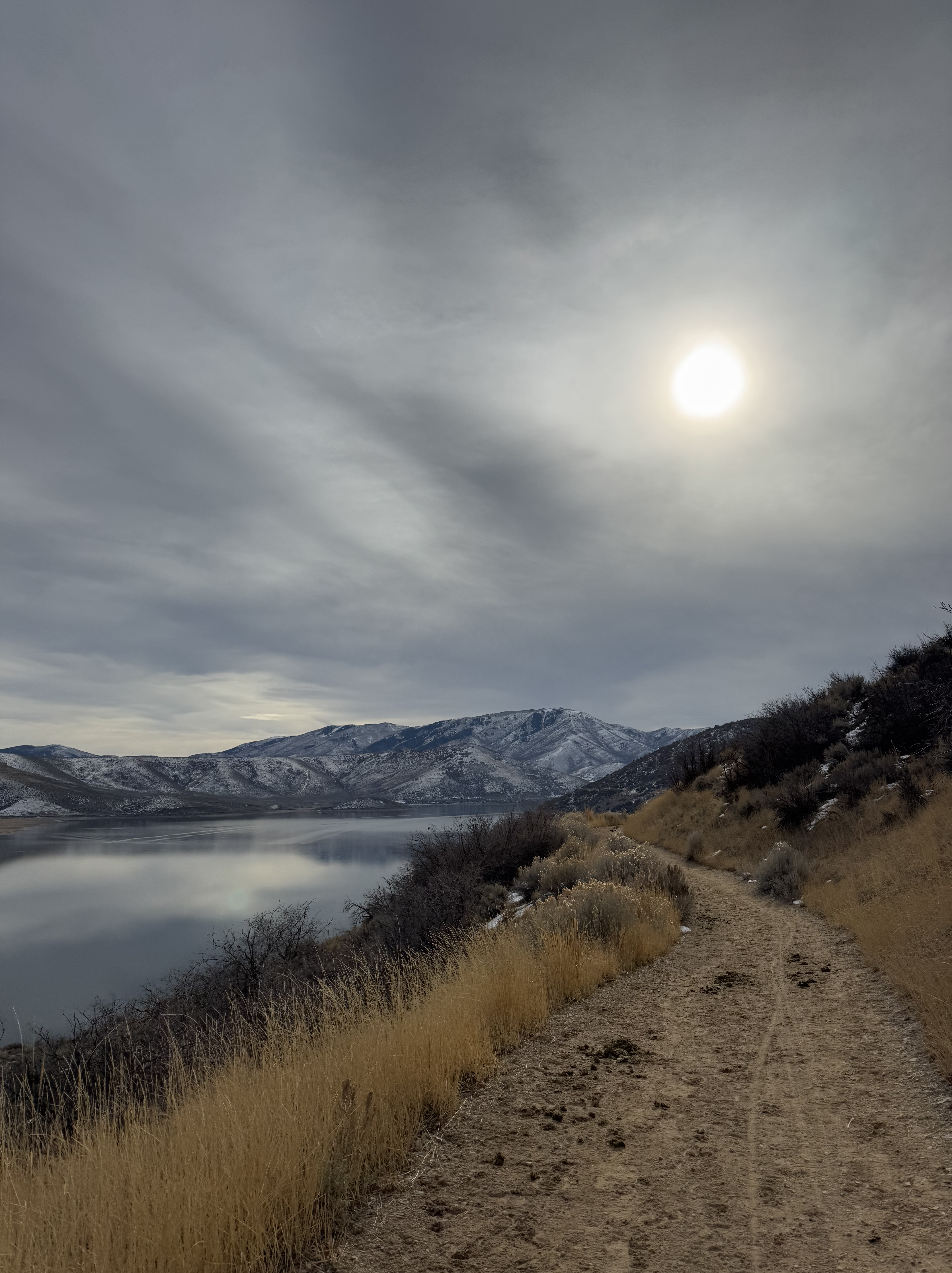
Deer Creek. Image, my own.
The Return
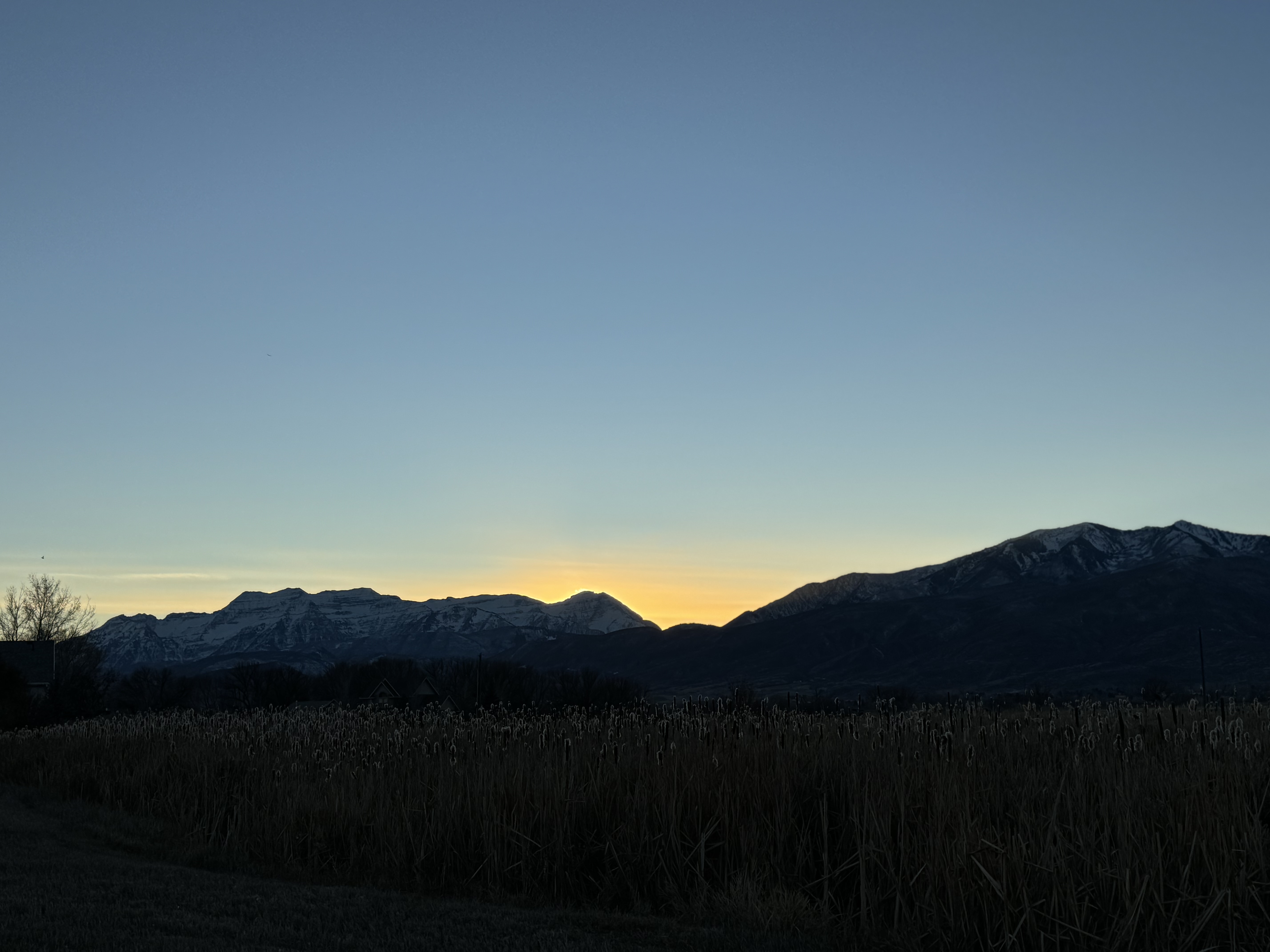
the light returns this morning with the owls they call from tree to branch, as sun
pinks surely over the charcoaled horizon kilned through night, and sealed in the new, cold light
of this winter morning where I’m aghast at the magic, memory magnificence, majesty transitive verb
of the whole thing where I am present when the light is seven minutes old and each
photon graces my retina with the reminder that the light always returns until it doesn’t
until the whole sky is bathed in numinous halogenic possibility the presence of the now
as the light returns may we remember the power of the darkness the importance
of slow, intentional rest, the rejuvenating properties of sleep for a world that simply needs to listen to
the magic of the intransitive verbs of owls
Christmas Windmill. Image, my own.
Dark
Enfold me in your blackness, I don’t want to be afraid of the dark In fact, I want to embrace my shadow Shadows of all that I thought would Suck the marrow out of me, but instead Offered me a respite, a resting place A hallowed breath of solace and silence Dark, the thing that so much incandescent Luminosity is meant to fight, to ward off, as Humanity wilts under all this light
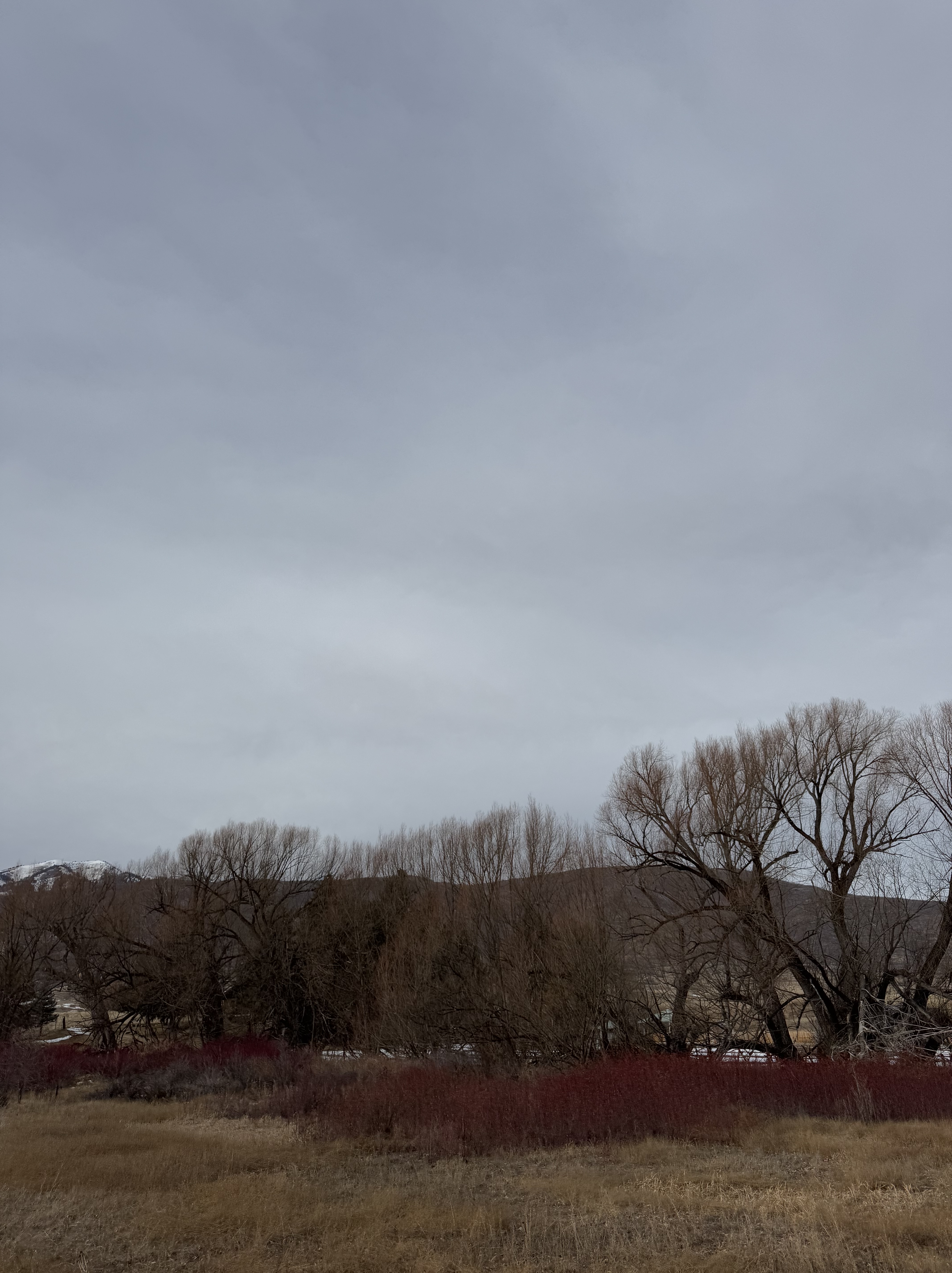
Tamarisk and Gray Skies. Image, my own.
Space
Maybe the most surprising thing about poems is that they take a fair amount of space and time The words are often all there, waiting on the lip, the tip of consciousness, but flow takes room Takes open-ended realities, wide skies like altars in the arcing air, vast closenesses and distances Which the heart contemplates, the healing place, the hell, the compassionate lengths to which a Human will go to tell a truth, a peace, a playful nothing, a love, a life, a poem
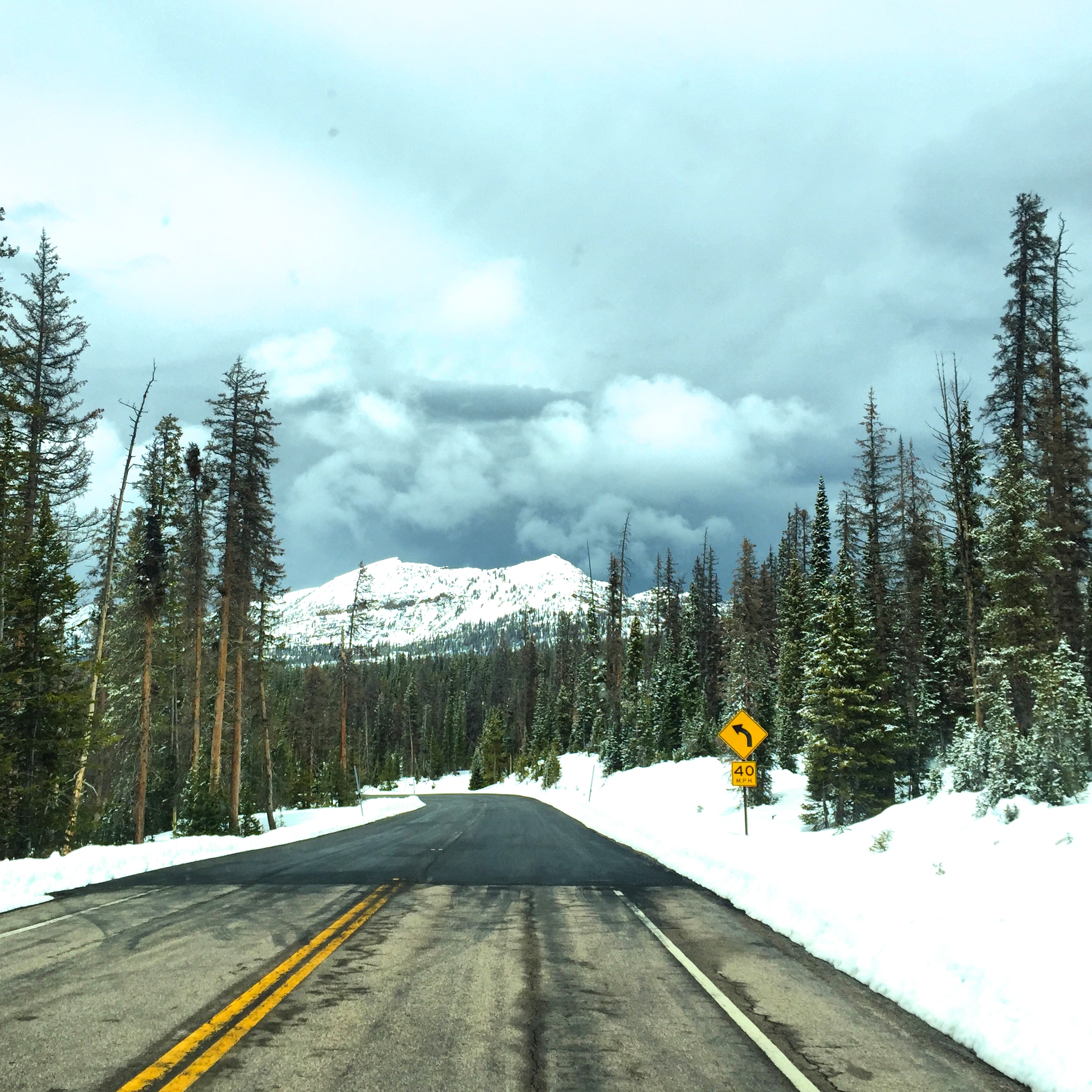
The Road. Image, my own.
Don’t Die
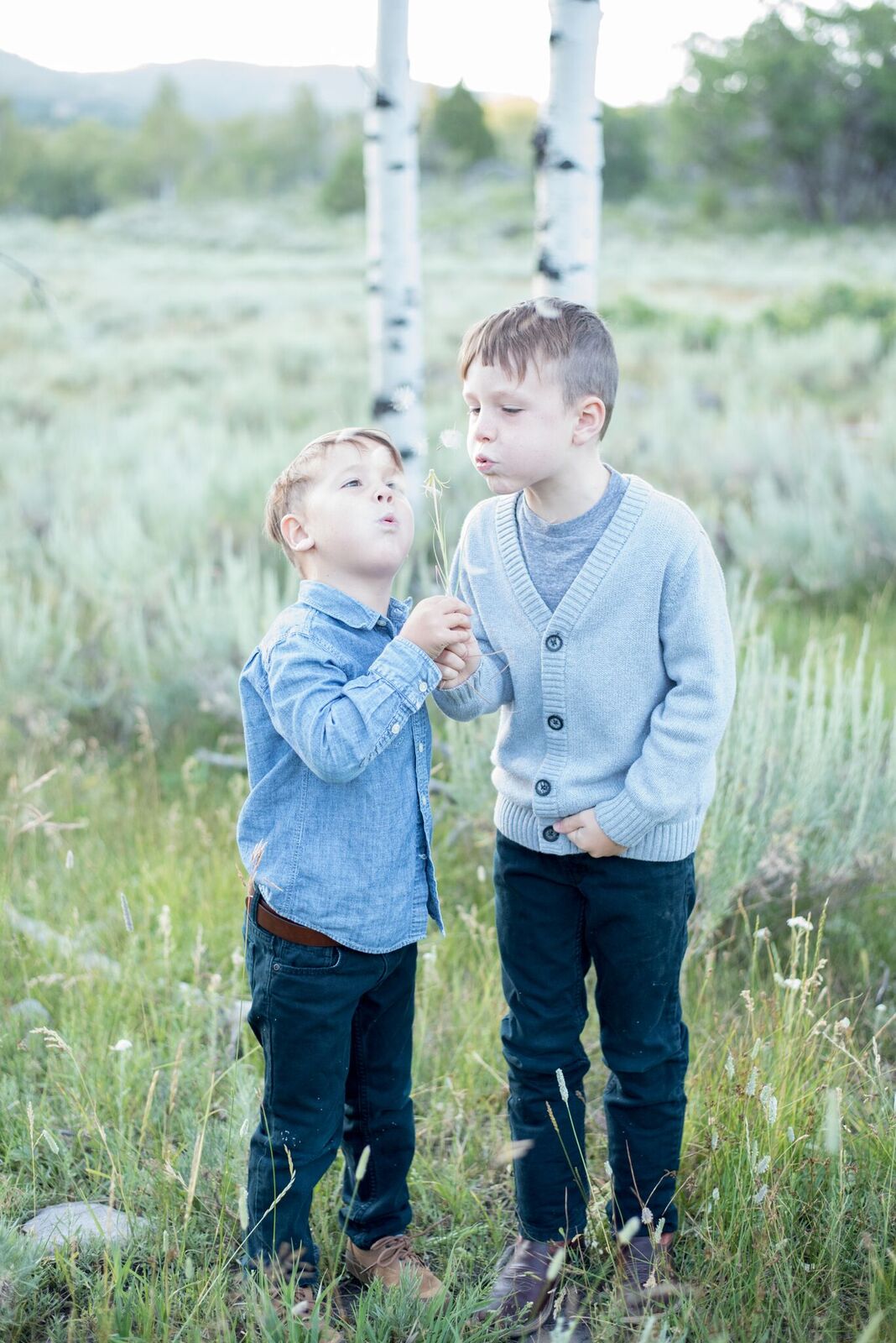
when it began, I’m not quite sure, but as of late my son has a new post script for nearly every exchange, “don’t die” he tells me as I start the engine of the car, “don’t die” he encourages as I head off to work “don’t die” when the rain is falling in sheets that darken each atom of exposed earth, he must understand something about the nature of life
Beloved and Time. Image, Aubreigh Parks.
Celebration
sometimes the celebration will be the growing of the light minute by minute over the horizon, moment by moment in our children’s eyes. Sometimes the celebration will be the sleep, the forgetting, the separation and the longing which brings deeper communion with the divine, the place, the way, unsure, the path, the journey, one precious step at a time. Sometimes the celebration will be the growing of the self, the yearning, expanding, nearly cracking open of your sternum with the enlarging, ever-beating heart, the lungs full-burdened with life giving nitrogen plus oxygen, exhale the heaviness and grief, inhale, close your eyes and let go
Can you imagine? Deafness where once was joyous Sound Blindness where once filtrations of color-filled light Ricocheted Can you imagine? Losing everything? If you are human, the guess is, yes But why must pain catalyze all our understanding? Is it Truly our only teacher? Isn’t the promise of Death Enough to cause us to cling to love, to Life, to now, maybe not. So maybe we go deaf, blind, Senseless Into that good night, into the dark, waiting for The dawn with breath so small we barely live, sore Respiration Reaction, all part of this existence when what we Thought we wanted most is gone, dematerialized where Reality is echoed and Chambered Oh heart, please, live, please drink the night and day as A cup of bitter sweetness, lasting but a blink A piano hammer in the abyss, hammer to string, string bing, bing, ba-bing, go, boogie, Be
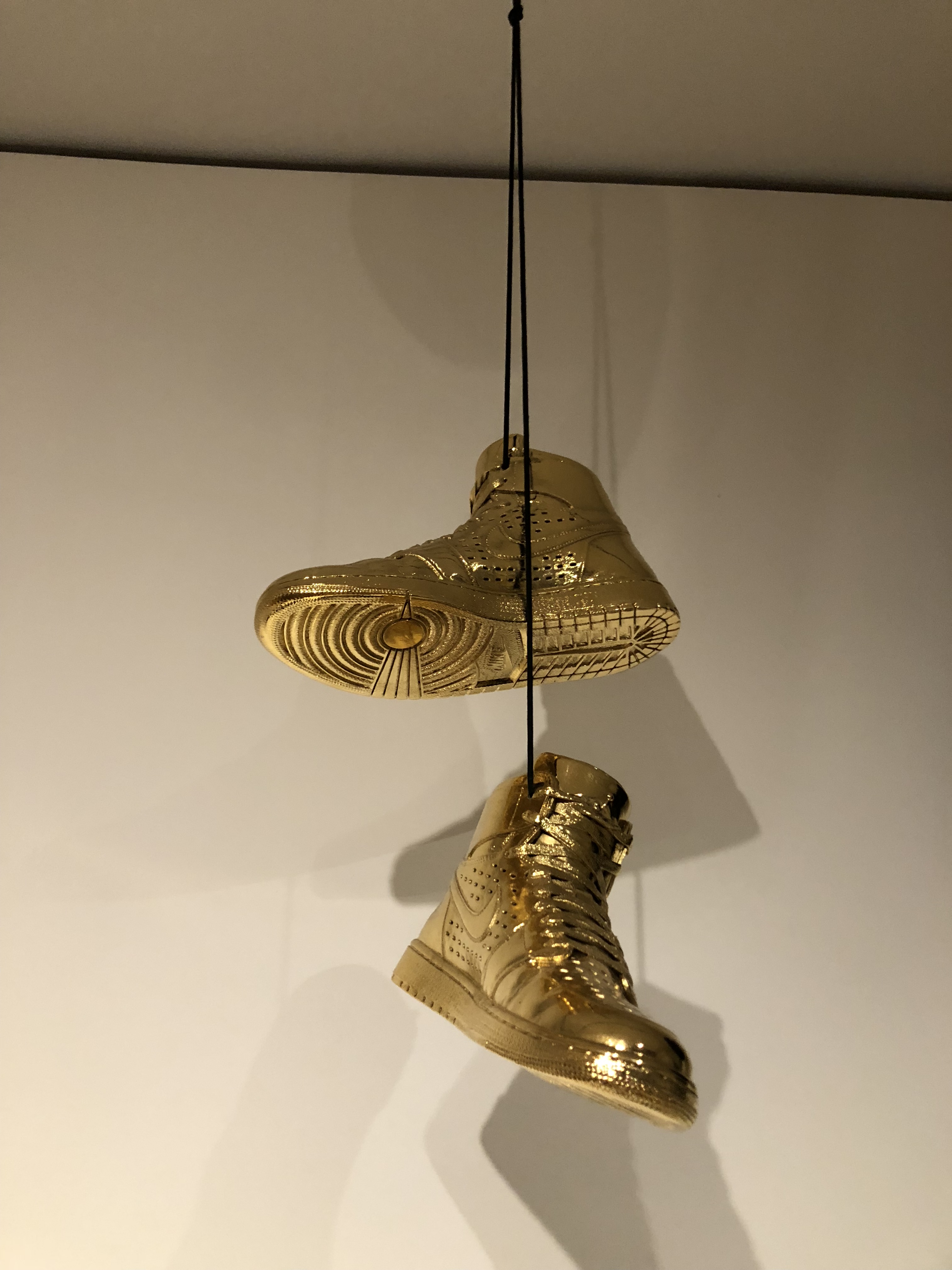
Gold Nike Shoes. Oakland Museum of California. Image, my own.
Andante
It will never do to keep running Into yourself if you can’t look up, Ponder the path of the stars in The night sky, gaze with longing And new eyes, on the moon with Rapture, take in the horizon each Day and walk into a new lifetime
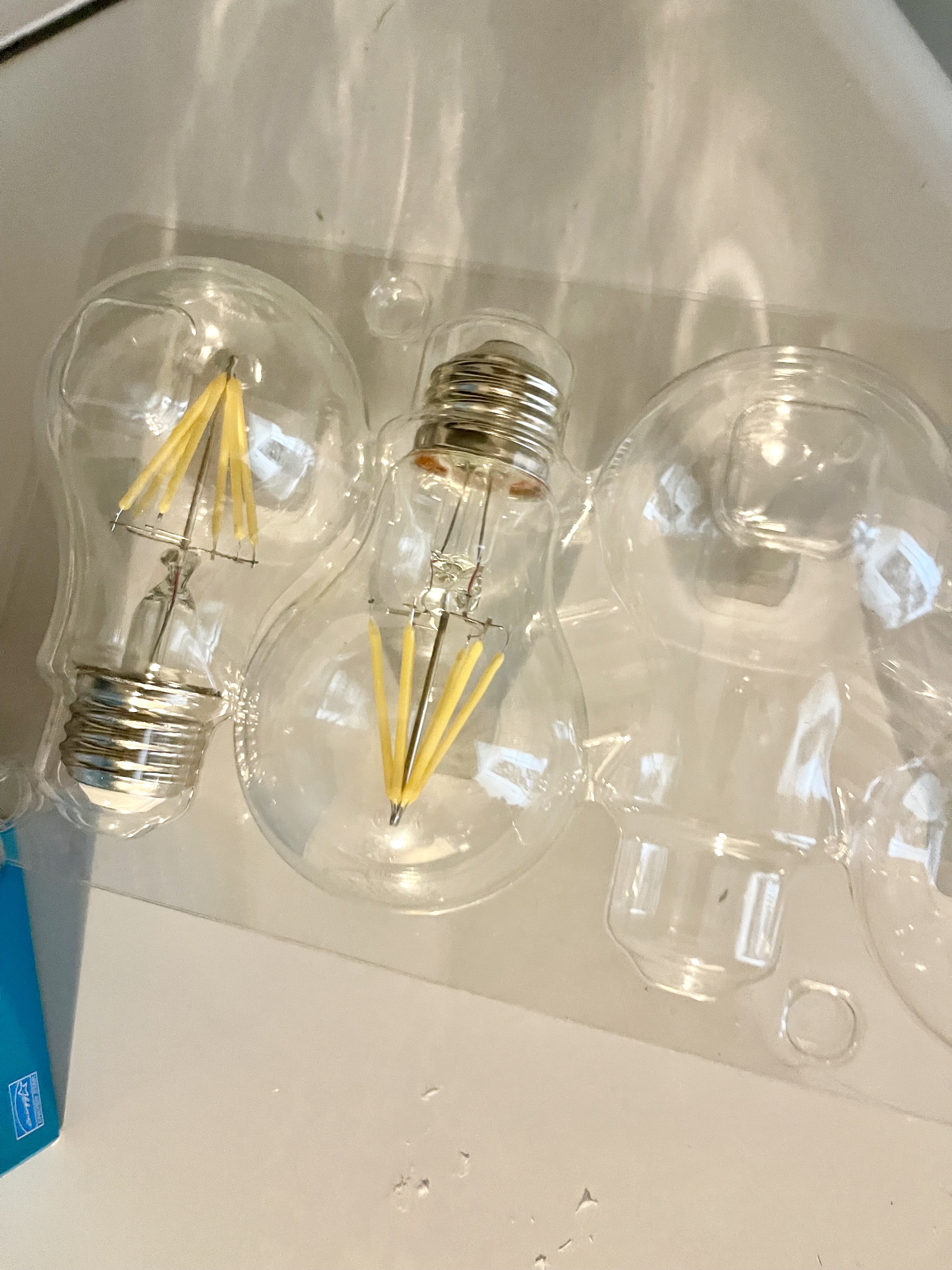
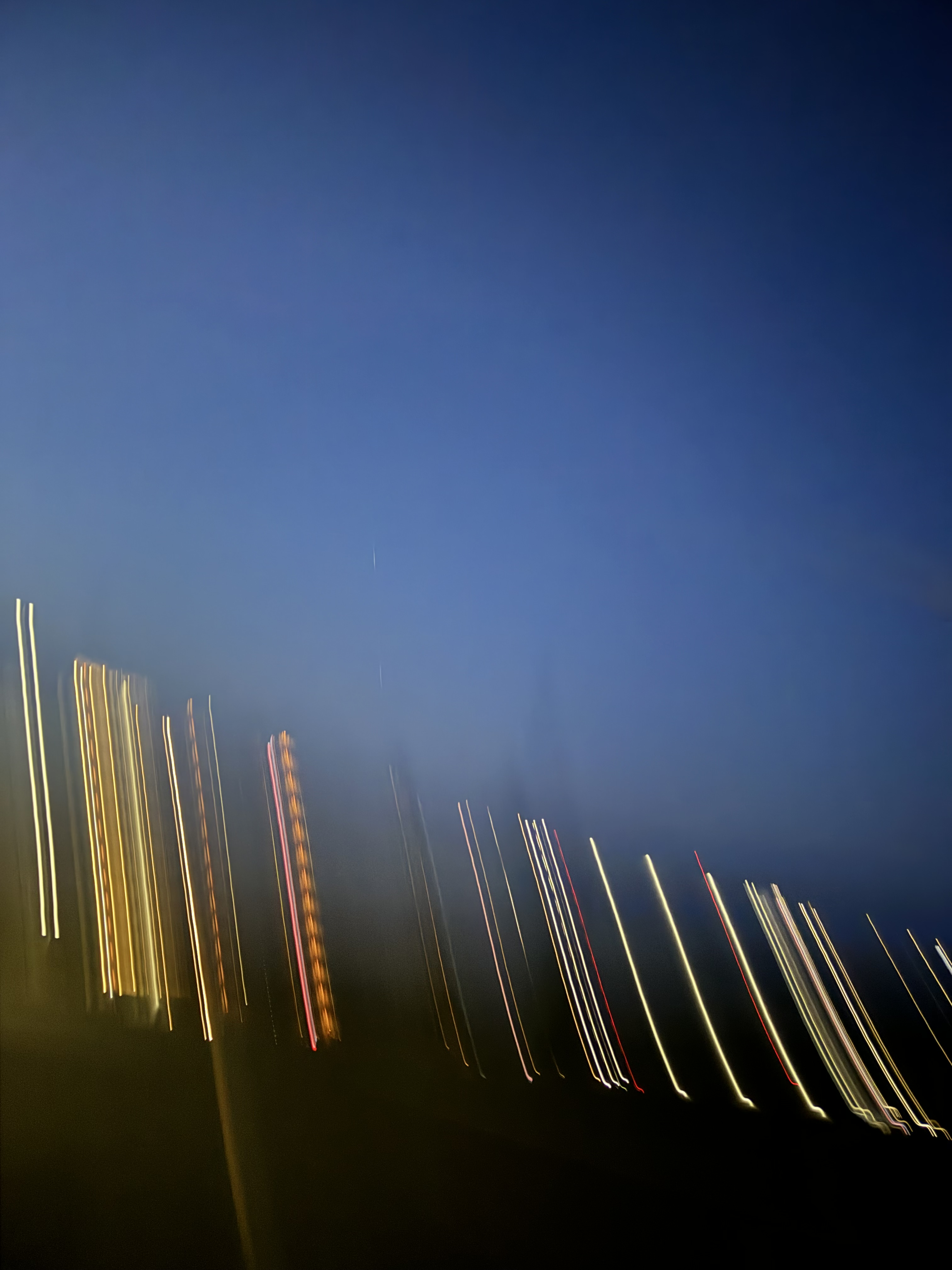
Light Bulb(s). Image, my own.
Honey
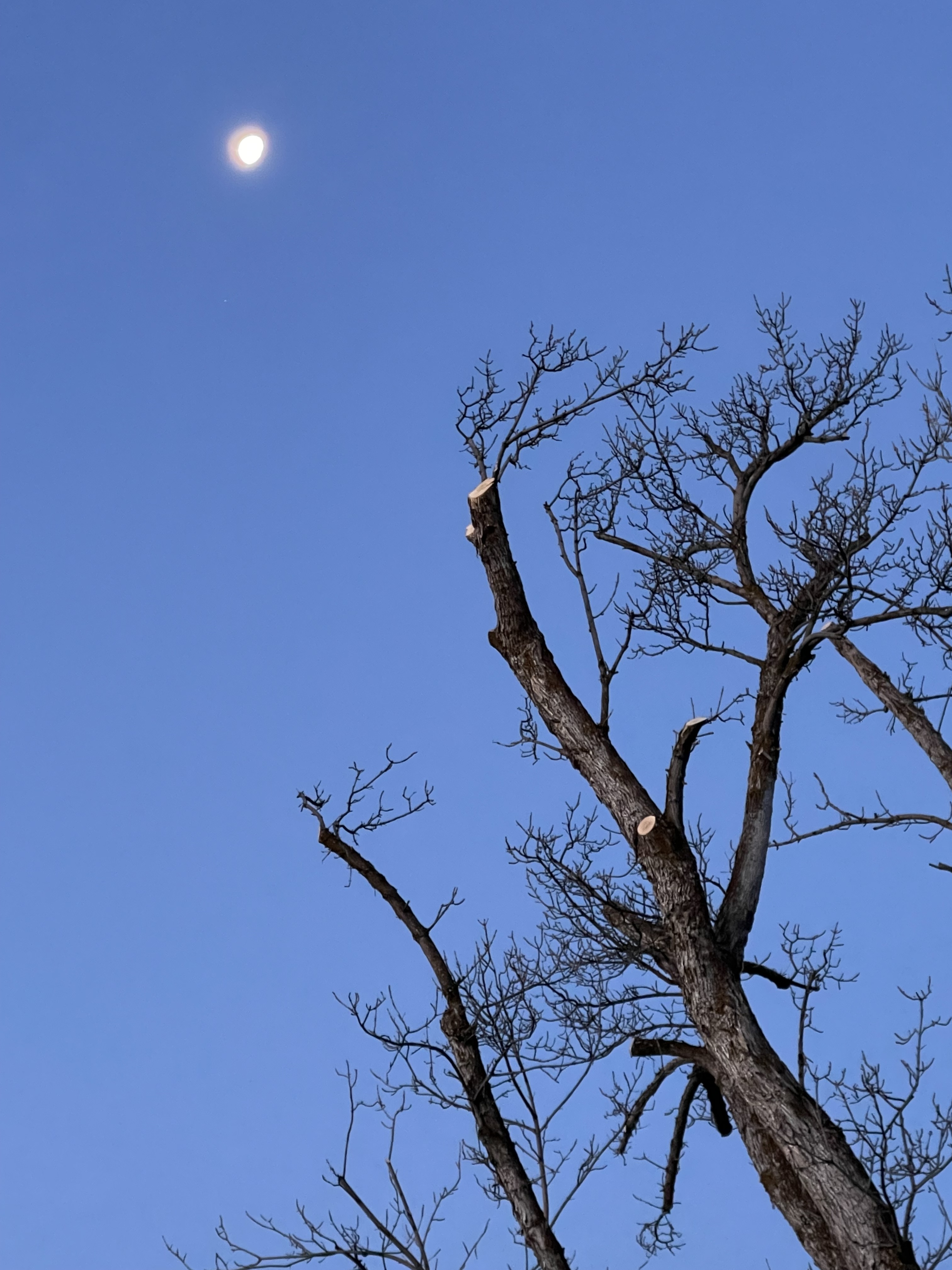
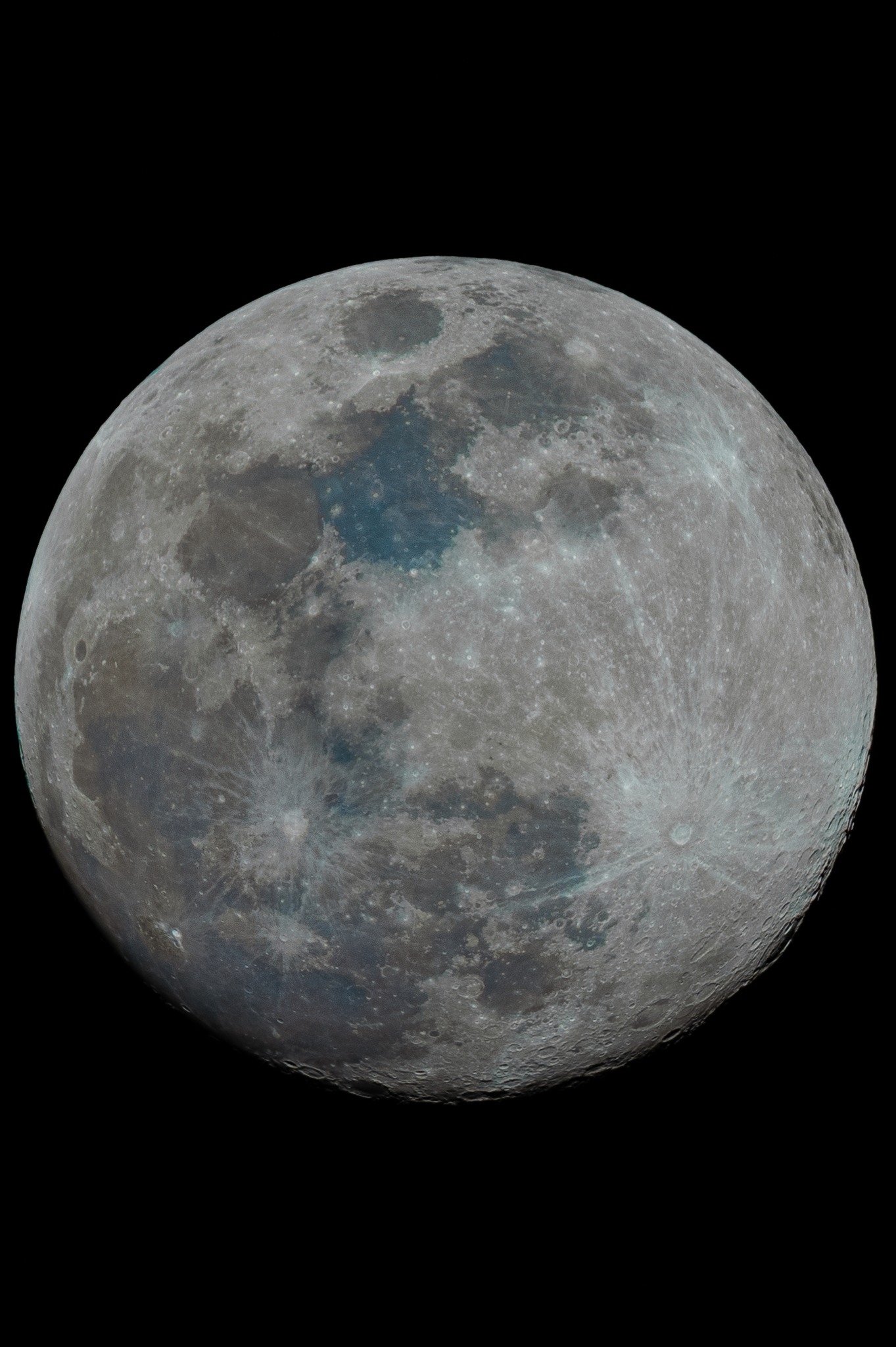
Honey, laughter and green curry are all the #soulfood I need the joy of bright kaffir lime leaves charged into garlic and simmered over vegetables, a meal to carry us through the ages, a gale of fascist hail and bull shit, the storm of the century is upon us, and all we can do is cook, sing, and watch the moon as it rises high in the night, silent observer of her earthly neighbors what a perplexity what a tragedy, only for a moment, all mixed with joy and delight, how will we last, how will we survive the fight join it, gear up, only history knows on this very first calm snowy night. We hunker in, we knit, we resist like life depends on it because it does, resistance can be small nearly silent until the way is clear and that same moon swims overhead as the path is lit in the quiet dark
Moon. Image, my own.
Orb
In reality In the body Black and gray White and blue softest aura Hazing purple Bold broad Moon the Clouds opaled All around Stars and sky Dappled through and Through Lord, Bless Gratitude for Ohs and glitters Heavens and Earth The glory of it All that lone Full Moon
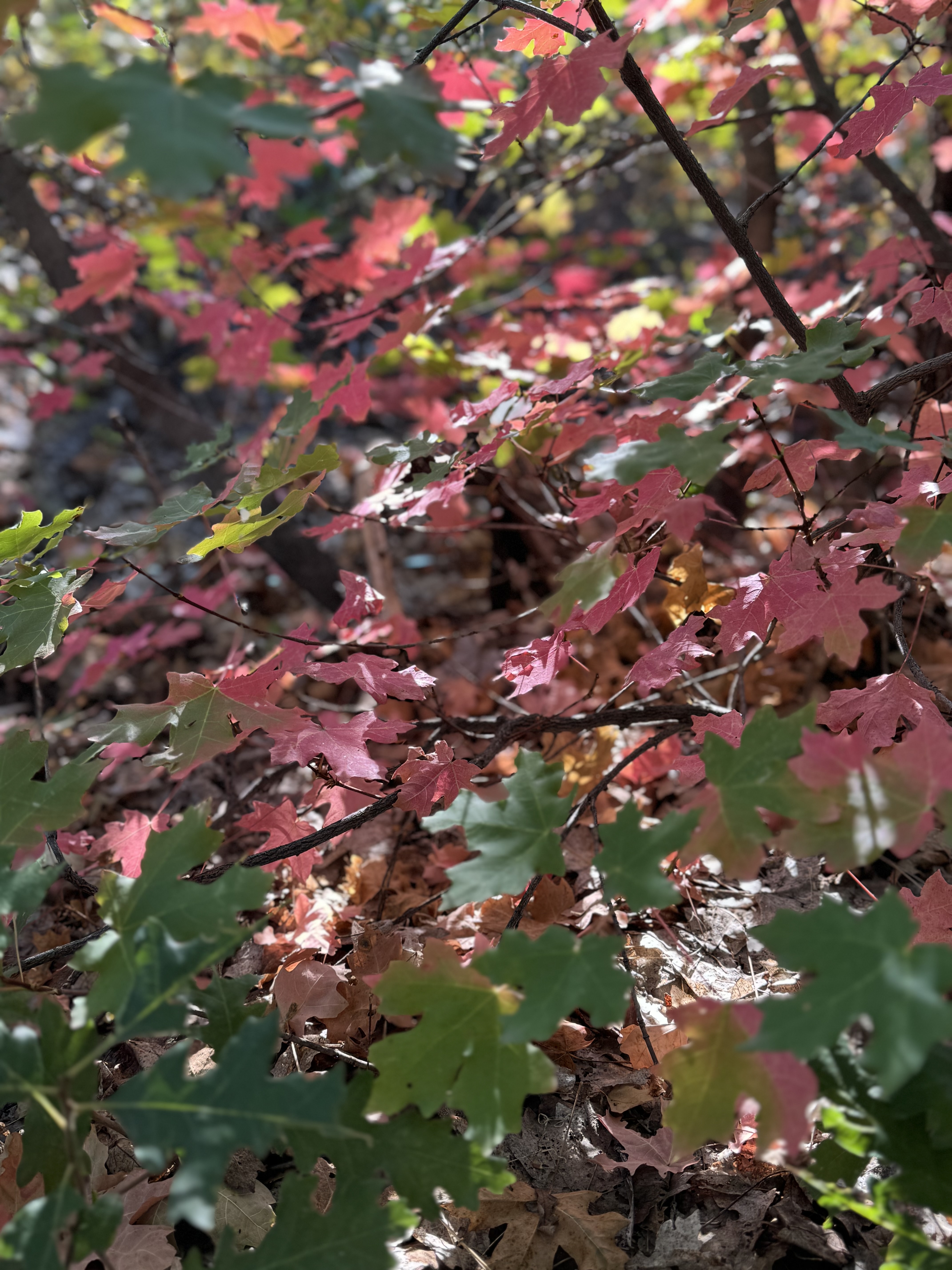
Scrub Oak in Transition, September 2024. Image, my own.
Autumn Equinox
there is this balance, this even-keeled consciousness, an equanimity of the breath in the air this time of year, the night and the day coming into equilibrium, living and dying reflected in the vegetation, the need for both action and rest, moving and pause, all things in their time and space
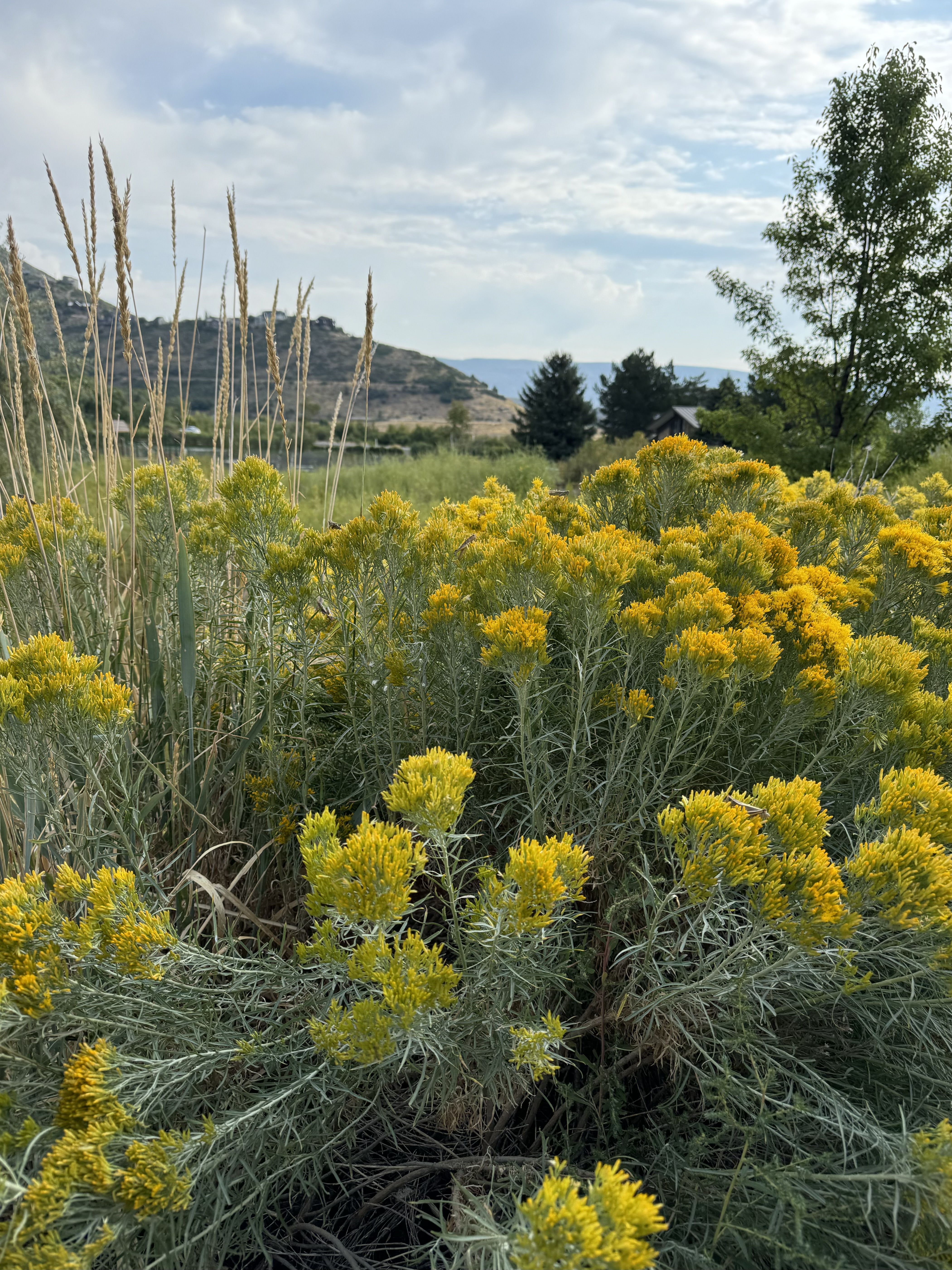
Rubber Rabbitbrush, September 2024. Image, my own.
Evolve -for the elders who’ve shone a light along the way
I’ve been watching the course of Life more closely as I’ve neared ‘halfway’
I’m totally clear, I may die tomorrow of a fungal infection brought on by an errant hang nail
This year, I started to see and understand some parts about this journey called life,
Facets that had never been open to me before, that had never been revealed
In youth. I began to witness the power of personal human evolution.
I’m sure I’ve seen it displayed previously, but now, it seemed closer, more raw and real
The strength, the peace, the solidarity, and grounding that some humans
Offer themselves and others when they choose to live with their arms stretched
Up to the divine, when they’re moving forward in purpose while trusting the
Siren song of the universe to guide them to good ends, and over hard roads, too, don’t
Mistake. I don’t think that living this evolution is simple in any way. To allow the
Lessons that life has offered you to be inculcated into your core, this isn’t a flat
Path, rather peaks and valleys, I see my mother who pursues her passions like watercolor and arts
Grant writing without prompting or celebration, and steadily understands
what she loves, what she holds dear and then lifts up those elements of her
Life, tending to her own garden of desire, she invests her best self in her and us.
All I’m saying is that for a very long time I felt completely perplexed with the recipe of this
thing I was witnessing– evolution– my septuagenarian friends, were practicing this
Art of living with purpose, too, with love and with a fair dose of spicy ironic interjection
Swimming every day, hiking all over the hills and valleys of our home
They were another of my sign-posts. And my uncle, who spoke the eulogy at
My aunt’s celebration of life, a woman who also lived and gave her life over to joy,
He has also chosen to live in the miracle of the era of man, to let life
Be the ocean, the teacher, and he became the student, he’s allowed those learnings
To become part of him in the way he loves his children, the way he acts
In community, the way he carries the knowing that life will always be a question, a universal
Query that we can only answer by living more truly, more soundly, more surely in verity
To that Flame that was lit within us at our birth, the miracle of existence realized, we evolve
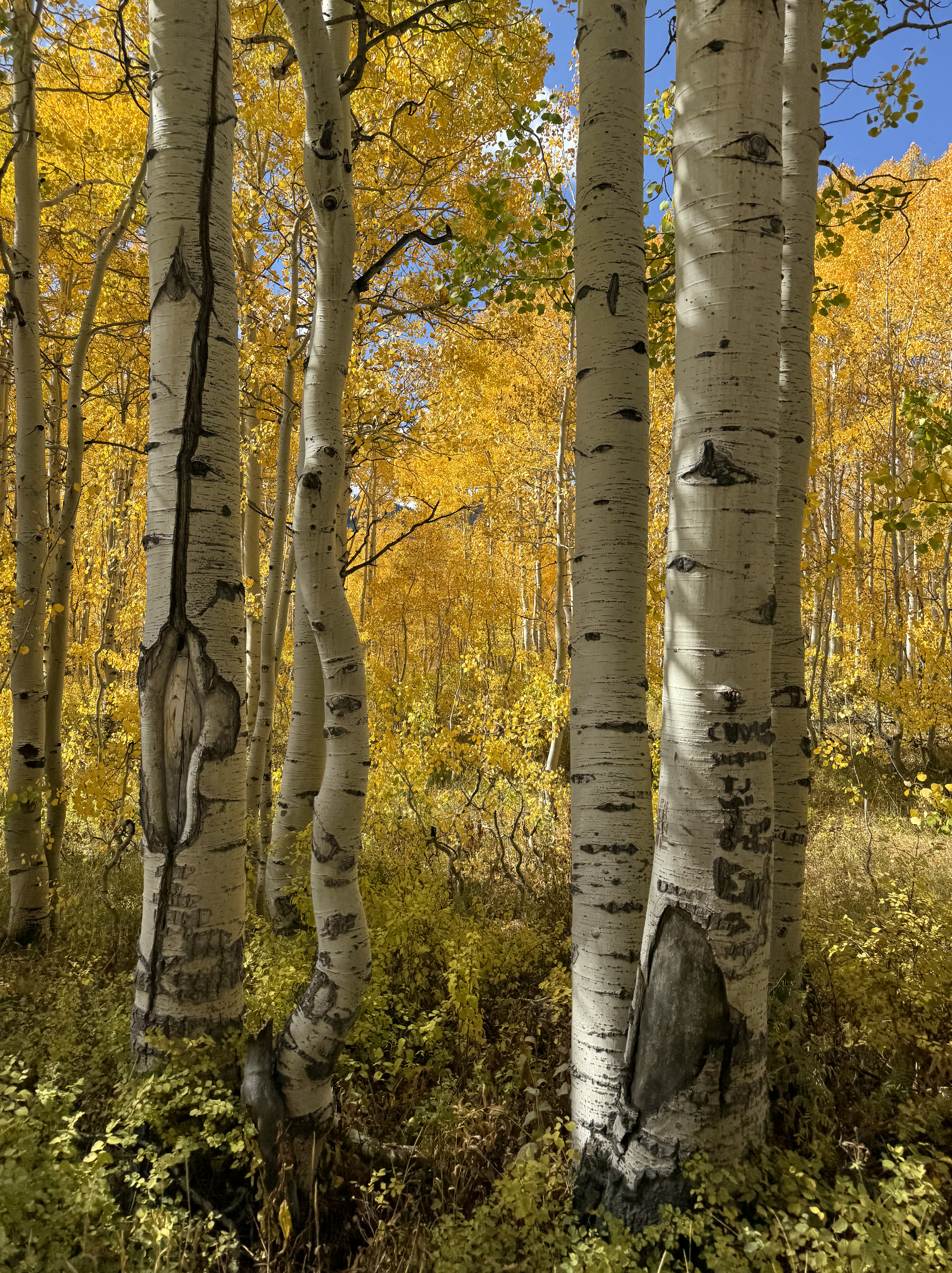
Lights. September 2024. Image, my own.
On Being
be who you are and who you can be, and meet those two verities inside yourself with loving kindness and compassion and let it be enough to experience the joy of living as you see fit as you love yourself
Andrew Wyeth Grasses, September, 2024. Image, my own.
Steady in the Fall
the sun and moon move into equilibrium waxing crescent to quarter
peloton of geese ride high in the wide blue sky, calling and answering back, headed south
flowers still bloom, delicate violet saturated yellow, vibrant magenta, as grass fades, sepia to umber
fully bronze dragon fly the size of a silver dollar flickers past in the sun chased by a saxe blue fly the same size
grasshoppers bunch on mustard rabbitbrush in the sway of breeze next to dark-chocolate velvet cattails, stalks steeped in pond-water
cooper’s hawk cries from the brush high and free like an alter ego finding the next rodent in the undergrowth
the air takes on the rush and pulse of crisp wind as the sun’s rays angle longer, cooling field, flower, and fly
With a new moon and the beautiful transition to autumn upon us, some poems for your week, month, moment. XX, Megan
September
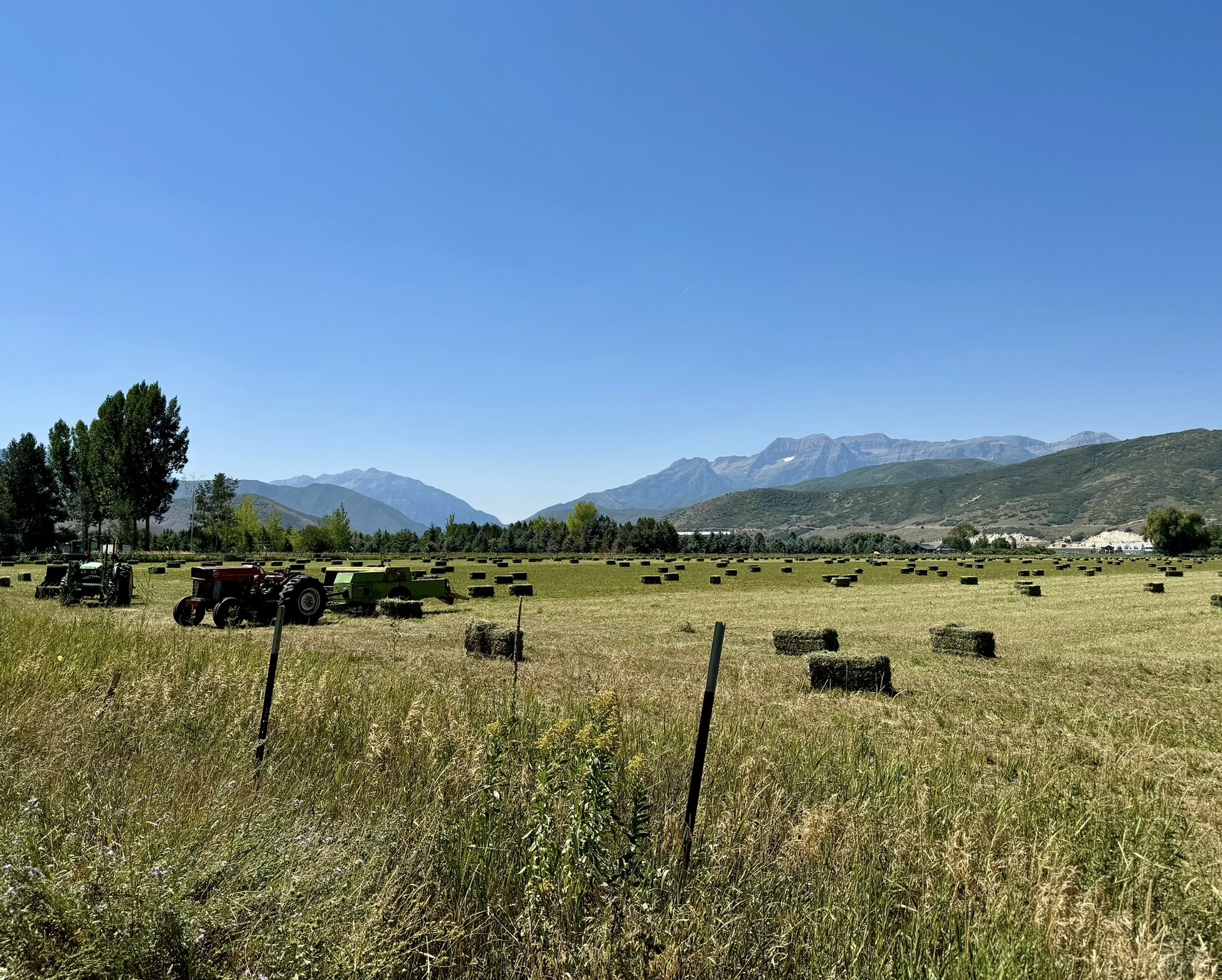
draughts of cool morning air carried on dry-sighing leaves respirate, whispering: rest, stay, plan, see, manifest, begin, in every breath the order and organization of Earth are upon us as gardens bear fruit, hay is left to cure, baled in sun waning warmly in late afternoon fields of golden bristle, summer to fall, denouement to eight months of moons new and full and new again transitions cyclical, circling in the darkening sky just after the last gasp of cerise light crests over the western mountains at sunset wind chimes low and resonant toning oooooh-aaaaah, bracing rush and sweep of air transmits that ocher timbre of September
Wasatch Mountains, September 2024. Image, my own.
Temple for Danny and Kat, with love, M
Come into the temple of my love for I am sure about its beauty and its strength
Come into the temple of my love for strength can also mean softness, stillness, peaceful respite, home
I’ve learned that lives change so quickly, so surely, that surety is difficult to process, to prepare
But one thing I am sure of is that as the sun sets and the stars rise, I will love you
Through the night, and as the sun rises on the next morn, in communion with the coming day
In shelter of our shared humanity, loyalty, commitment, love, and serenity we weather storms
Of life together, centered as we enter into the temple of our love
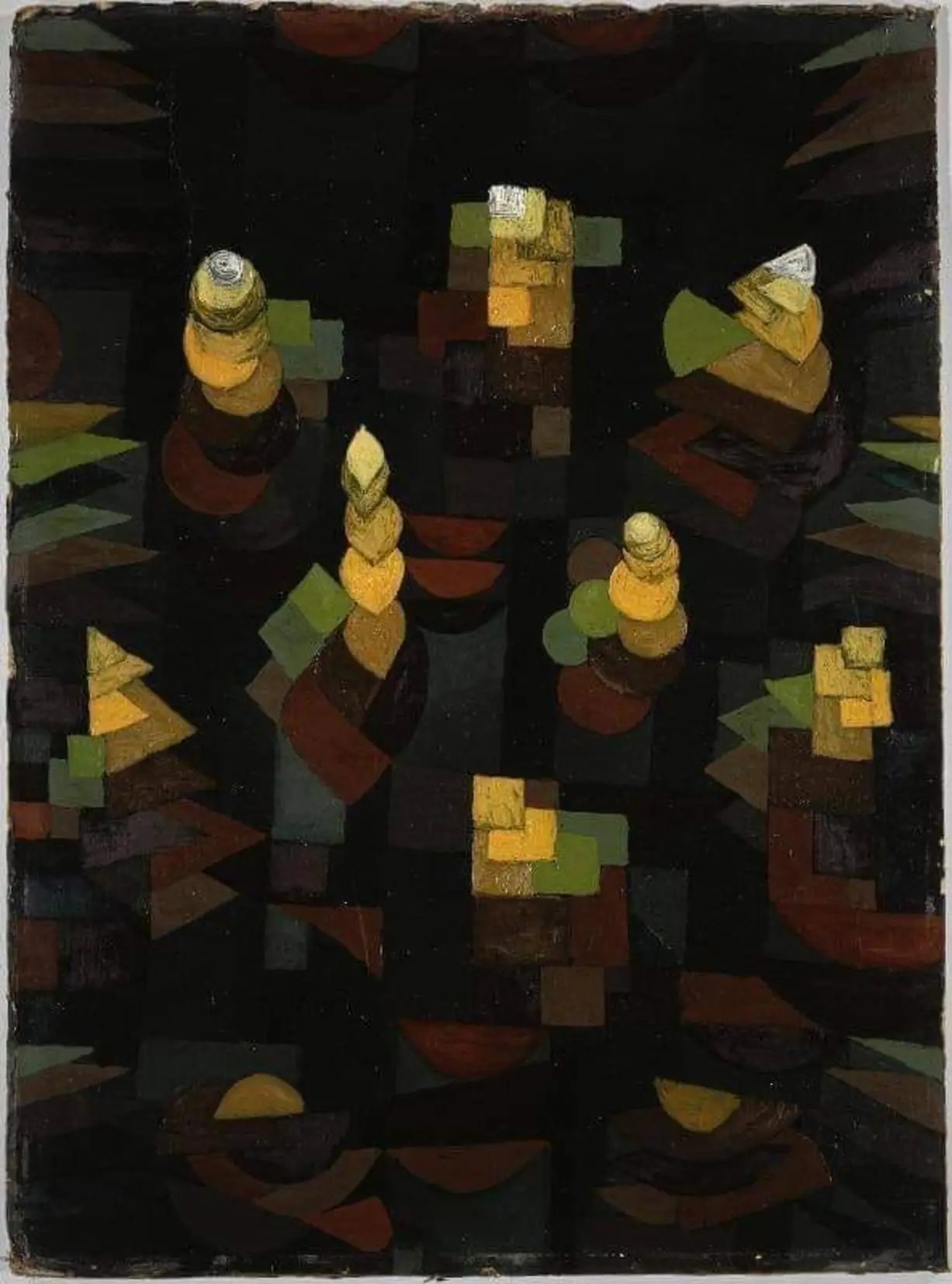
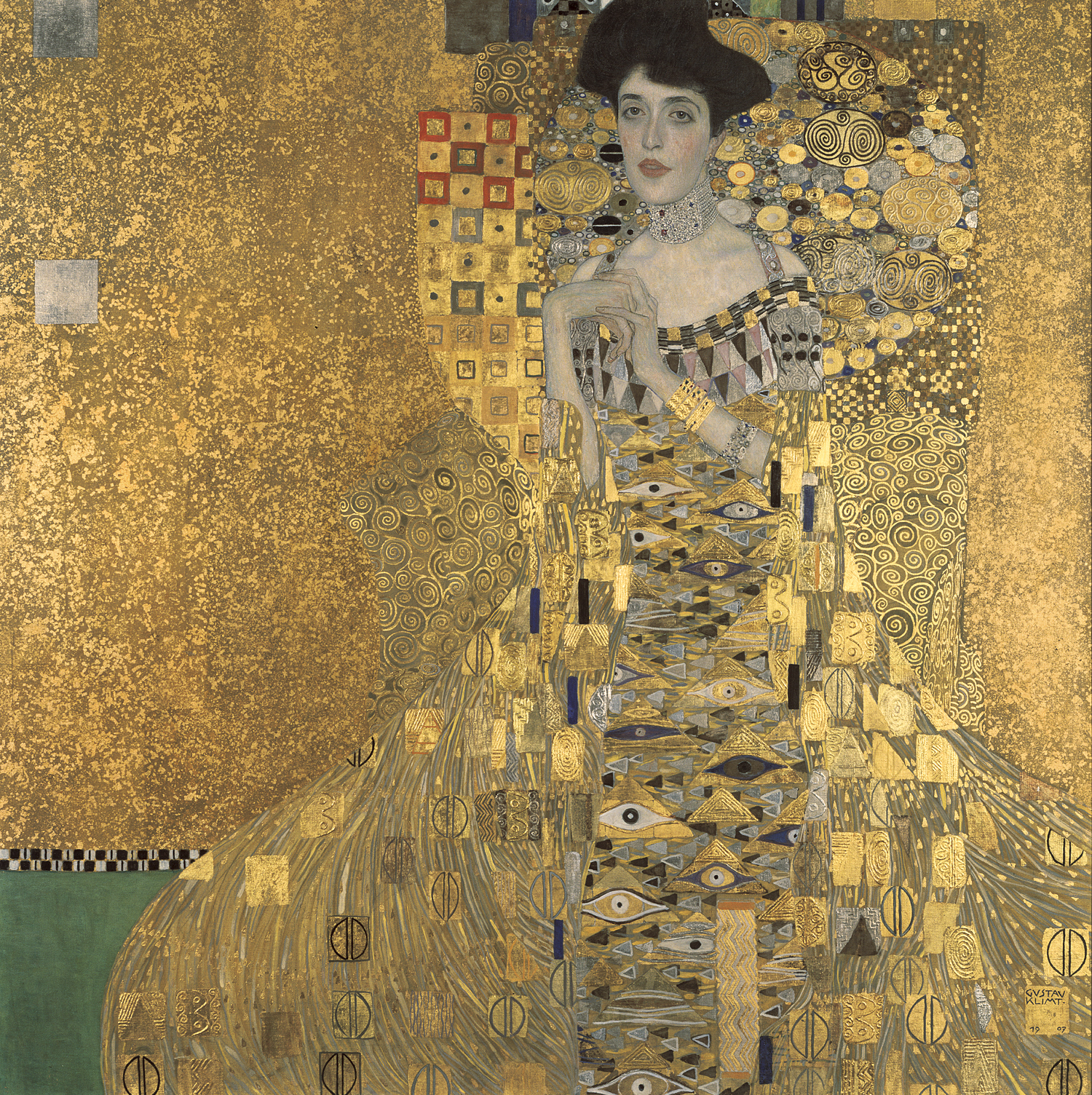
Portrait of Adele Bloch-Bauer I , 1907; Gustav Klimt; Oil, gold, and silver on canvas Neue Galerie, New York
The Matriarch, Grandma Dorothy dressed in a gold lamé housecoat each year for Thanksgiving dinner. The table, set with rose china, was laid out long in her small basement apartment. Poised and gracious in her kingdom, she sat at the head of the table and smiled at each child and grandchild as we voiced gratitude for our blessings. She, in turn, gave thanks for “all of you.”
Regal, despite the crippling arthritis which attacked her bony sylph of a body, she held herself with an aristocratic air. Her back stayed straight with practiced posture through two total knee replacements, three husbands, four births, and five decades of single motherhood. Her studied gait had slowed, but still kept its polished flow from her days at the Presbyterian Girls School in Missoula, Montana, where Bertha Harriett, her mother, had insisted her only daughter be enrolled.
Dorothy’s hands gave one clue to her impatient internal pace; slender, knuckley, and nubbed, they were never still whether fluttering in her lap, tapping the tabletop, or brushing out a rhythm on her thigh. Another clue to her core came from her eyes. Bright and clear, her hazel eyes couldn’t hide all her knowing. They blinked and batted, magnified behind her glasses which earned her the nickname Granny-Bird. Beyond the constant pain of fibromyalgia which inflamed all her soft tissue, my grandmother carried the wit and wisdom that only a lifetime of studied learning can teach and only a sage can repeat.
“I just ache all over,” she explained.
When I was twenty-three and she was seventy-nine, she was diagnosed with lupus. In near-constant pain, I drove her an hour to her primary care physician. She said to the doctor seriously, “Fix me.” Holding her hands outstretched as if in child’s pose, palms up, in release and submission to the pain, in hope for healing. Then looked him piercingly in the eye until he admitted with a stutter that none of her ailments had a cure, a salve.
There was no fix, no hope. Regaining his composure, he whispered to her quietly, “We are a horse and we are a rider. The horse grows old, tired and pained; the rider is young forever.” So, she continued to wince and sigh in her sleep and persisted in walking slowly, majestically enough so the burden wouldn’t show much.
—–
Question by May Swenson
Body my house my horse my hound what will I do when you are fallen
Where will I sleep How will I ride What will I hunt
Where can I go without my mount all eager and quick How will I know in thicket ahead is danger or treasure when Body my good bright dog is dead
How will it be to lie in the sky without roof or door and wind for an eye
Without cloud for a shift how will I hide?
—–
No longer seven, Holland America Line Westours brought me back to Alaska in 2000 as a nineteen-year-old tour director. My job was to guide tour groups ranging in size from twenty to fifty people on nine-day land tours between Anchorage and Skagway, Alaska. The distance covered on each tour was somewhere around 812 miles, 1,624 round trip.
During the second week in May, the tour director trainees converged on the Anchorage Hilton. I’d never been a room with so many extroverts. The uniform for that year was khakis and red shirts, and the majority of our training as tour directors consisted not of classroom instruction, but taking the actual tours that our guests would take when they arrived in Alaska.
A typical first day in a Holland America cruise-tour package included a stop at the Alaska Native Heritage Center, a brief city tour, followed by a trip out to Portage Glacier. Our fifty-five-passenger motor coach ferried the group the forty-five miles or so to the Visitor’s Center. There is no better way to see Alaska than from the windows of a motor coach. Greyline, Holland America, claimed the window had been engineered by Kodak, and I thrilled as I gazed on Alaska for the second time.
Twelve years of nostalgia struck as we reached the Visitor’s Center, and I hurried off the bus into the building without a glance toward Portage Lake. Though I was now nineteen, it was as if I was there for the first time. With the other tour directors, I took a seat in the theater for Voices from the Ice. I was excited for my companions; I thought I knew the finale.
The movie ended, the screen rose, the curtain parted, and behold… a lake. There was no glacial face, no snout. No grand finale. No blue terminus of ice to awe at. Nothing but a dingy, mud-gray, motionless lake, dotted with giant melting ice cubes.
—–
ICE by C.K Williams (excerpt)
That astonishing thing that happens when you crack a needle-awl into a block of ice: the way a perfect section through it crazes into gleaming fault-lines, fractures, facets; dazzling silvery deltas that in one too-quick-to-capture instant madly complicate the cosmos of its innards. Radiant now with spines and spikes, aggressive barbs of glittering light, a treasure horde of light, when you stab it with the awl again it comes apart in nearly equal segments, both faces sadly grainy, gnawed at, dull.
…
Imagine then how even if it shattered and began to liquefy, the hope would still remain that if you acted quickly, gathering up the slithery, perversely skittish ovals, they might be refrozen and the mass reconstituted, with precious little of its brilliance lost, just this lucent shimmer on the rough, raised grain of water-rotten floor, just this drop as sweet and warm as blood evaporating on your tongue.
—–
Skagway became Alaska’s first incorporated city on June 28, 1900, boasting 3,117 residents. The population has fallen steadily ever since, and the 862 year round residents remain set at sea level at the mouth of the Lynn Canal, the deepest fjord in North America. The “Gateway to the goldfields!” continues to be Skagway’s modern claim to renown. The famous picture of gold miners and fortune finders treacherously clambering over the “Golden Staircase”, grand piano included, is set right outside of Skagway in the now non-existent town of Dyea.
The land surrounding Skagway rises abruptly from the ocean with White Pass Summit hitting 3,292 feet just 37 miles North of town into sub-arctic alpine tundra, think scrawny, wind and ice-bitten trees and tiny kettle lakes. But Skagway City’s climate is temperate coastal rain forest, think lush top-soil and muskeg, thick fern foliage, and dense forests just outside city limits.
I run. Chugging South down the Klondike Highway into the town of Skagway, I keep my eyes trained on Harding Glacier. This small hanging glacier, nestled in the armpit of Harding peak across Taiya Inlet from Skagway, has almost melted out of existence over my five summers in Alaska. Alarms sound off through my senses, as my feet scud over old glacial silt which lies alongside the road, “Fire!” Watching the midnight sun rise hotter and hotter in the Northern sky each summer has fueled my fear.
Finishing my run, I stand sweating, in ninety-degree heat on Broadway’s boardwalk, the main drag in downtown Skagway. This heat just isn’t quite right. A mere four blocks wide twenty-three blocks long, tourists clog every artery of Skagway’s downtown district, weaving in and out of open store doors, gawking through shop windows. Down at the docks there’s only parallel parking for mammoth cruise ships that pull-in and drop their load of 3,200 passengers per boat, per day.
With five berths, the math is easy, these ships can release 16,000 people or more into town on any given summer day. None of them seem too concerned about the fate of Harding Glacier or the Juneau Ice Field. I see the signs of glacial recession everywhere. What should we do? Imagination plays a “what if” video clip: I turn to the man in the green fishing vest and dockers khaki shorts standing next to me on the boardwalk. He’s quickly licking the myriad of drips from a pecan praline double cone he just purchased from Kone Kompany, held tightly in his fist.
In my imagination, I unload, “Sir, I know you’re on vacation” I pull out my imaginary microphone, begin diplomatically, “but does this heat scare you? You know, we’re in Alaska, the North country? Do you believe in global warming? Does it look to you as if this blue ice is a bit uncomfortable in this unbearable heat? Look, everything is melting, you, me, your ice cream cone, the glacial ice. Which boat did you come in on, the Diamond Princess, Empress of the Seas, the Volendam, Carnival Spirit? Did you enjoy awing all the way up the Lynn Canal this morning from your deck chair at the blue ice hung across the shoulders of the Chilkat and Coast Mountains? Nature dressed up just for you, sir. Do you want your grandchildren to be able to see what you saw? I really want my children to experience Alaska the way I did, glaciers and all. What should we do?”
There it is. Even though the scene played out in my mind instead of in real-time, I feel better. Sounding the global warming alarm. It’s not a him thing, or a me thing, it’s a we thing. Which doesn’t make the situation of Arctic warming any better, but it sure does make me feel a whole lot better to pass the blame on to the guy in the flop-backed fishing hat, or at least share it with him.
—–
Grandma was with me, lying on the purple silk bedspread in her room like a queen. I, her five-year-old courtier, heard the tiny tinkling tick of each bead hanging over her lavender pillows as my head parted them to rest on her shoulder. Opening a worn copy of The Tales of Old Mother West Wind, Grandma flipped to “The Tale of Johnny Fox.” We read for what seemed like days in a world where the wind had a name, and her animated baby breezes played tricks on the rabbits, beaver, and foxes who always seemed to get caught in the bluster.
At age six, I watched her morning routine. A garish multi-colored silk mu-mu, draped loosely over her small shoulders, got pinched under the little bulge of her belly then fell long to the floor. A tall glass of skim milk, burned buttered toast, bowl of soggy mini-wheats, all crumbed and dripped over a crossword puzzle. After breakfast, she’d shower and then stand naked and wrinkled, puffing loose folds of skin with talcum powder while listening to the tenor whine of the Bible on her old black tape recorder.
Even when I was eight, long after my parents were sleeping, I’d tip-toe into her bedroom and watch late-night reruns of MASH, The Love Boat, Star Trek the Next Generation, and eat bread-in-milk from mugs with spoons. She too was a night owl, and she’d sit next to me on her water bed, smelling of vitamin E oil and half-dry finger nail polish, her gray curls preserved for the night in a paisley scarf. I’m too young to understand that one day, I’ll lose her forever.
*(This is the second in a series of braided essays and poems about love, loss, ice, life, and what our world faces as we experience climate change at the human level. Here’s the first essay: Hope (Alaska). Thanks for reading!)
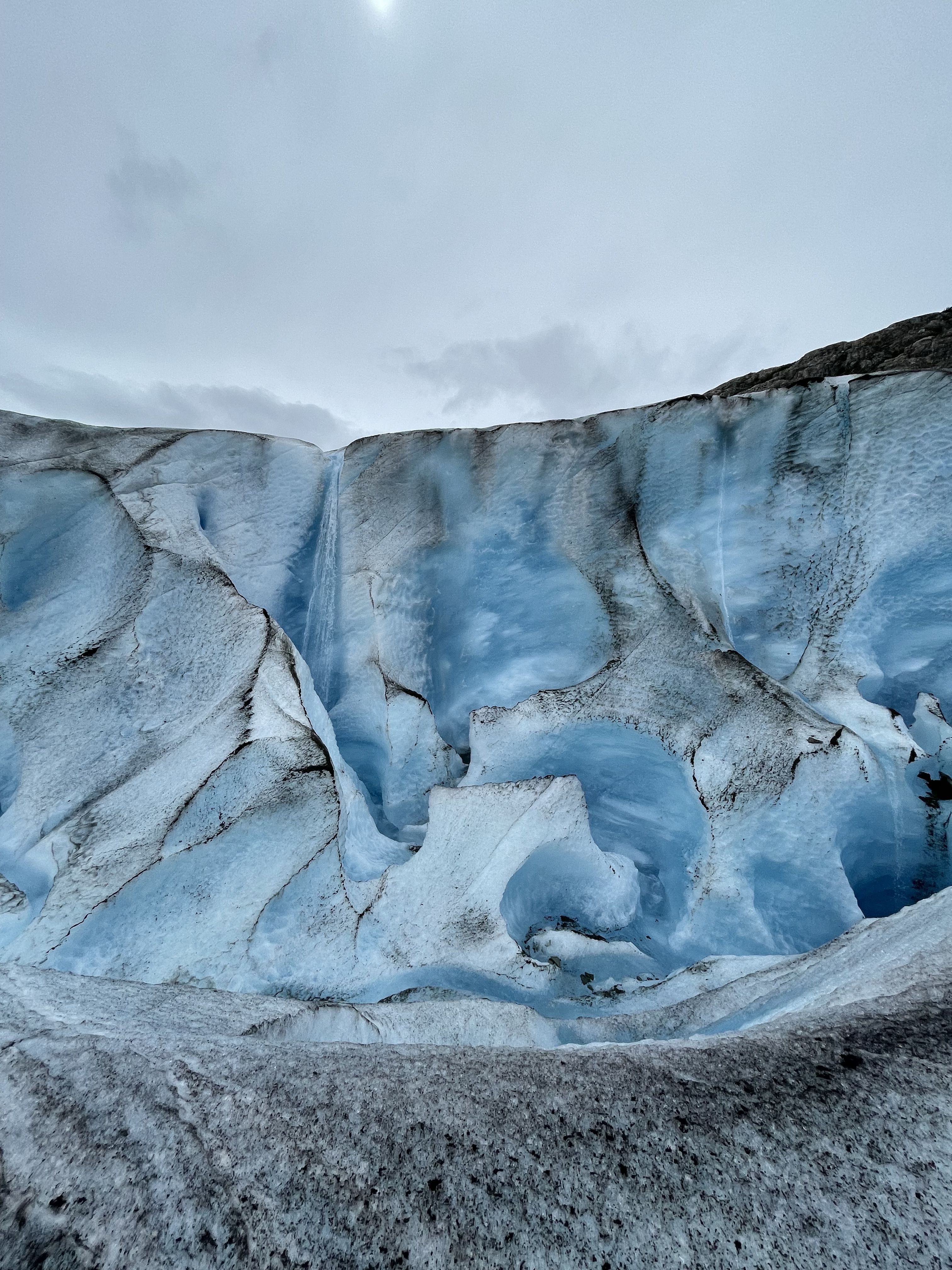
Terminus of the Meade Glacier, Juneau Ice Field, July 2022. Image, my own.




 Refined + Rugged